How to Say "zone" in Spanish
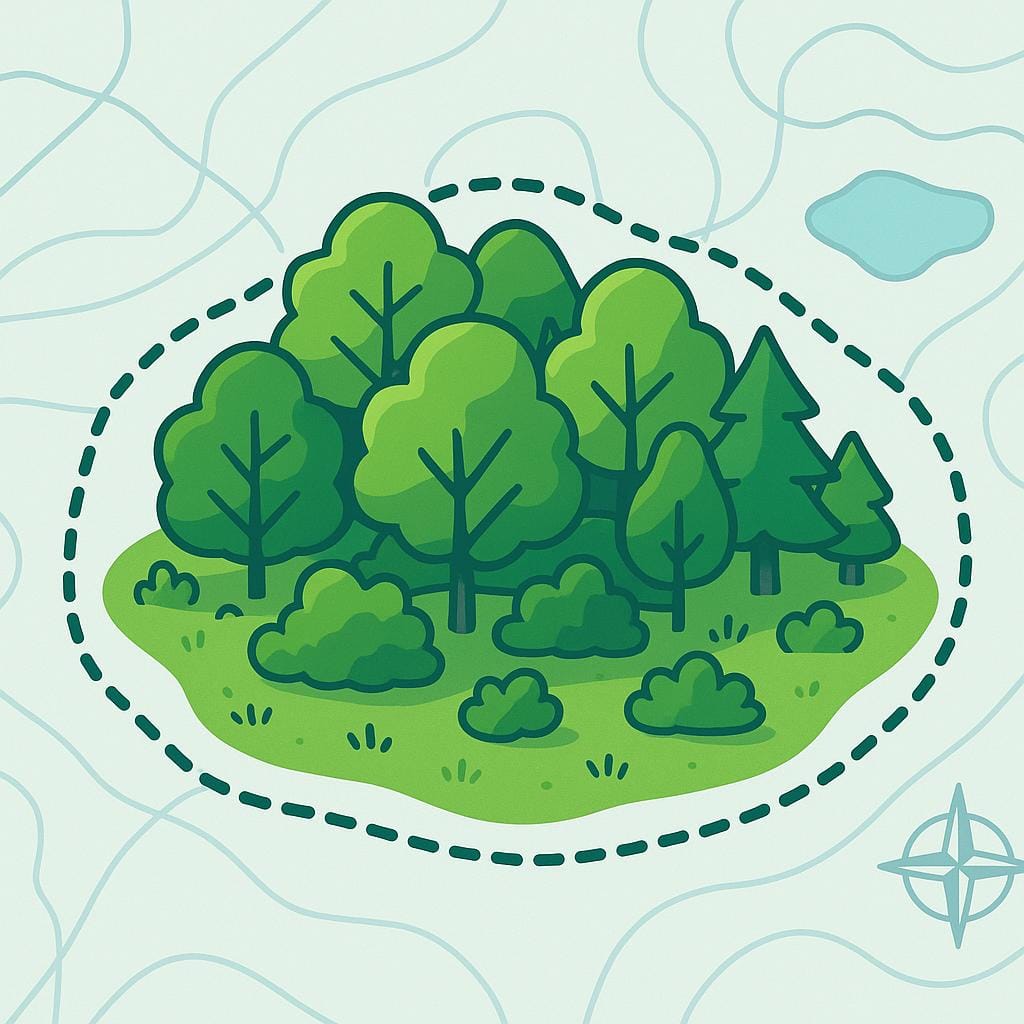
The most common Spanish word for “zone” is “zona” — use 'zona' for a general, often officially defined area or neighborhood within a city or region, or for abstract concepts like a 'comfort zone'. This is the most direct and common translation.
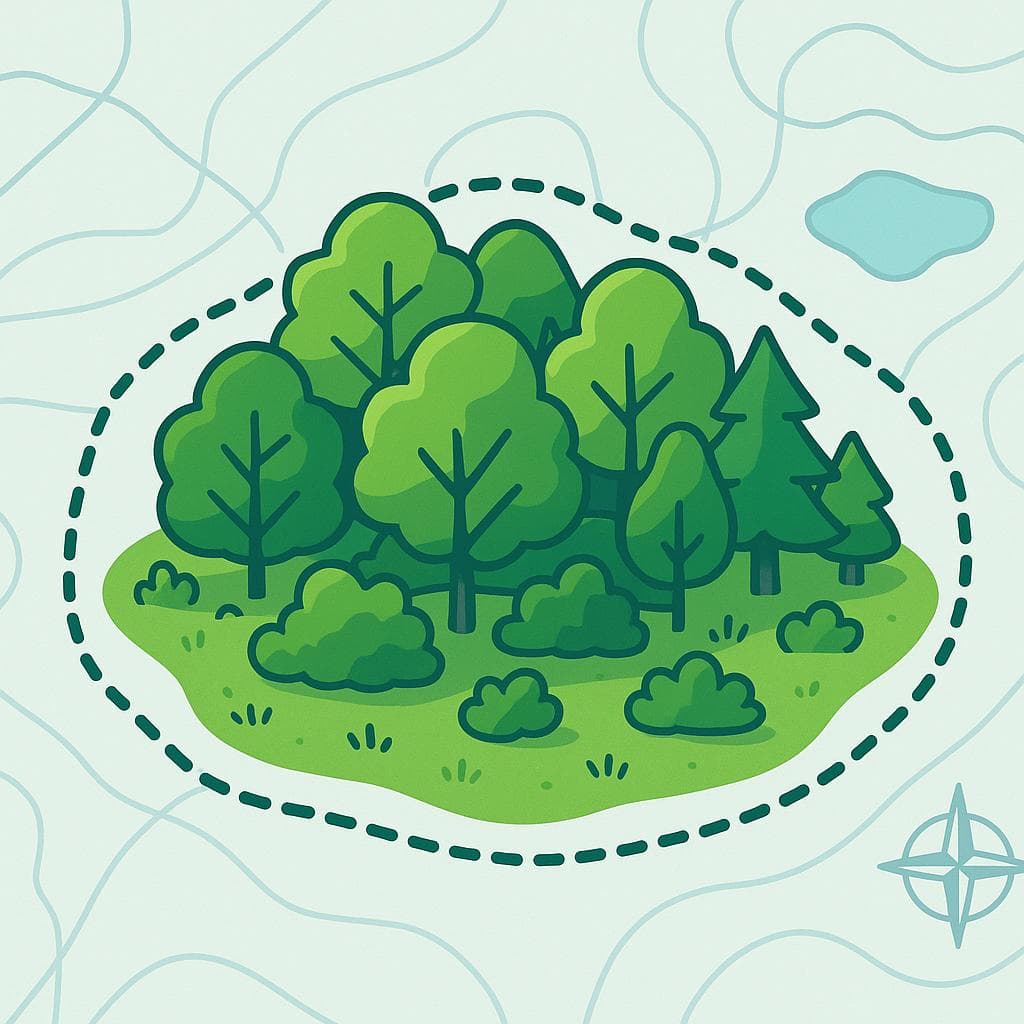
zona
SO-naˈsona
Examples
Vivo en una zona muy tranquila de la ciudad.
I live in a very quiet area of the city.
Esta es una zona peatonal, no se permiten coches.
This is a pedestrian zone, cars are not allowed.
La zona comercial cierra a las nueve de la noche.
The commercial district closes at nine at night.
Para aprender de verdad, tienes que salir de tu zona de confort.
To truly learn, you have to get out of your comfort zone.
Always Feminine: 'la zona'
Even though it doesn't end in '-a' like many feminine words, 'zona' is always feminine. So, you'll always use words like 'la', 'una', 'esta', or 'mucha' with it. For example: 'la zona bonita' (the pretty area).
Using 'el' instead of 'la'
Mistake: “Fui a el zona comercial.”
Correction: Fui a la zona comercial. Remember that 'zona' is a feminine word, so it needs 'la' not 'el'.
área
Examples
Esta área es muy segura para caminar de noche.
This area is very safe to walk in at night.
región
Examples
Esta es la región más seca del país, casi nunca llueve.
This is the driest region of the country; it almost never rains.
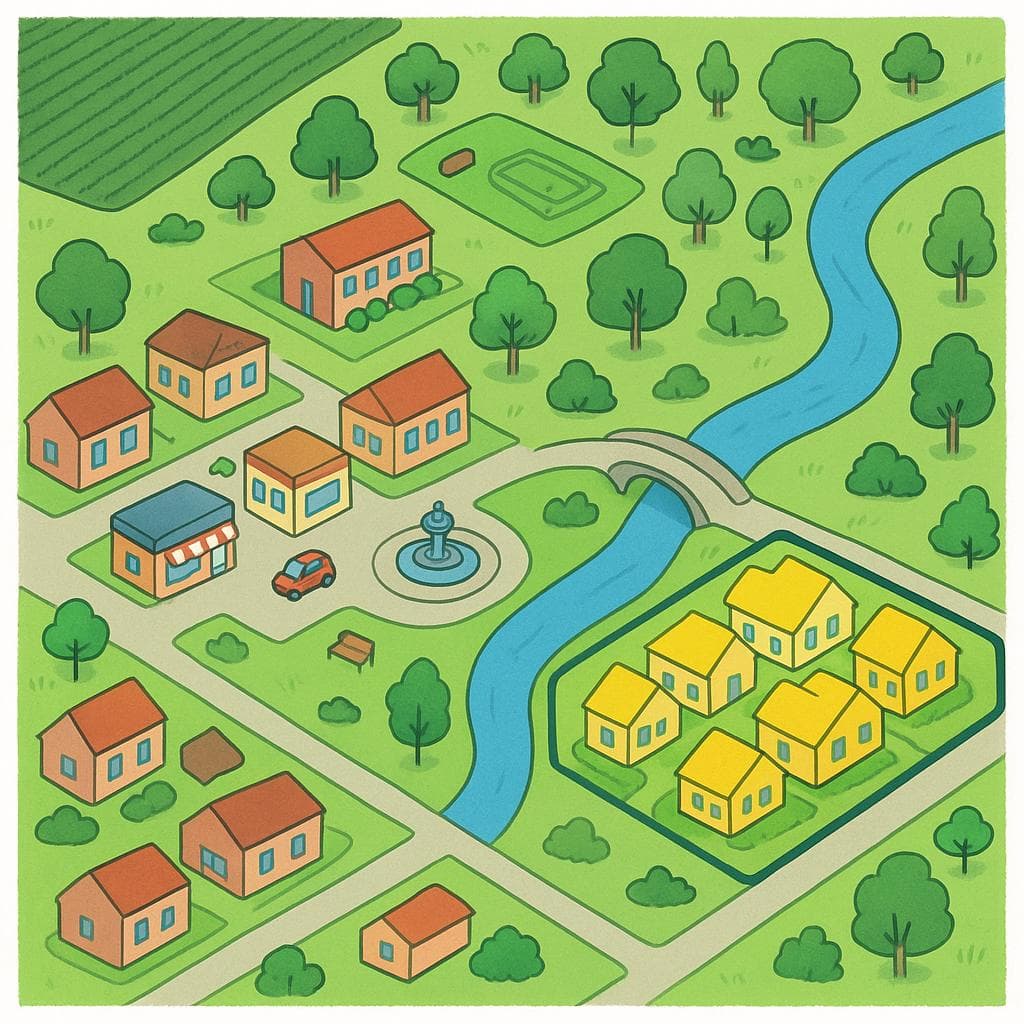
sector
sek-TORsekˈtoɾ
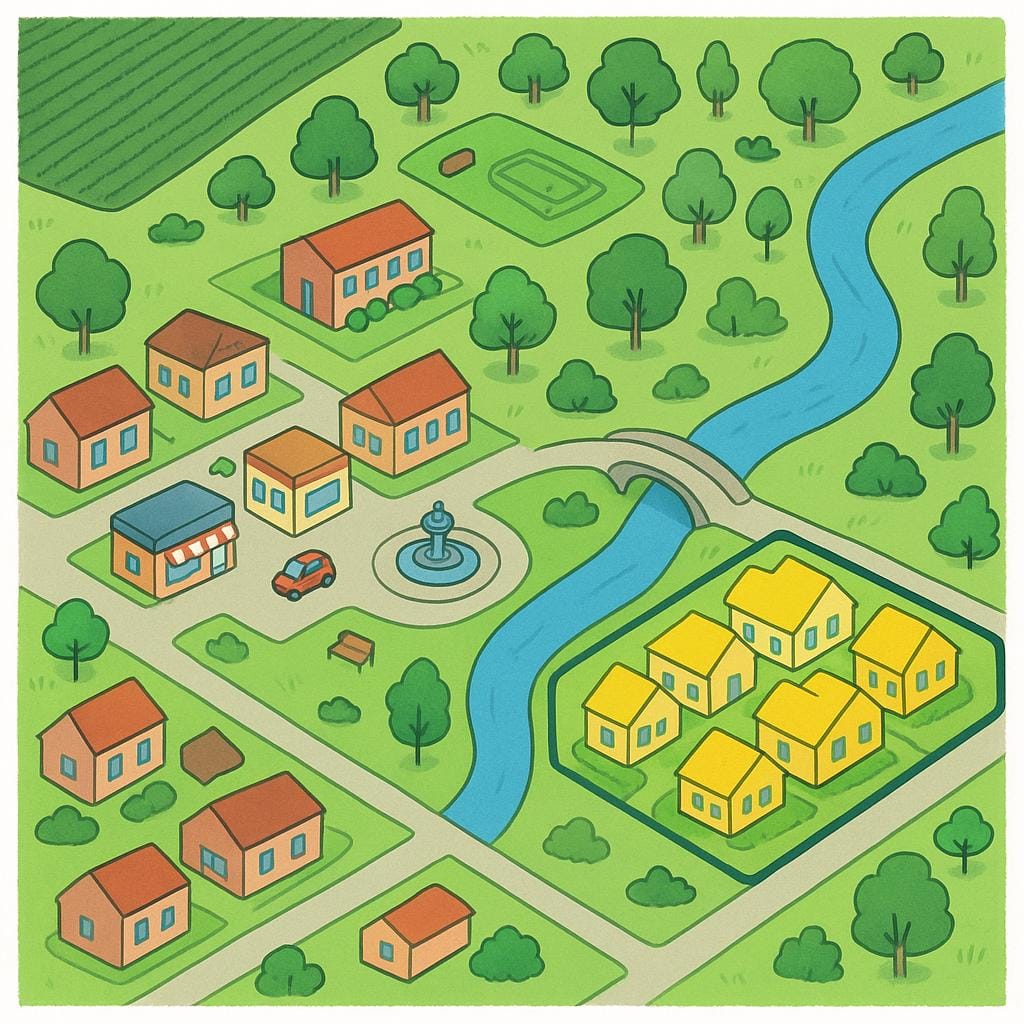
Examples
La policía acordonó ese sector de la ciudad después del accidente.
The police cordoned off that sector of the city after the accident.
Este sector del estadio ofrece una mejor vista del campo.
This section of the stadium offers a better view of the field.
El mapa muestra los sectores asignados a cada equipo de limpieza.
The map shows the zones assigned to each cleaning crew.
Zona vs. Área
Related Translations
Learn Spanish with Inklingo
Interactive stories, personalized learning, and more.