comuna
“comuna” means “district” in Spanish. It has 2 different meanings depending on context:
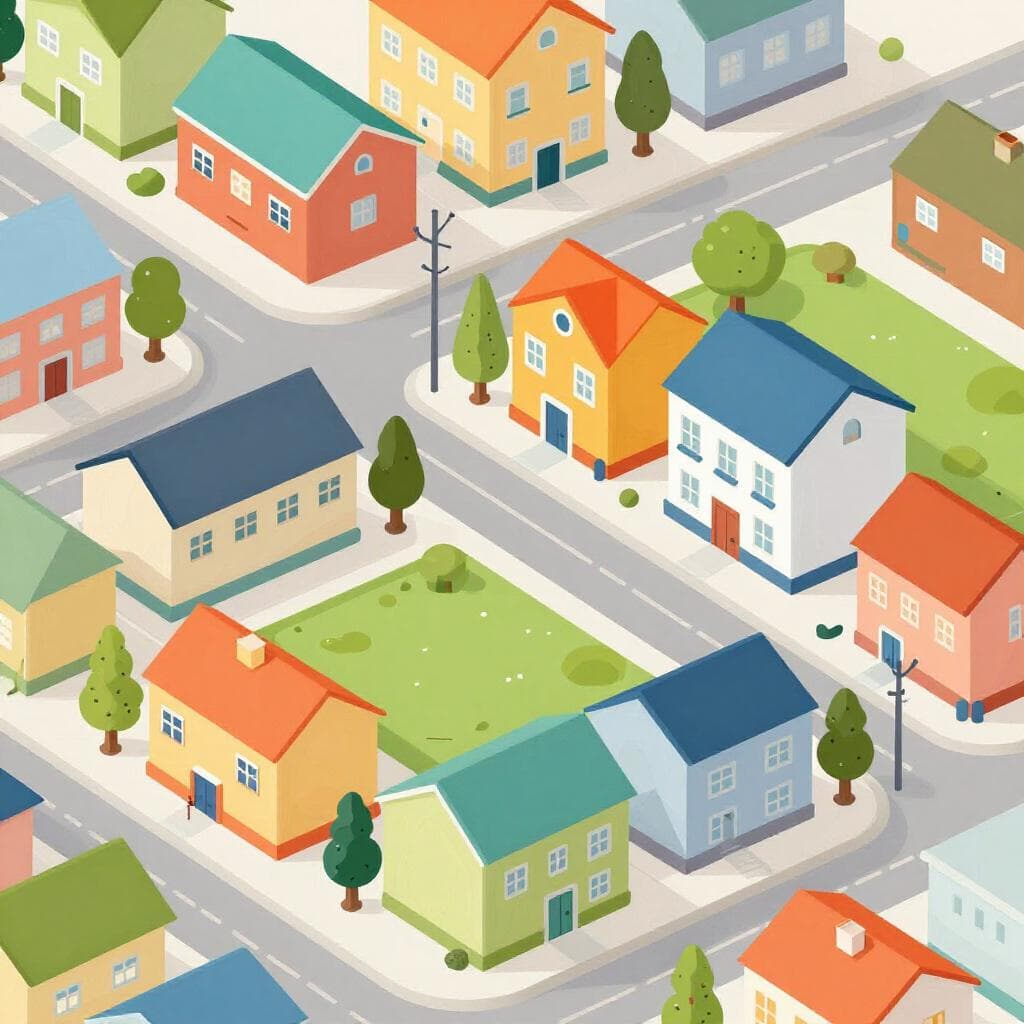

districtAlso: neighborhood, municipality
📝 In Action
Vivo en la comuna de Providencia.
A1I live in the Providencia district.
¿En qué comuna queda ese museo?
A2In which district is that museum located?
La alcaldesa de la comuna anunció nuevas obras en el parque.
B1The district mayor announced new works in the park.
Word Connections
communeAlso: collective

📝 In Action
Ellos decidieron irse a vivir a una comuna en el campo.
B1They decided to go live in a commune in the countryside.
La Comuna de París fue un breve gobierno revolucionario.
C1The Paris Commune was a brief revolutionary government.
En la comuna, todos compartían las tareas y la comida.
B2In the commune, everyone shared the chores and the food.
Word Connections
Translate to Spanish
Words that translate to "comuna" in Spanish:
✏️ Quick Practice
Quick Quiz: comuna
Question 1 of 3
If you are in Santiago de Chile and someone asks for your 'comuna', what are they asking?
📚 More Resources
👥 Word Family
📚 Etymology
From the Latin word 'communa', meaning 'things held in common' or 'a community.' It shares the same roots as the English words 'common' and 'community'.
First recorded: 13th century
Cognates (Related words)
💡 Master Spanish
Take your Spanish to the next level. Read 200+ illustrated and narrated Spanish stories tailored to your level with the Inklingo app!
Frequently Asked Questions
Is 'comuna' the same as 'neighborhood'?
Almost! While 'barrio' is the informal word for neighborhood, 'comuna' is the official, administrative name for a group of neighborhoods in countries like Chile and Colombia.
Do people in Spain use the word 'comuna'?
Rarely for city areas. In Spain, they prefer 'distrito' or 'municipio'. In Spain, 'comuna' usually refers to a hippie-style collective living group.
How do I say 'District 13' in Spanish?
In Colombia, specifically Medellín, you would say 'La Comuna Trece'.