How to Say "neighborhood" in Spanish
The most common Spanish word for “neighborhood” is “barrio” — use 'barrio' to refer to a general urban or town area, often with a distinct character or identity.
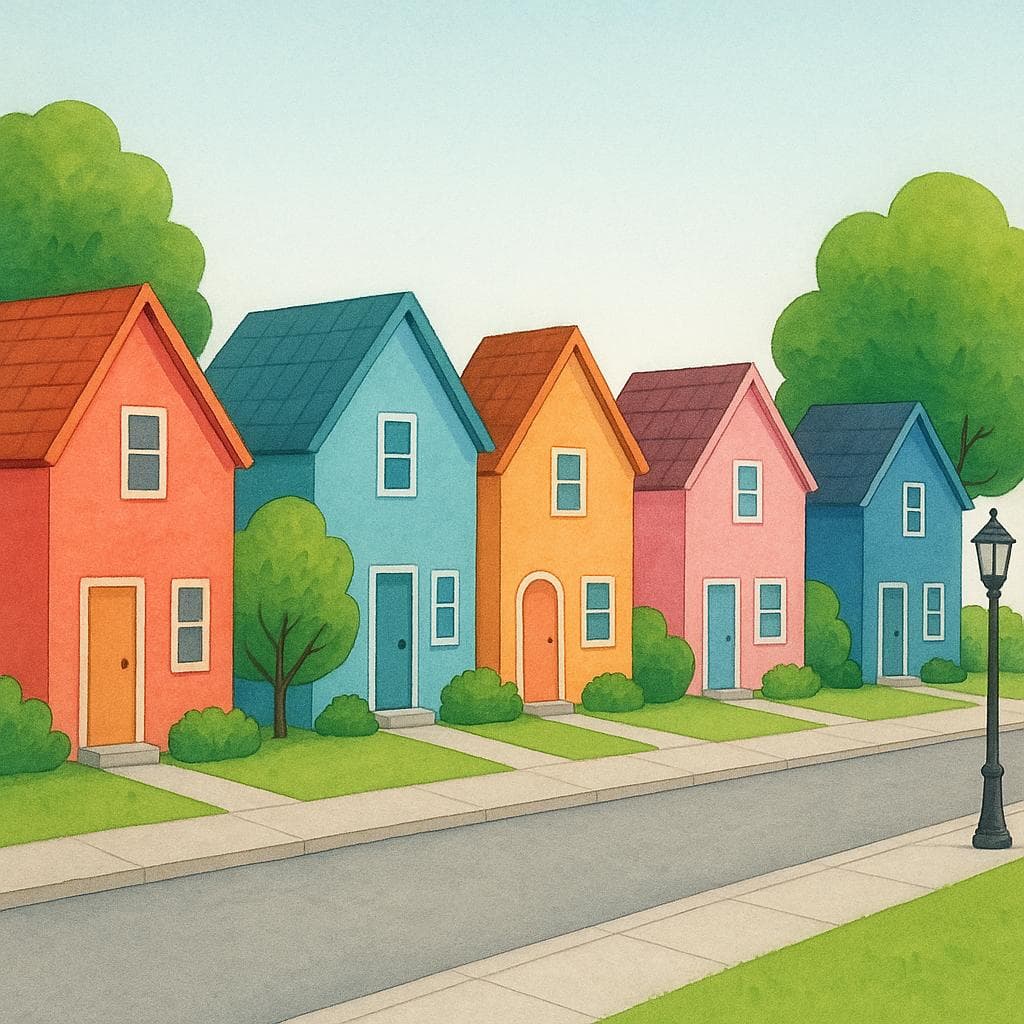
Use 'barrio' to refer to a general urban or town area, often with a distinct character or identity.
Learn more →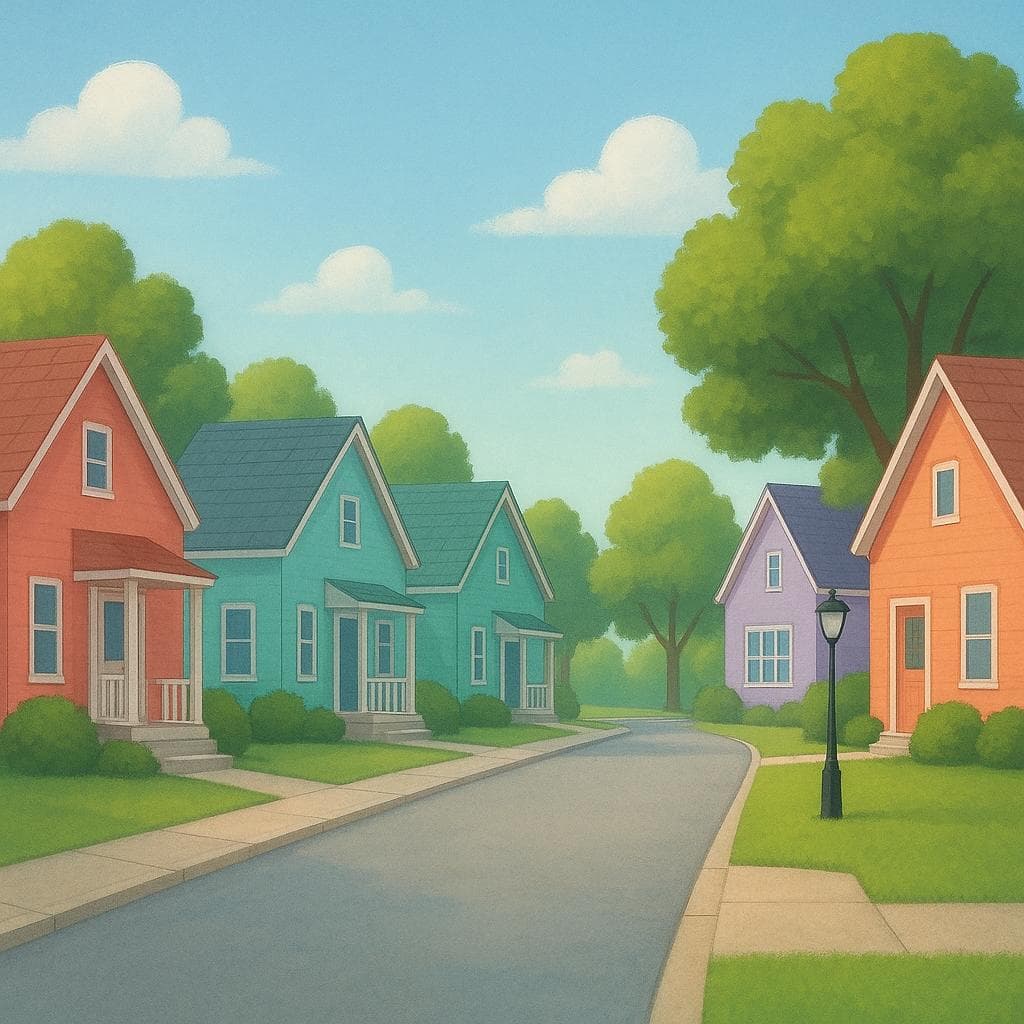
Use 'vecindario' when referring to the immediate vicinity or the group of people living closest to you.
Learn more →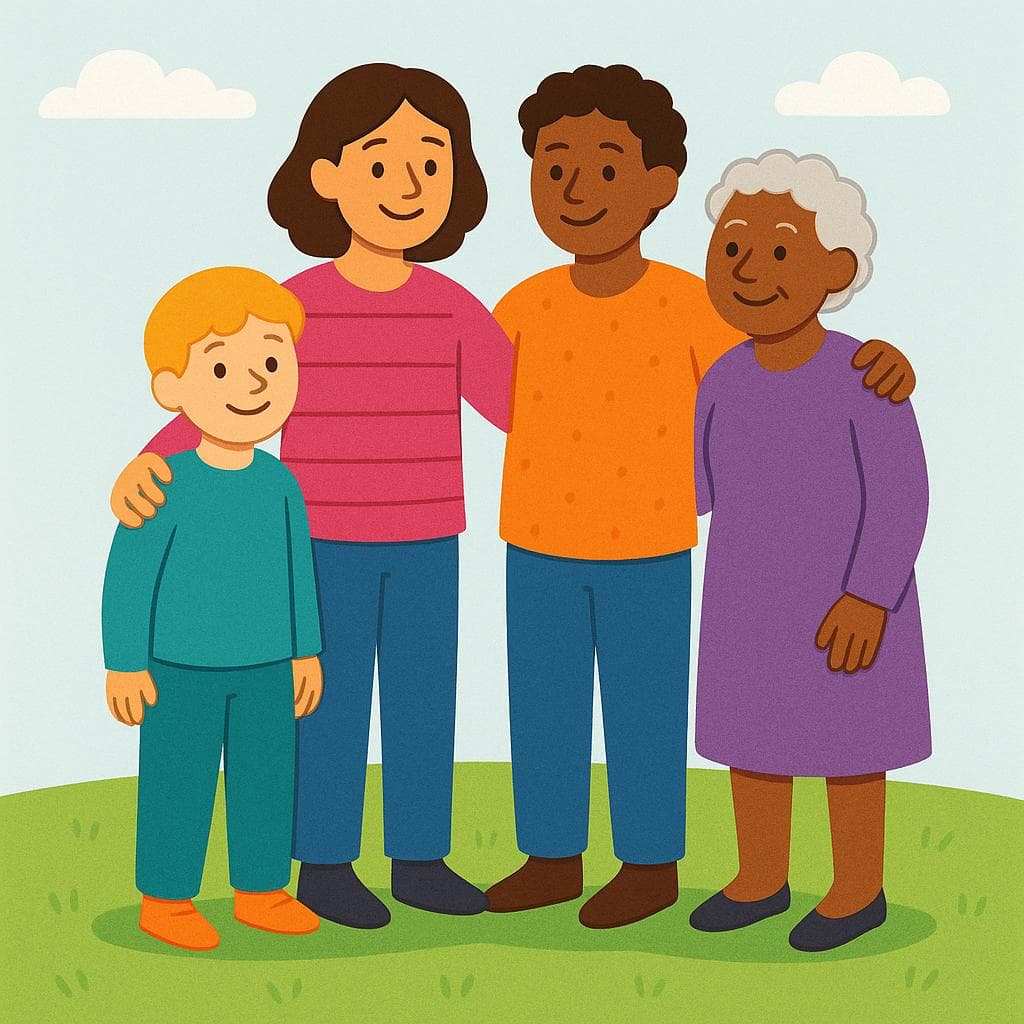
Use 'comunidad' when emphasizing the people living in an area and their shared social connections or activities.
Learn more →
Use 'local' as an adjective to describe something that belongs to or is typical of a particular place or neighborhood.
Learn more →
Primarily used in Mexico, 'colonia' refers to an urban district or neighborhood, similar to 'barrio'.
Learn more →
Often used in certain Latin American countries like Chile, 'comuna' refers to a local administrative or urban area.
Learn more →BAH-rryoˈba.rjo
Examples
¿En qué barrio vives de Madrid?
Which neighborhood of Madrid do you live in?
Este barrio tiene muchas tiendas pequeñas y cafés.
This district has many small shops and cafes.
El ayuntamiento está planeando mejorar los parques del barrio residencial.
The city council is planning to improve the parks in the residential neighborhood.
Masculine Noun Rule
Since 'barrio' is a masculine noun, always use the masculine articles: 'el barrio' (the neighborhood) or 'un barrio' (a neighborhood).
Confusing 'barrio' and 'pueblo'
Mistake: “Using 'barrio' when referring to a small, separate town.”
Correction: A 'barrio' is a part of a larger city. If it's a small town outside a major city, use 'pueblo'.
veh-seen-DAHR-ee-ohbesinˈdaɾjo
Examples
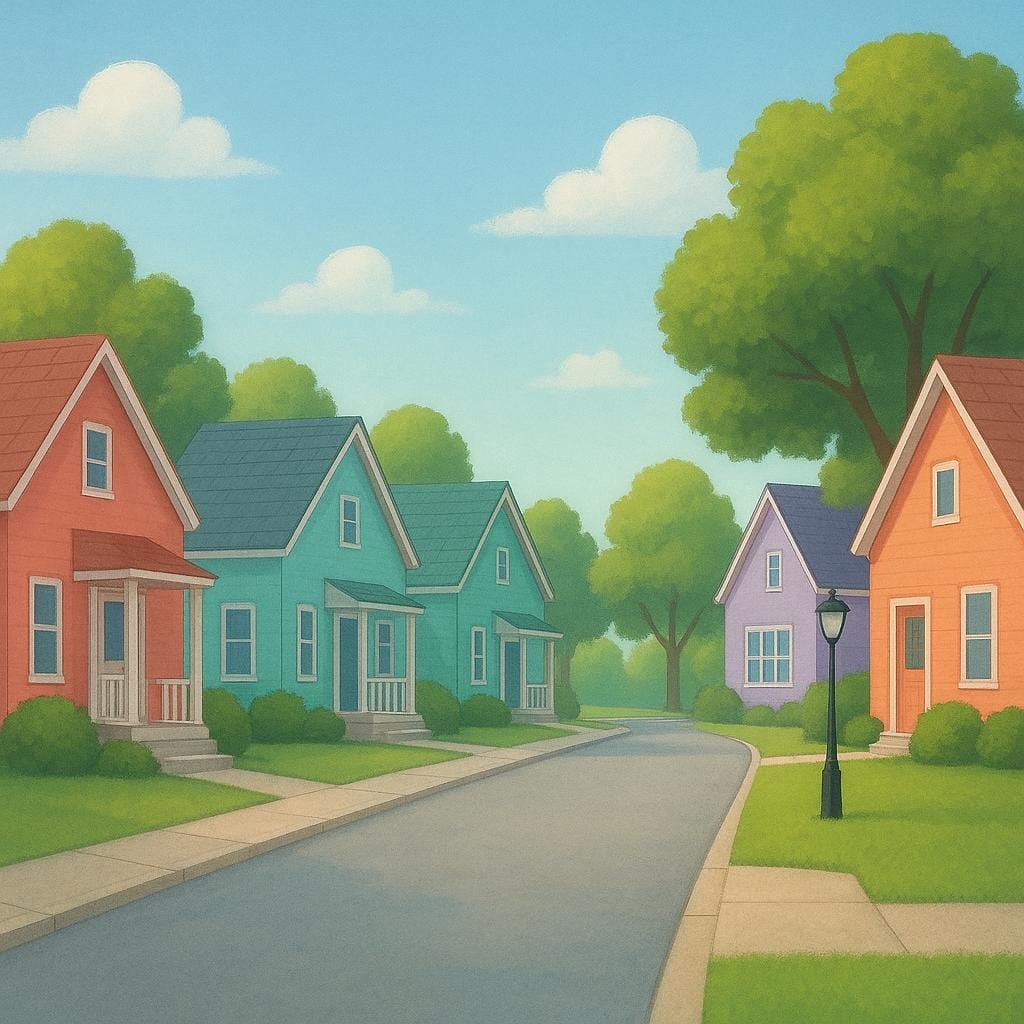
Mi vecindario es muy tranquilo y seguro.
My neighborhood is very quiet and safe.
Necesitamos mejorar la iluminación en todo el vecindario.
We need to improve the lighting throughout the entire neighborhood.
Todo el vecindario se reunió para la fiesta anual.
The whole community (neighborhood) gathered for the annual party.
Masculine Noun Rule
Since 'vecindario' ends in '-o', it is a masculine word and always uses 'el' or 'un' (el vecindario, un vecindario).
Confusing 'vecindario' and 'vecino'
Mistake: “Using 'vecino' when you mean the place.”
Correction: 'Vecindario' is the place (the neighborhood). 'Vecino' is the person (the neighbor).
koh-moo-nee-DAHDkomuˈniðað
Examples
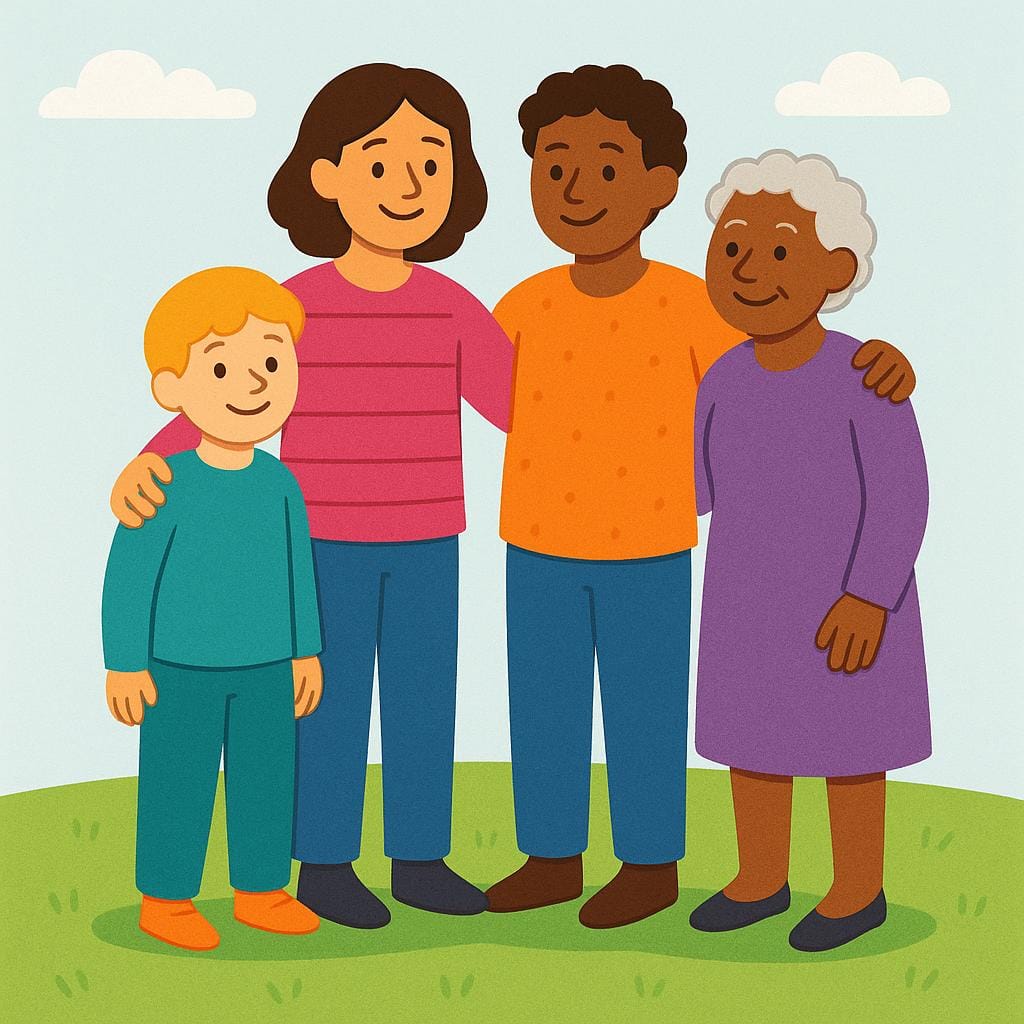
La comunidad local organizó una limpieza del parque.
The local community organized a park cleanup.
Vivimos en una comunidad de vecinos muy tranquila.
We live in a very peaceful neighborhood community (of residents).
Él es un miembro activo de la comunidad científica.
He is an active member of the scientific community.
Feminine Noun Pattern
Words in Spanish that end in '-dad' (like ciudad, verdad, libertad) are almost always feminine, even though they don't end in the letter 'a'. Remember to use 'la' or 'una' with them.
Gender Confusion
Mistake: “El comunidad”
Correction: La comunidad. Since it ends in -dad, it is feminine.
lo-CALloˈkal

Examples
Queremos probar la comida local, no la turística.
We want to try the local food, not the touristy stuff.
La oficina central está en Madrid, pero tenemos muchas sucursales locales.
The main office is in Madrid, but we have many local branches.
Stays the Same
Unlike many Spanish adjectives, 'local' ends in -L and is the same for masculine and feminine nouns. The plural is always 'locales'.
Don't Change the Ending
Mistake: “La escuela locala.”
Correction: La escuela local. (It doesn't end in 'a' for feminine nouns.)
koh-LOH-nee-ahkoˈlo.nja

Examples
Mi casa está en una colonia muy céntrica.
My house is in a very central neighborhood.
La India fue una colonia británica durante muchos años.
India was a British colony for many years.
Necesito ir a la colonia Condesa; ¿sabes cómo llegar?
I need to go to the Condesa neighborhood; do you know how to get there?
Always Feminine
Even when talking about a large territory or a large district, 'colonia' is always a feminine noun, requiring 'la' or 'una'.
ko-MOO-nahkoˈmuna

Examples
Vivo en la comuna de Providencia.
I live in the district of Providencia.
¿En qué comuna queda ese museo?
In which district is that museum located?
La alcaldesa de la comuna anunció nuevas obras en el parque.
The district mayor announced new works in the park.
Always Feminine
This word is always feminine, so you must use 'la' or 'una' before it.
Location Prepositions
When saying you are 'in' a district, use 'en la comuna de' followed by the name.
Confusing with Community
Mistake: “Hablé con la comuna local.”
Correction: Hablé con la comunidad local.
Barrio vs. Vecindario vs. Comunidad
The most common confusion is between 'barrio', 'vecindario', and 'comunidad'. 'Barrio' is the most general term for an urban area. 'Vecindario' focuses more on the immediate streets and neighbors. 'Comunidad' emphasizes the people and their social connections, rather than just the physical space.
Related Translations
Learn Spanish with Inklingo
Interactive stories, personalized learning, and more.