tierras
“tierras” means “lands” in Spanish. It has 2 different meanings depending on context:
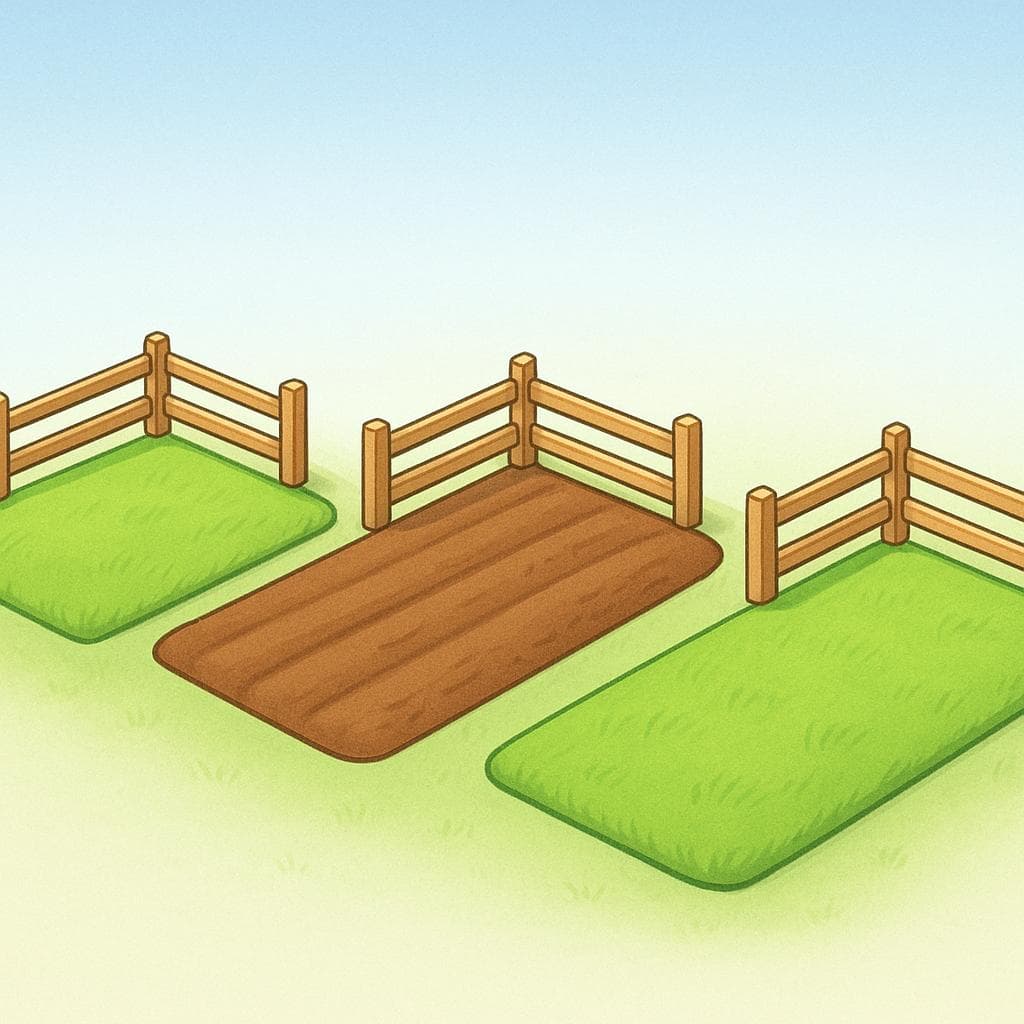
lands, territories
Also: holdings
📝 In Action
El duque poseía las tierras más fértiles de la región.
B1The duke owned the most fertile lands in the region.
Viajaremos a tierras lejanas el próximo verano.
B2We will travel to distant territories next summer.
Las tierras de cultivo fueron divididas entre los herederos.
B1The farming lands were divided among the heirs.
soils
Also: earths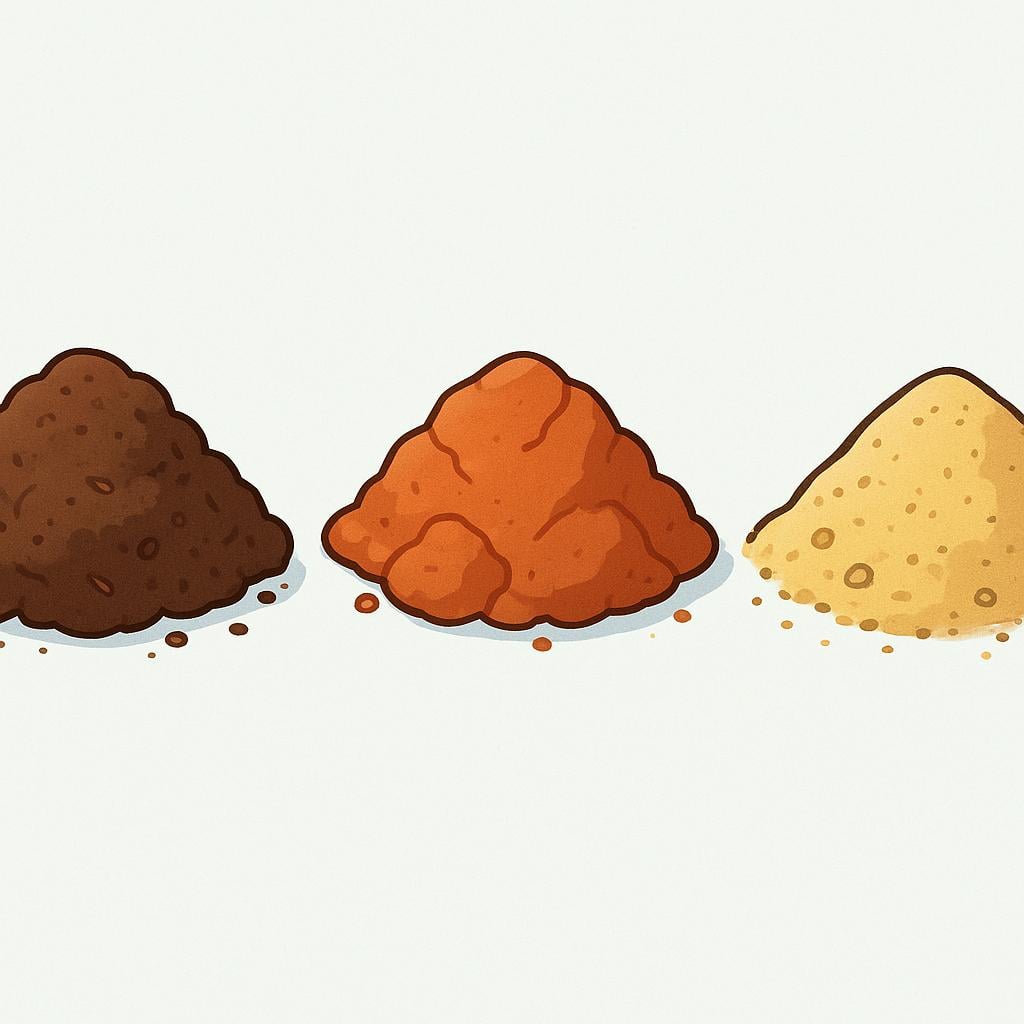
📝 In Action
Las diferentes tierras requieren distintos fertilizantes.
B2The different soils require different fertilizers.
Analizamos las tierras para ver si eran aptas para la uva.
C1We analyzed the soils to see if they were suitable for grapes.
Vocabulary Collections
Translate to Spanish
✏️ Quick Practice
Quick Quiz: tierras
Question 1 of 2
Which sentence correctly uses 'tierras' to refer to owned property?
📚 More Resources
👥 Word Family▼
📚 Etymology▼
The word comes directly from the Latin word *terra*, meaning 'earth' or 'land.' The plural form simply extends this idea to cover multiple plots or types of ground.
First recorded: Before the 10th century (as *tierra*)
Cognates (Related words)
💡 Master Spanish
Take your Spanish to the next level. Read 200+ illustrated and narrated Spanish stories tailored to your level with the Inklingo app!
Frequently Asked Questions
What is the difference between 'tierra' and 'tierras'?
'Tierra' (singular) is used for the planet Earth, generic soil/dirt (uncountable), or a single country/homeland. 'Tierras' (plural) is used for specific, countable plots of land (property) or when referring to different types of soil (e.g., 'the various soils of the region').
Can 'tierras' refer to a whole country?
Yes, but usually in a poetic or formal way, meaning 'lands' or 'domains.' For example, 'Las tierras de España' (The lands of Spain).