How to Say "lands" in Spanish
The most common Spanish word for “lands” is “tierras” — use 'tierras' when referring to areas of ground, especially as property or territory owned or controlled by someone.
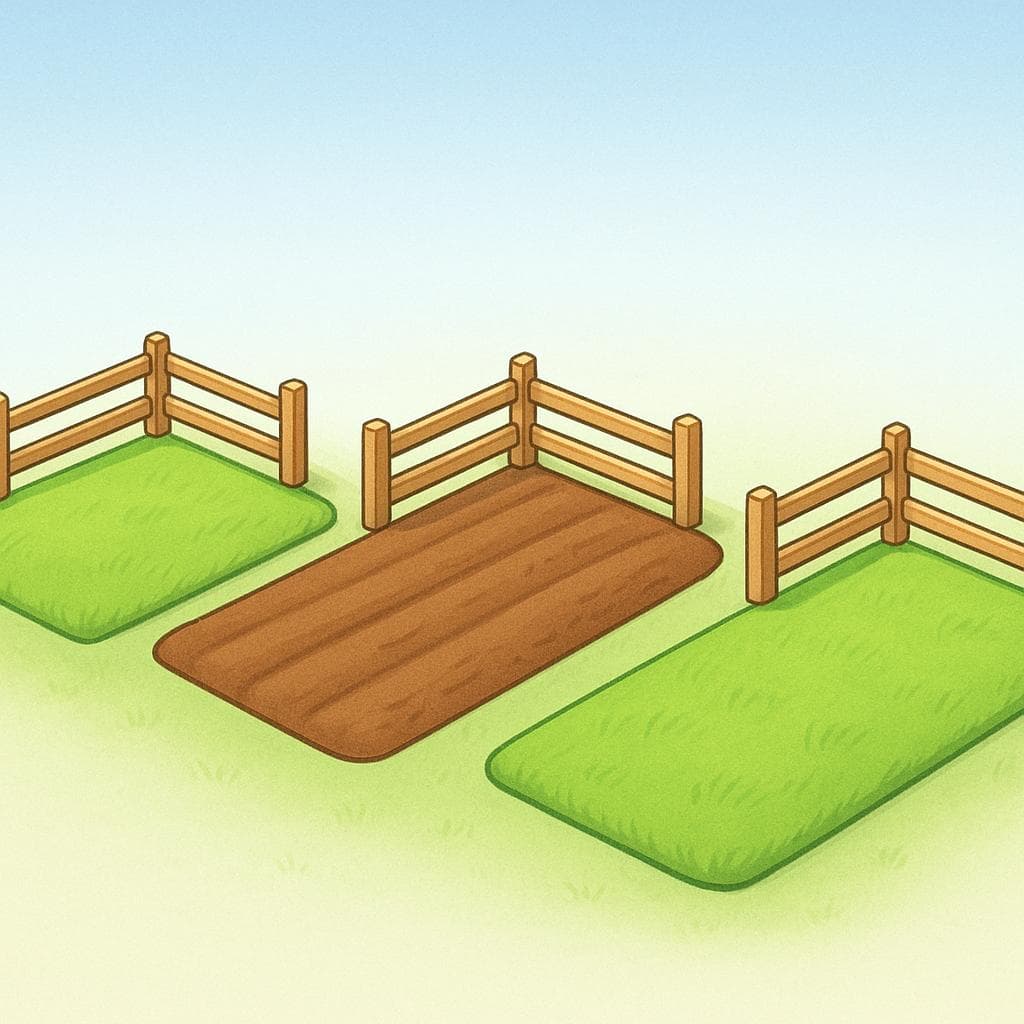

tierras
tee-EH-rrahsˈtje.ras
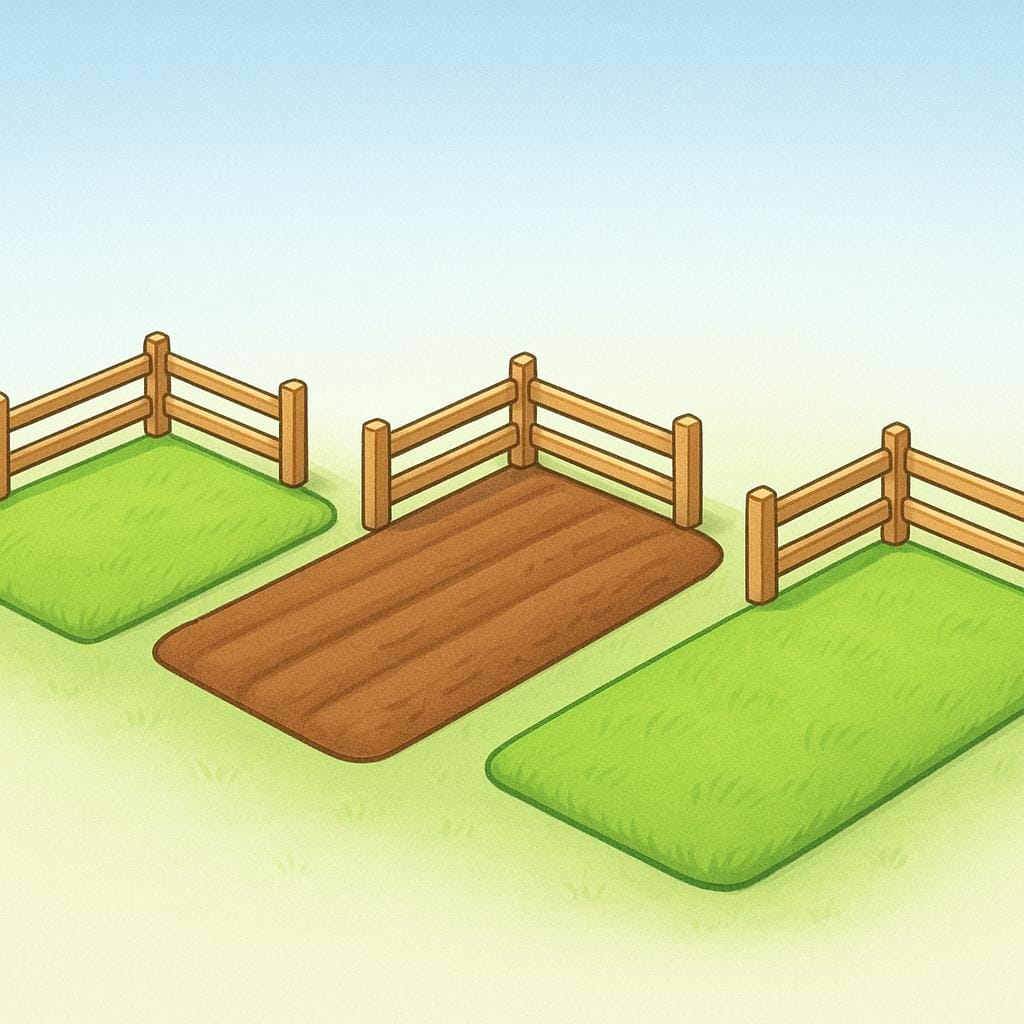
Examples
El granjero cultivó sus tierras con esmero.
The farmer cultivated his lands with care.
El duque poseía las tierras más fértiles de la región.
The duke owned the most fertile lands in the region.
Viajaremos a tierras lejanas el próximo verano.
We will travel to distant territories next summer.
Las tierras de cultivo fueron divididas entre los herederos.
The farming lands were divided among the heirs.
Plurality of Area
When referring to multiple distinct plots of land or large geographical regions, use the plural 'tierras'.
Confusing Singular/Plural
Mistake: “Using 'tierra' when talking about several plots of property.”
Correction: Use 'tierras' (plural) when you mean countable plots of land or specific regions.
países
Examples
Exploraremos muchos países en nuestro viaje.
We will explore many countries on our trip.
cae
kah-ehˈka.e

Examples
Mi cumpleaños cae en martes este año.
My birthday falls on a Tuesday this year.
Este año, el Día de Reyes cae en domingo.
This year, Three Kings Day falls (or happens) on a Sunday.
El golpe cae justo en el centro de la mesa.
The blow lands right in the center of the table.
¿Cuándo cae tu cumpleaños?
When does your birthday fall?
Confusing 'lands' with 'countries'
Related Translations
Learn Spanish with Inklingo
Interactive stories, personalized learning, and more.