cráter
“cráter” means “crater” in Spanish. It has 2 different meanings depending on context:

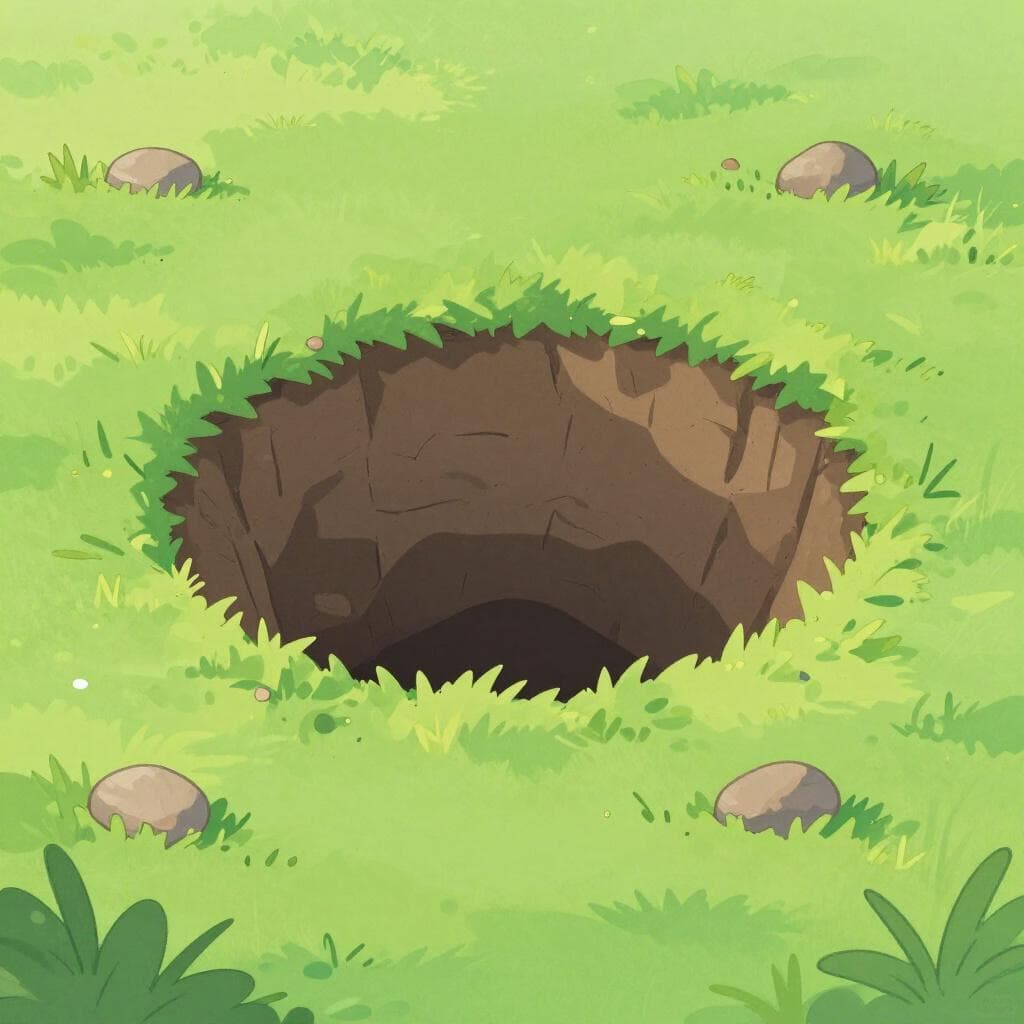
crater
Also: vent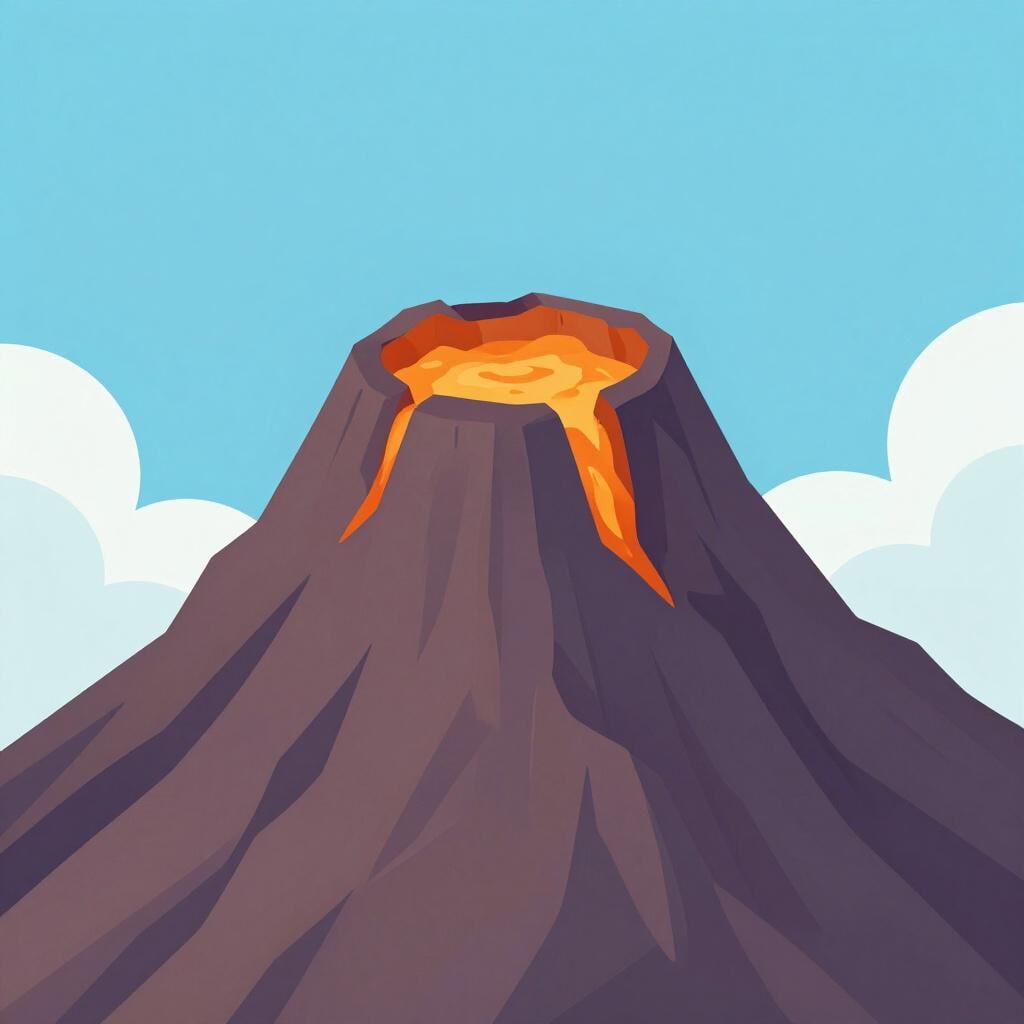
📝 In Action
El cráter del volcán está lleno de ceniza.
A2The volcano's crater is full of ash.
Los científicos volaron sobre el cráter para tomar fotos.
B1The scientists flew over the crater to take photos.
Es peligroso caminar cerca del borde del cráter.
B1It is dangerous to walk near the edge of the crater.
crater
Also: pothole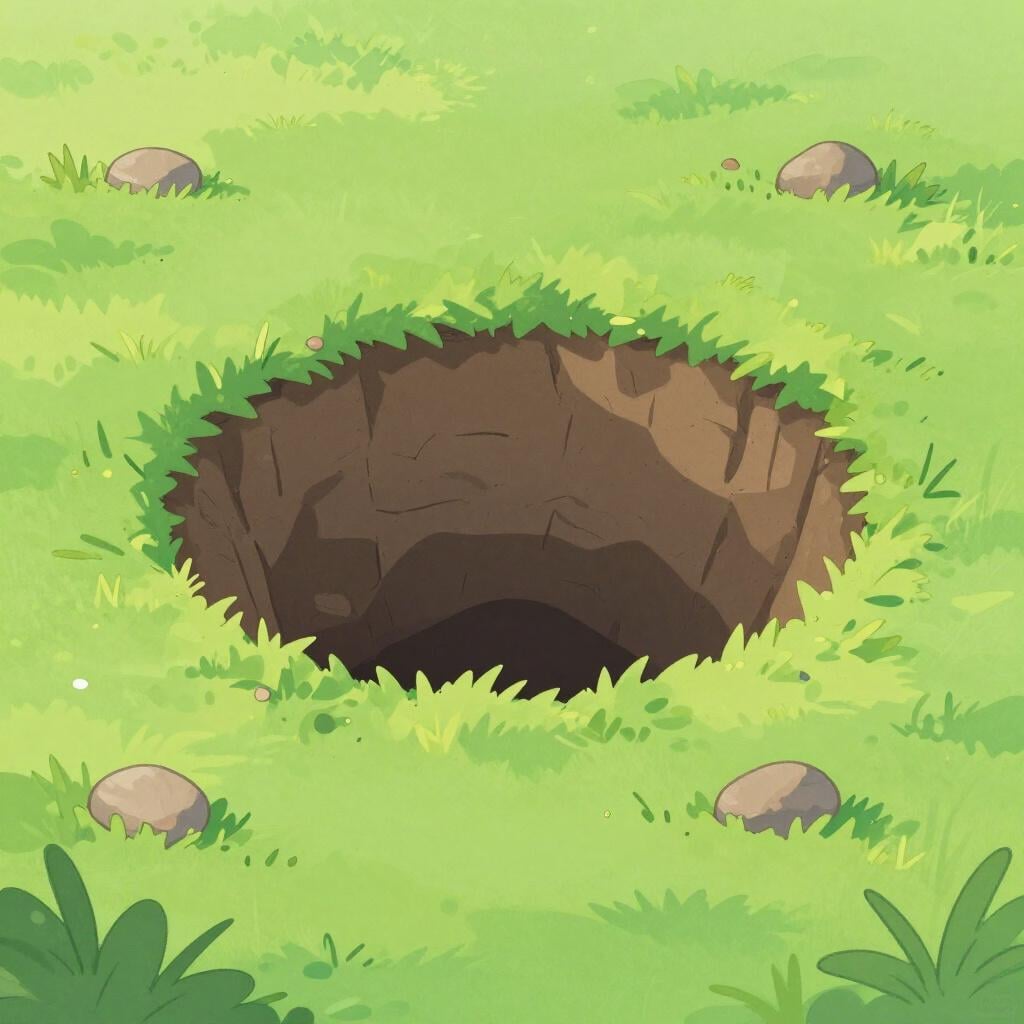
📝 In Action
La Luna tiene miles de cráteres visibles con un telescopio.
B1The Moon has thousands of craters visible with a telescope.
El meteorito dejó un cráter enorme en el desierto.
B2The meteorite left a huge crater in the desert.
¡Hay un cráter en medio de la calle!
B2There's a massive hole (crater) in the middle of the street!
✏️ Quick Practice
Quick Quiz: cráter
Question 1 of 3
Which of these is the correct plural form of 'cráter'?
📚 More Resources
👥 Word Family▼
🎵 Rhymes▼
📚 Etymology▼
From the Greek word 'krater', which originally meant a large bowl used for mixing wine and water. The word moved into Latin and then Spanish, evolving from a 'bowl' to describing the bowl-like shape of a volcano's opening.
First recorded: 16th century
Cognates (Related words)
💡 Master Spanish
Take your Spanish to the next level. Read 200+ illustrated and narrated Spanish stories tailored to your level with the Inklingo app!
Frequently Asked Questions
Is 'cráter' masculine or feminine?
It is masculine: 'el cráter' or 'un cráter'.
Why does 'cráter' have an accent mark?
In Spanish, words ending in 'r' usually stress the last syllable (like 'comer'). Since we want the stress on the first syllable of 'cráter', we must use a written accent to break that rule.
Can I use 'cráter' for any hole?
Not really. It usually implies a bowl-shaped hole caused by something explosive or high-impact, like a volcano, a bomb, or a meteorite.