occidente
“occidente” means “west” in Spanish. It has 2 different meanings depending on context:

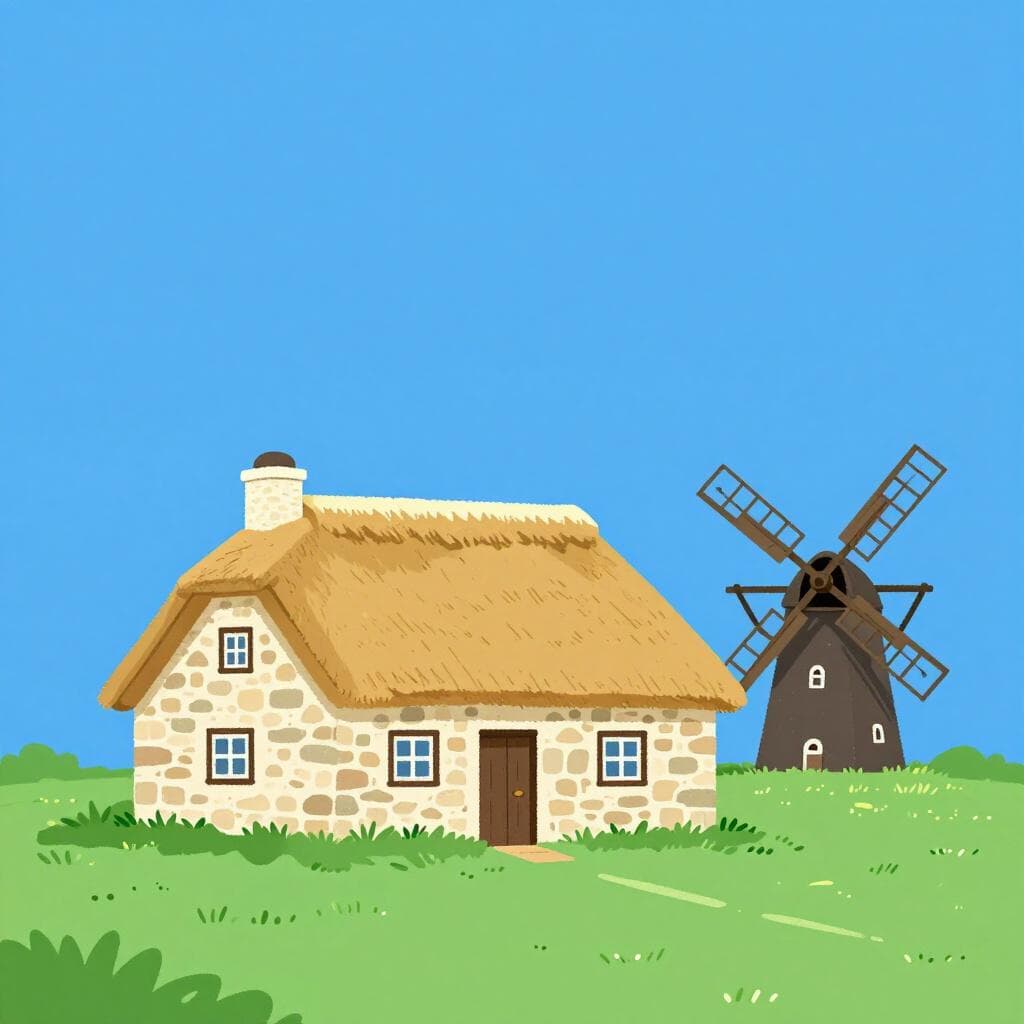
west
Also: western part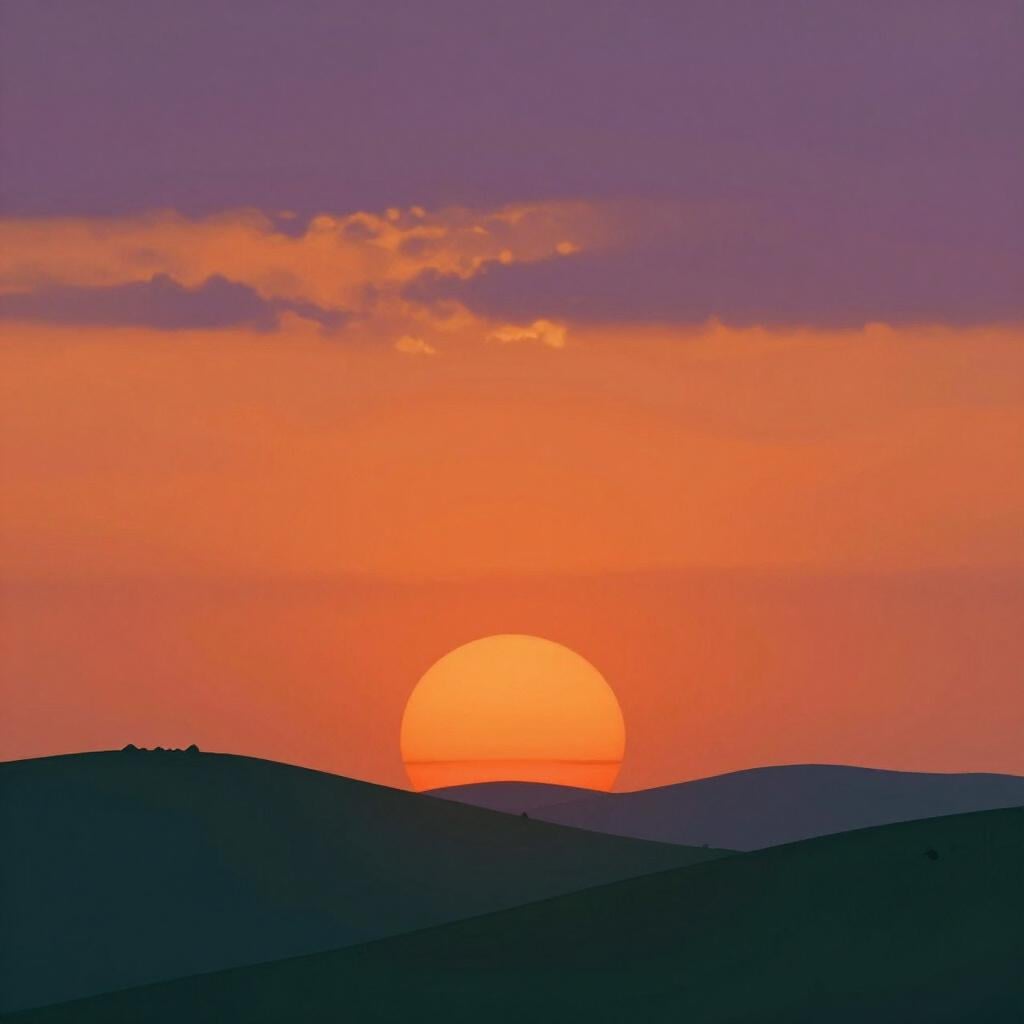
📝 In Action
El sol se pone por el occidente.
A1The sun sets in the west.
Mi familia vive en el occidente del país.
A2My family lives in the western part of the country.
Viajaremos hacia el occidente durante tres días.
B1We will travel toward the west for three days.
the West
Also: the Western world
📝 In Action
La democracia es un valor fundamental en Occidente.
B1Democracy is a fundamental value in the West.
Muchos filósofos de Occidente influyeron en la historia.
B2Many philosophers from the West influenced history.
Existen grandes diferencias culturales entre Oriente y Occidente.
C1There are great cultural differences between the East and the West.
Vocabulary Collections
Translate to Spanish
✏️ Quick Practice
Quick Quiz: occidente
Question 1 of 3
Which of these sentences is correct for describing the sun setting?
📚 More Resources
👥 Word Family▼
🎵 Rhymes▼
📚 Etymology▼
From the Latin word 'occidens', which means 'the setting sun' or 'falling down'. It comes from 'ob' (down) and 'cadere' (to fall).
First recorded: 13th century
Cognates (Related words)
💡 Master Spanish
Take your Spanish to the next level. Read 200+ illustrated and narrated Spanish stories tailored to your level with the Inklingo app!
Frequently Asked Questions
What is the difference between 'oeste' and 'occidente'?
'Oeste' is the basic word for the cardinal point West, used on maps and compasses. 'Occidente' is slightly more formal and often refers to a whole region or the cultural 'Western world'.
Is 'occidente' capitalized?
It is capitalized as 'Occidente' when it refers to the Western world as a cultural or political entity. When used just for the direction 'west', it is usually written in lowercase.
Why do people sometimes say 'poniente' instead?
'Poniente' literally means 'where the sun sets'. It is a poetic or nautical way to say 'west' and is commonly used in parts of Spain to describe winds or coastal areas.