diente
“diente” means “tooth” in Spanish. It has 2 different meanings depending on context:
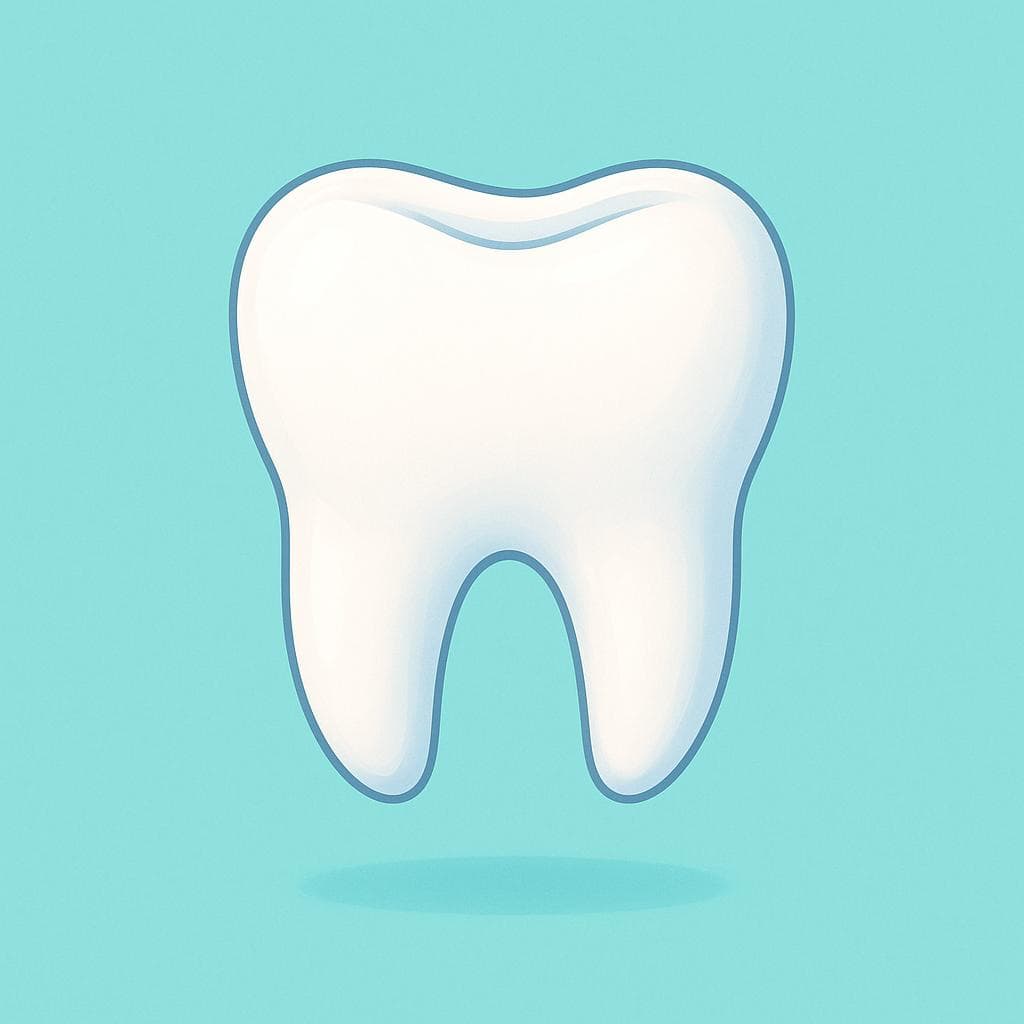

tooth
📝 In Action
Necesito ir al dentista porque me duele un diente.
A1I need to go to the dentist because a tooth hurts.
Los tiburones tienen muchas filas de dientes afilados.
A2Sharks have many rows of sharp teeth.
Mi hijo perdió su primer diente de leche hoy.
A2My son lost his first baby tooth today.
Word Connections
cogAlso: tine, blade/tooth

📝 In Action
La sierra de mano tiene muchos dientes para cortar madera.
B1The handsaw has many teeth/blades for cutting wood.
Si se rompe un diente del engranaje, la máquina deja de funcionar.
B2If a cog on the gear breaks, the machine stops working.
Word Connections
✏️ Quick Practice
Quick Quiz: diente
Question 1 of 2
Which Spanish phrase correctly describes the action of cleaning your teeth?
📚 More Resources
👥 Word Family
📚 Etymology
The word comes directly from the Latin *dens*, meaning 'tooth.' This ancient root is shared across many European languages, making related words easy to spot.
First recorded: 11th century
Cognates (Related words)
💡 Master Spanish
Take your Spanish to the next level. Read 200+ illustrated and narrated Spanish stories tailored to your level with the Inklingo app!
Frequently Asked Questions
Is 'diente' masculine or feminine?
'Diente' is always masculine: *el diente*. You should use masculine articles and adjectives with it.
What is the difference between 'diente' and 'muela'?
'Diente' is the general term for 'tooth.' 'Muela' specifically refers to a 'molar' or 'back tooth' used for grinding food.