dental
“dental” means “dental” in Spanish. It has 2 different meanings depending on context:
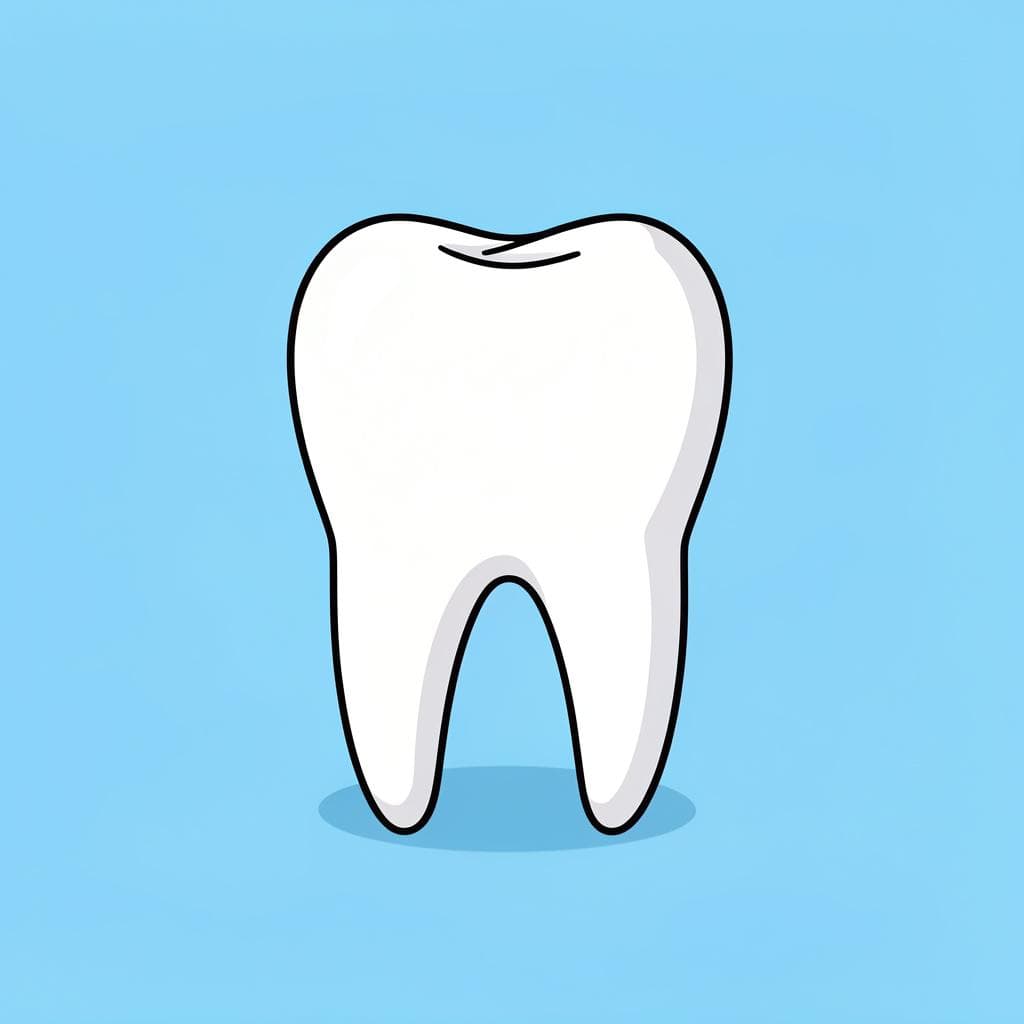

dental
Also: tooth-related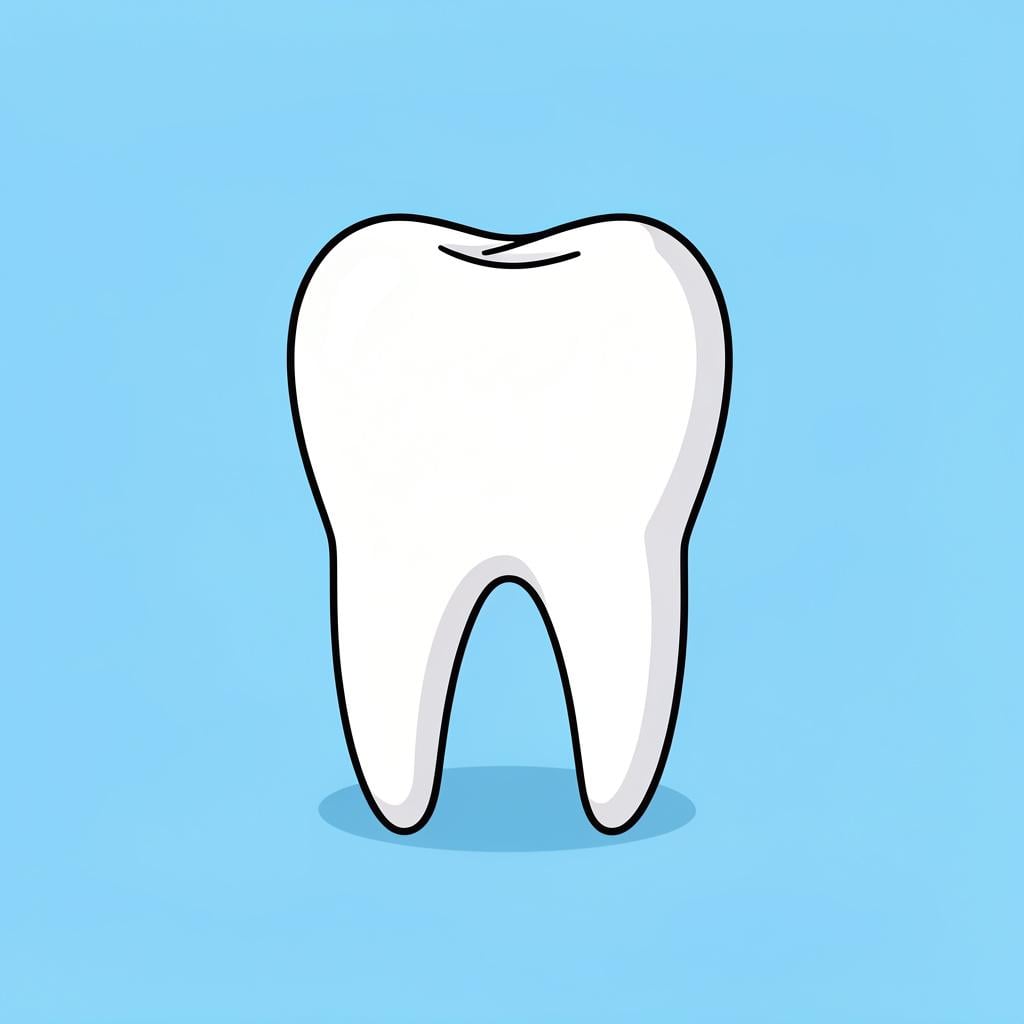
📝 In Action
Es importante mantener una buena higiene dental.
A2It is important to maintain good dental hygiene.
Tengo una cita en la clínica dental mañana.
A2I have an appointment at the dental clinic tomorrow.
Usa seda dental después de cepillarte.
B1Use dental floss after brushing.
dental

📝 In Action
En español, la 'd' es una consonante dental.
C1In Spanish, 'd' is a dental consonant.
Translate to Spanish
✏️ Quick Practice
Quick Quiz: dental
Question 1 of 2
Which of these common items uses the word 'dental'?
📚 More Resources
👥 Word Family▼
📚 Etymology▼
From the Latin word 'dentalis', which is built on 'dens' meaning 'tooth'. It is a direct cousin of the English word 'dental'.
First recorded: 13th century
Cognates (Related words)
💡 Master Spanish
Take your Spanish to the next level. Read 200+ illustrated and narrated Spanish stories tailored to your level with the Inklingo app!
Frequently Asked Questions
Is 'dental' used for both men and women?
In Spanish, 'dental' is a gender-neutral adjective. It stays the same whether the noun it describes is masculine (el consultorio dental) or feminine (la limpieza dental).
What is the difference between 'dental' and 'diente'?
'Diente' is the noun (the actual tooth), while 'dental' is the adjective used to describe things related to those teeth.