labial
“labial” means “lipstick” in Spanish. It has 2 different meanings depending on context:

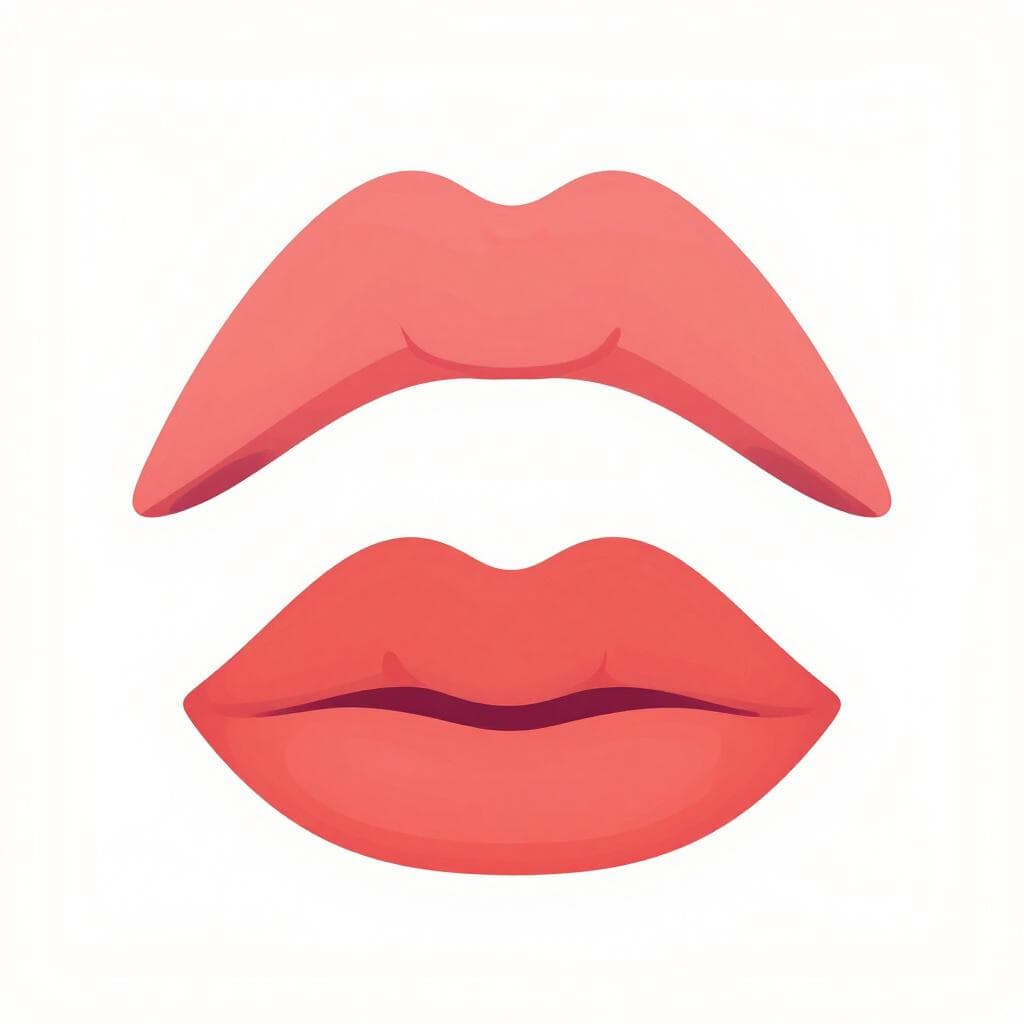
lipstick
Also: lip balm
📝 In Action
Me gusta mucho ese color de labial.
A1I really like that lipstick color.
¿Me prestas tu labial un momento?
A2Can I borrow your lipstick for a second?
Ella siempre lleva un labial rojo en su bolso por si tiene una reunión.
B1She always carries a red lipstick in her purse in case she has a meeting.
labial
Also: lip-related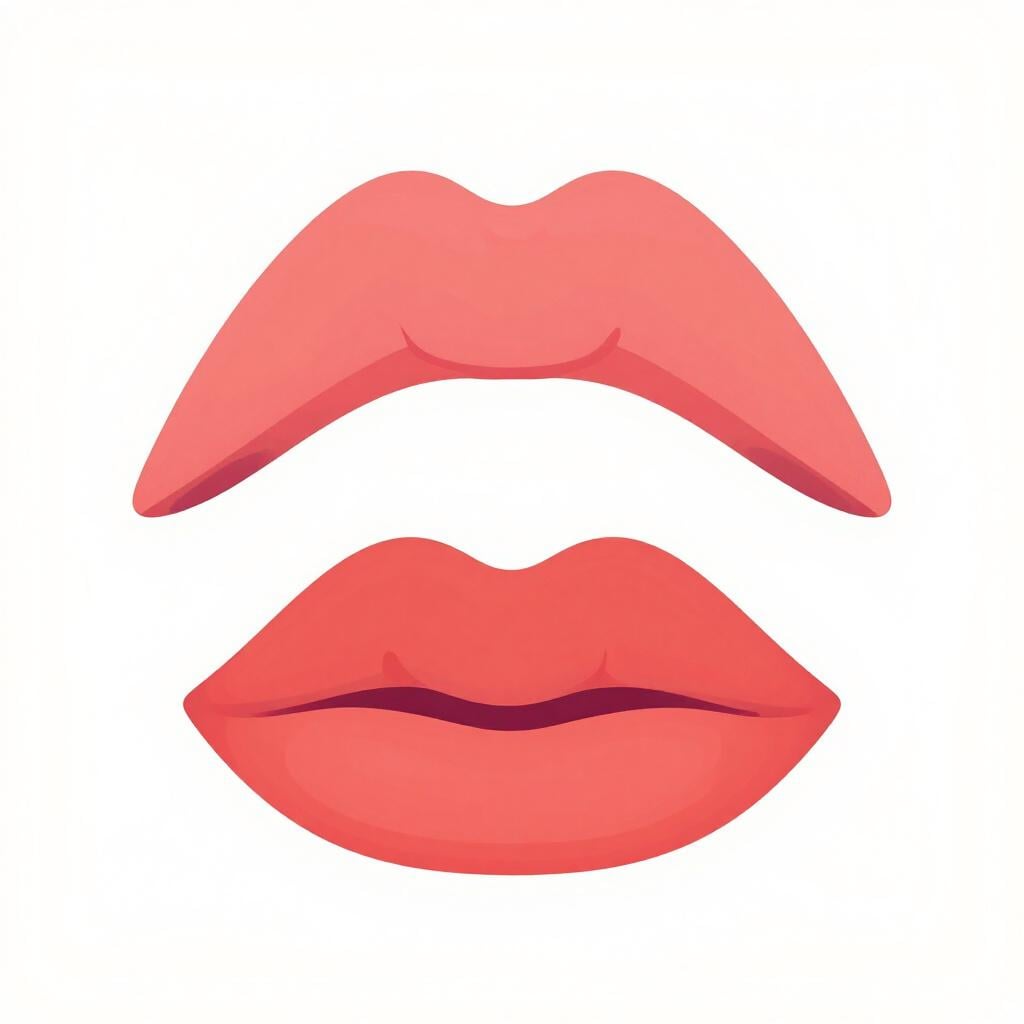
📝 In Action
Tengo un herpes labial que me duele mucho.
B1I have a cold sore (lip herpes) that hurts a lot.
El dentista dice que necesito una cirugía labial.
B2The dentist says I need lip surgery.
La 'b' es un sonido bilabial porque usas ambos labios.
C1The 'b' is a bilabial sound because you use both lips.
Translate to Spanish
✏️ Quick Practice
Quick Quiz: labial
Question 1 of 3
Which of these is the correct way to say 'the red lipstick'?
📚 More Resources
👥 Word Family▼
🎵 Rhymes▼
📚 Etymology▼
From the Latin word 'labium' meaning 'lip'. It follows a common pattern where Latin roots for body parts become scientific or descriptive adjectives in Spanish.
First recorded: 17th century
Cognates (Related words)
💡 Master Spanish
Take your Spanish to the next level. Read 200+ illustrated and narrated Spanish stories tailored to your level with the Inklingo app!
Frequently Asked Questions
Is 'labial' the same as 'brillo'?
Not exactly. 'Labial' usually refers to solid lipstick, while 'brillo' refers to lip gloss, which is shiny and often liquid.
Does 'labial' change to 'labiala' for feminine things?
No. Adjectives that end in 'l' like 'labial', 'final', or 'total' use the same form for both masculine and feminine nouns.
What is the difference between 'labial' and 'lápiz labial'?
They refer to the same thing. 'Lápiz labial' is just a more specific way of saying 'lip pencil' or 'lipstick stick', but most people just say 'labial' for short.