puerto
“puerto” means “port” in Spanish. It has 2 different meanings depending on context:
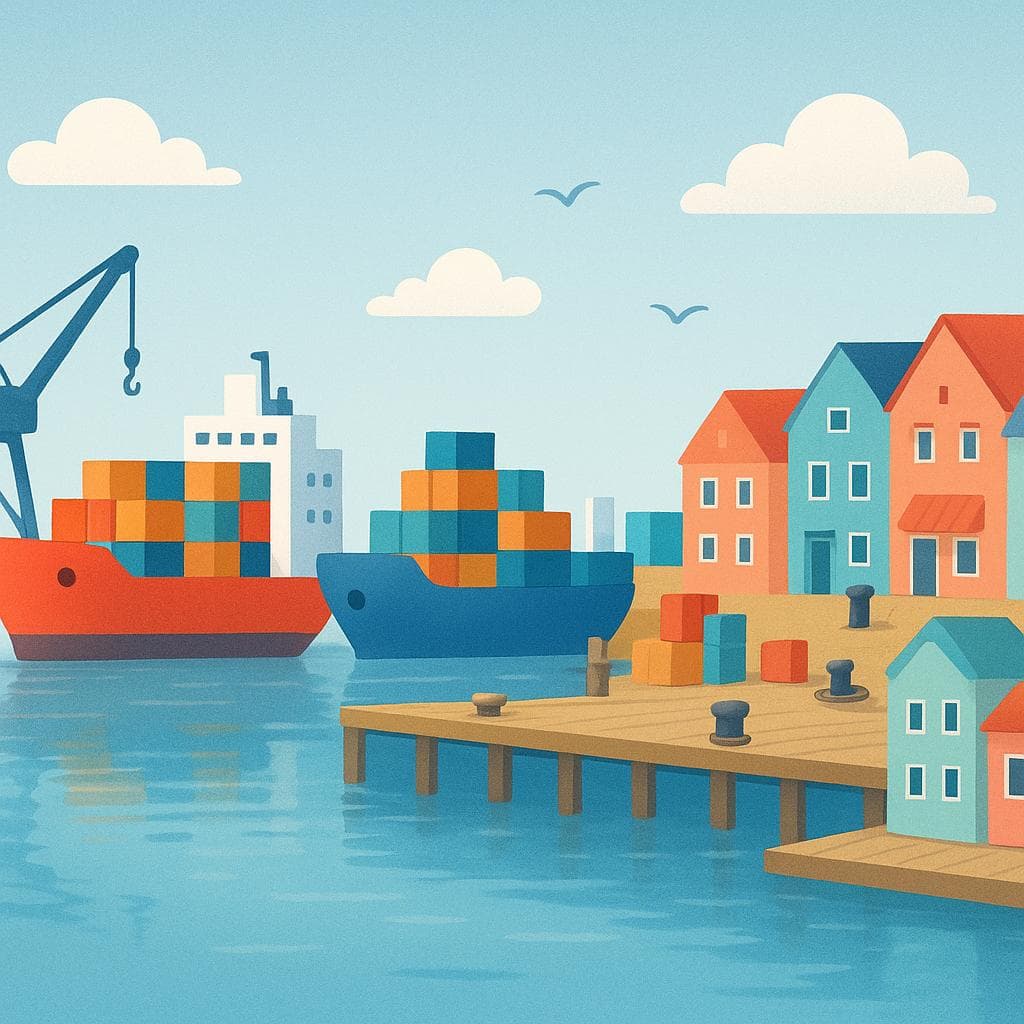

port, harbor
Also: haven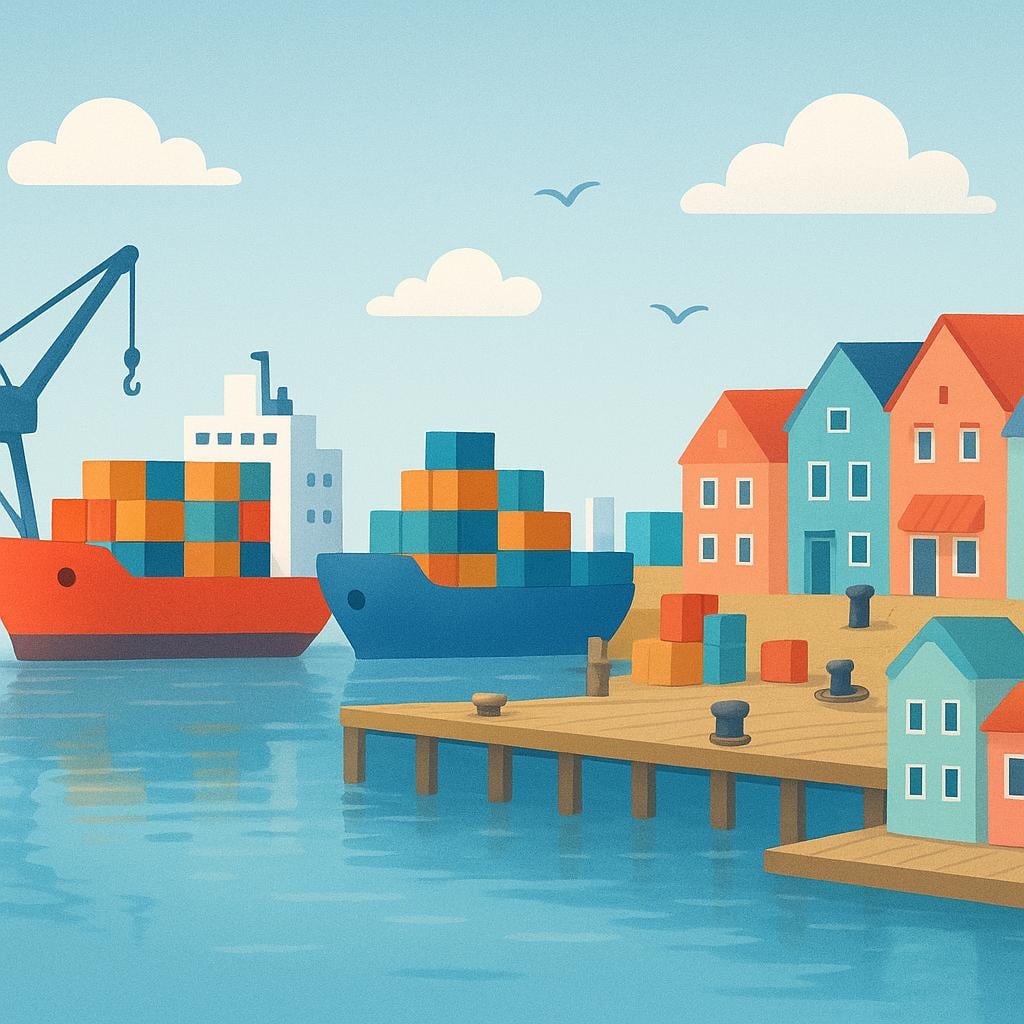
📝 In Action
El crucero atracó en el puerto de Barcelona esta mañana.
A1The cruise ship docked in the port of Barcelona this morning.
Necesitamos un buen puerto para protegernos de la tormenta.
A2We need a good harbor to protect ourselves from the storm.
mountain pass
Also: gap
📝 In Action
La carretera sube hasta el puerto de montaña a 2000 metros.
B1The road climbs up to the mountain pass at 2000 meters.
Tuvimos que cerrar el puerto por la nieve.
B2We had to close the mountain pass because of the snow.
Vocabulary Collections
Translate to Spanish
✏️ Quick Practice
Quick Quiz: puerto
Question 1 of 1
Which sentence uses 'puerto' in the sense of a geographical passage, not a maritime location?
📚 More Resources
👥 Word Family▼
📚 Etymology▼
Comes directly from the Latin word *portus*, which meant 'harbor,' 'haven,' or 'place of refuge.' This common root also gave us the English words 'port' and 'portal.'
First recorded: Pre-10th century (as Old Spanish 'puerto')
Cognates (Related words)
💡 Master Spanish
Take your Spanish to the next level. Read 200+ illustrated and narrated Spanish stories tailored to your level with the Inklingo app!
Frequently Asked Questions
Is 'puerto' related to the verb 'portar' (to carry)?
Yes, they share the same deep Latin root *portare* (to carry or bring). A port or harbor is a place where goods are 'carried' and brought in or out, and a mountain pass is a route that 'carries' traffic across a high barrier.
How can I tell if someone means 'port' or 'mountain pass'?
Context is key! If they mention ships, docks, or the sea, it means 'port.' If they mention mountains, snow, cycling, or high altitude, it means 'mountain pass.' Often, they will clarify with 'puerto de montaña.'