paso
“paso” means “step” in Spanish. It has 3 different meanings depending on context:


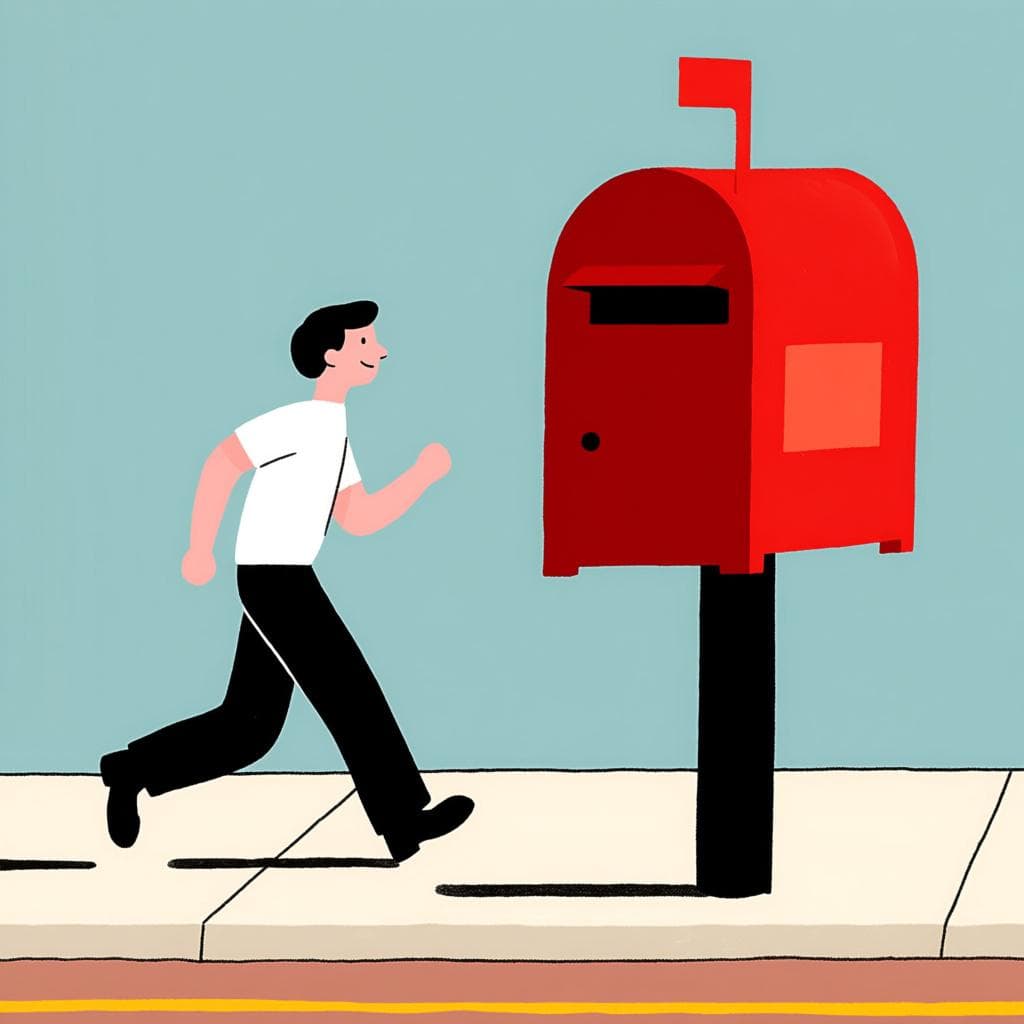
step
Also: footstep, pace
📝 In Action
Con cada paso, me sentía más cerca de la meta.
A2With every step, I felt closer to the goal.
Cuidado con el primer paso, está resbaloso.
A1Be careful with the first step, it's slippery.
Oí sus pasos en el pasillo.
B1I heard his footsteps in the hallway.
passage
Also: pass, way
📝 In Action
El túnel es el único paso entre las dos ciudades.
B1The tunnel is the only passage between the two cities.
Cerraron el paso de montaña por la nieve.
B2They closed the mountain pass because of the snow.
El guardia nos bloqueó el paso.
B1The guard blocked our way.
I pass
Also: I spend, I go through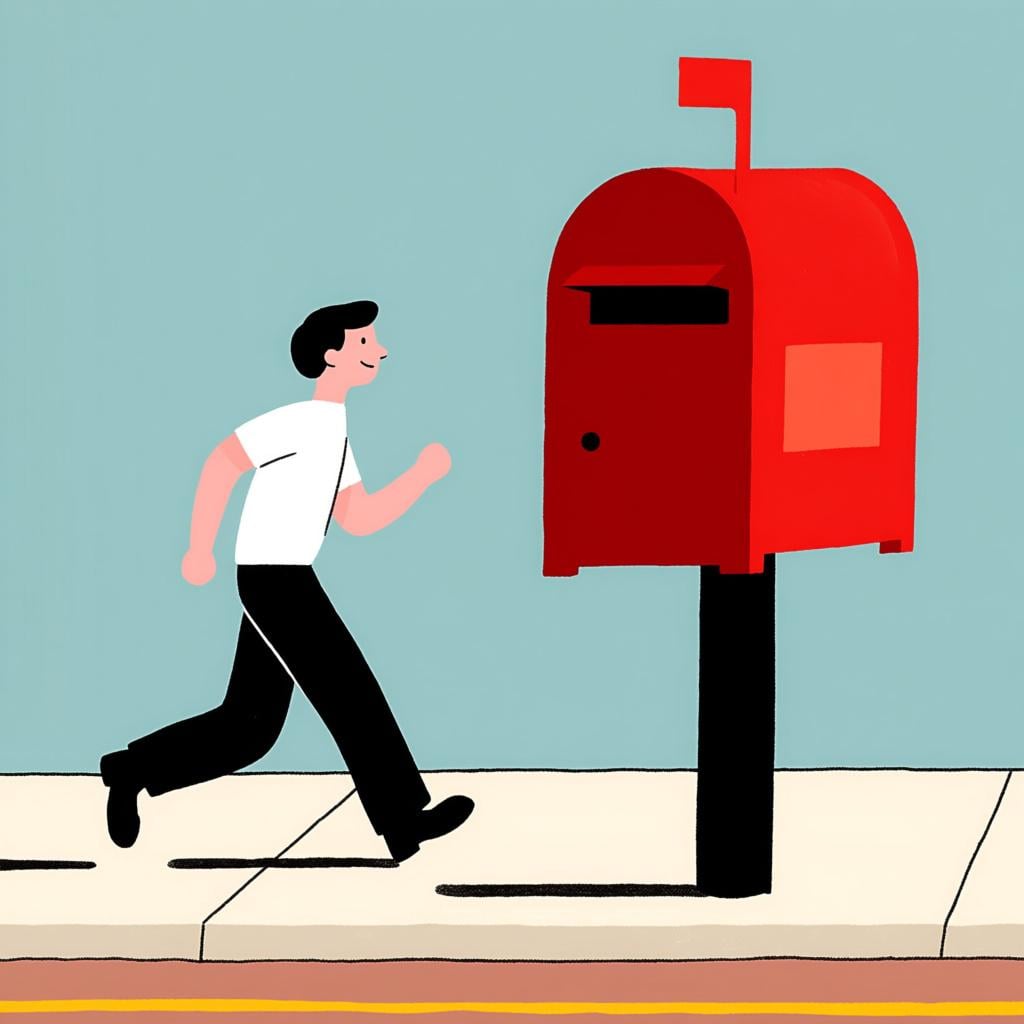
📝 In Action
Yo siempre paso por el parque para ir al trabajo.
A1I always pass through the park to go to work.
Paso mucho tiempo con mis amigos los fines de semana.
A2I spend a lot of time with my friends on the weekends.
Si no entiendes, paso a la siguiente pregunta.
B1If you don't understand, I'll move on (pass) to the next question.
Indicative
Present
Imperfect
Preterite
Subjunctive
Present Subjunctive
Imperfect Subjunctive
🔀 Commonly Confused With
Translate to Spanish
✏️ Quick Practice
Quick Quiz: paso
Question 1 of 2
Which sentence uses 'paso' to mean a step in a process?
📚 More Resources
👥 Word Family▼
📚 Etymology▼
Comes from the Latin word 'passus', which means 'a step' or 'a pace'. The verb 'pasar' also developed from this root, originally meaning 'to step over' something, which then expanded to mean 'to pass'.
First recorded: Around the 10th century
Cognates (Related words)
💡 Master Spanish
Take your Spanish to the next level. Read 200+ illustrated and narrated Spanish stories tailored to your level with the Inklingo app!
Frequently Asked Questions
What's the difference between 'paso' and 'paseo'?
They look similar but are different! 'Paso' is a single 'step'. 'Paseo' is 'a walk' or 'a stroll', which is made up of many steps. Think: a 'paseo' is a longer journey than a 'paso'.
How can I tell if 'paso' means 'step' or 'I pass'?
Look for clues in the sentence. If you see words like 'un', 'el', 'primer', or 'cada' before it, it's almost always the noun 'step' (e.g., 'un paso'). If it's the main action word and there's no other subject, it's likely the verb 'I pass' (e.g., 'Paso por aquí todos los días').