muelle
“muelle” means “dock” in Spanish. It has 2 different meanings depending on context:

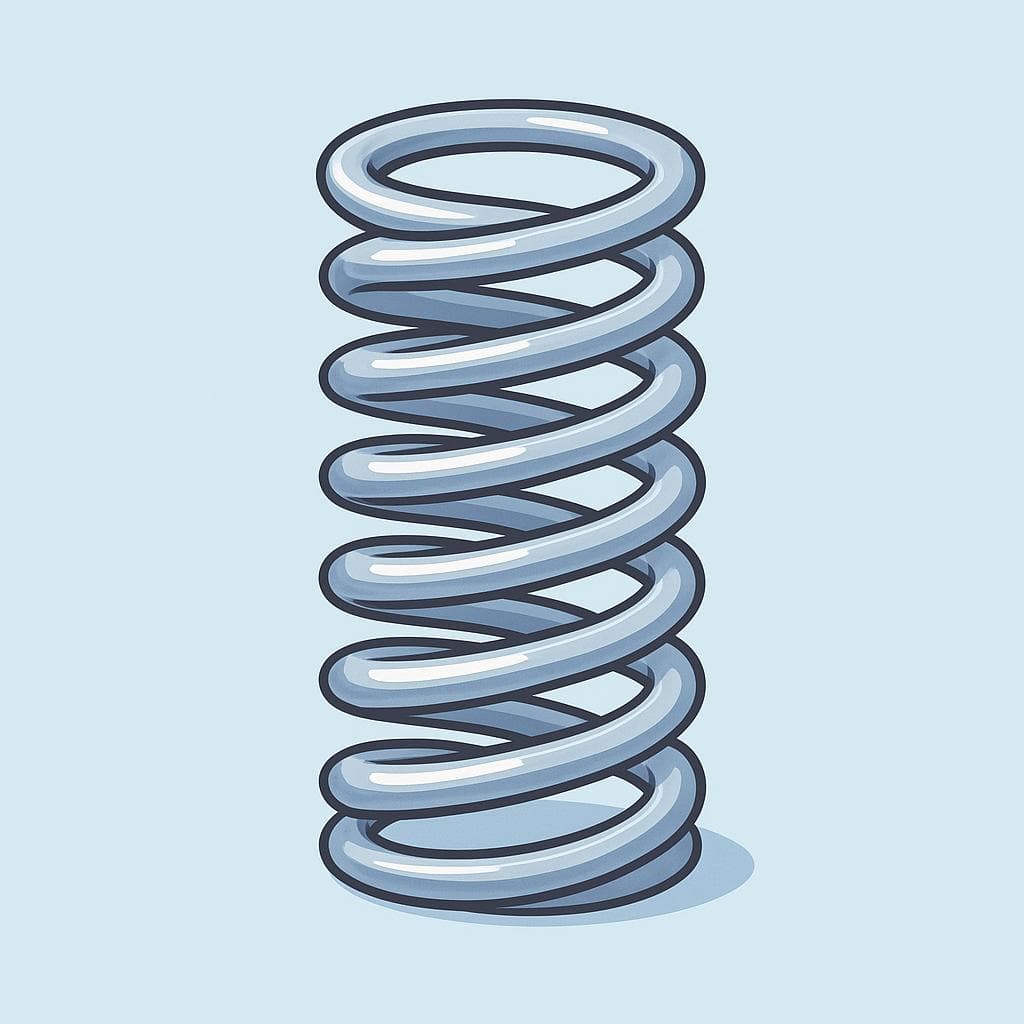
dock, pier
Also: quay, wharf
📝 In Action
El ferry sale del muelle número tres.
A2The ferry leaves from dock number three.
Vimos a los pescadores descargar su captura en el muelle.
B1We saw the fishermen unloading their catch at the pier.
Hay que caminar hasta el final del muelle para ver el faro.
B1You have to walk to the end of the quay to see the lighthouse.
spring
Also: coil, shock absorber (informal shorthand)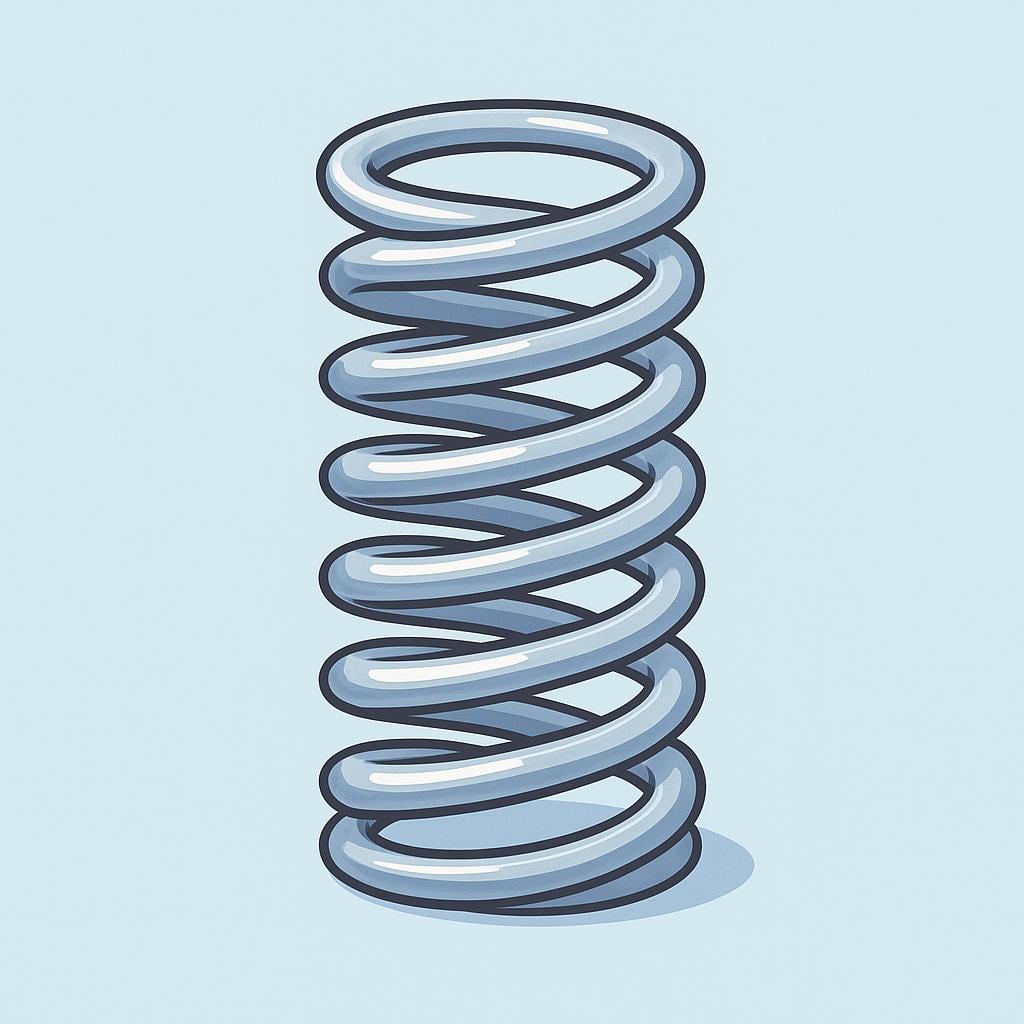
📝 In Action
El coche necesita que le cambien los muelles de la suspensión.
B1The car needs its suspension springs changed.
Esta silla es incómoda porque se le ha roto un muelle.
B1This chair is uncomfortable because a spring in it has broken.
El bolígrafo tiene un pequeño muelle para que el botón funcione.
B2The pen has a small spring so that the button works.
✏️ Quick Practice
Quick Quiz: muelle
Question 1 of 2
Which sentence correctly uses 'muelle' to describe a location?
📚 More Resources
👥 Word Family▼
🎵 Rhymes▼
📚 Etymology▼
Muelle comes from the Latin word *moles*, which meant a large mass, structure, or barrier, often built in the water. This origin directly applies to the 'dock' meaning. The meaning of 'spring' (the flexible, recoiling object) developed later in Spanish, likely based on the visual similarity or the idea of something being buoyant or elastic.
First recorded: 13th century
Cognates (Related words)
💡 Master Spanish
Take your Spanish to the next level. Read 200+ illustrated and narrated Spanish stories tailored to your level with the Inklingo app!
Frequently Asked Questions
How do I know if 'muelle' means a dock or a spring?
You rely entirely on the context! If you are talking about cars, furniture, or small mechanisms (like a pen), it means 'spring.' If you are talking about boats, water, or the coast, it means 'dock' or 'pier.'
Is 'muelle' related to the season 'spring' (primavera)?
No. This is a common confusion because English uses one word for both. In Spanish, 'muelle' is the dock or the mechanical spring, but the season is always 'primavera.'