criaturas
“criaturas” means “children” in Spanish. It has 2 different meanings depending on context:
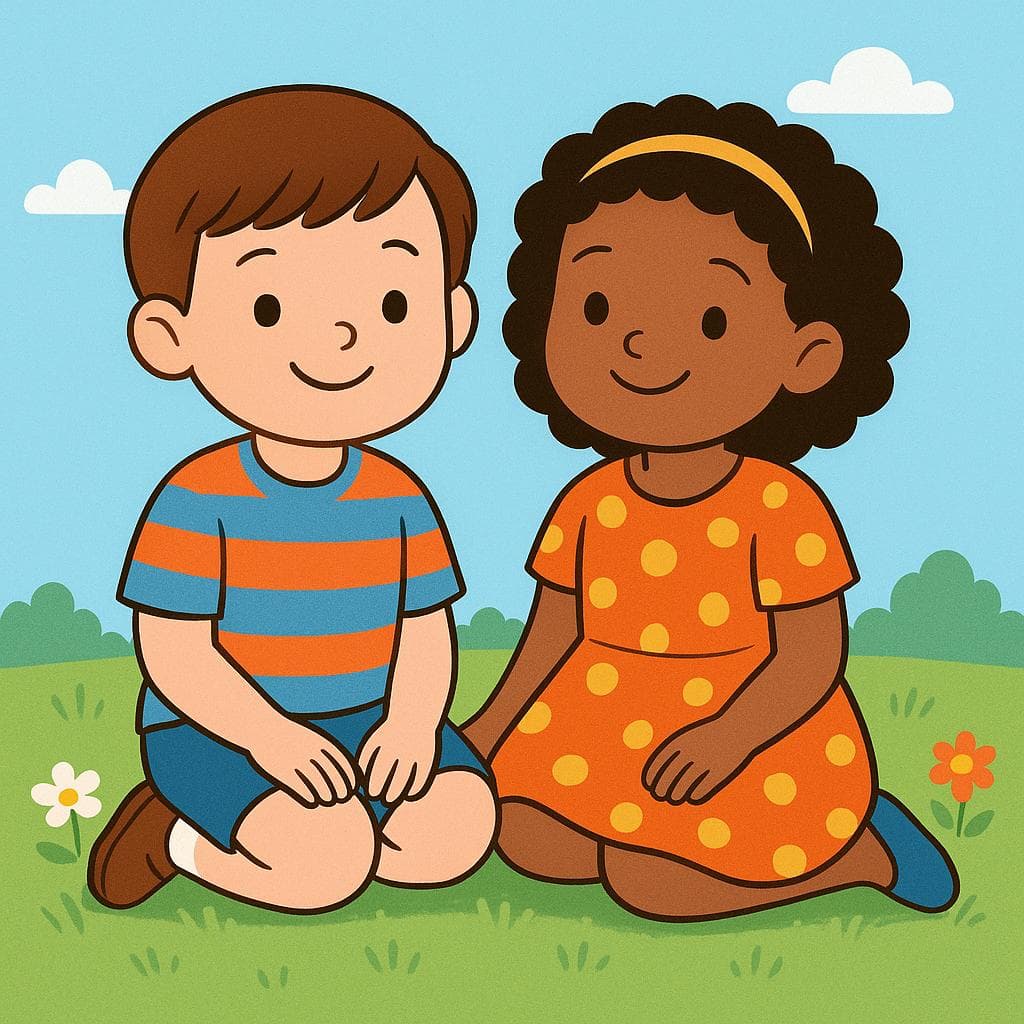
children, little ones
Also: kids
📝 In Action
Las criaturas deben estar en cama antes de las nueve.
A2The children must be in bed before nine.
¡Qué ruido hacen estas criaturas cuando juegan!
B1What a noise these little ones make when they play!
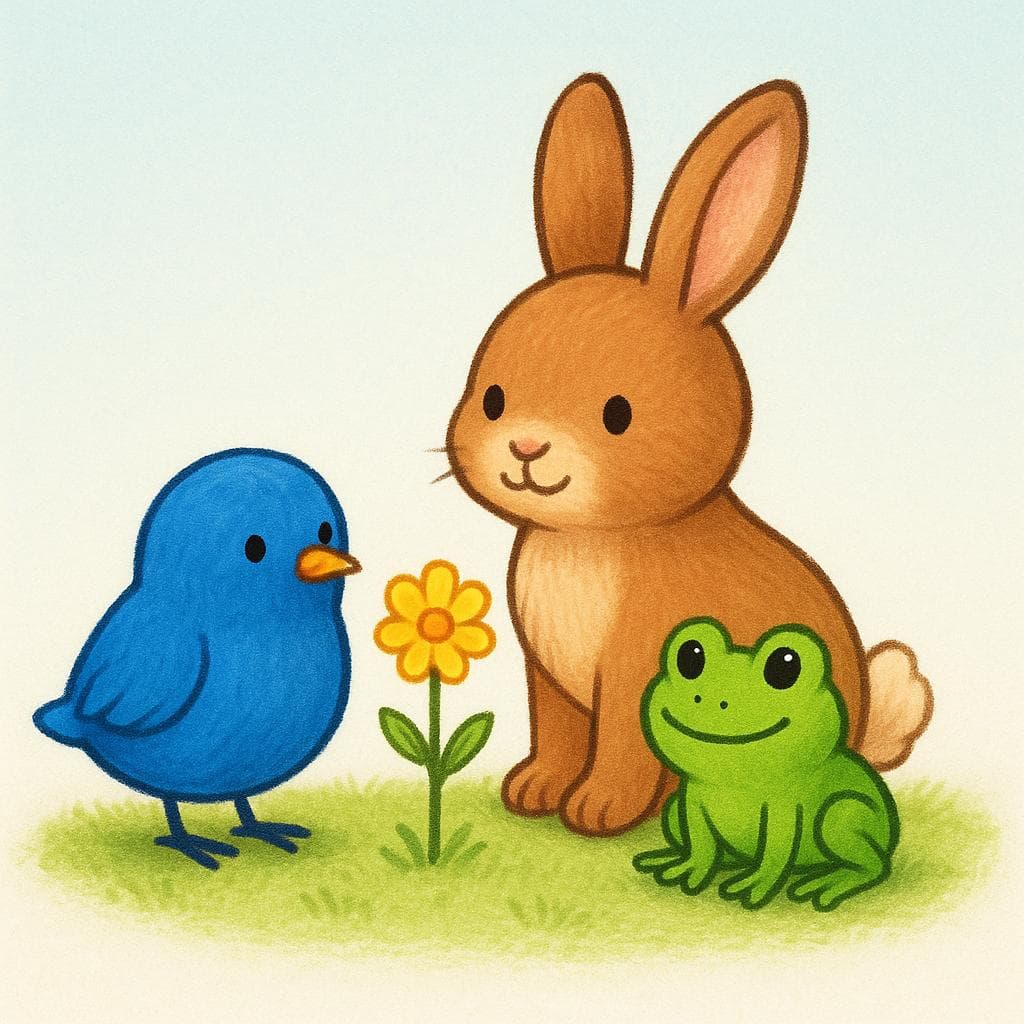
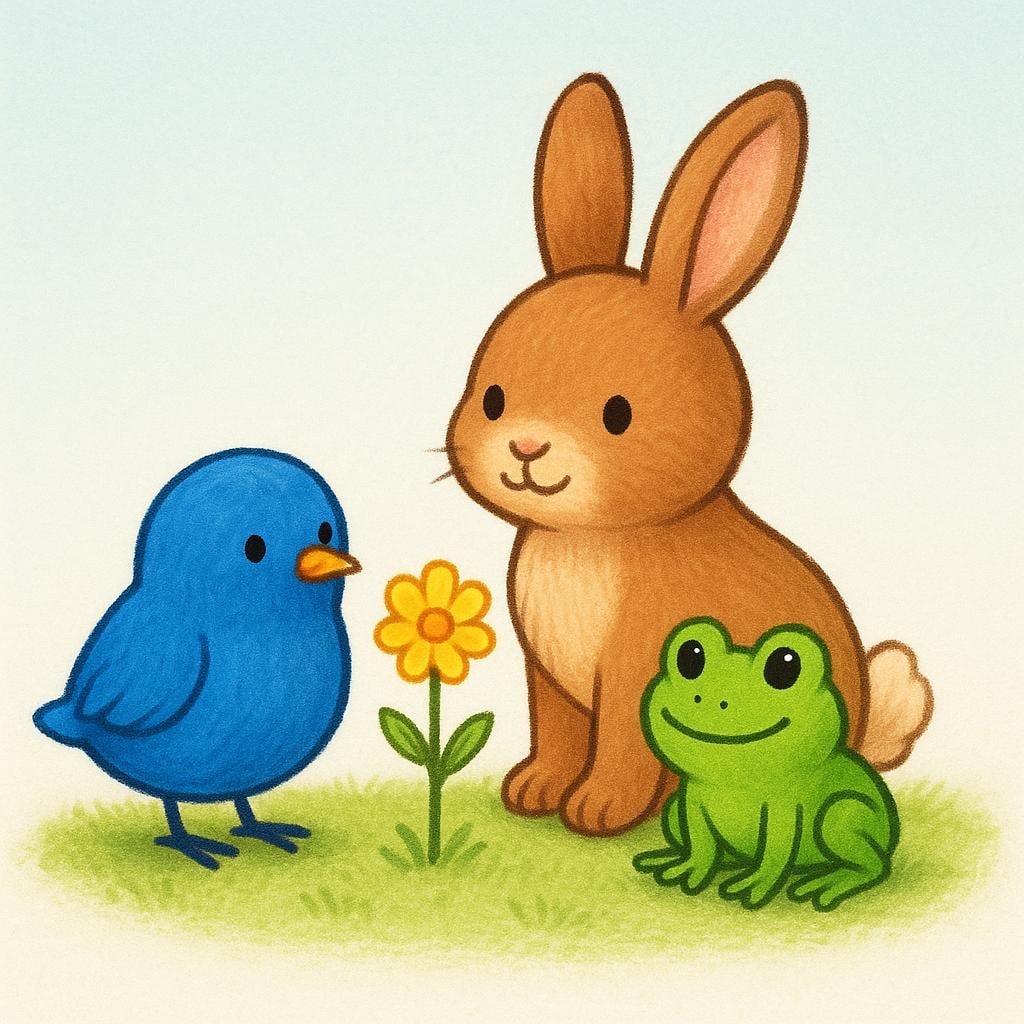
creatures, beings
📝 In Action
Las criaturas marinas que viven en la oscuridad son fascinantes.
B1The sea creatures that live in the dark are fascinating.
Según la leyenda, estas criaturas habitan las montañas.
B2According to the legend, these beings inhabit the mountains.
Vocabulary Collections
Translate to Spanish
✏️ Quick Practice
Quick Quiz: criaturas
Question 1 of 1
Which English translation best fits the sentence: '¡Qué suerte que las criaturas tienen un patio grande!'
📚 More Resources
👥 Word Family▼
🎵 Rhymes▼
📚 Etymology▼
The word comes from the Latin *creatura*, which literally meant 'a created thing' or 'production.' It is directly linked to the Latin verb *creare* (to create).
First recorded: Around the 13th century in Spanish.
Cognates (Related words)
💡 Master Spanish
Take your Spanish to the next level. Read 200+ illustrated and narrated Spanish stories tailored to your level with the Inklingo app!
Frequently Asked Questions
If 'criaturas' is feminine, how can it refer to a group of boys?
This is common in Spanish! The word itself ('criatura') has a fixed grammatical gender (feminine), regardless of the biological sex of the people it describes. Just like 'persona' (person) is always feminine, 'criatura' is too, even if you are talking about male children.