infante
“infante” means “Prince” in Spanish. It has 3 different meanings depending on context:
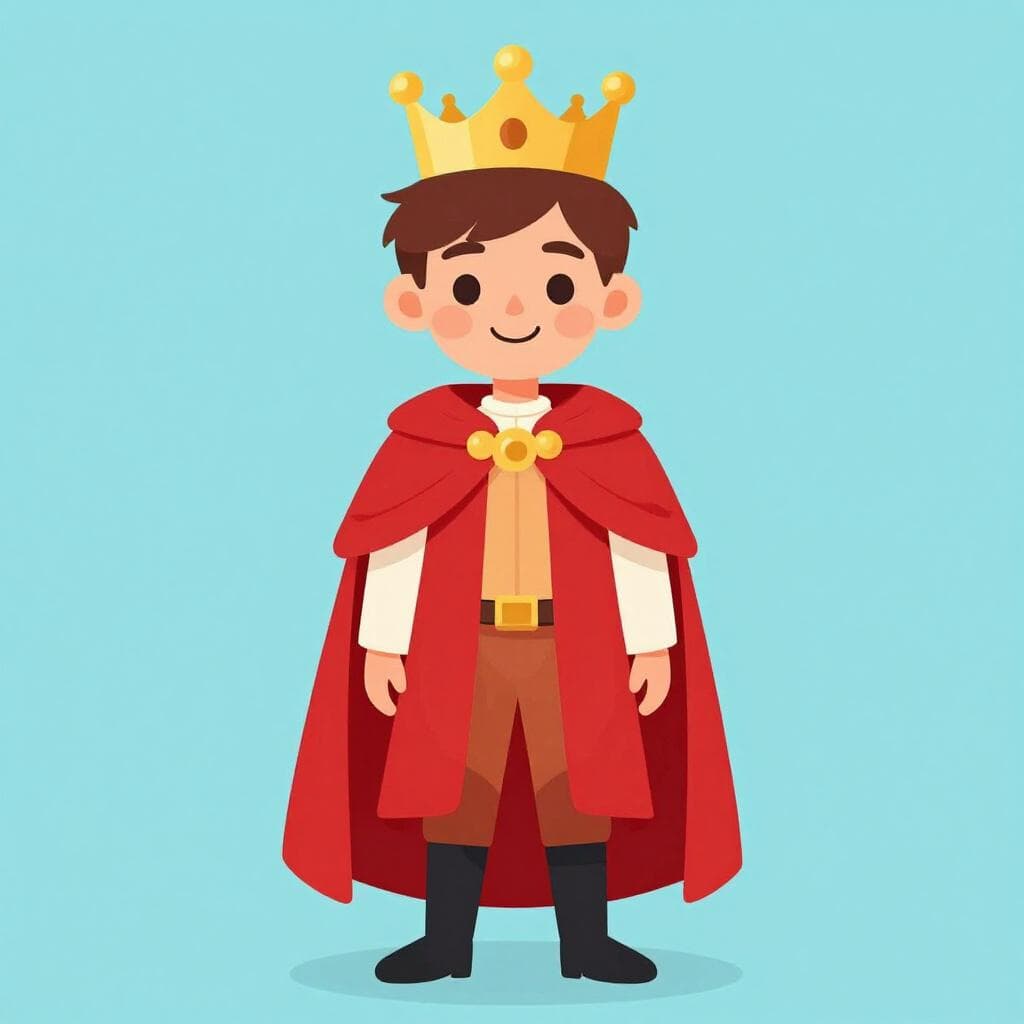
Prince
Also: Royal child
📝 In Action
El infante saludó a los ciudadanos desde el balcón.
B1The prince greeted the citizens from the balcony.
En España, el hijo del rey que no es heredero recibe el título de infante.
B2In Spain, the king's son who is not the heir receives the title of prince.
Los documentos históricos mencionan la importancia del infante en la corte.
C1Historical documents mention the importance of the prince in the court.
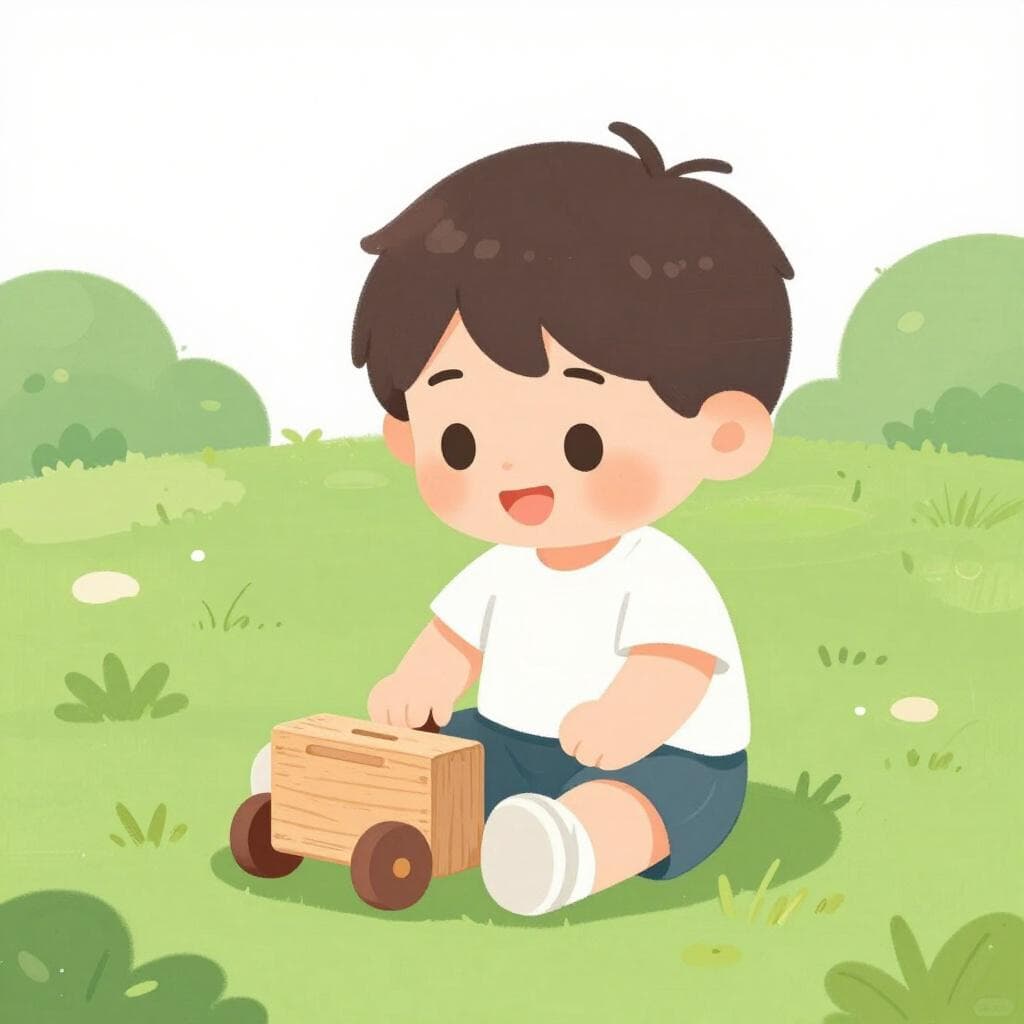
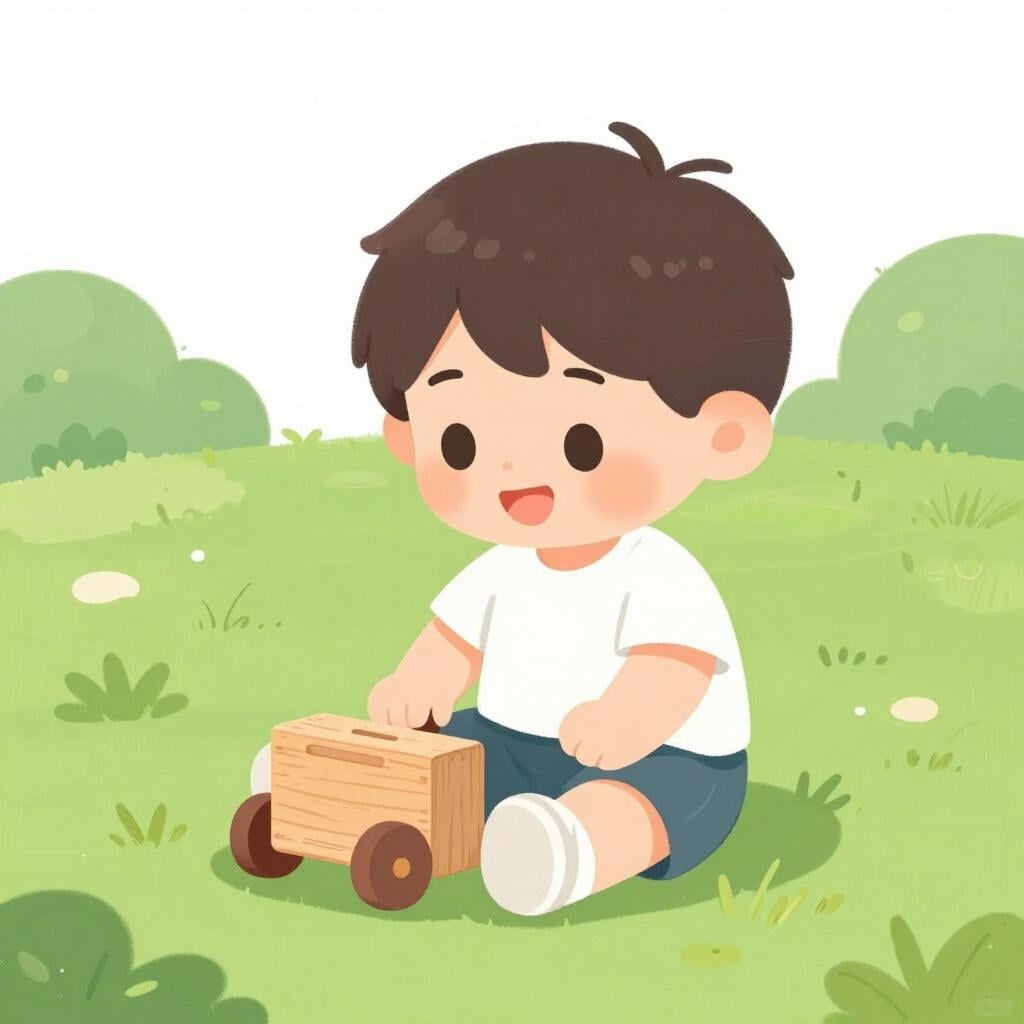
child, infant
📝 In Action
La ley protege los derechos de todo infante.
B2The law protects the rights of every child.
Se especializa en psicología del infante.
C1She specializes in child psychology.
La educación del infante comienza en el hogar.
B1The child's education begins at home.
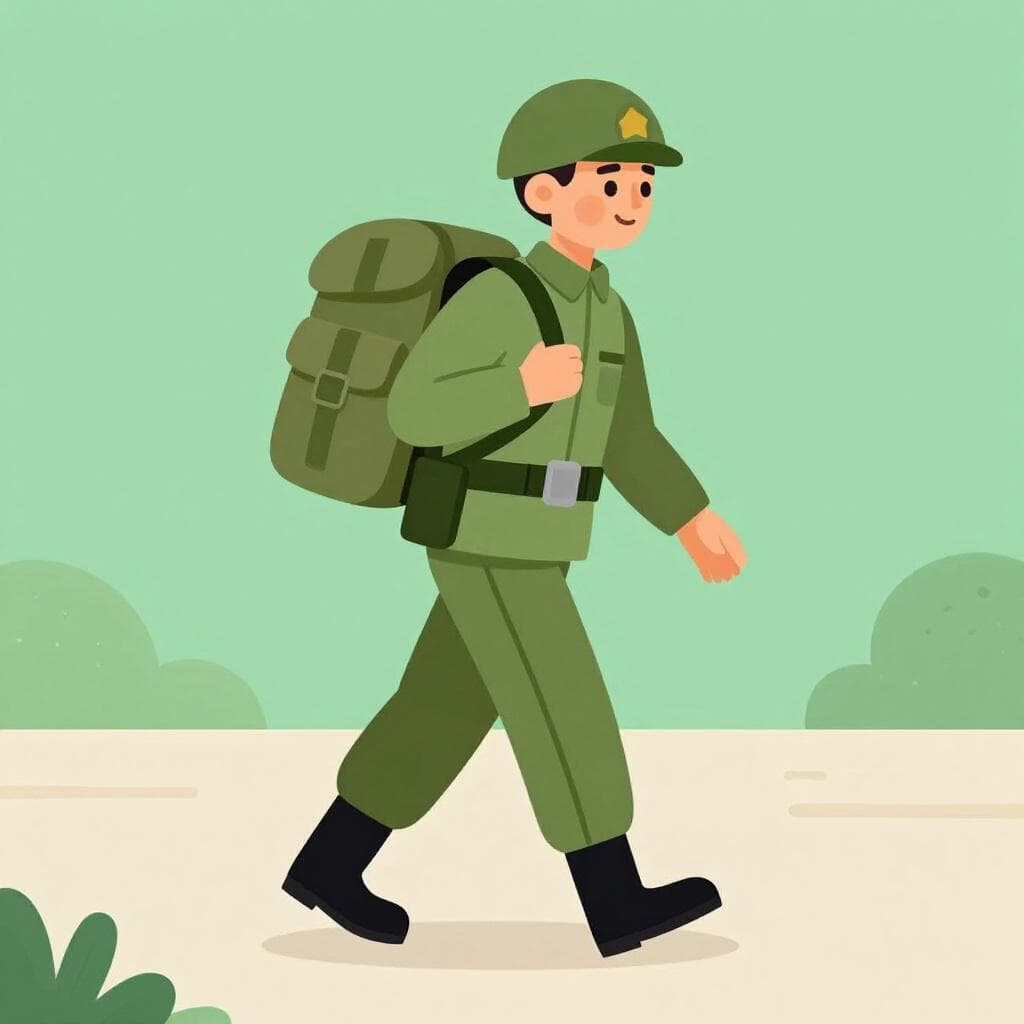
infantryman
Also: foot soldier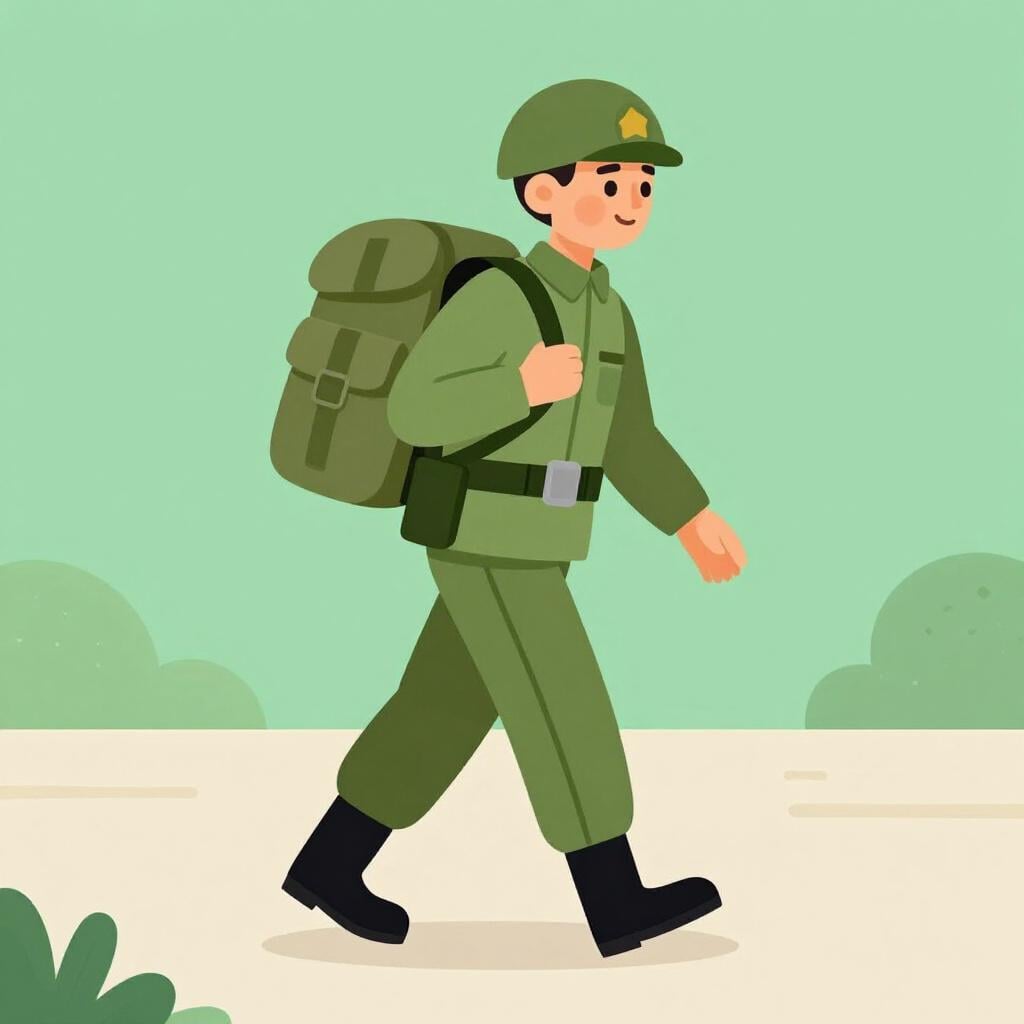
📝 In Action
El infante avanzó por el campo de batalla.
C1The infantryman advanced across the battlefield.
Translate to Spanish
Words that translate to "infante" in Spanish:
child→foot soldier→infant→infantryman→prince→royal child→✏️ Quick Practice
Quick Quiz: infante
Question 1 of 3
In Spain, if the King's second-born son is not the heir, what is his title?
📚 More Resources
👥 Word Family▼
📚 Etymology▼
From the Latin 'infans', which combines 'in-' (not) and 'fari' (to speak). It literally meant 'someone who cannot speak yet,' referring to babies.
First recorded: 12th century
Cognates (Related words)
💡 Master Spanish
Take your Spanish to the next level. Read 200+ illustrated and narrated Spanish stories tailored to your level with the Inklingo app!
Frequently Asked Questions
Is 'infante' only for boys?
Technically, the word 'infante' is masculine. For a female member of the royalty, the word used is 'infanta'. In the sense of 'child' or 'soldier', it usually follows the gender of the person described.
Does 'infante' always mean a baby?
No. While its root means baby, in modern Spanish it usually refers to a royal title or a soldier. When it does mean 'child', it refers to the whole stage of childhood, not just babies.
Why is 'infantry' (soldiers) related to 'infants' (babies)?
Historically, foot soldiers were often younger or of lower social rank than the cavalry (knights), so they were referred to using a word for 'youth' or 'boys', which eventually became 'infantería'.