piojo
“piojo” means “louse” in Spanish. It has 2 different meanings depending on context:
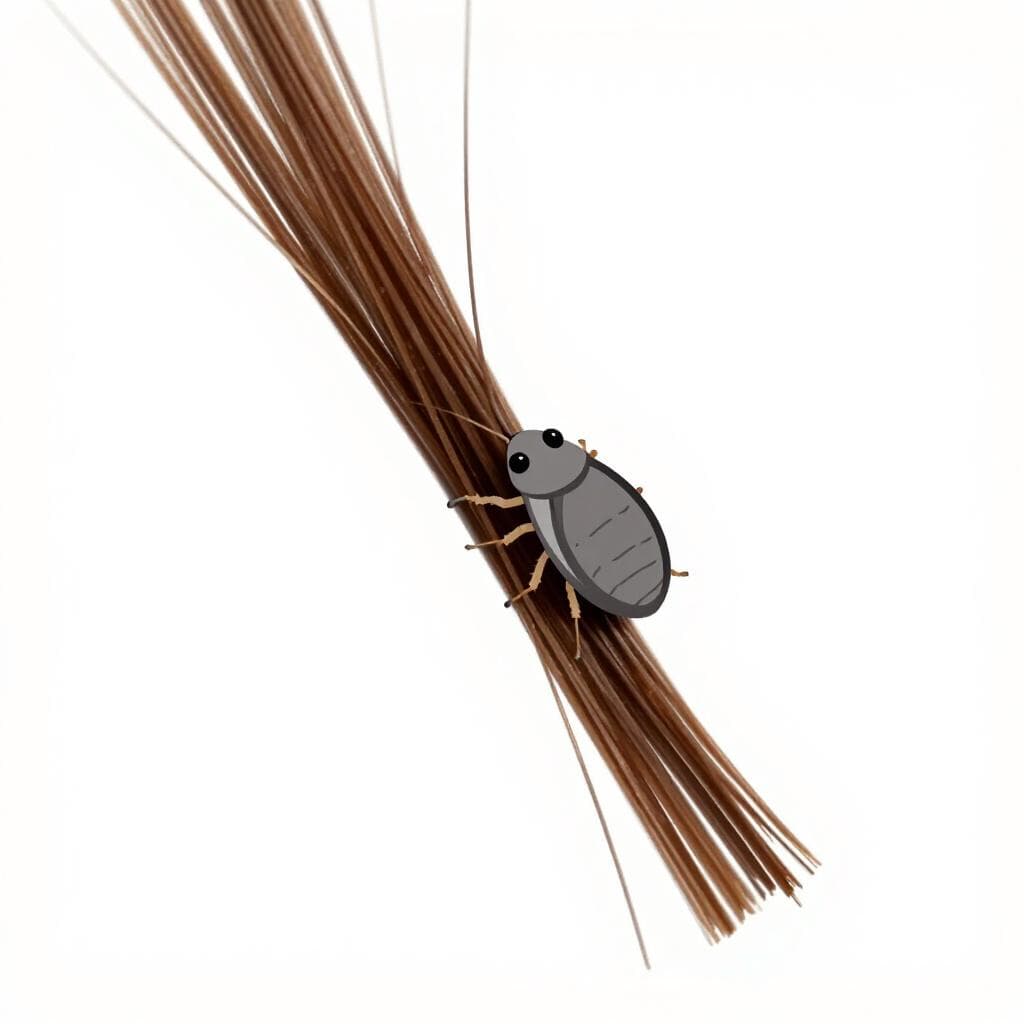
louse, lice
Also: nit
📝 In Action
Mi hijo tiene un piojo en el pelo.
A1My son has a louse in his hair.
Hay un brote de piojos en la escuela primaria.
A2There is a lice outbreak at the elementary school.
Necesitas un peine especial para quitar los piojos.
B1You need a special comb to remove the lice.
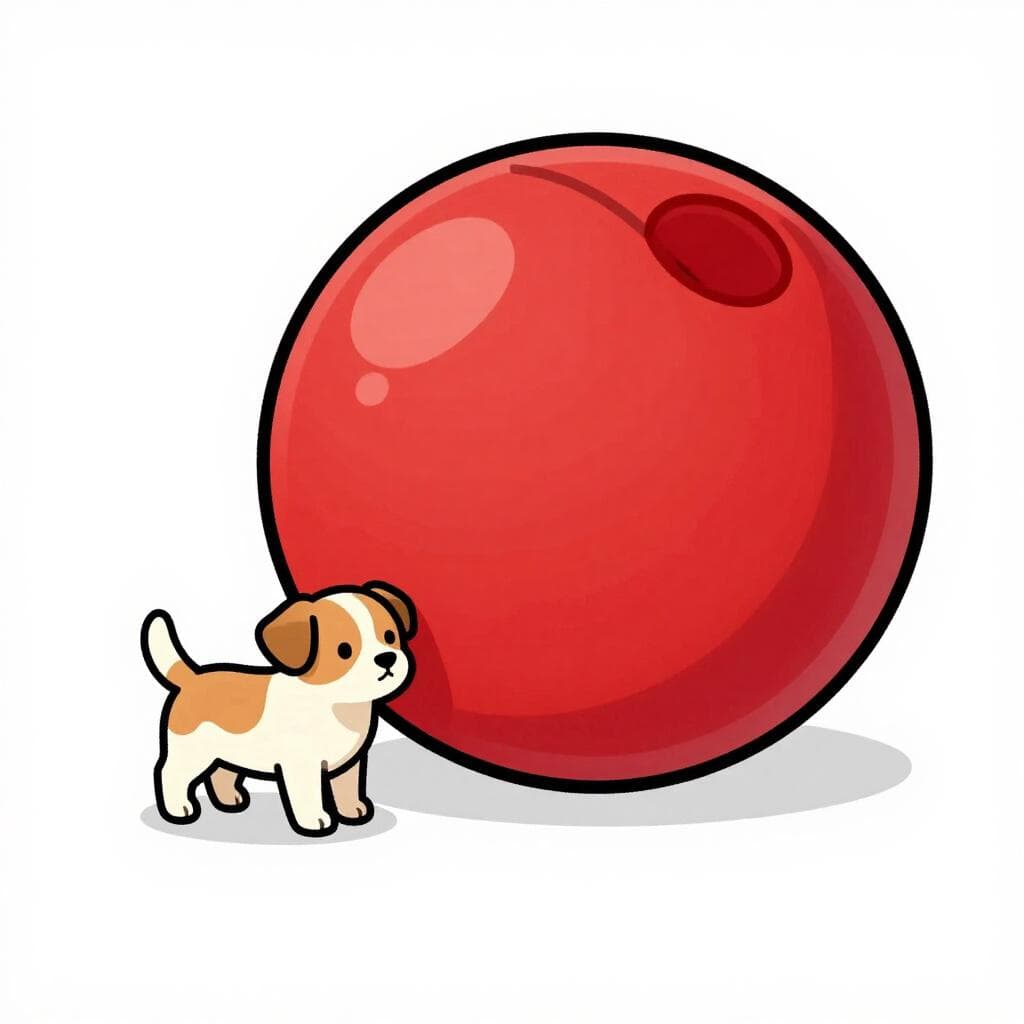
runt, kid
Also: nobody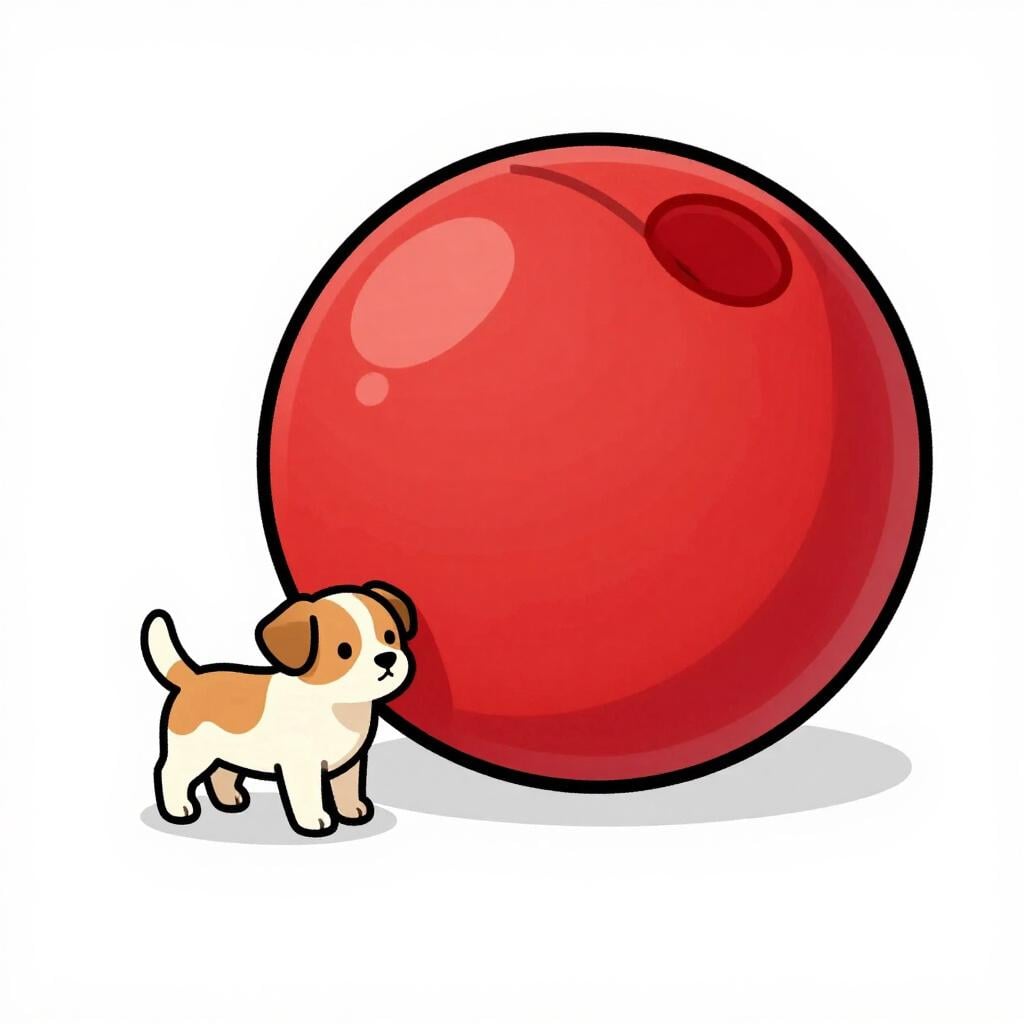
📝 In Action
¡Vete de aquí, piojo!
B1Get out of here, you little squirt!
No era más que un piojo cuando lo conocí.
B2He was nothing but a little nobody when I met him.
Ese piojo se cree el dueño del mundo.
C1That little runt thinks he owns the world.
✏️ Quick Practice
Quick Quiz: piojo
Question 1 of 3
If a teacher says there is a 'piojo' in the classroom, what should you look for?
📚 More Resources
👥 Word Family▼
📚 Etymology▼
From the Latin word 'pediculus', which refers to a small foot or a small insect.
First recorded: 10th century
Cognates (Related words)
💡 Master Spanish
Take your Spanish to the next level. Read 200+ illustrated and narrated Spanish stories tailored to your level with the Inklingo app!
Frequently Asked Questions
Is 'piojo' always an insult?
Not always. While it usually refers to the insect, in many Latin American countries, it's used as an affectionate nickname for small children.
What is the difference between 'piojo' and 'liendre'?
A 'piojo' is the adult insect (louse), while a 'liendre' is the egg (nit).
Can I use 'pioja' for a girl?
Technically 'piojo' is a masculine noun for the insect. However, as a slang nickname for a girl, some regions might use 'pioja,' but it is less common.