How to Say "small" in Spanish
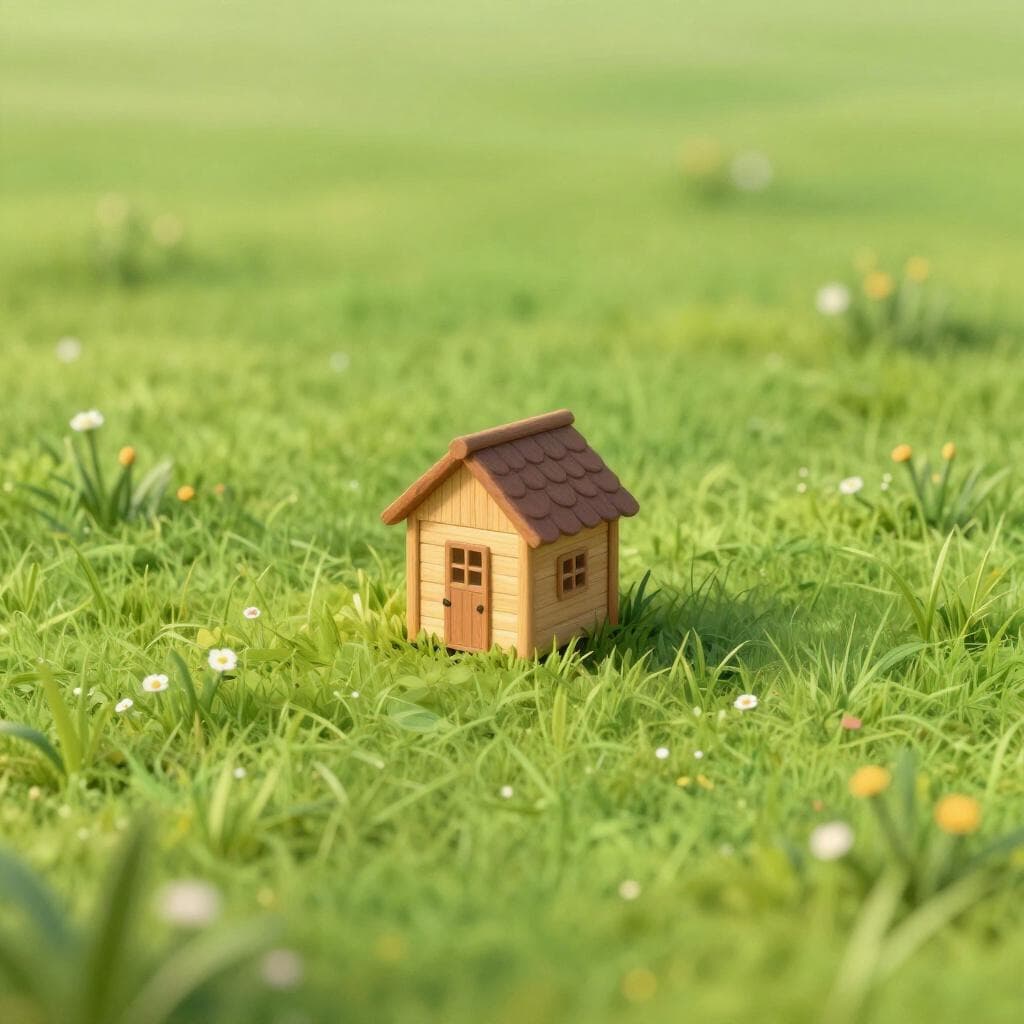
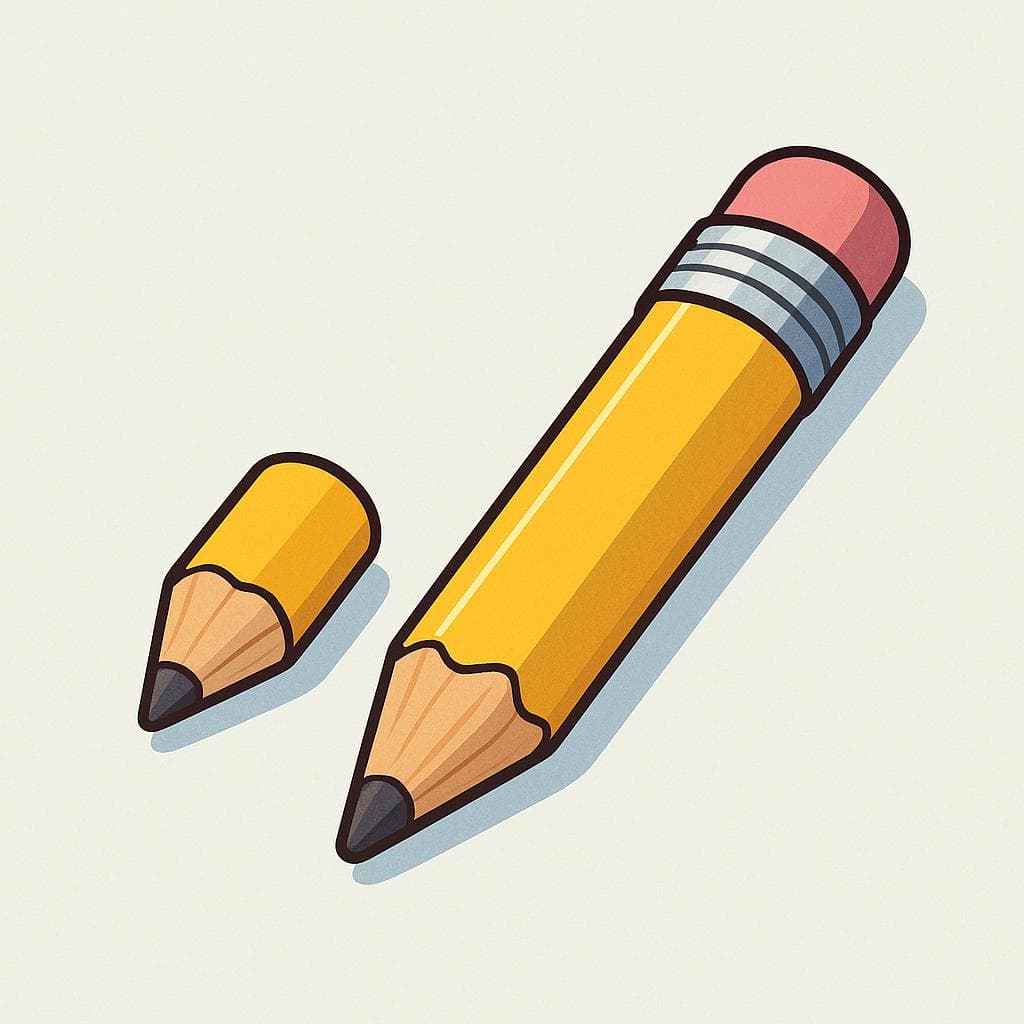
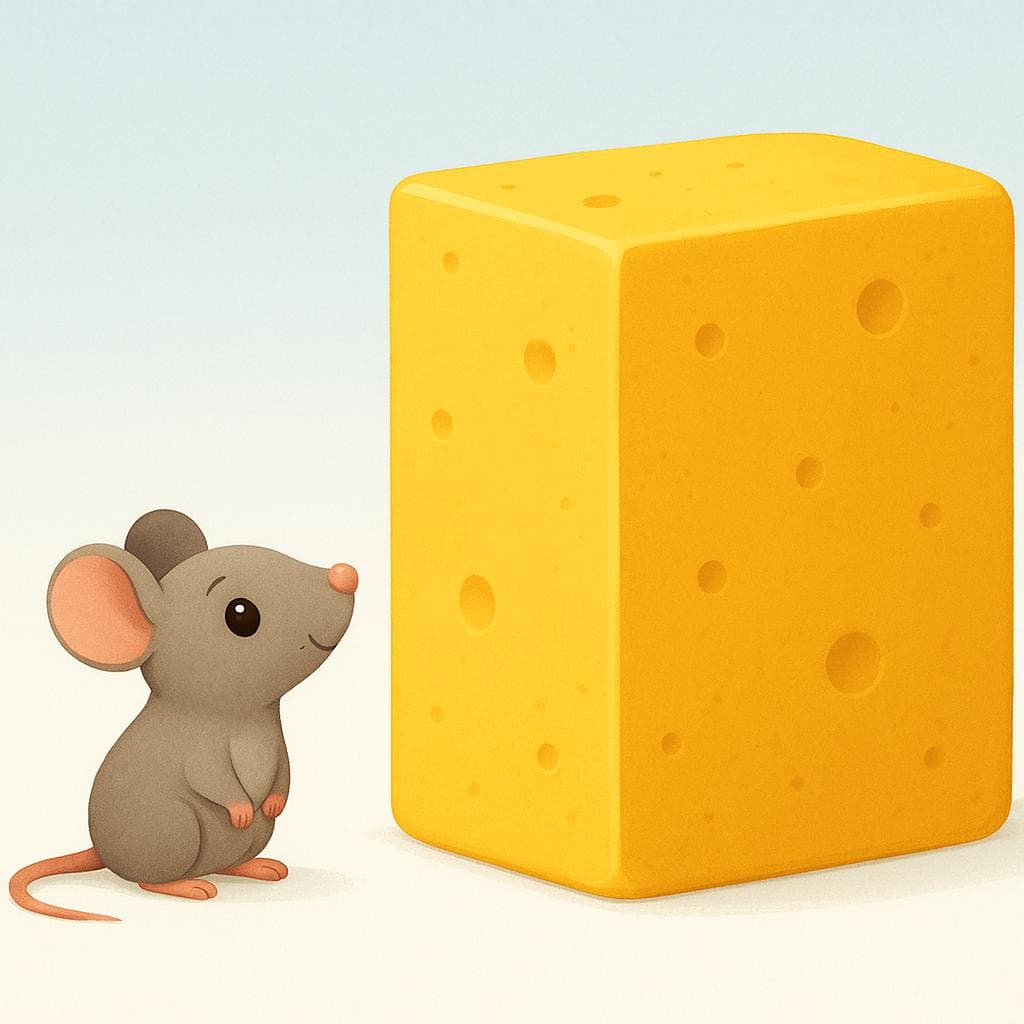
The most common Spanish word for “small” is “pequeño” — use this for general physical size when describing objects, people, or animals that are not large.


pequeño
Examples
Mi coche es muy pequeño.
My car is very small.
chico
CHEE-koˈtʃiko

Examples
Mi coche es muy chico, es fácil de aparcar.
My car is very small, it's easy to park.
Compré una camisa chica porque la grande no me quedaba.
I bought a small shirt because the large one didn't fit me.
Estos problemas son chicos comparados con los de antes.
These problems are small compared to the ones before.
Matching the Noun
When you use chico to describe something, its ending must match the noun. un coche chico (a small car), una casa chica (a small house), unos zapatos chicos (small shoes), unas mesas chicas (small tables).
Forgetting to Change the Ending
Mistake: “El vestido es chico y las faldas es chico también.”
Correction: Say 'El vestido es chico y las faldas son chicas también.' The describing word (`chico/chica`) must match the gender (masculine/feminine) and number (singular/plural) of the thing it describes.
reducido
ray-doo-SEE-dohreðuˈsiðo

Examples
Vivimos en un apartamento muy reducido.
We live in a very small apartment.
Solo un grupo reducido de personas puede entrar.
Only a limited group of people can enter.
Contamos con un presupuesto reducido para este viaje.
We have a tight budget for this trip.
Matching the Noun
This word must change to match the gender and number of the thing it describes. Use 'reducido' for masculine items, 'reducida' for feminine, and add an 's' for plural (reducidos/reducidas).
Placement
Like most Spanish adjectives, 'reducido' usually comes after the noun it describes, such as 'un espacio reducido' (a small space).
Confusing with 'Pequeño'
Mistake: “Using 'reducido' to describe a small child.”
Correction: Use 'pequeño' for physical stature of people. 'Reducido' is better for spaces, groups, or quantities that have been limited or are naturally small.
cortos
KOR-tohsˈkoɾtos

Examples
Los días de invierno son muy cortos en el norte.
Winter days are very short in the north.
Necesitas unos cables más cortos para que quepan.
You need some shorter cables so they fit.
Se quedó corto de dinero para pagar la cuenta.
He fell short of money to pay the bill.
Matching the Noun
Since 'cortos' is a describing word (adjective), it must match the noun it describes. This form is used for masculine, plural things, like 'pantalones' (pants) or 'momentos' (moments).
The Four Forms
The base word is 'corto' (masculine singular). The other forms are 'corta' (feminine singular), 'cortas' (feminine plural), and 'cortos' (masculine plural).
modesto
mo-DEHS-tohmoˈðesto

Examples
Vivimos en una casa modesta en las afueras.
We live in a modest house on the outskirts.
El equipo celebró un éxito modesto este año.
The team celebrated a modest success this year.
Tiene un sueldo modesto pero le alcanza para vivir bien.
He has a modest salary but it's enough for him to live well.
Word Order
When describing an object (like a house), 'modesto' usually comes after the noun.
Using 'pequeño' for everything
Mistake: “Es una casa pequeña.”
Correction: While 'pequeño' means small, 'modesta' sounds more sophisticated and implies the house is simple but dignified.
menudo
meh-NOO-dohmeˈnuðo
Examples
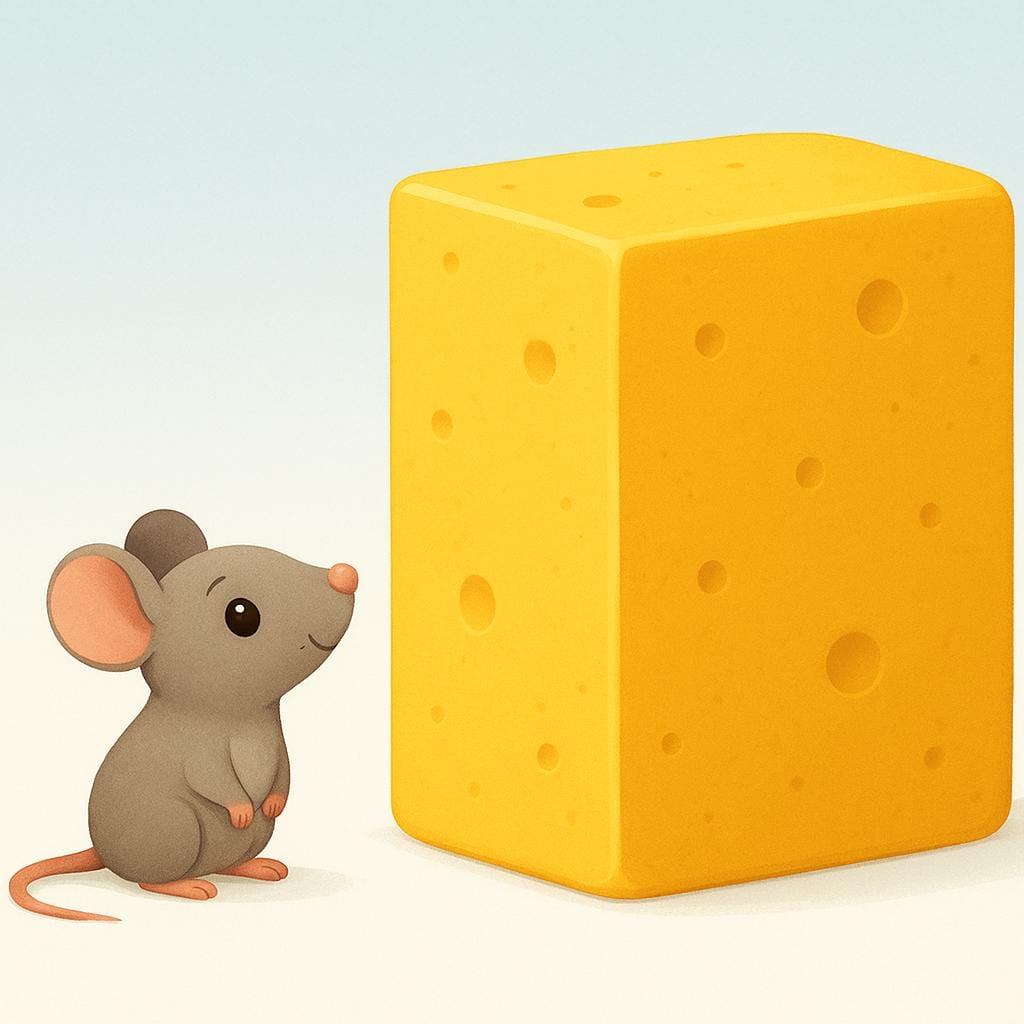
Las cuentas de collar eran tan menudas que casi no las veías.
The necklace beads were so tiny that you could hardly see them.
Se entretiene con cosas menudas y sin importancia.
He gets distracted by petty, unimportant things.
Matching the Noun
Like most Spanish describing words, 'menudo' must change its ending to match the thing it describes: 'menudo' (masculine singular), 'menuda' (feminine singular), 'menudos' (masculine plural), and 'menudas' (feminine plural).
Small Size vs. Limited Quantity
Learn Spanish with Inklingo
Interactive stories, personalized learning, and more.