arruinado
“arruinado” means “ruined” in Spanish. It has 2 different meanings depending on context:
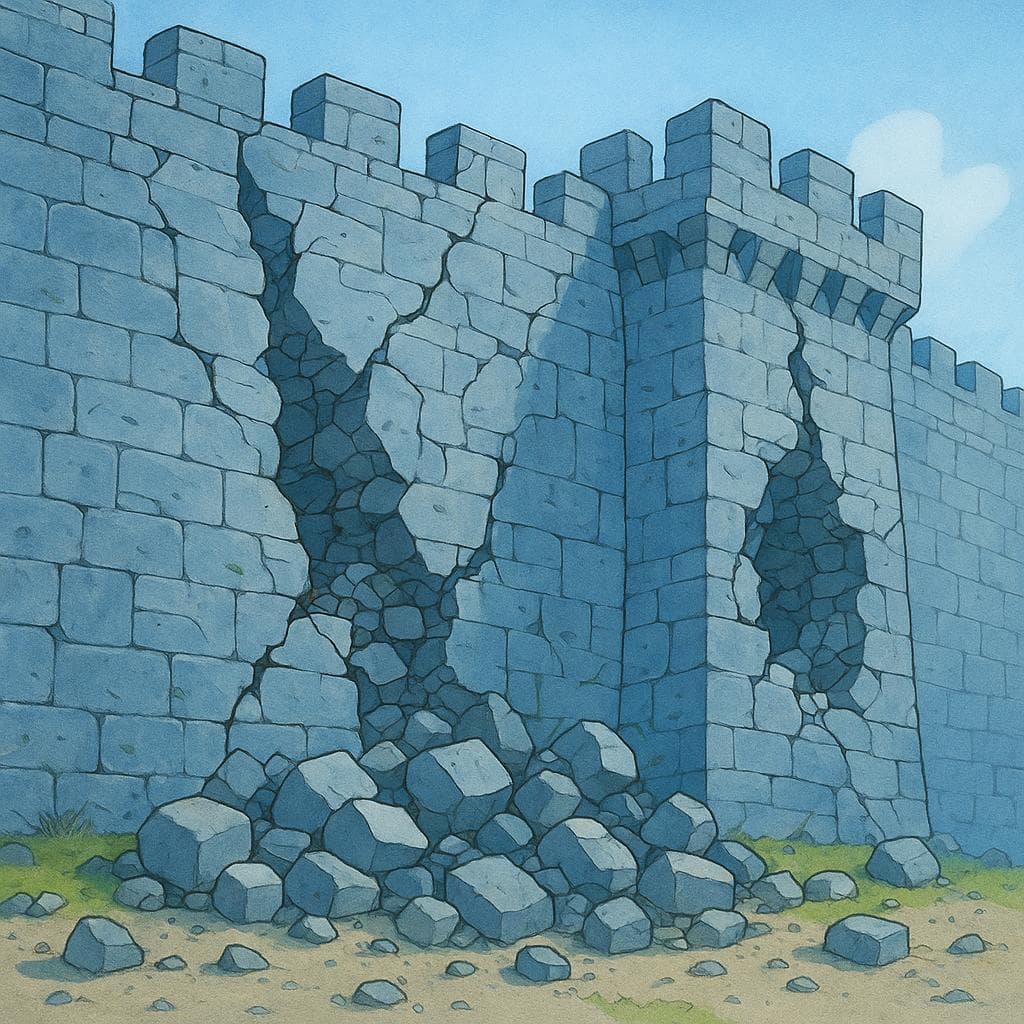

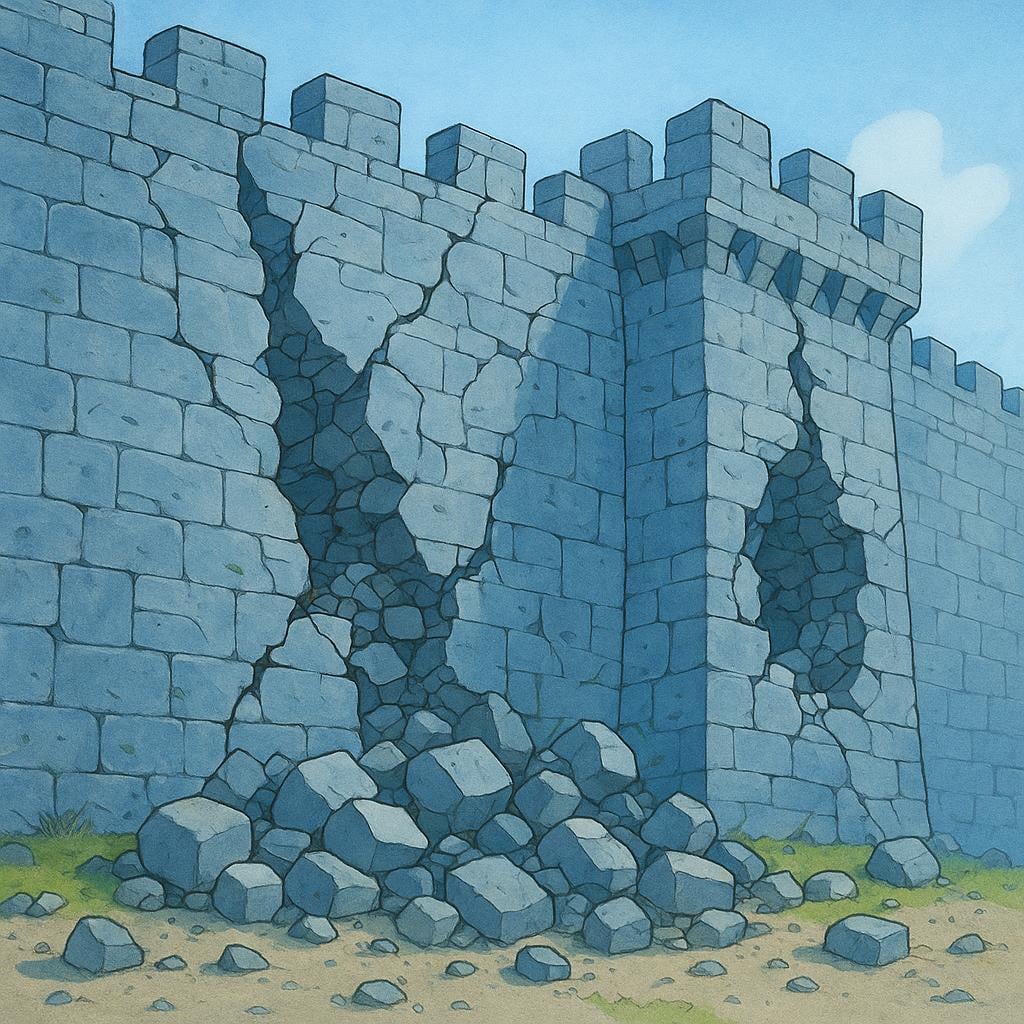
ruined, brokeAlso: bankrupt, destroyed
📝 In Action
Después de la inversión fallida, se quedó arruinado.
B1After the failed investment, he was left ruined (broke).
Su reputación está arruinada por el escándalo.
B2Her reputation is destroyed by the scandal.
El incendio dejó la casa completamente arruinada.
A2The fire left the house completely ruined.
Word Connections
ruined personAlso: destitute person

📝 In Action
El arruinado tuvo que pedir limosna para comer.
B2The ruined man had to beg for alms to eat.
Nadie quiere ser un arruinado en esta ciudad.
C1No one wants to be a destitute person in this city.
Word Connections
Translate to Spanish
Words that translate to "arruinado" in Spanish:
✏️ Quick Practice
Quick Quiz: arruinado
Question 1 of 2
Which sentence correctly uses the adjective 'arruinado'?
📚 More Resources
📚 Etymology
Comes from the verb 'arruinar,' which traces back to the Latin word *ruina*, meaning 'a collapse' or 'a falling down.' The idea is that something or someone has fallen completely apart.
First recorded: 14th century (root verb)
Cognates (Related words)
💡 Master Spanish
Take your Spanish to the next level. Read 200+ illustrated and narrated Spanish stories tailored to your level with the Inklingo app!
Frequently Asked Questions
Is 'arruinado' only used for money?
No. While it's very common for financial situations ('broke'), you can use it for anything that is completely spoiled or destroyed, like a reputation, a plan, or a building.
What is the difference between 'pobre' and 'arruinado'?
'Pobre' means poor—lacking money generally. 'Arruinado' means ruined or bankrupt—it implies having suffered a catastrophic loss, often going from having something to having nothing.