ruina
“ruina” means “ruin” in Spanish. It has 3 different meanings depending on context:
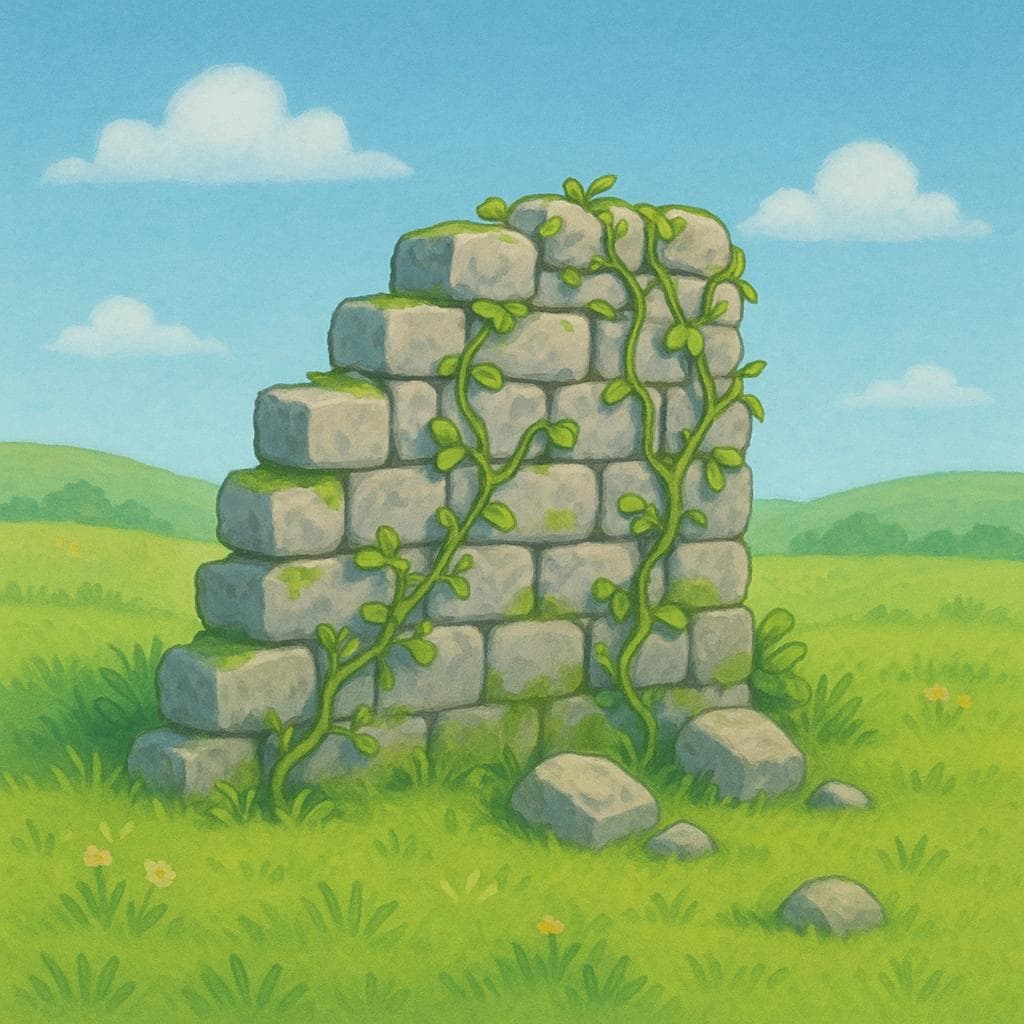

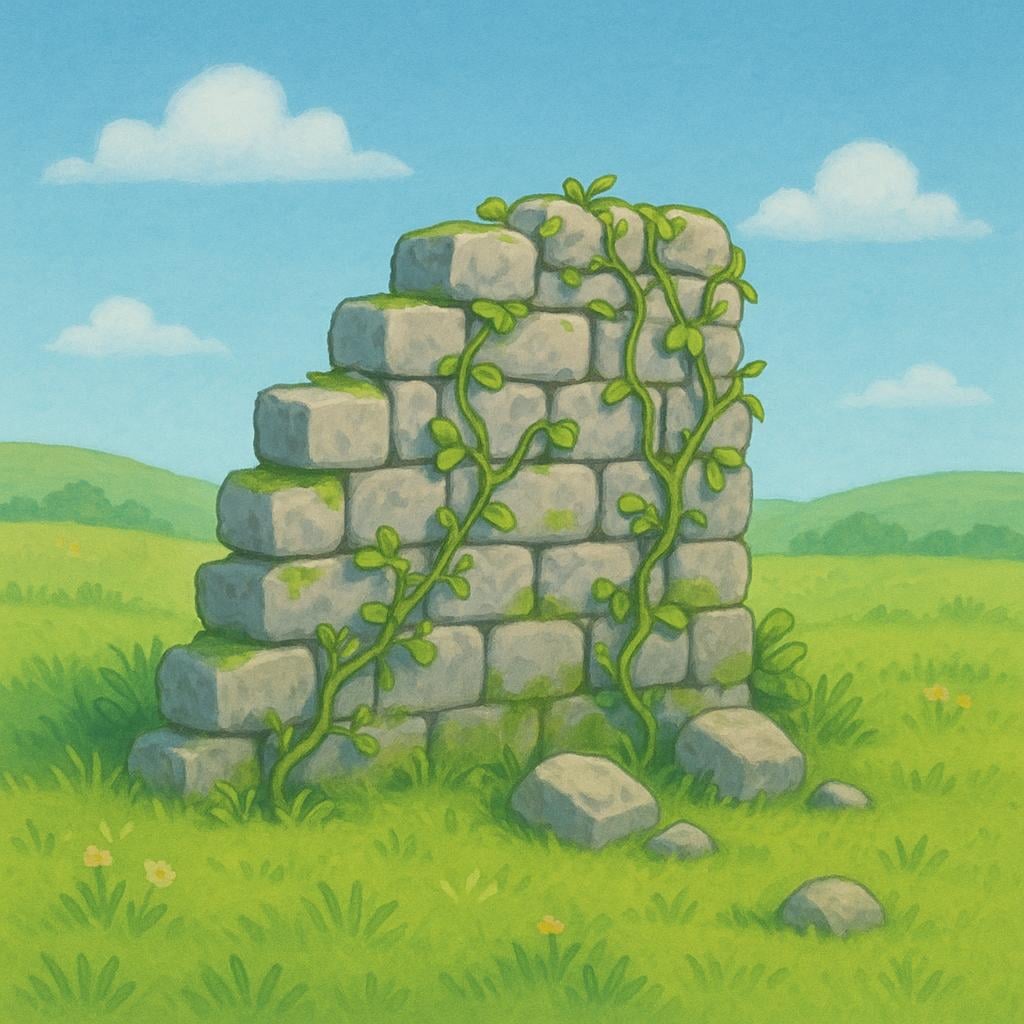
ruinAlso: ruins
📝 In Action
Visitamos las ruinas de la antigua civilización maya.
A2We visited the ruins of the ancient Mayan civilization.
Después del terremoto, solo quedó una ruina de la iglesia.
B1After the earthquake, only a ruin remained of the church.
Word Connections
ruinAlso: bankruptcy, downfall

📝 In Action
La crisis llevó a muchos pequeños negocios a la ruina.
B2The crisis led many small businesses to ruin.
Su adicción al juego fue su ruina personal.
C1His gambling addiction was his personal downfall.
No puedo comprar eso; me dejaría en la ruina.
B2I can't buy that; it would leave me broke/ruined.
Word Connections
disasterAlso: mess, wreck
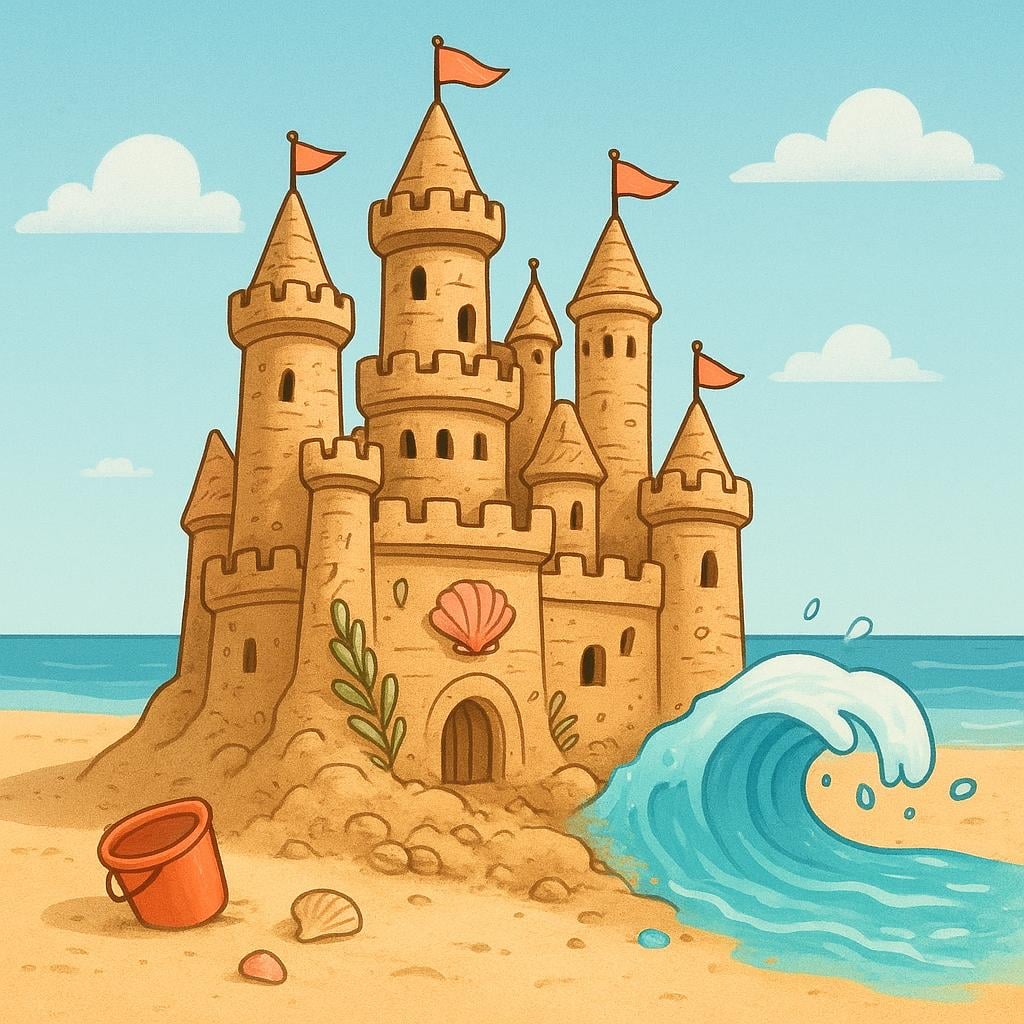
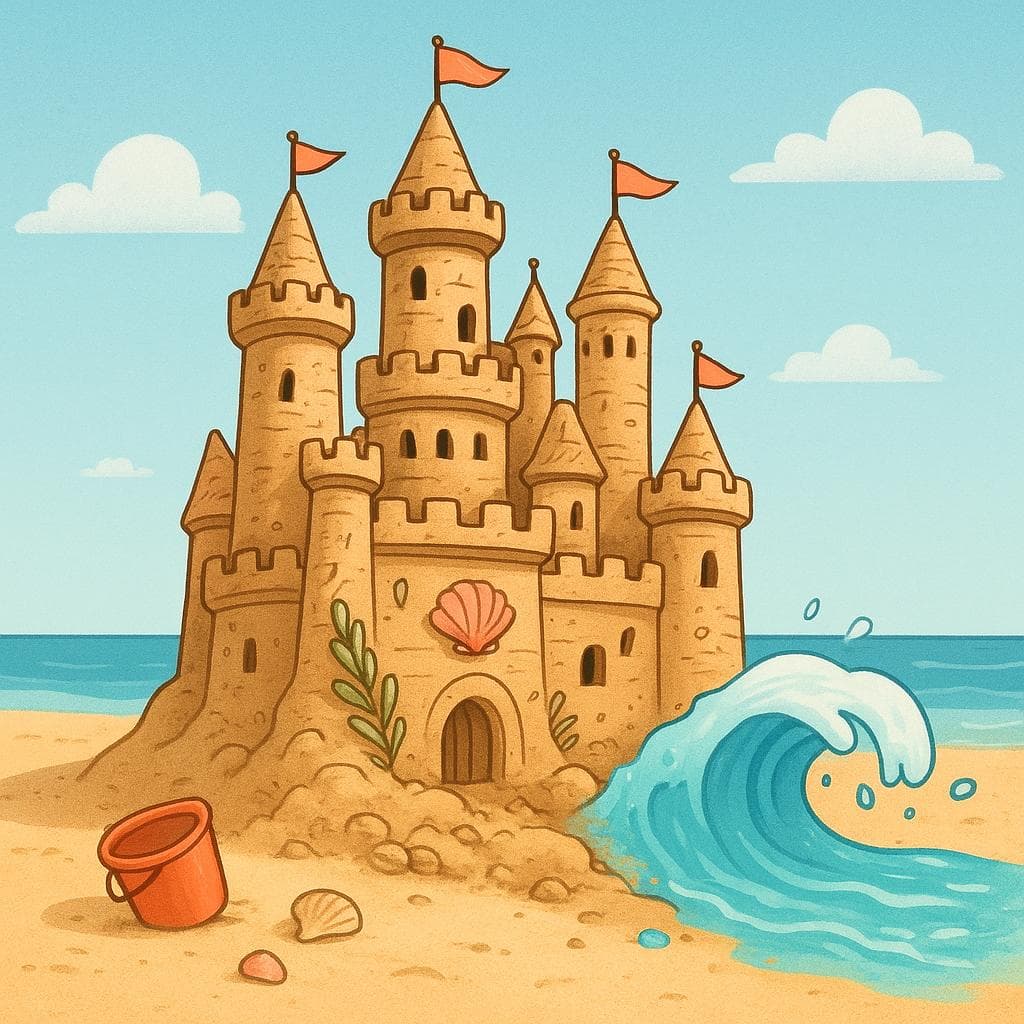
📝 In Action
Mi viejo móvil es una ruina, la batería dura dos horas.
C1My old phone is a disaster/wreck; the battery only lasts two hours.
¡Qué ruina de fin de semana! Llovió sin parar.
C1What a disaster of a weekend! It rained non-stop.
Word Connections
Translate to Spanish
✏️ Quick Practice
Quick Quiz: ruina
Question 1 of 1
Which sentence uses 'ruina' to mean financial failure?
📚 More Resources
👥 Word Family
🎵 Rhymes
📚 Etymology
Comes from the Latin word 'ruina,' meaning 'a falling down' or 'a collapse.' It originally referred to physical destruction but quickly expanded to include financial and moral downfall.
First recorded: 13th century
Cognates (Related words)
💡 Master Spanish
Take your Spanish to the next level. Read 200+ illustrated and narrated Spanish stories tailored to your level with the Inklingo app!
Frequently Asked Questions
How do I say 'This is a ruin' when referring to an old, broken-down object?
You can use 'Esto es una ruina' or, more commonly, 'Esto está hecho una ruina.' This emphasizes that the object is in a terrible, destroyed state.
Is 'ruina' always negative?
Yes, 'ruina' almost always carries a negative meaning, referring to destruction, collapse, failure, or high cost. Even when talking about historical 'ruins,' it refers to a structure that has been destroyed.