restos
“restos” means “leftovers” in Spanish. It has 3 different meanings depending on context:


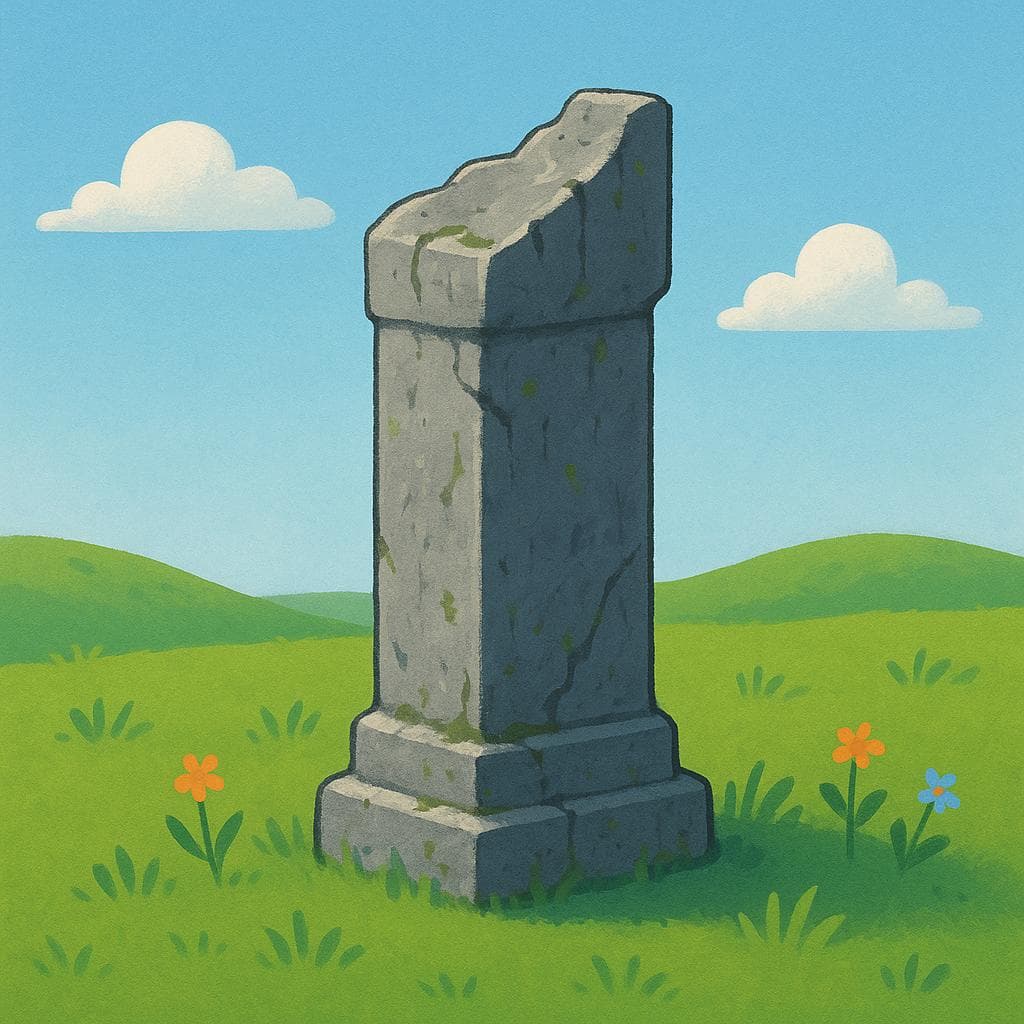
leftoversAlso: remains, scraps

📝 In Action
Por favor, guarda los restos de la pizza para mañana.
A2Please save the pizza leftovers for tomorrow.
Tuvimos que limpiar los restos de la tormenta en el jardín.
B1We had to clean up the remains of the storm in the garden.
Word Connections
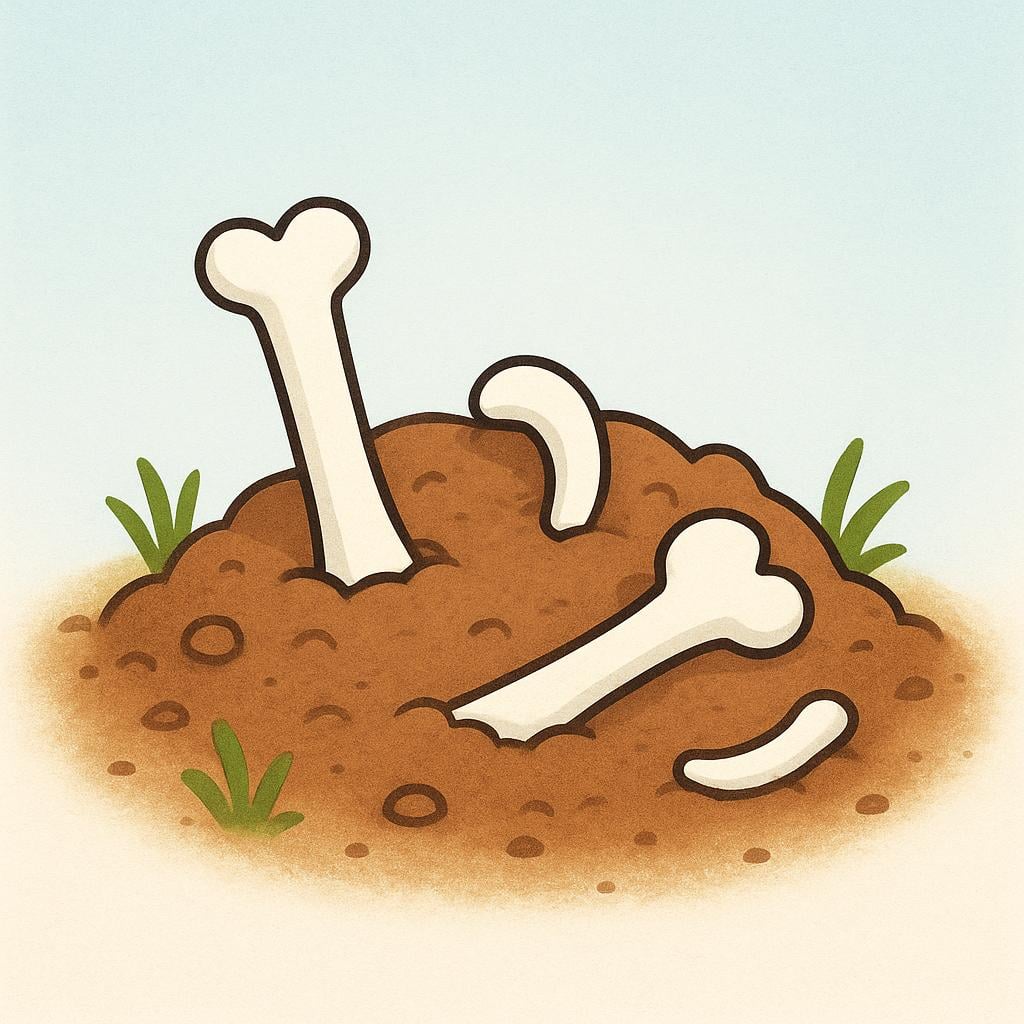
remainsAlso: ashes, human remains
📝 In Action
Los restos del poeta fueron trasladados a un mausoleo nacional.
B1The poet's remains were moved to a national mausoleum.
El arqueólogo descubrió restos óseos muy antiguos.
B2The archaeologist discovered very ancient skeletal remains.
Word Connections
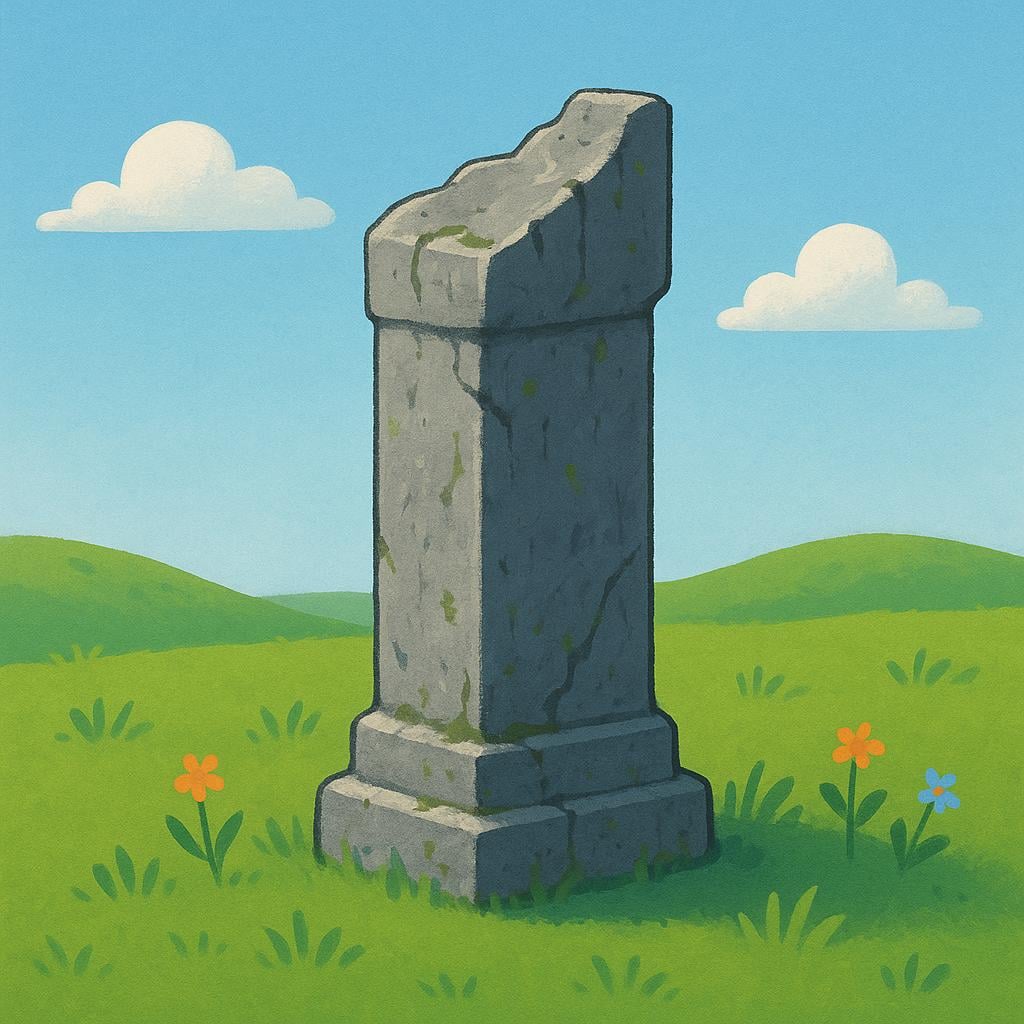
remnantsAlso: vestiges, traces
📝 In Action
Solo quedan restos de la civilización perdida en esta zona.
B2Only remnants of the lost civilization remain in this area.
Aún se veían restos de nieve en las cimas de las montañas.
C1Traces of snow could still be seen on the mountain tops.
Word Connections
Translate to Spanish
✏️ Quick Practice
Quick Quiz: restos
Question 1 of 1
Which sentence correctly uses 'restos' to mean physical fragments or leftovers?
📚 More Resources
🎵 Rhymes
📚 Etymology
The word comes from the Latin verb *restare*, meaning 'to remain' or 'to be left over.' It describes something that is physically left behind after an event or action.
First recorded: 13th century
Cognates (Related words)
💡 Master Spanish
Take your Spanish to the next level. Read 200+ illustrated and narrated Spanish stories tailored to your level with the Inklingo app!
Frequently Asked Questions
What is the difference between 'resto' and 'restos'?
'El resto' (singular) means 'the remaining quantity, amount, or group' (e.g., 'the rest of the day,' 'the rest of the people'). 'Los restos' (plural) means 'physical fragments, debris, leftovers, or mortal remains.'
Can I use 'resto' to talk about a single leftover piece of food?
It's much more natural to use the plural 'restos' or 'una sobra' (a leftover piece) even if you are only talking about one thing, because the word implies a collection of pieces left over from the whole.