ruinas
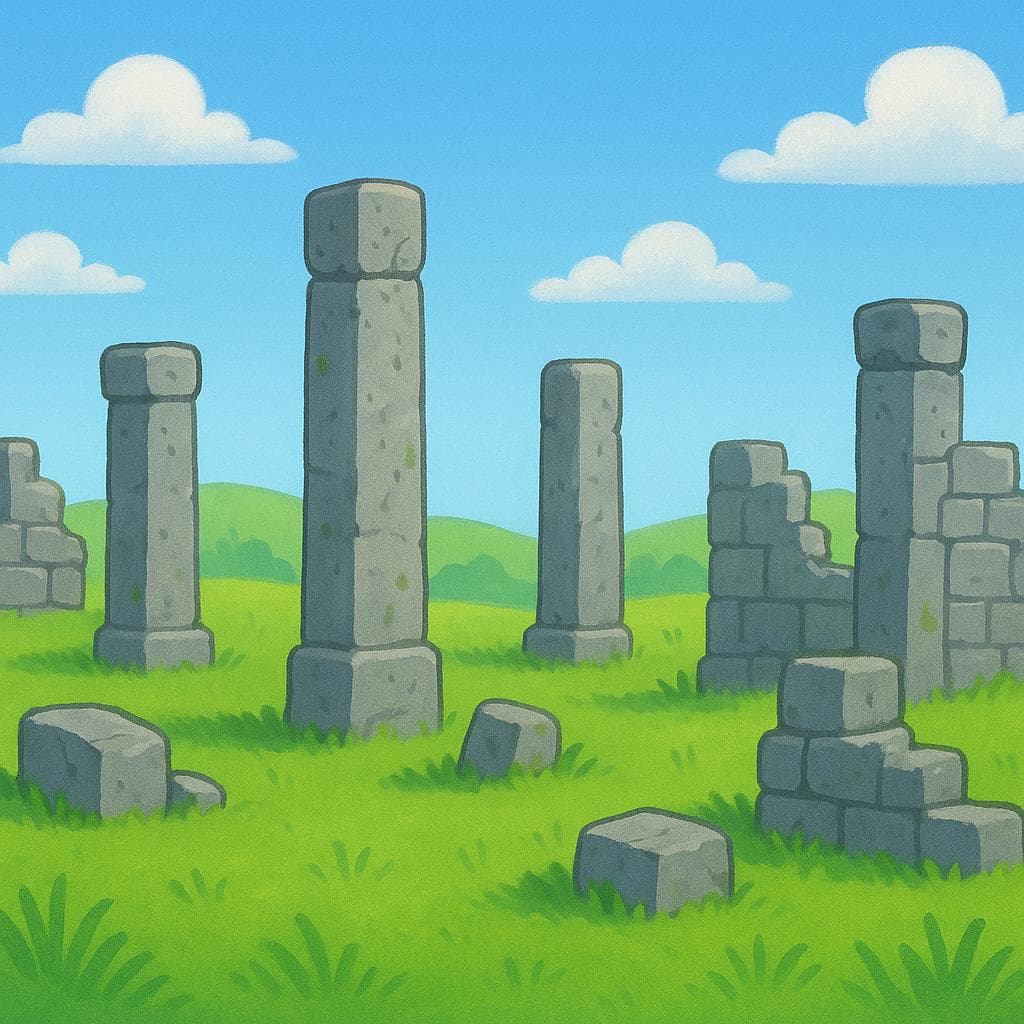
“ruinas” means “ruins” in Spanish. It has 2 different meanings depending on context:
ruins
Also: remains
📝 In Action
Fuimos a visitar las ruinas de Machu Picchu.
A2We went to visit the ruins of Machu Picchu.
Las ruinas romanas están muy bien conservadas.
A2The Roman ruins are very well preserved.
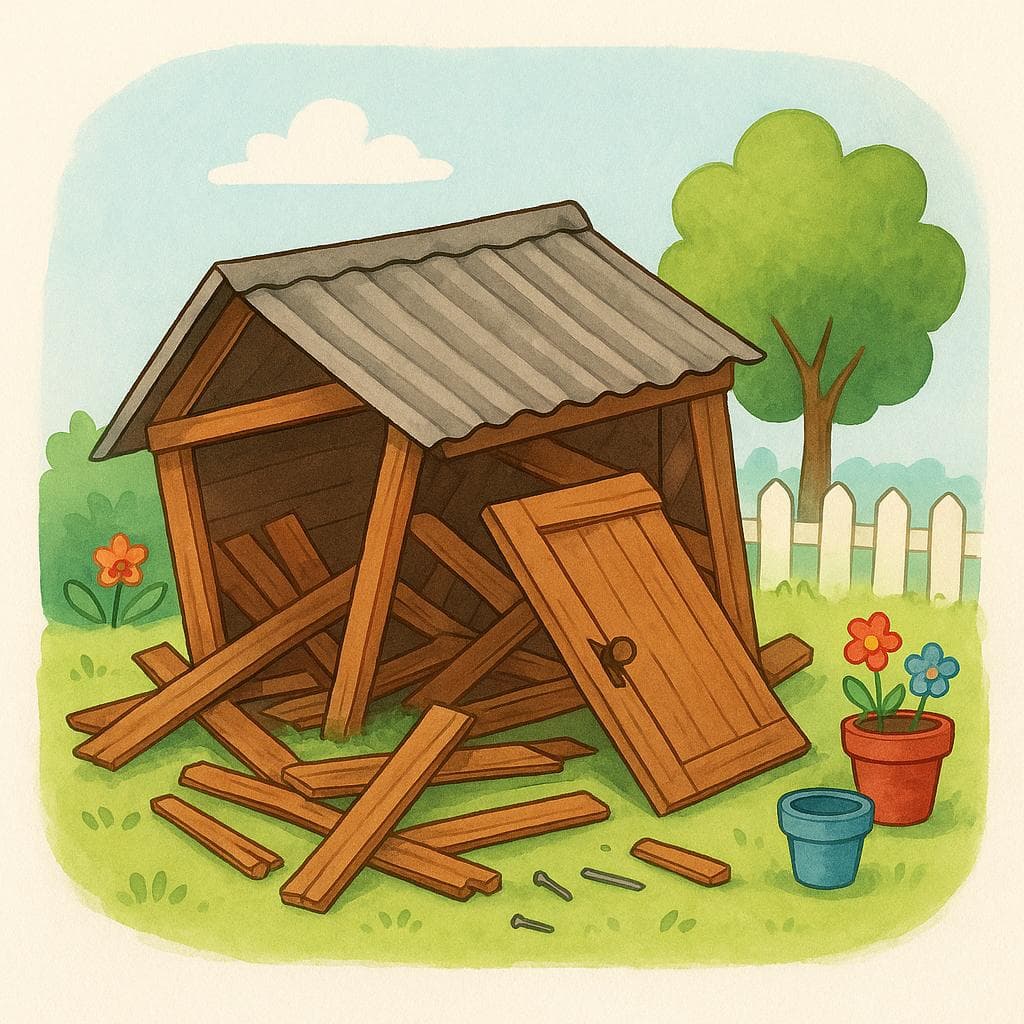
ruin
Also: wreckage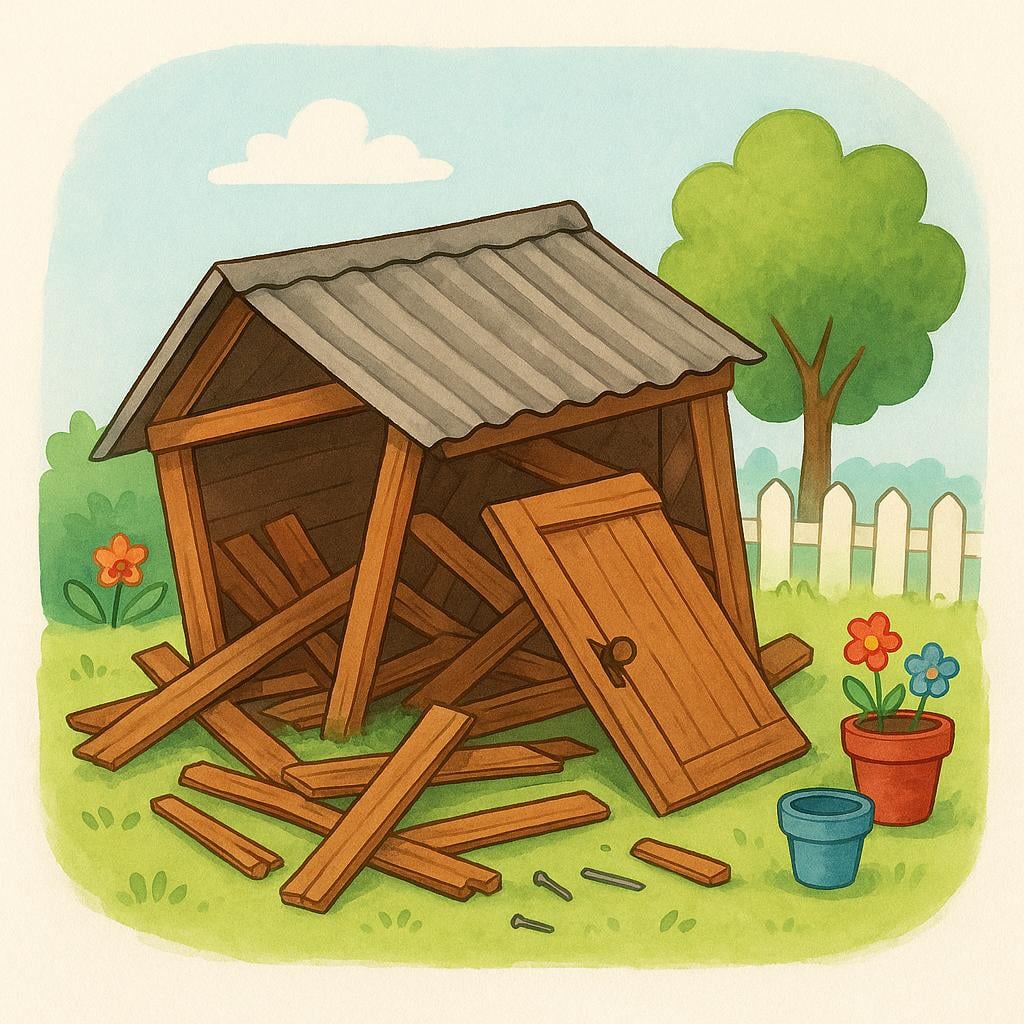
📝 In Action
Su vida estaba en ruinas después de perder su trabajo.
B2His life was in ruins after losing his job.
La economía del país quedó en ruinas.
B2The country's economy was left in ruins.
✏️ Quick Practice
Quick Quiz: ruinas
Question 1 of 2
Which of these is the correct way to say 'The Roman ruins'?
📚 More Resources
👥 Word Family▼
🎵 Rhymes▼
📚 Etymology▼
From the Latin word 'ruina', which comes from 'ruere', meaning 'to fall down' or 'to rush down'.
First recorded: 13th century
Cognates (Related words)
💡 Master Spanish
Take your Spanish to the next level. Read 200+ illustrated and narrated Spanish stories tailored to your level with the Inklingo app!
Frequently Asked Questions
Is 'ruinas' always plural?
Not always, but it is very common in the plural when referring to historical sites. 'La ruina' (singular) is often used to mean 'downfall' or 'economic ruin'.
Can I use 'ruinas' for a messy room?
Not usually. For a messy room, Spanish speakers prefer 'desastre' or 'caos'. 'Ruinas' implies something is broken or collapsed, not just untidy.