How to Say "scraps" in Spanish
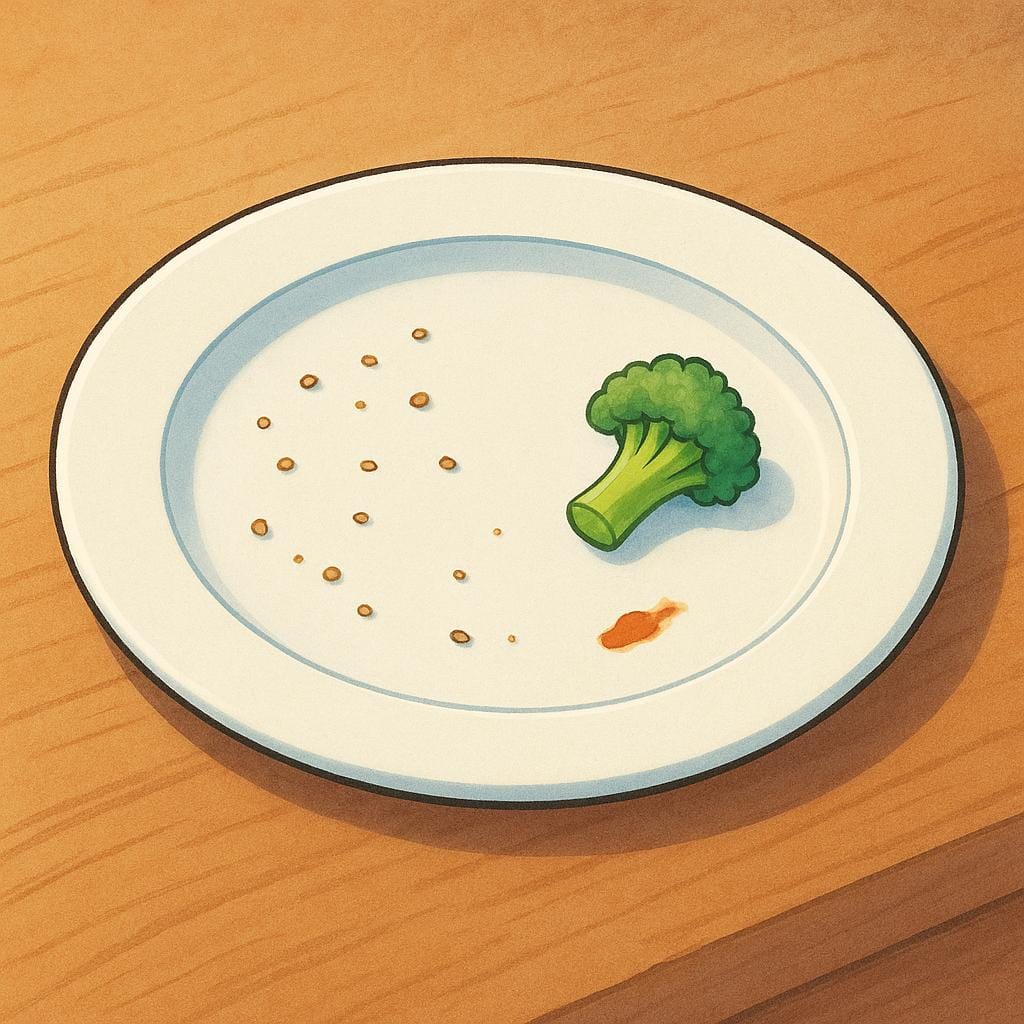
The most common Spanish word for “scraps” is “restos” — use 'restos' specifically when referring to leftover food that you plan to save or eat later.
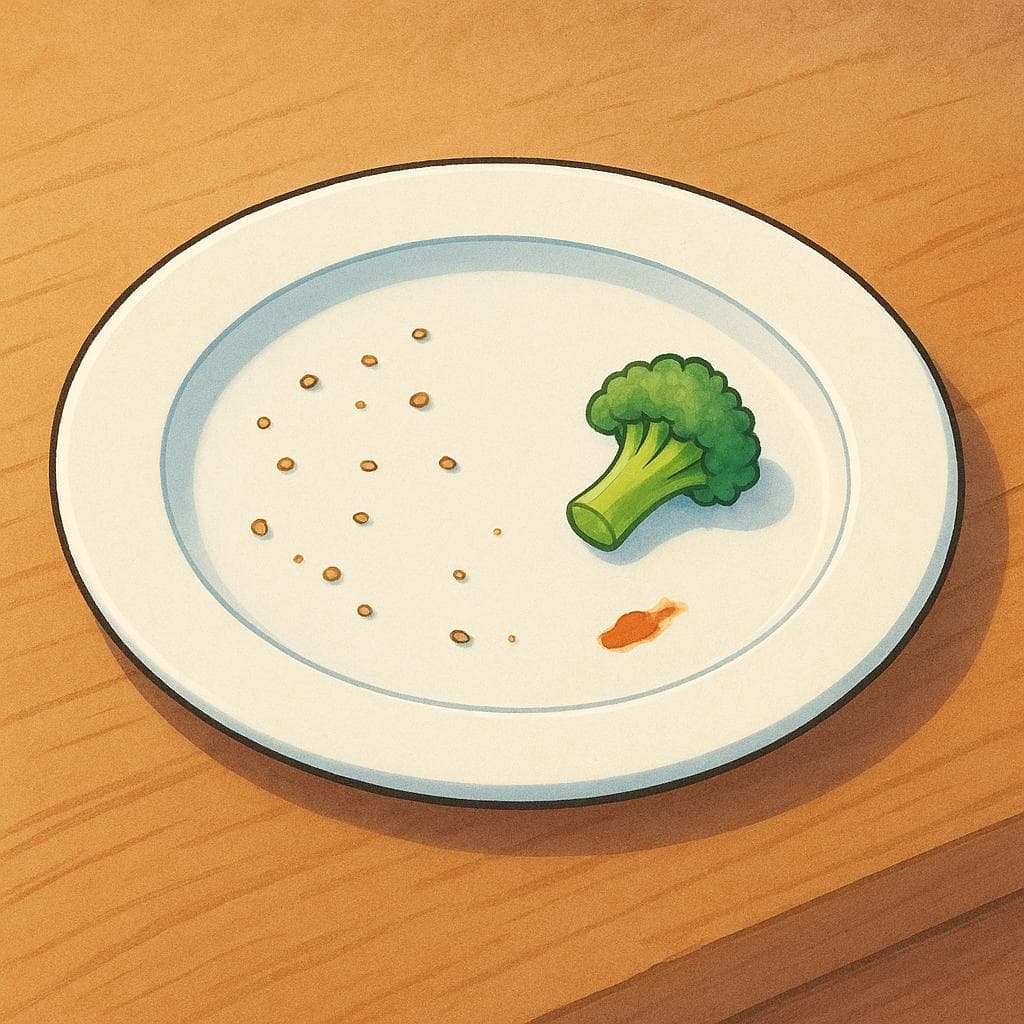

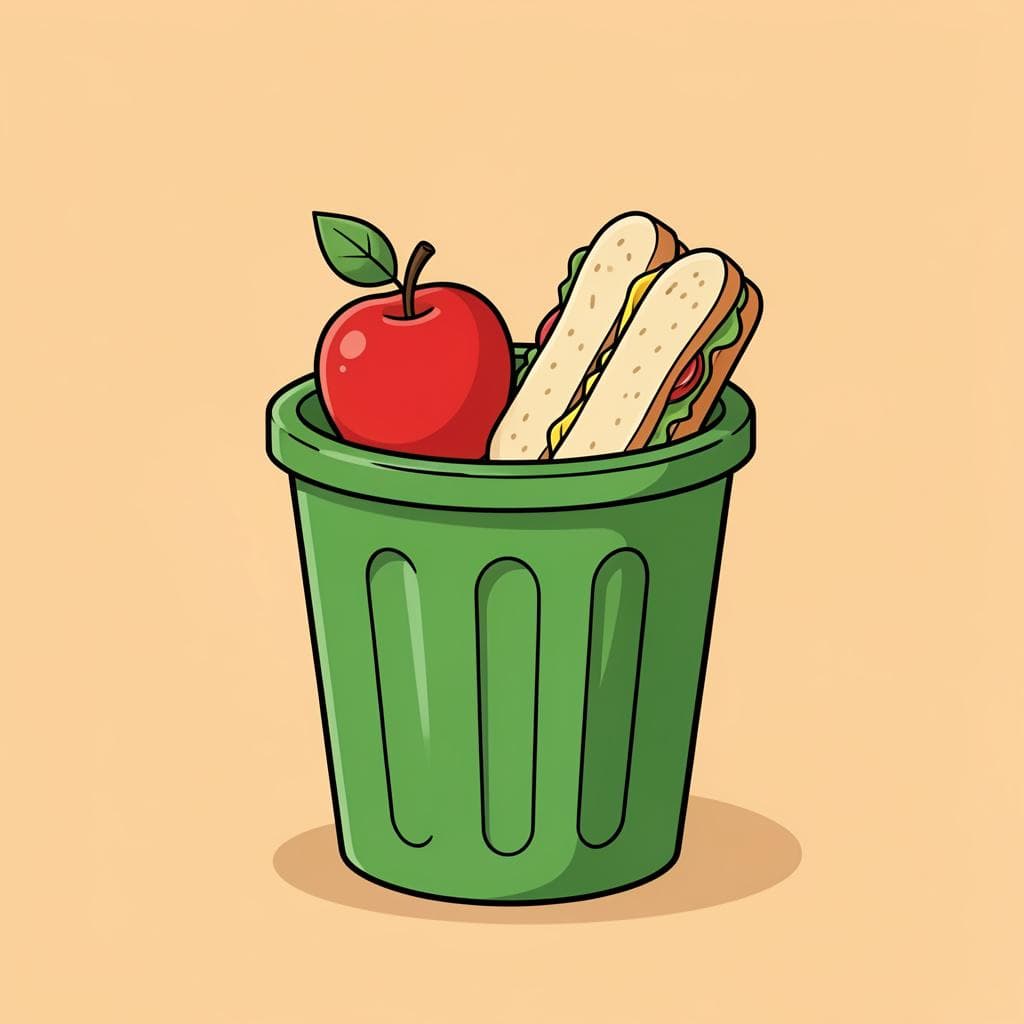
restos
RESS-tohsˈres.tos
Examples
Por favor, guarda los restos de la pizza para mañana.
Please save the pizza leftovers for tomorrow.
Tuvimos que limpiar los restos de la tormenta en el jardín.
We had to clean up the remains of the storm in the garden.
Always Plural
When talking about physical scraps or food, 'restos' is almost always used in the plural form, even though its base word ('resto') is singular.
Confusing 'Resto' and 'Restos'
Mistake: “Me comí el resto.”
Correction: Me comí los restos. ('El resto' means 'the rest of the group/amount,' while 'los restos' means 'the physical pieces/scraps.')
fragmentos
frahg-MEN-tohsfɾaɣˈmentos

Examples
Había fragmentos de vidrio por todo el suelo.
There were fragments of glass all over the floor.
Los arqueólogos encontraron fragmentos de cerámica antigua.
The archaeologists found fragments of ancient pottery.
Plural Naming Words
This is the plural form of 'fragmento'. Because it ends in 'os', it tells us there is more than one and that the word is masculine.
Gender Agreement
Mistake: “las fragmentos”
Correction: los fragmentos
desperdicio
des-pair-DEE-syohdespeɾˈdisjo
Examples
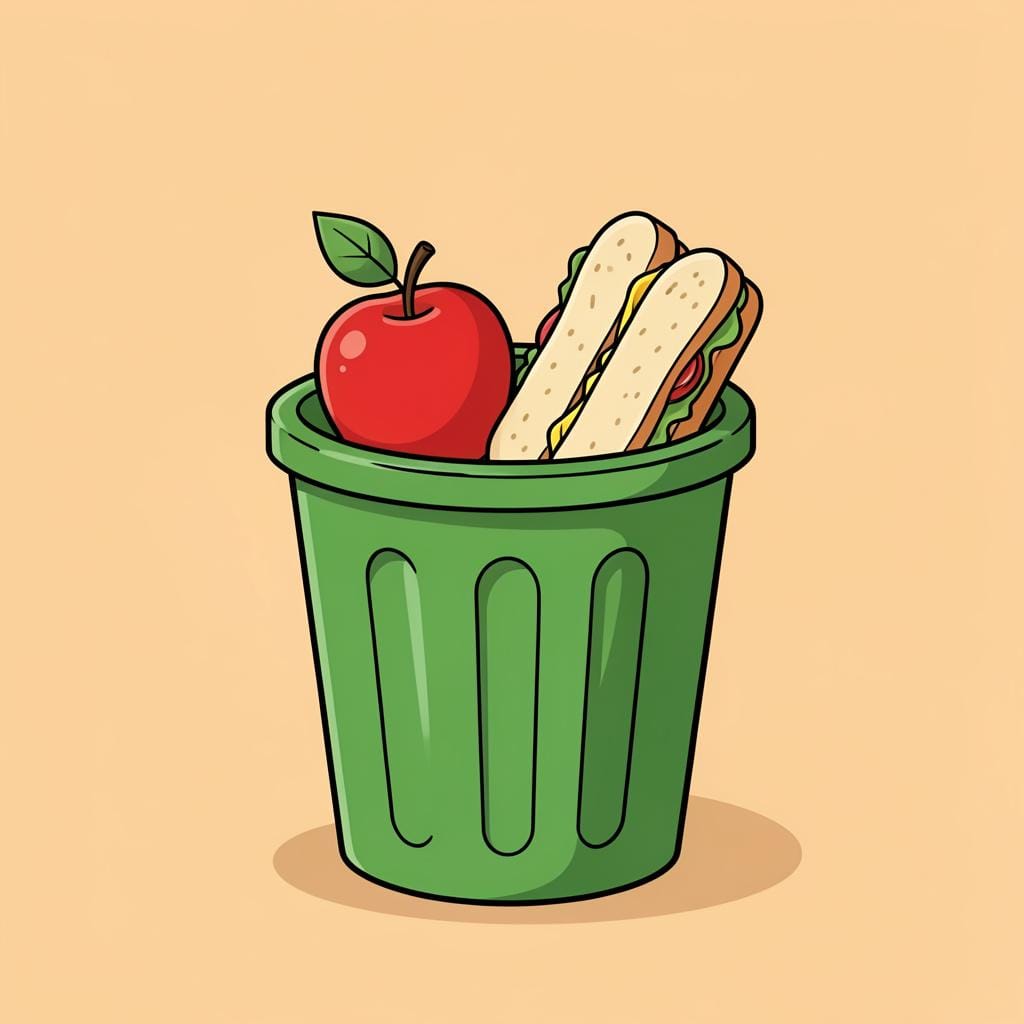
Tirar comida es un gran desperdicio.
Throwing away food is a huge waste.
Recogieron los desperdicios de la construcción.
They picked up the construction debris.
Always Masculine
Even if you are talking about 'waste' in a general sense, the word is always masculine: 'el desperdicio'.
Desperdicio vs. Basura
Mistake: “Using 'desperdicio' for the bag of trash you put on the curb.”
Correction: Use 'basura' for general trash. Use 'desperdicio' specifically when talking about things that *could* have been used but weren't, or specific scraps like food bits.
Food Leftovers vs. Waste
Related Translations
Learn Spanish with Inklingo
Interactive stories, personalized learning, and more.