How to Say "ashes" in Spanish
The most common Spanish word for “ashes” is “cenizas” — use 'cenizas' when referring to the powdery residue left after something has burned, like wood, paper, or a building.
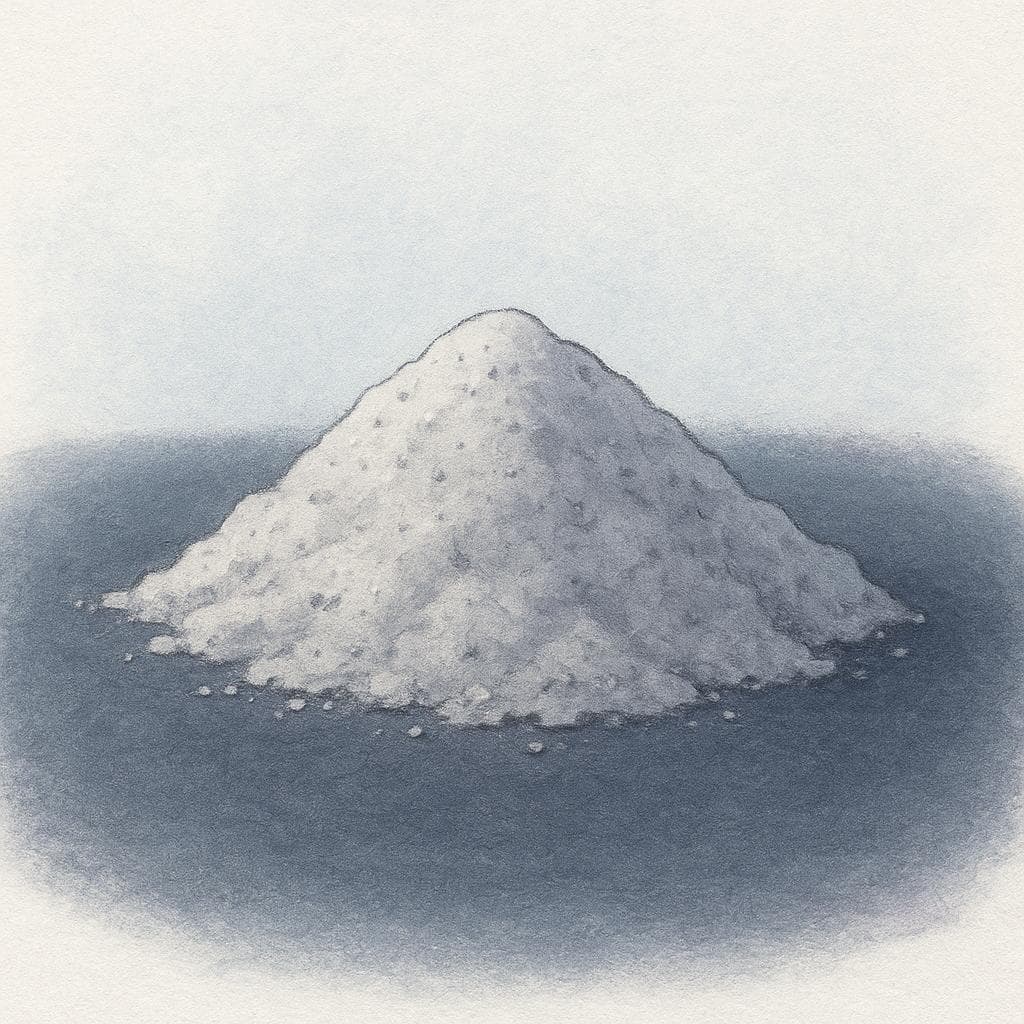

cenizas
seh-NEE-sasθeˈnisas
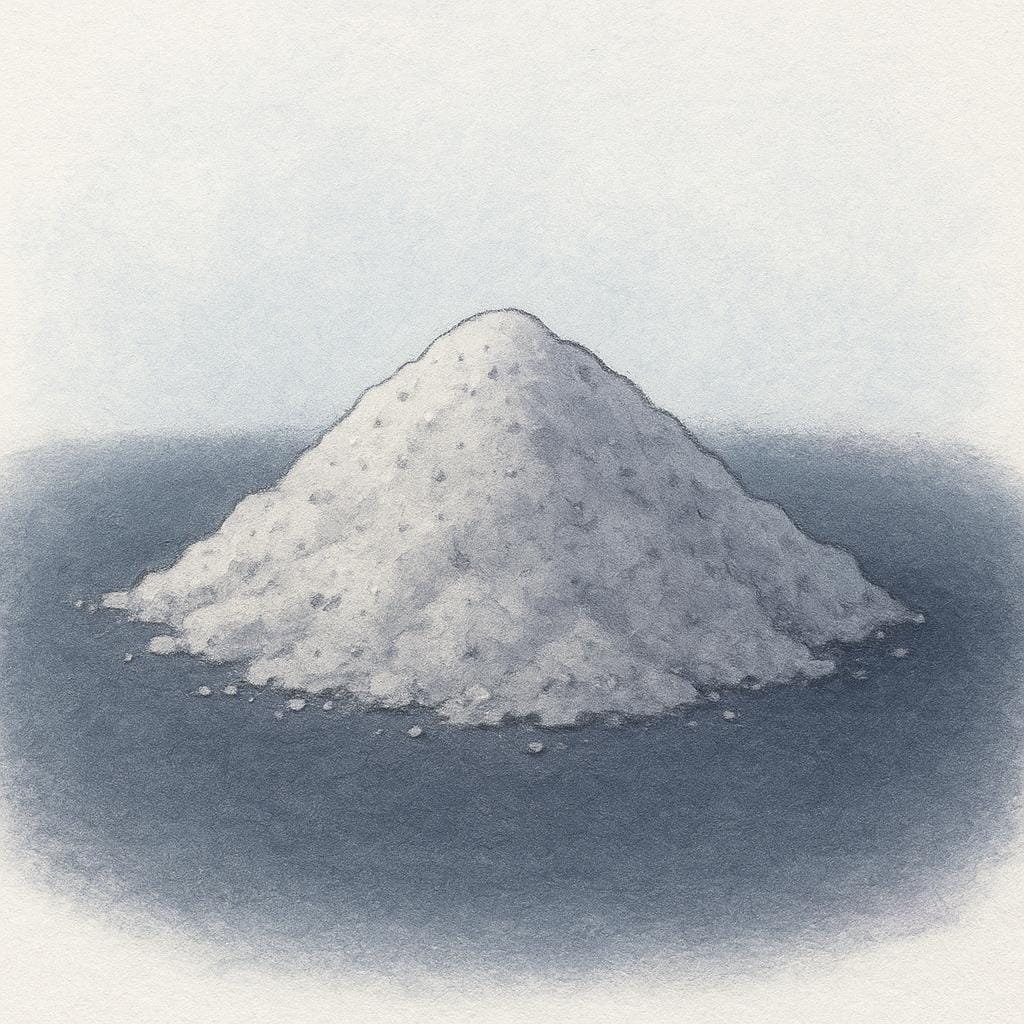
Examples
Las cenizas del volcán cubrieron los campos.
The volcano's ashes covered the fields.
Después del incendio, solo quedaron cenizas.
After the fire, only ashes remained.
Hay que limpiar las cenizas de la chimenea.
We need to clean the ashes out of the fireplace.
La erupción cubrió el pueblo con cenizas volcánicas.
The eruption covered the town with volcanic ash.
Always Plural
In Spanish, 'cenizas' is almost always used in the plural form, even if you are referring to a single mass of ash.
Using the Singular
Mistake: “Poner la ceniza en el cubo.”
Correction: Poner las cenizas en el cubo. (The plural form is standard for the substance.)
restos
RESS-tohsˈres.tos

Examples
Los restos de mi abuela están en el jardín.
My grandmother's remains are in the garden.
Los restos del poeta fueron trasladados a un mausoleo nacional.
The poet's remains were moved to a national mausoleum.
El arqueólogo descubrió restos óseos muy antiguos.
The archaeologist discovered very ancient skeletal remains.
Solemn Usage
This meaning is almost always used in formal or serious writing, such as news reports or historical documents.
Ash vs. Cremated Remains
Learn Spanish with Inklingo
Interactive stories, personalized learning, and more.