How to Say "ruins" in Spanish
The most common Spanish word for “ruins” is “ruina” — use 'ruina' (often plural 'las ruinas') when talking about the physical remains of old buildings or ancient sites.
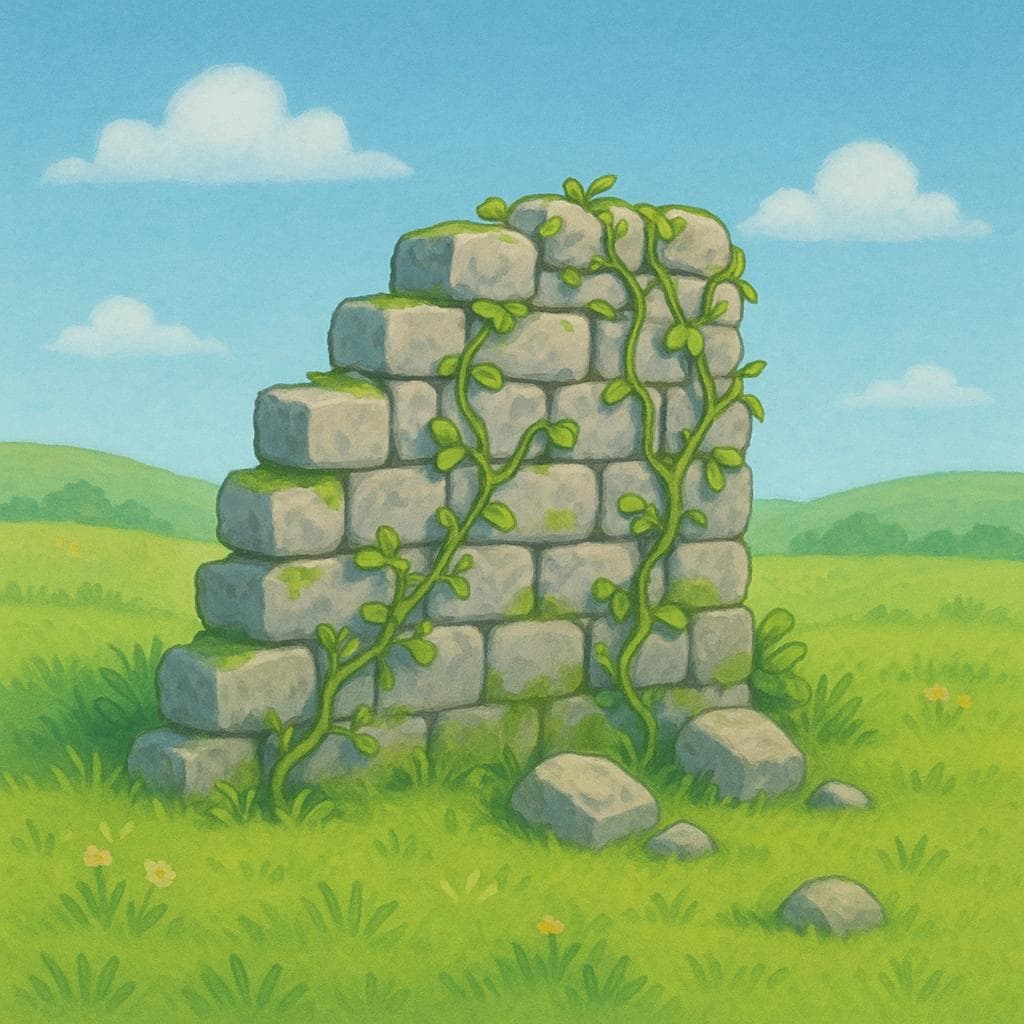
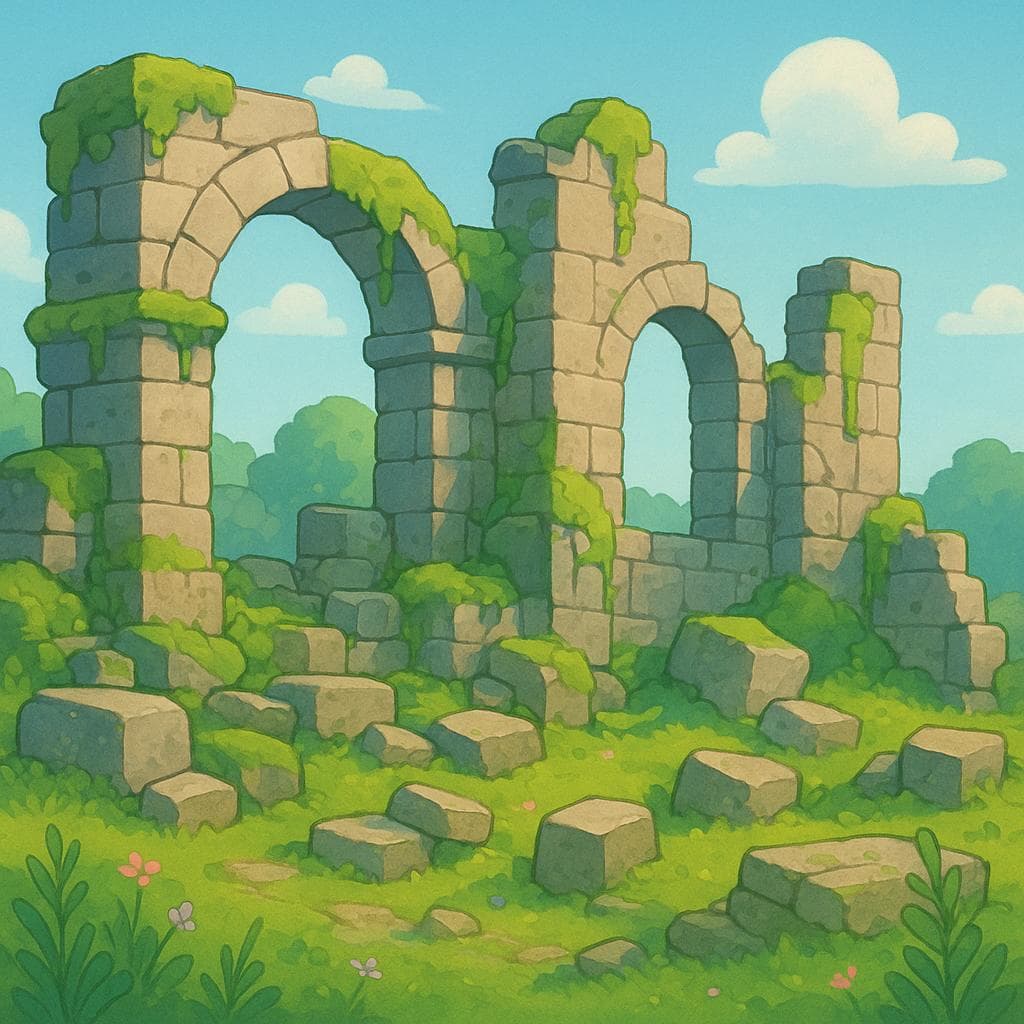
ruina
RWE-nahˈrwi.na
Examples
Visitamos las ruinas de la antigua civilización maya.
We visited the ruins of the ancient Mayan civilization.
Después del terremoto, solo quedó una ruina de la iglesia.
After the earthquake, only a ruin remained of the church.
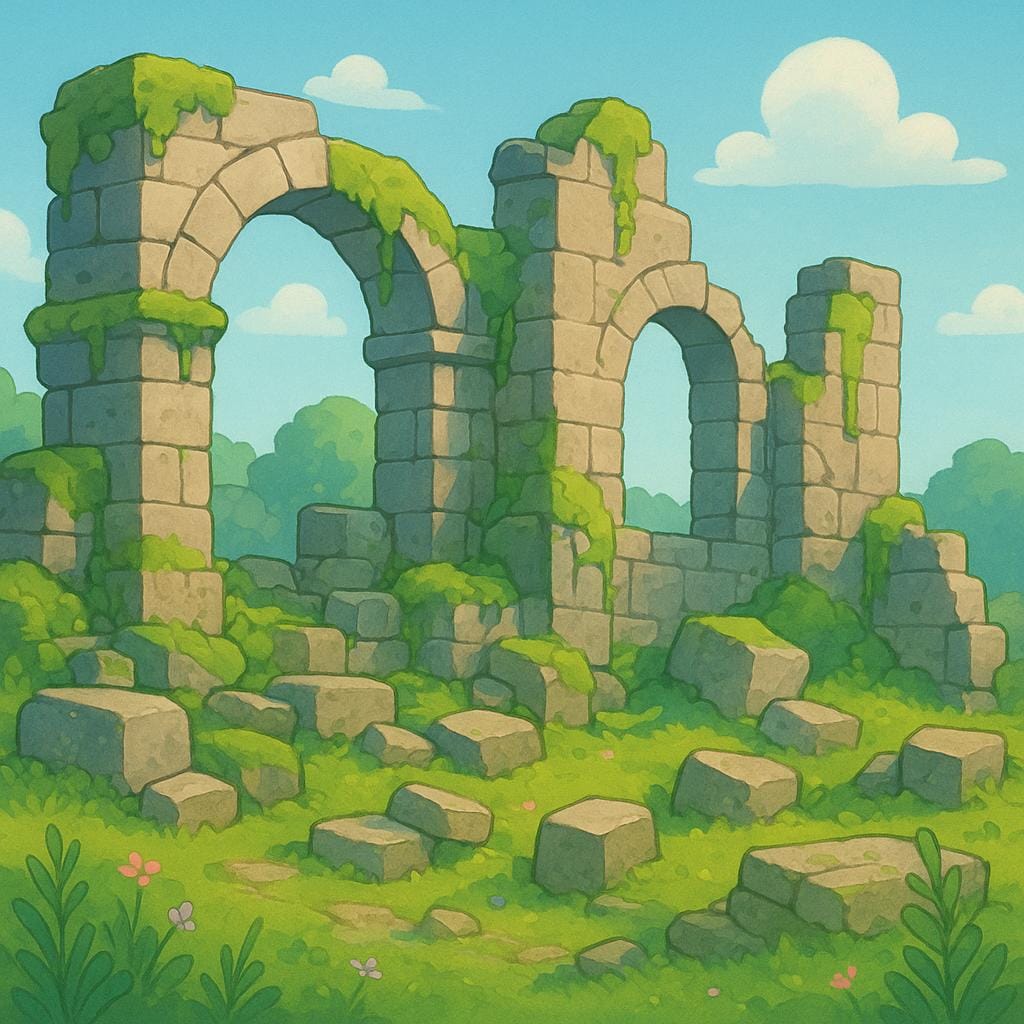
cenizas
seh-NEE-sasθeˈnisas
Examples
Toda su empresa quedó reducida a cenizas tras la crisis económica.
His entire company was reduced to ruins (ashes) after the economic crisis.
Solo quedan cenizas de lo que fue su gran amor.
Only the remnants (ashes) remain of what was once their great love.
Figurative Use
This meaning is often used with verbs like 'reducir' (to reduce) or 'quedar' (to remain) to describe complete failure or destruction.
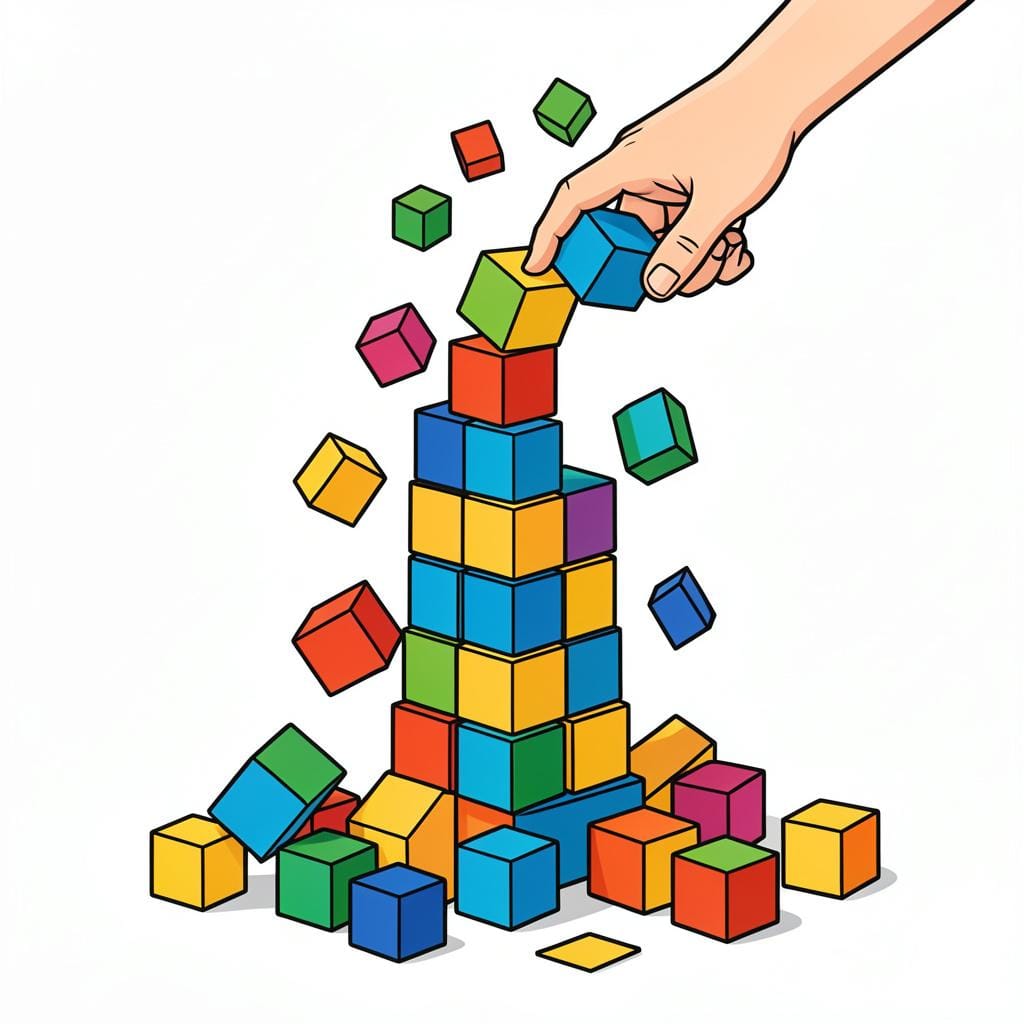
destruye
des-TROO-yehdesˈtɾu.ʝe
Examples
El fuego destruye el bosque.
The fire destroys the forest.
Ese ruido me destruye la paciencia.
That noise is destroying my patience.
¡Destruye ese documento ahora!
Destroy that document now!
The Spelling Change
In this word, the letter 'i' from the base verb (destruir) turns into a 'y' because it sits between two vowels. This keeps the pronunciation strong.
Double Duty
'Destruye' works both as a statement (He destroys) and as a direct command (Destroy!). Context tells you which is which.
The Y vs I trap
Mistake: “destruie”
Correction: destruye; Spanish usually avoids having an 'i' between two vowels in these types of verbs, so we use 'y' instead.
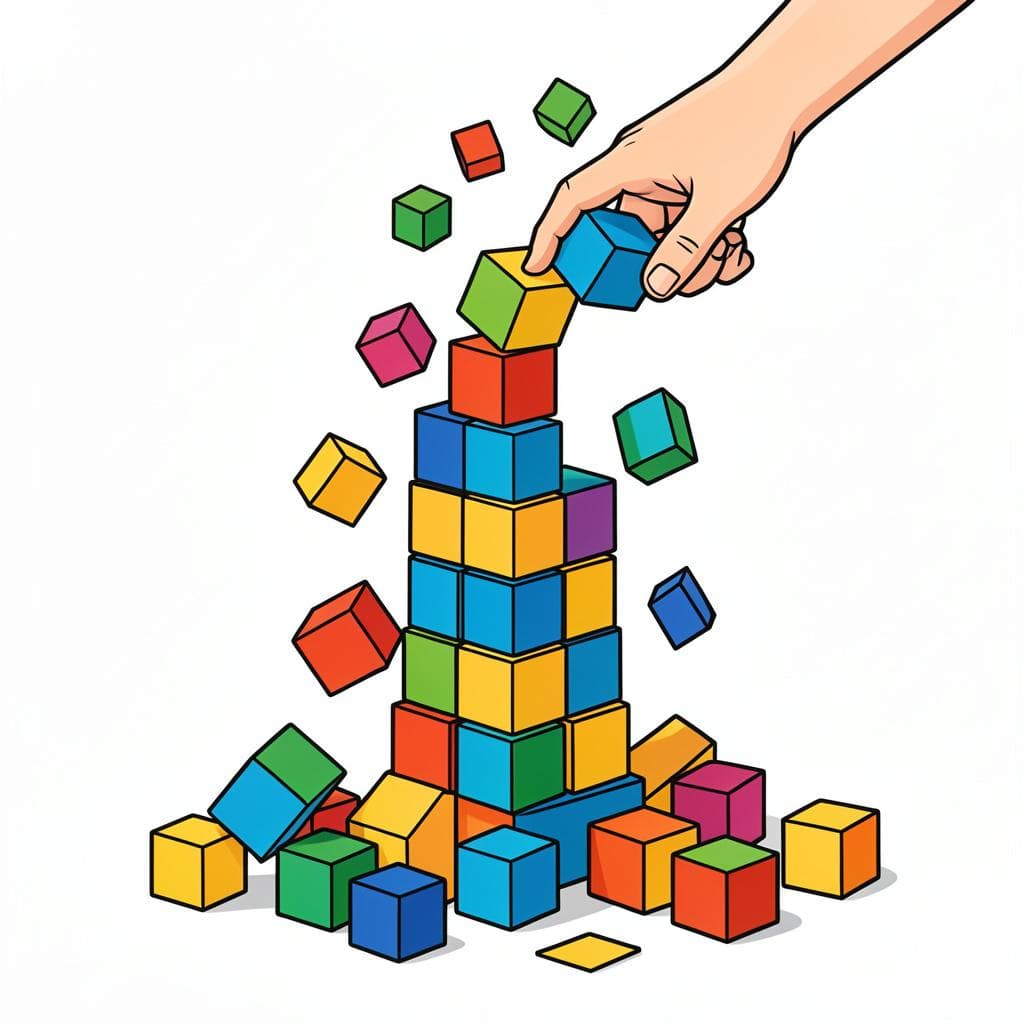
Noun vs. Verb: Physical Remains vs. Action
Related Translations
Learn Spanish with Inklingo
Interactive stories, personalized learning, and more.