cenizas
“cenizas” means “ashes” in Spanish. It has 2 different meanings depending on context:
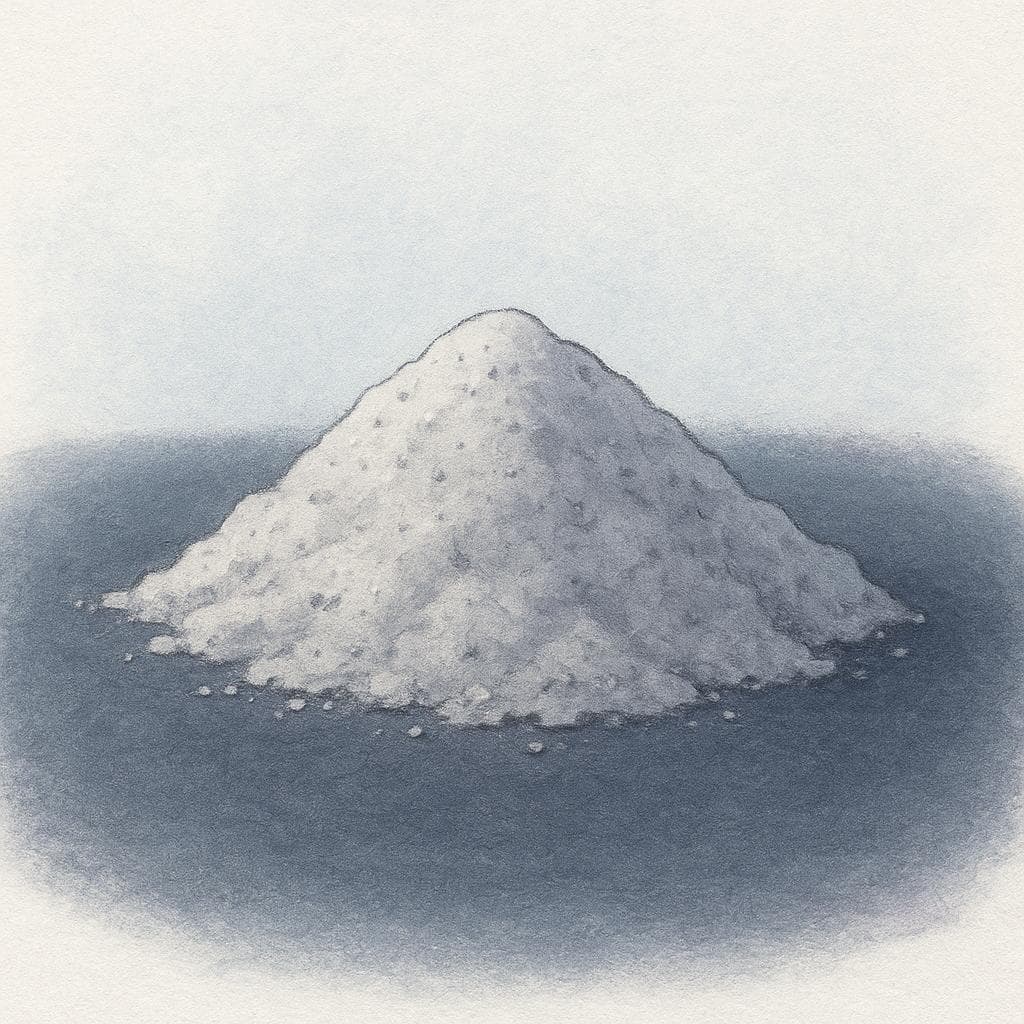
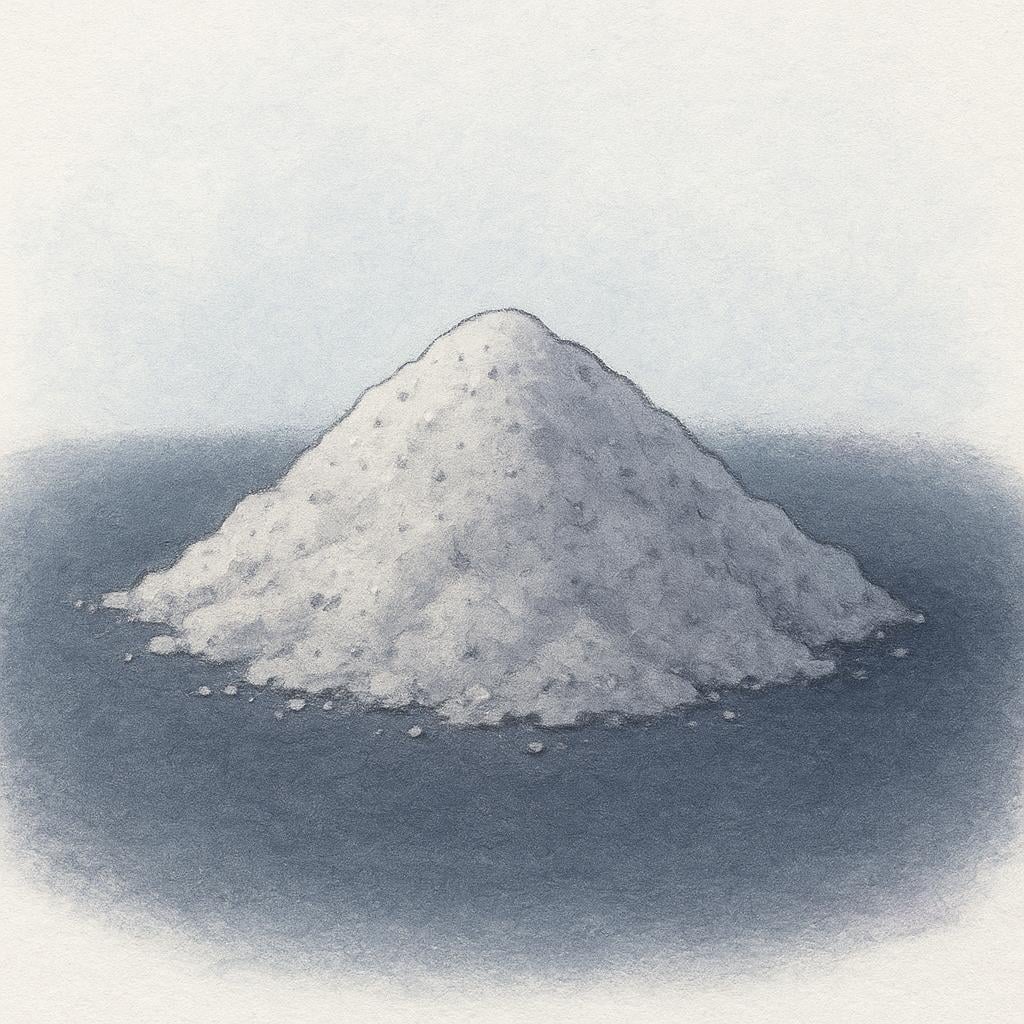
ashes, ashAlso: cinder
📝 In Action
Después del incendio, solo quedaron cenizas.
A2After the fire, only ashes remained.
Hay que limpiar las cenizas de la chimenea.
A2We need to clean the ashes out of the fireplace.
La erupción cubrió el pueblo con cenizas volcánicas.
B1The eruption covered the town with volcanic ash.
Word Connections
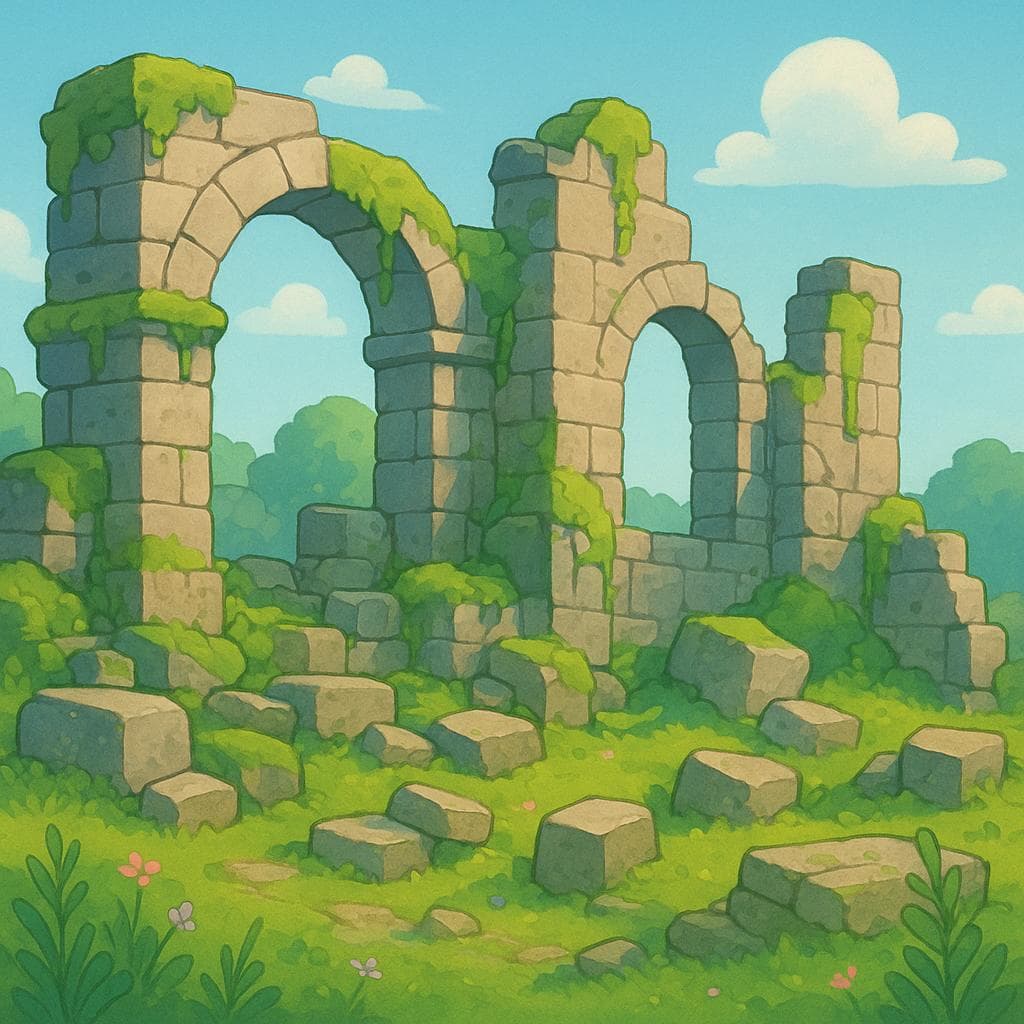
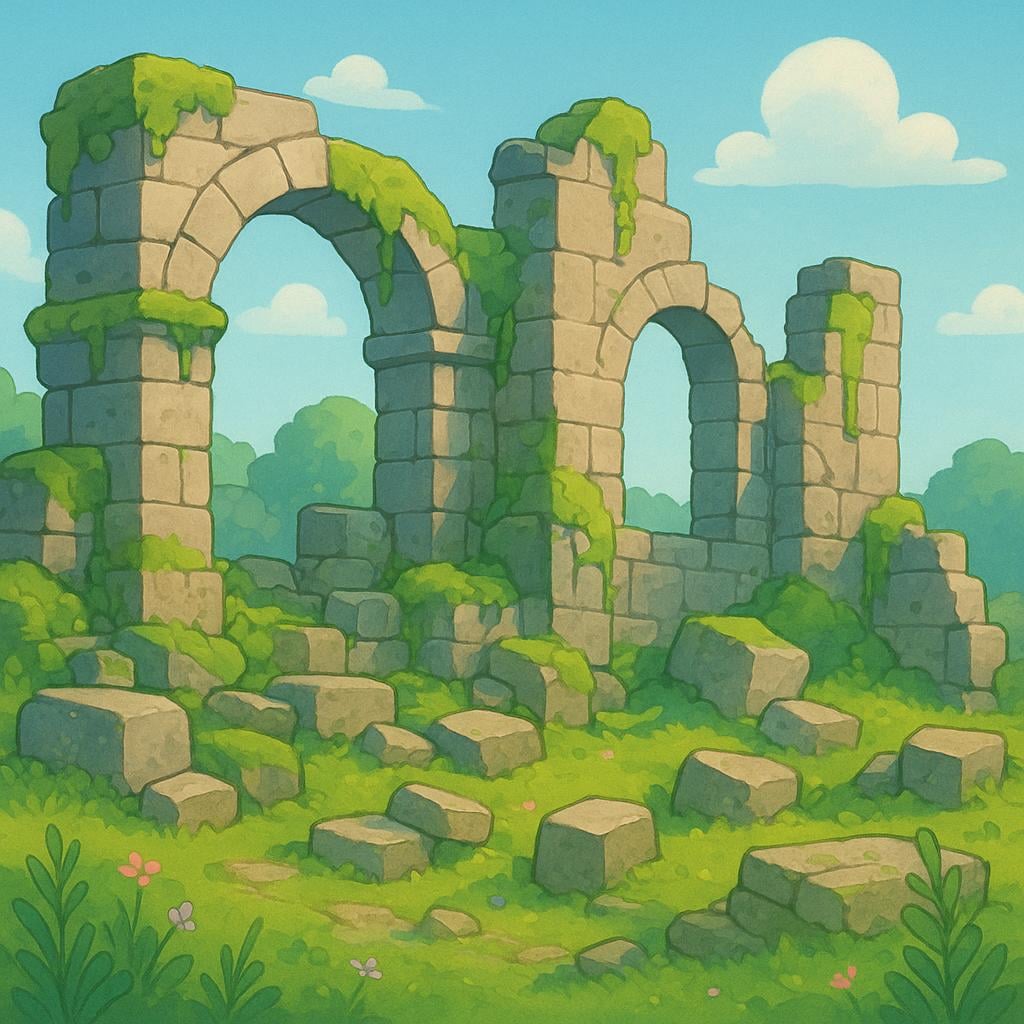
ruinsAlso: remnants
📝 In Action
Toda su empresa quedó reducida a cenizas tras la crisis económica.
B2His entire company was reduced to ruins (ashes) after the economic crisis.
Solo quedan cenizas de lo que fue su gran amor.
C1Only the remnants (ashes) remain of what was once their great love.
Word Connections
✏️ Quick Practice
Quick Quiz: cenizas
Question 1 of 1
Which sentence correctly uses 'cenizas' in its literal meaning?
📚 More Resources
👥 Word Family
🎵 Rhymes
📚 Etymology
Comes from the Latin word *cinis* (plural *cineres*), meaning 'ash.' It has maintained the idea of residue from fire since ancient times.
First recorded: Old Spanish (around the 13th century)
Cognates (Related words)
💡 Master Spanish
Take your Spanish to the next level. Read 200+ illustrated and narrated Spanish stories tailored to your level with the Inklingo app!
Frequently Asked Questions
¿Por qué 'cenizas' es plural si en inglés se puede decir 'ash' (singular)?
In Spanish, the substance (ash) is almost always treated as a collection of particles, so it is naturally used in the plural form, 'cenizas.' Think of it like the English word 'belongings' or 'trousers,' which are always plural.
If I only want to refer to a single piece of ash, what should I say?
You would typically use the singular form, 'una ceniza,' but this is much less common. For the substance generally, stick with the plural 'cenizas.'