How to Say "bankruptcy" in Spanish
The most common Spanish word for “bankruptcy” is “bancarrota” — use 'bancarrota' when referring to the general financial state of being unable to pay debts, whether for an individual or a business.
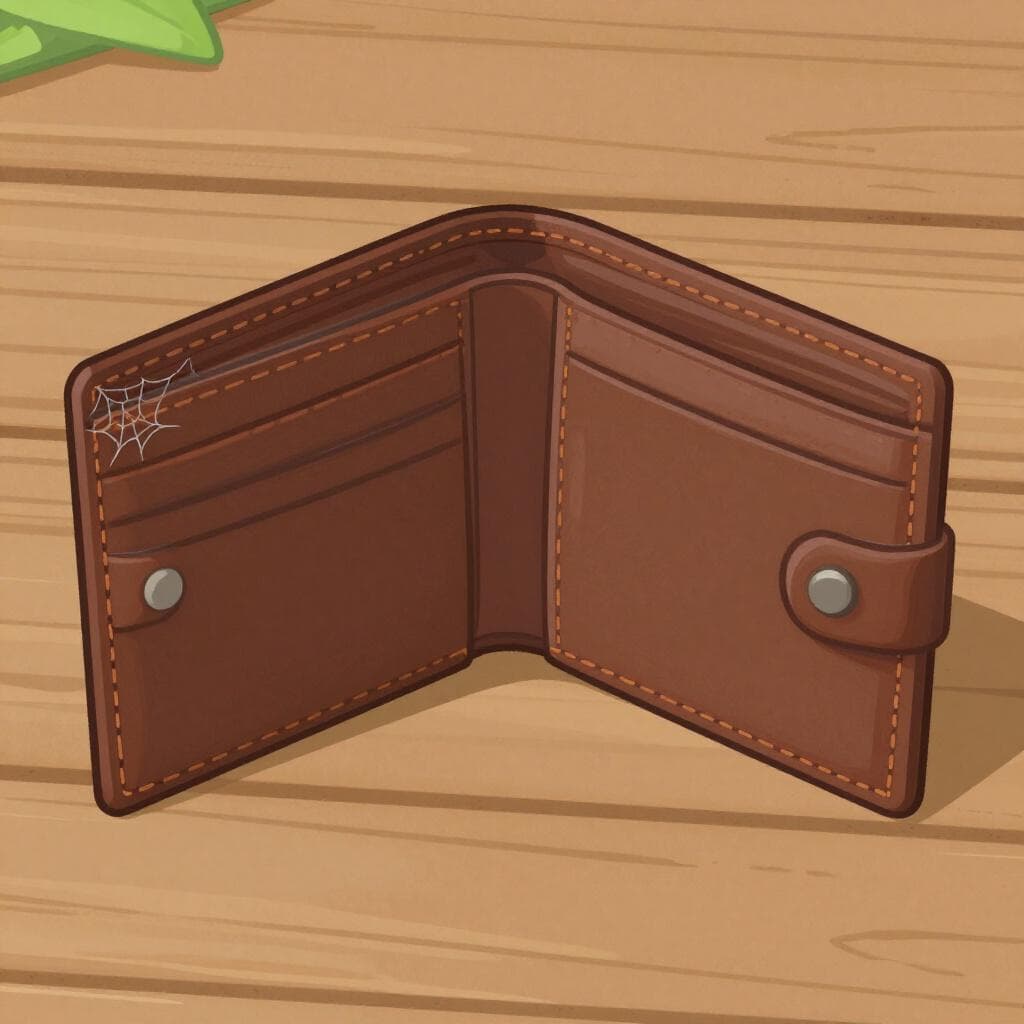
Use 'bancarrota' when referring to the general financial state of being unable to pay debts, whether for an individual or a business.
Learn more →
Choose 'quiebra' to specifically denote the act or consequence of a business failing financially and ceasing operations.
Learn more →
Use 'ruina' when the focus is on the complete economic destruction or downfall, often implying a loss of assets and resources.
Learn more →ban-ka-RO-tahbaŋkaˈrota
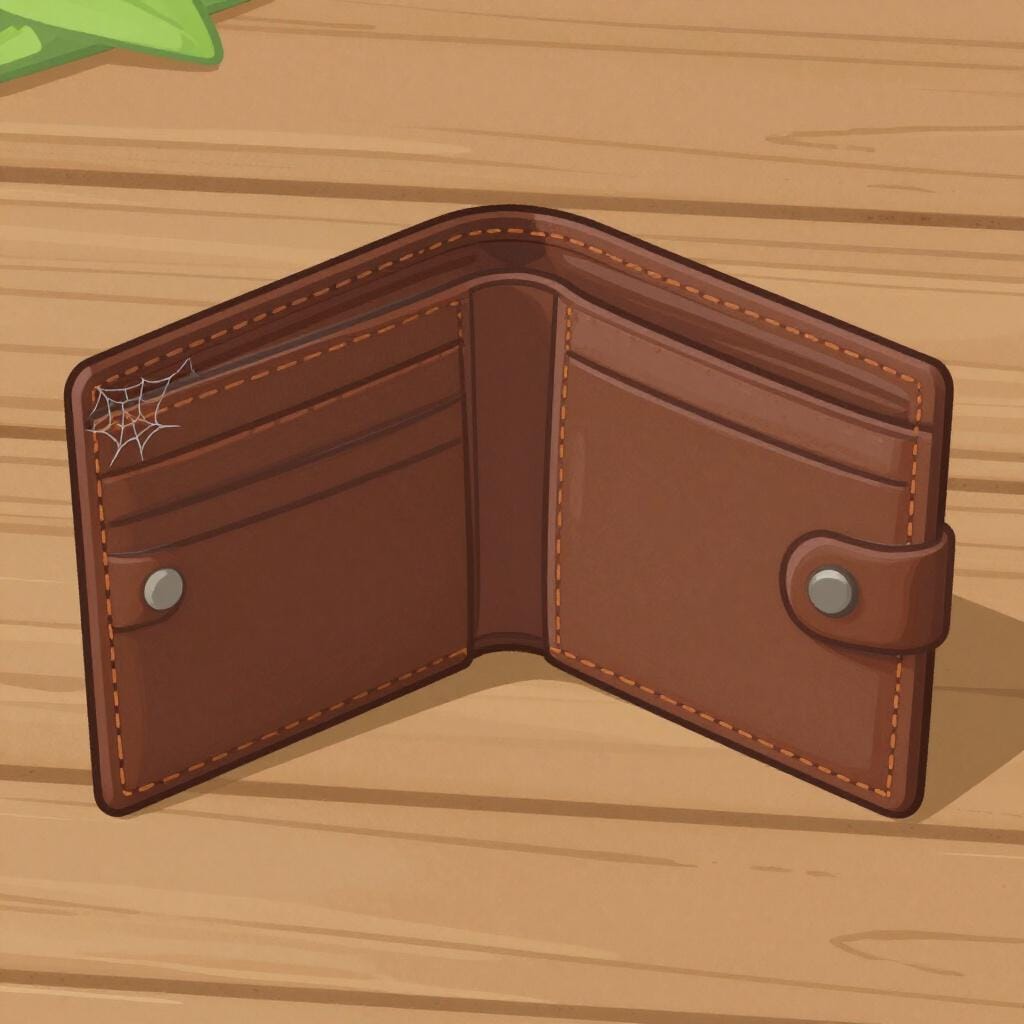
Examples
Mi empresa está en bancarrota.
My company is in bankruptcy.
Él se declaró en bancarrota después de perder su trabajo.
He declared bankruptcy after losing his job.
La mala gestión llevó al club a la bancarrota total.
Bad management led the club to total bankruptcy.
Using the word with 'en'
In Spanish, we don't just say 'is bankrupt'; we say 'is IN bankruptcy' (está EN bancarrota). Always include the 'en' when describing a state.
Feminine Gender
This word is feminine, so use 'la' or 'una' and make sure any describing words end in 'a', like 'bancarrota total'.
Using 'es' instead of 'está'
Mistake: “La empresa es en bancarrota.”
Correction: La empresa está en bancarrota. We use 'estar' because bankruptcy is seen as a financial state or condition, not a permanent identity.
KYEH-brahˈkje.βɾa

Examples
La aerolínea se declaró en quiebra después de la crisis.
The airline declared bankruptcy after the crisis.
Muchos negocios pequeños temen la quiebra.
Many small businesses fear bankruptcy.
Using the word 'en'
To say a company is 'bankrupt,' Spanish uses the phrase 'en quiebra' (in bankruptcy) rather than using it as a simple adjective.
Quiebra vs. Bancarrota
Mistake: “Using 'bancarrota' exclusively.”
Correction: While 'bancarrota' is understood, 'quiebra' is the more standard legal and professional term in most Spanish-speaking countries.
RWE-nahˈrwi.na

Examples
La crisis llevó a muchos pequeños negocios a la ruina.
The crisis led many small businesses to ruin.
Su adicción al juego fue su ruina personal.
His gambling addiction was his personal downfall.
No puedo comprar eso; me dejaría en la ruina.
I can't buy that; it would leave me broke/ruined.
Saying 'Broke'
Mistake: “Using a literal translation like 'Estoy roto' to mean 'I am broke' (financially).”
Correction: The correct, common way to say you are financially ruined is 'Estoy en la ruina.' ('Roto' usually means physically broken or emotionally devastated.)
Bancarrota vs. Quiebra vs. Ruina
Learners often confuse 'bancarrota' and 'quiebra'. Remember that 'bancarrota' is a broader term for the financial state, while 'quiebra' more strongly implies a business's definitive failure and closure.
Related Translations
Learn Spanish with Inklingo
Interactive stories, personalized learning, and more.