How to Say "ruin" in Spanish
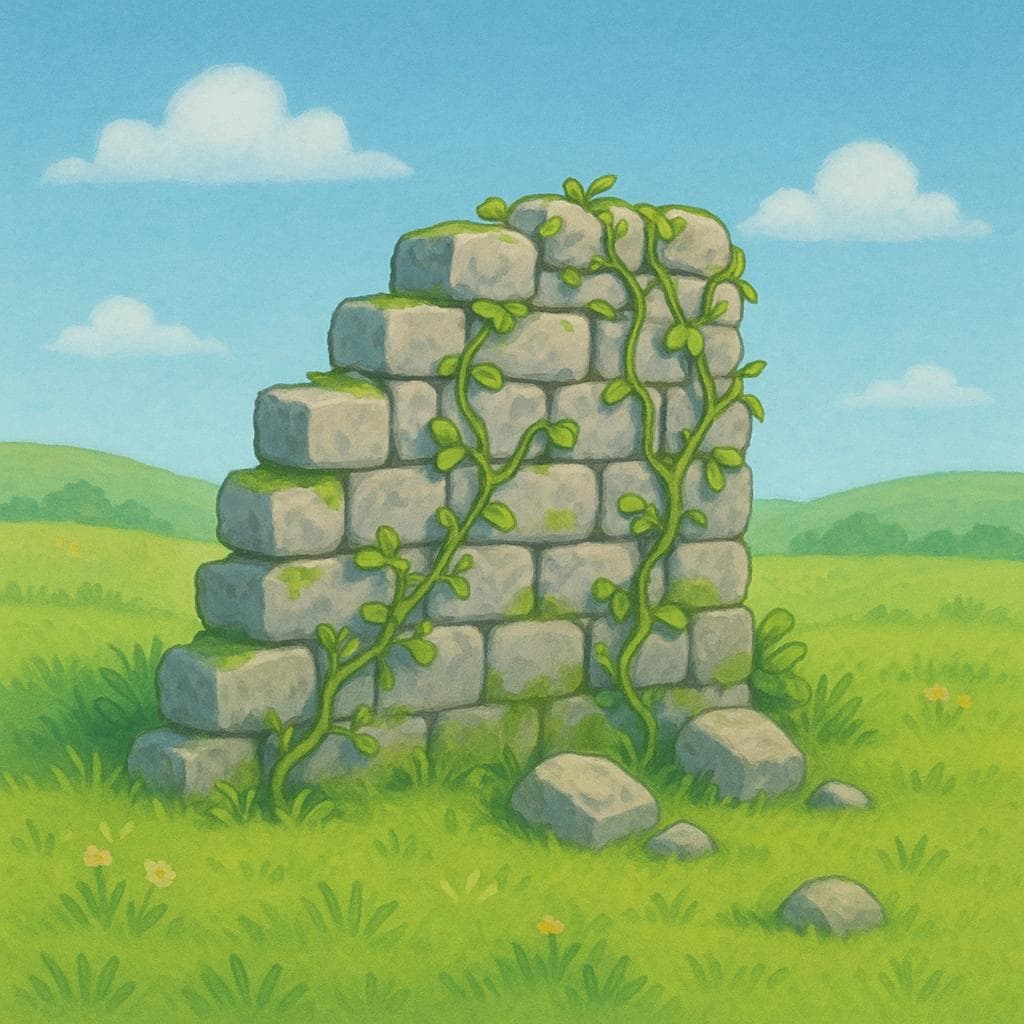
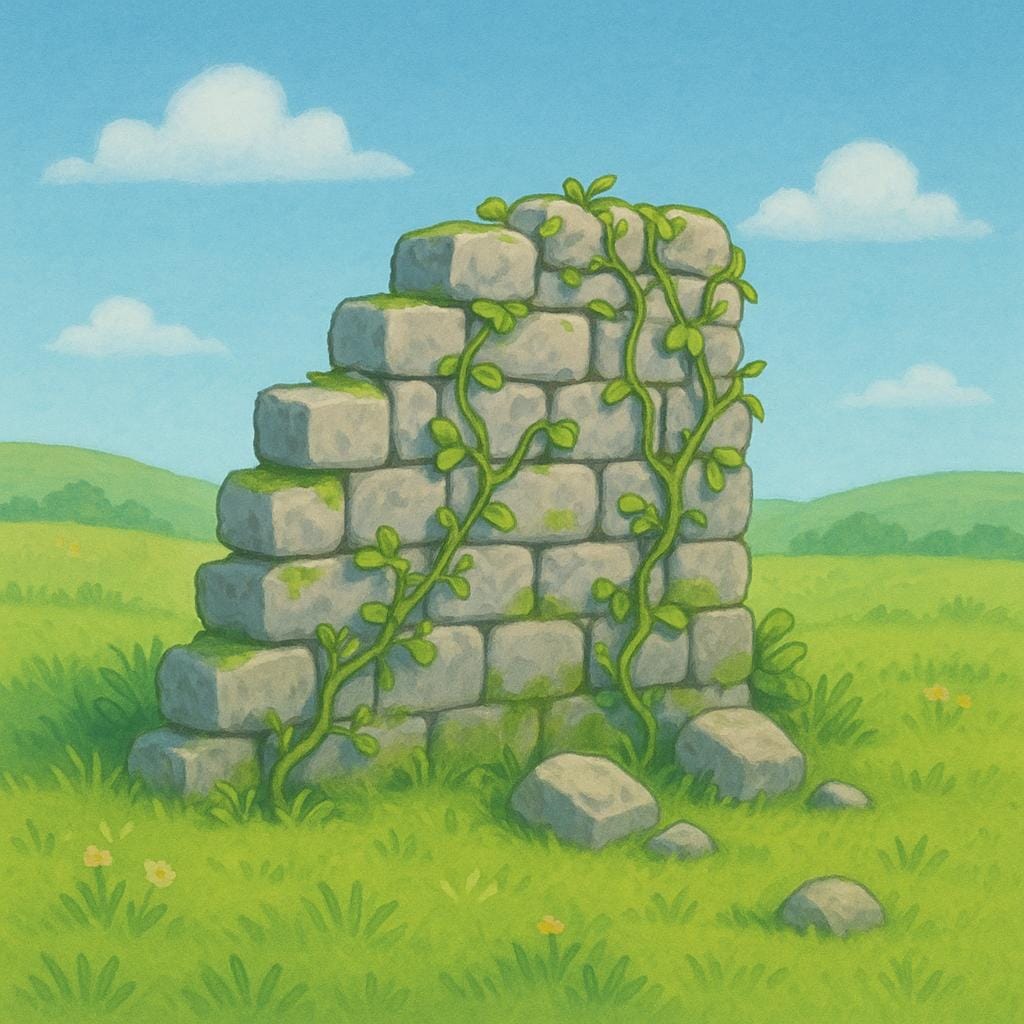
The most common Spanish word for “ruin” is “ruina” — use 'ruina' when referring to the remains of a destroyed structure or a state of financial or moral downfall.


ruina
RWE-nahˈrwi.na
Examples
Visitamos las ruinas de la antigua civilización maya.
We visited the ruins of the ancient Mayan civilization.
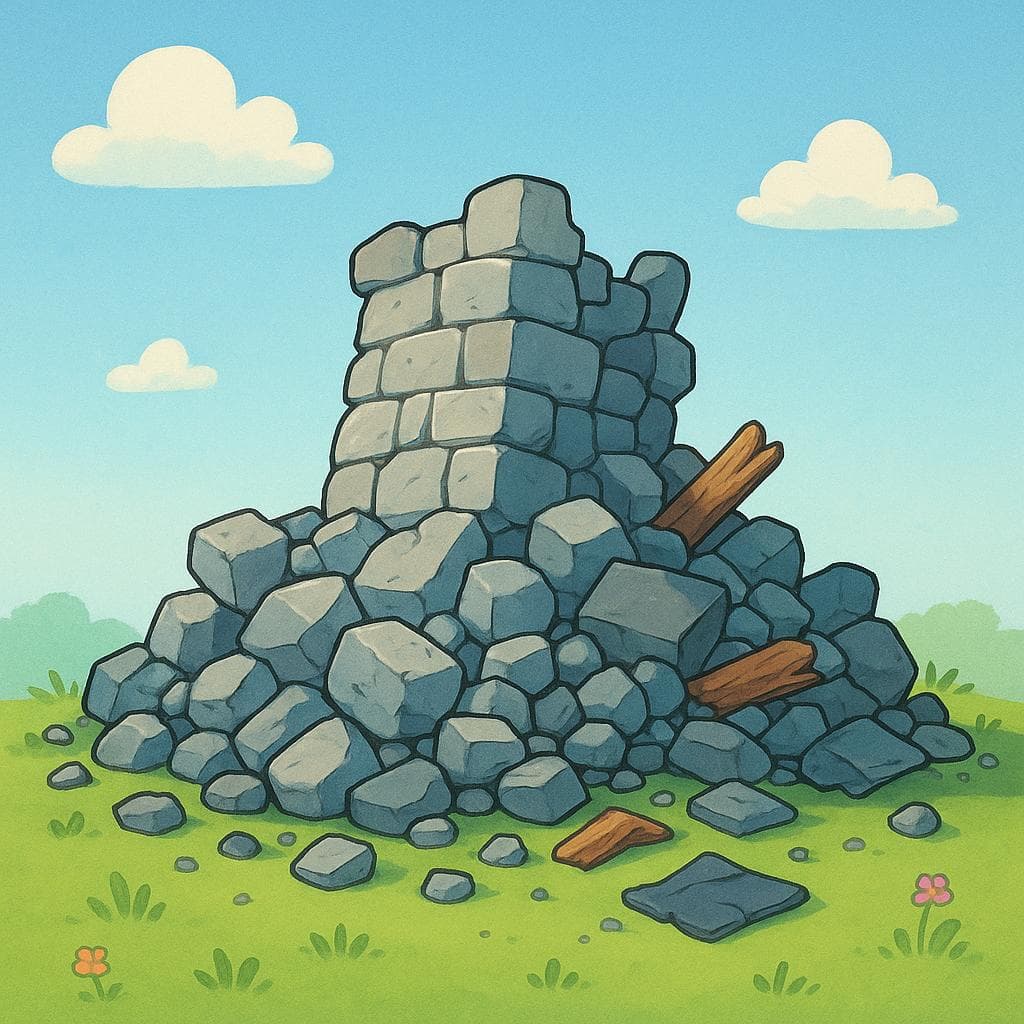
Después del terremoto, solo quedó una ruina de la iglesia.
After the earthquake, only a ruin remained of the church.
La crisis llevó a muchos pequeños negocios a la ruina.
The crisis led many small businesses to ruin.
Su adicción al juego fue su ruina personal.
His gambling addiction was his personal downfall.
Saying 'Broke'
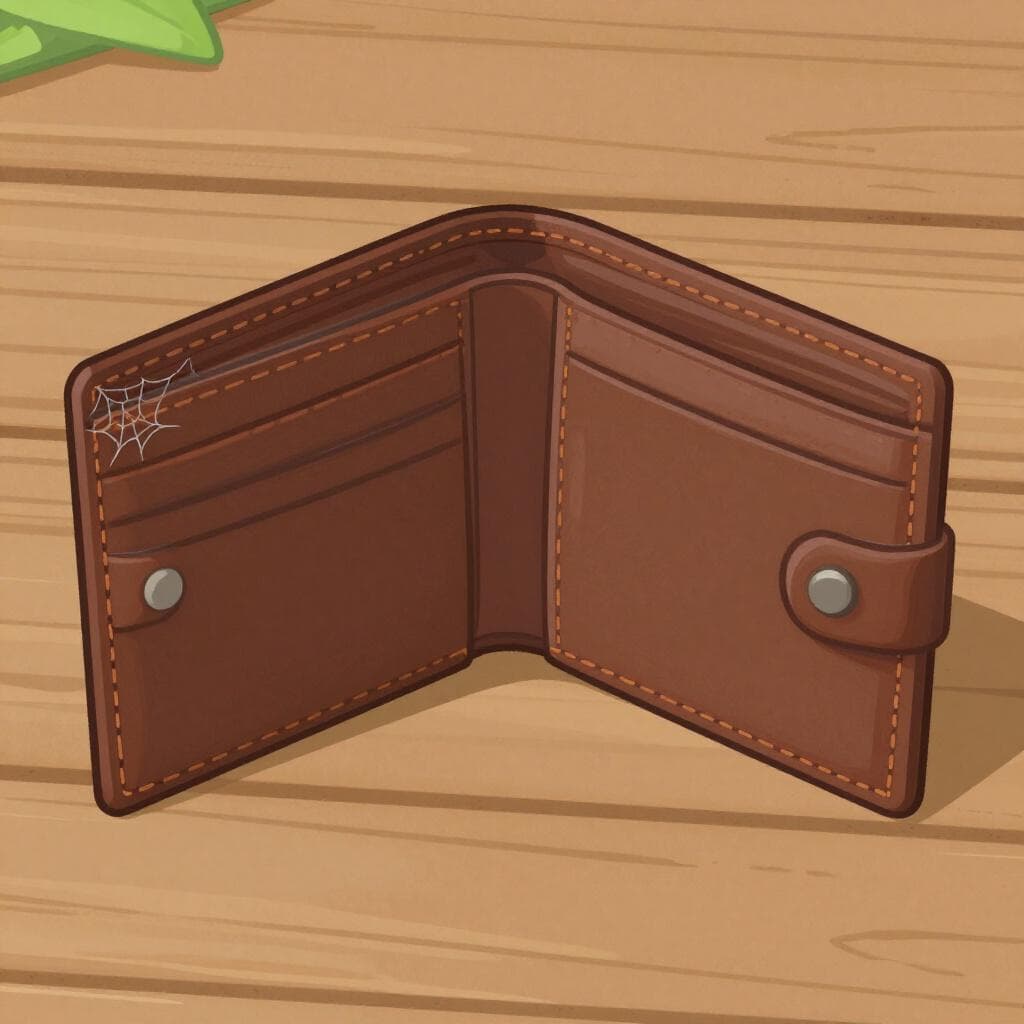
Mistake: “Using a literal translation like 'Estoy roto' to mean 'I am broke' (financially).”
Correction: The correct, common way to say you are financially ruined is 'Estoy en la ruina.' ('Roto' usually means physically broken or emotionally devastated.)
destruir
des-TROO-eerdesˈtɾwiɾ
Examples
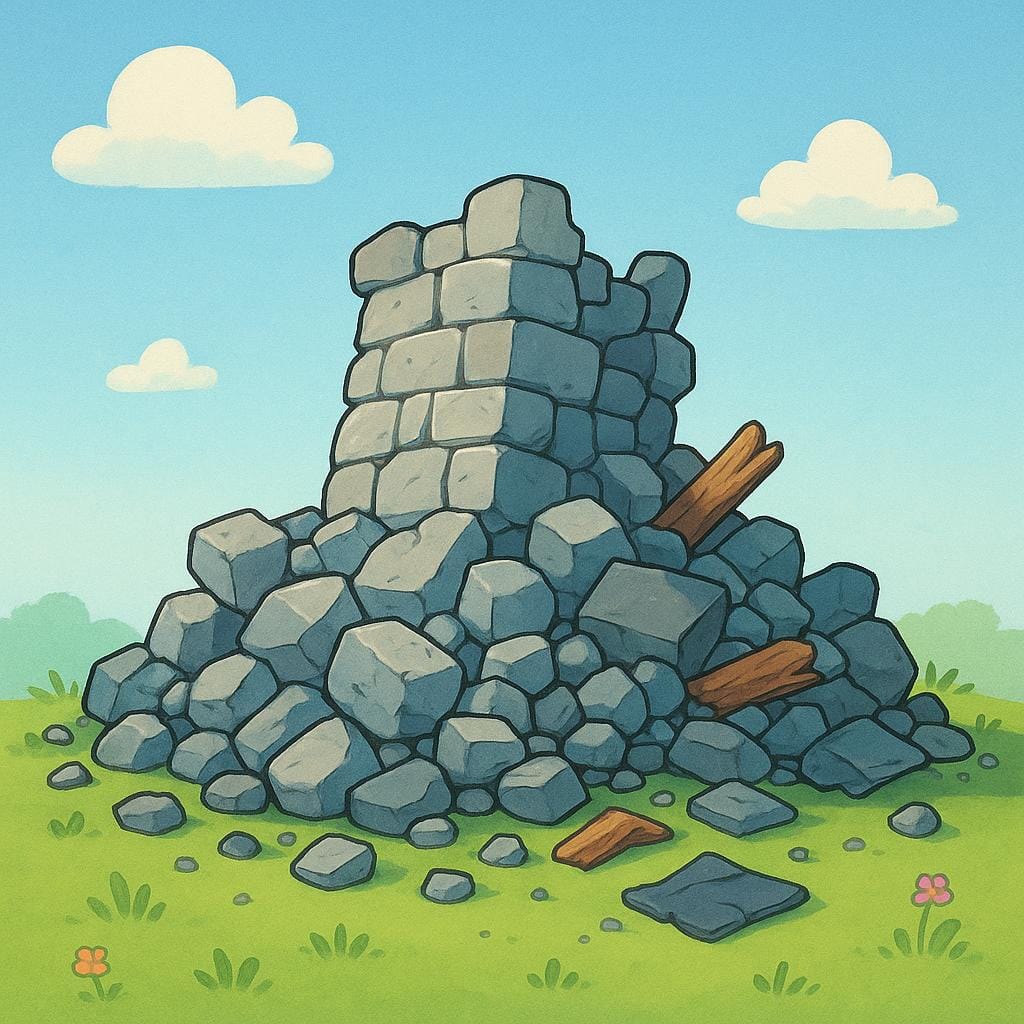
El terremoto destruyó muchos edificios antiguos.
The earthquake destroyed many old buildings.
Tuvimos que destruir la evidencia antes de que llegara la policía.
We had to destroy the evidence before the police arrived.
El fuego destruyó completamente el bosque en pocas horas.
The fire completely destroyed the forest in a few hours.
Sus mentiras destruyeron la confianza de sus amigos.
His lies ruined his friends' trust (confidence).
Irregular 'Y' Ending
In the present tense and subjunctive, the 'i' in the root changes to a 'y' when it is next to a vowel and is unstressed (e.g., 'yo destruyo'). This is the main irregularity.
Using the Reflexive Form (Destruirse)
When you use 'destruirse,' it means the subject is destroying or ruining itself. This is common when talking about self-sabotage or self-harm (e.g., 'Él se está destruyendo con el trabajo').
Forgetting the 'y' change
Mistake: “Yo destruo (incorrect)”
Correction: Yo destruyo. Remember the 'y' sound helps smooth the pronunciation when the 'i' is weak.
destrucción
Examples
La destrucción del edificio fue causada por el fuego.
The destruction of the building was caused by the fire.
bancarrota
ban-ka-RO-tahbaŋkaˈrota
Examples
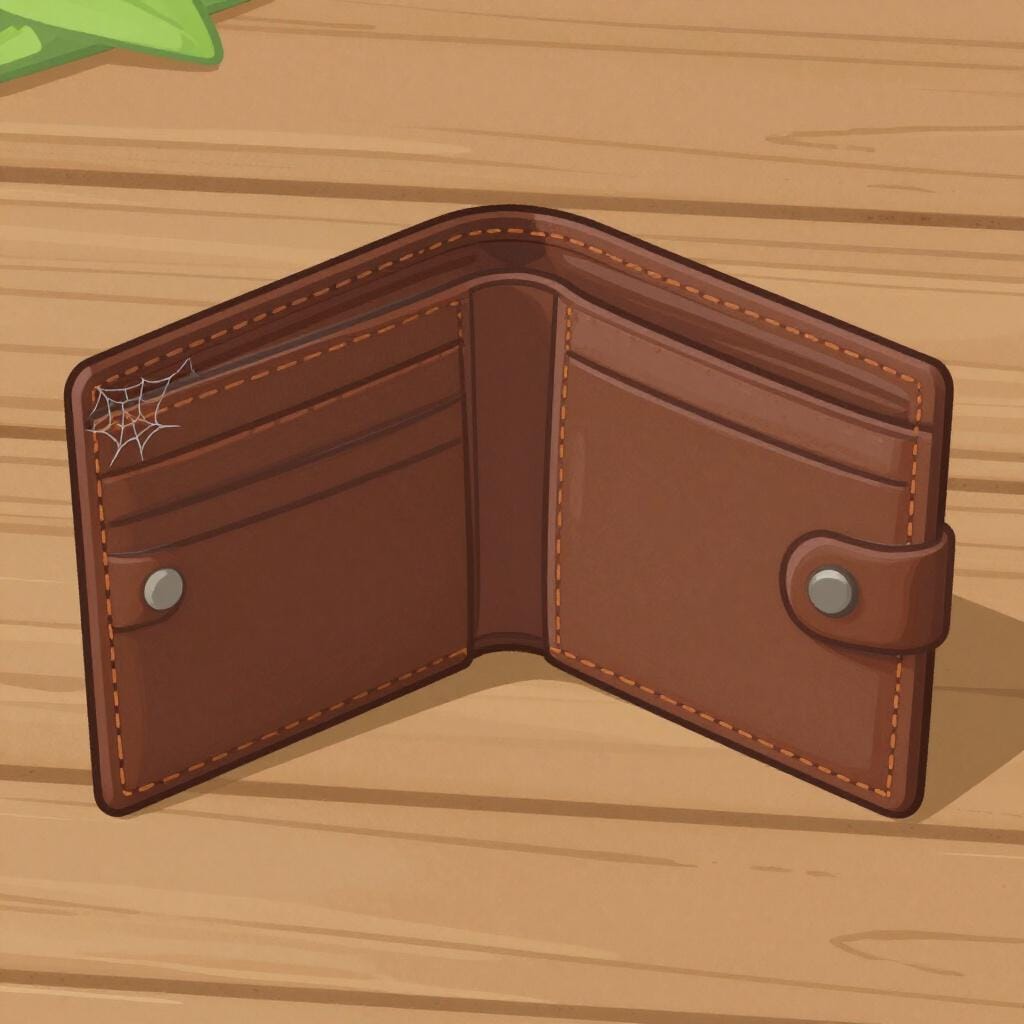
Mi empresa está en bancarrota.
My company is in bankruptcy.
Él se declaró en bancarrota después de perder su trabajo.
He declared bankruptcy after losing his job.
La mala gestión llevó al club a la bancarrota total.
Bad management led the club to total bankruptcy.
Using the word with 'en'
In Spanish, we don't just say 'is bankrupt'; we say 'is IN bankruptcy' (está EN bancarrota). Always include the 'en' when describing a state.
Feminine Gender
This word is feminine, so use 'la' or 'una' and make sure any describing words end in 'a', like 'bancarrota total'.
Using 'es' instead of 'está'
Mistake: “La empresa es en bancarrota.”
Correction: La empresa está en bancarrota. We use 'estar' because bankruptcy is seen as a financial state or condition, not a permanent identity.
quiebra
KYEH-brahˈkje.βɾa

Examples
La aerolínea se declaró en quiebra después de la crisis.
The airline declared bankruptcy after the crisis.
Muchos negocios pequeños temen la quiebra.
Many small businesses fear bankruptcy.
Using the word 'en'
To say a company is 'bankrupt,' Spanish uses the phrase 'en quiebra' (in bankruptcy) rather than using it as a simple adjective.
Quiebra vs. Bancarrota
Mistake: “Using 'bancarrota' exclusively.”
Correction: While 'bancarrota' is understood, 'quiebra' is the more standard legal and professional term in most Spanish-speaking countries.
barranco
bah-RAHN-kohbaˈraŋko
Examples
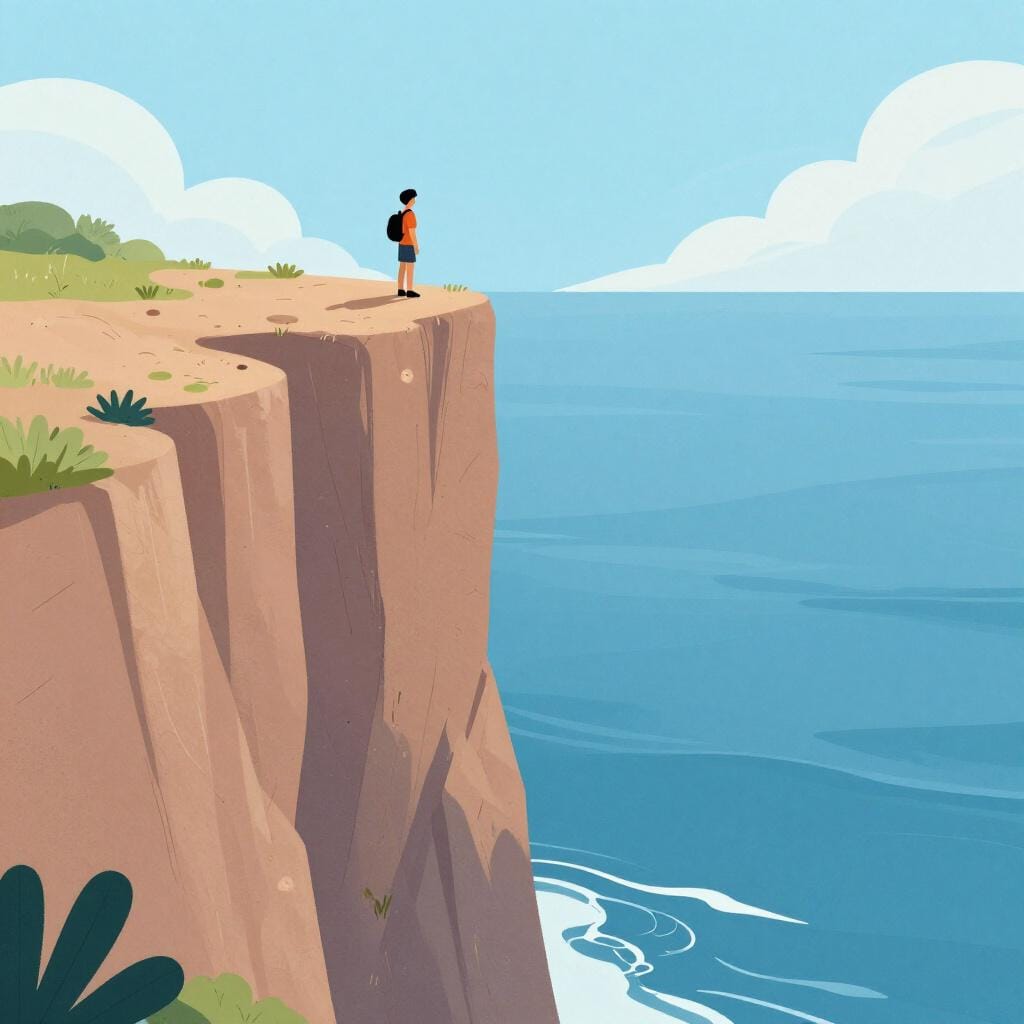
La economía del país está al borde del barranco.
The country's economy is on the brink of ruin.
Si sigues así, vas derecho al barranco.
If you keep going like this, you're headed straight for disaster.
Using 'Al Borde'
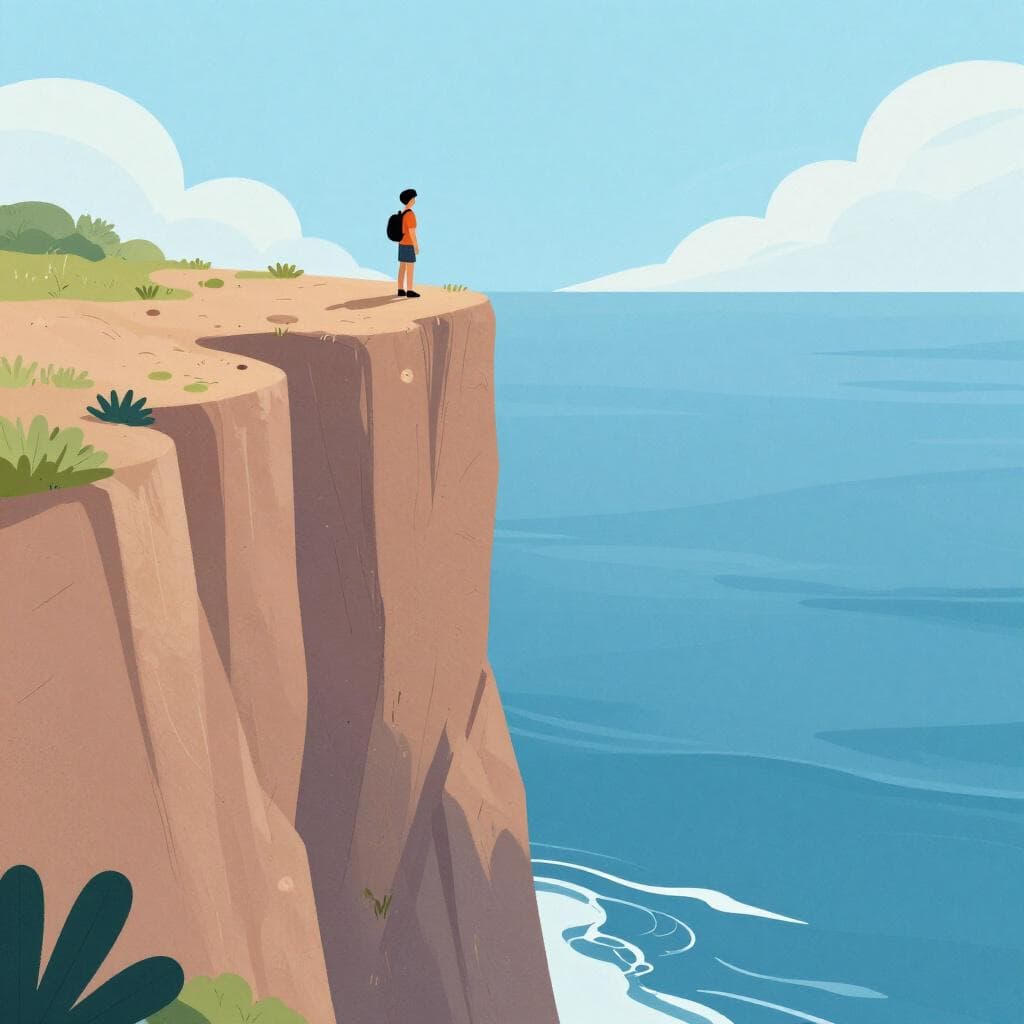
To say something is 'on the brink' of a bad situation, the phrase is 'al borde del barranco'.
Don't take it literally
Mistake: “Using 'barranco' for a simple mistake.”
Correction: This word implies a very serious, deep failure, not just a small error.
quemar
keh-MAHRkeˈmaɾ

Examples
No le digas nada, ¡no quemes la película!
Don't tell him anything, don't spoil the movie!
El escándalo quemó su carrera política.
The scandal ruined his political career.
Figurative Damage
Think of this meaning as causing severe, irreparable damage to something non-physical, like a reputation or a secret.
Ruina vs. Destruir
Learn Spanish with Inklingo
Interactive stories, personalized learning, and more.