How to Say "breaks" in Spanish
The most common Spanish word for “breaks” is “rompe” — use 'rompe' when referring to the third-person singular present tense of the verb 'romper' (to break), often used for physical objects or abstract concepts like rules.
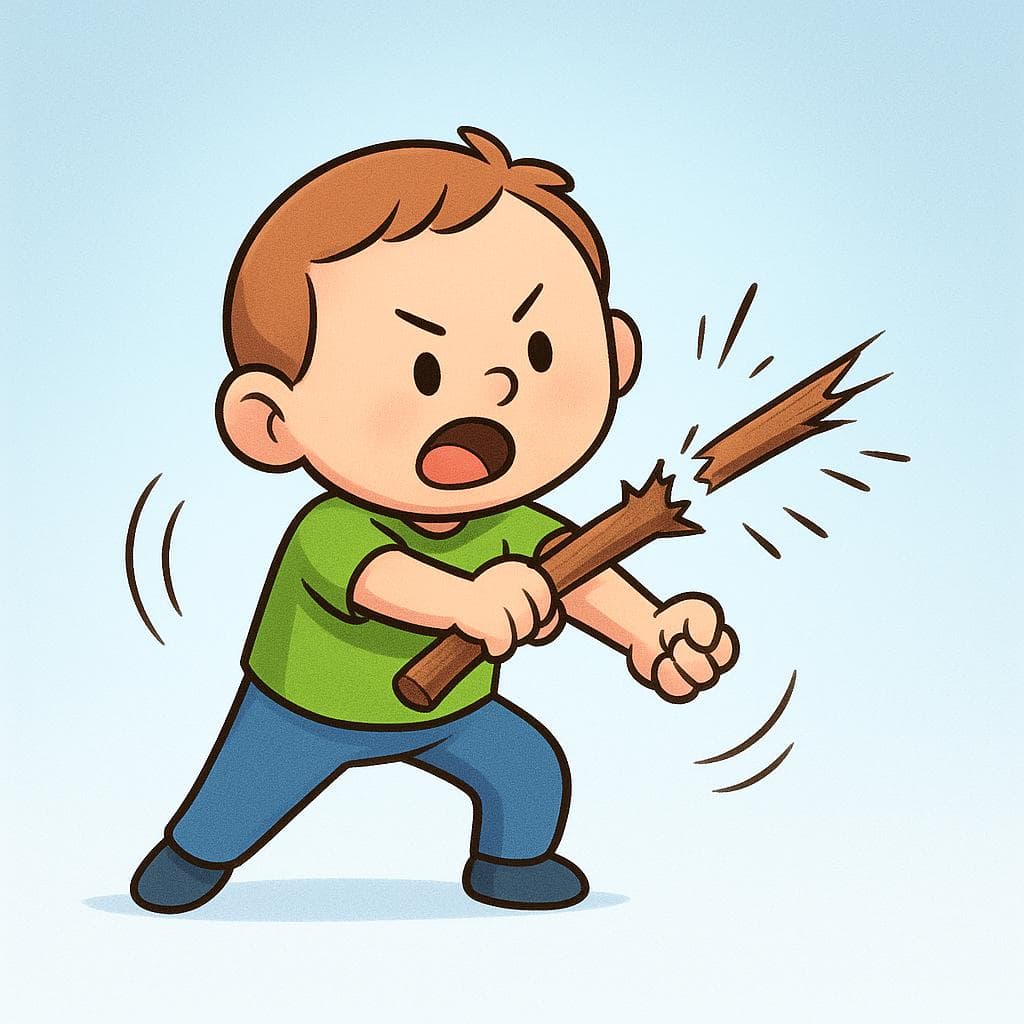


rompe
Rohm-pehˈrompe
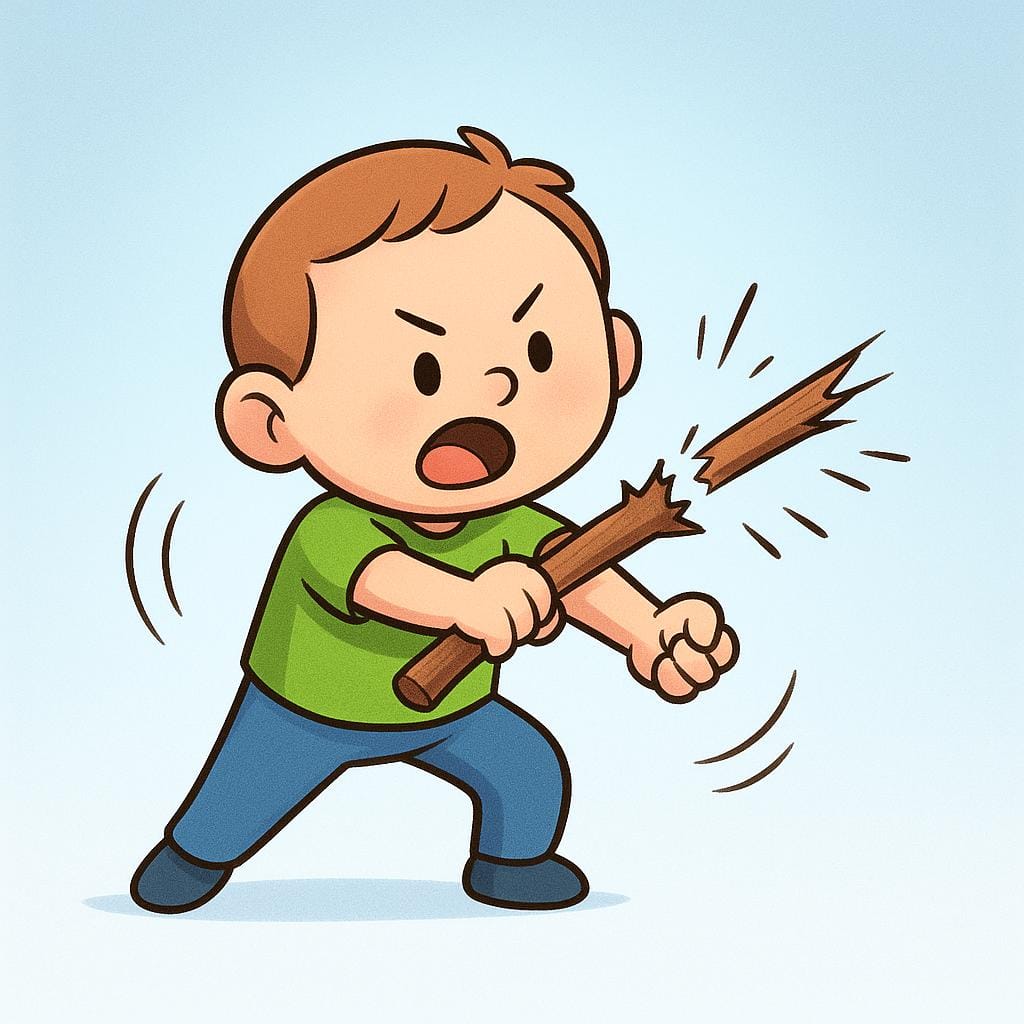
Examples
Ella siempre rompe las reglas de la casa.
She always breaks the house rules.
El viento rompe las ramas más débiles de los árboles.
The wind breaks the weakest branches of the trees.
Usted rompe el silencio con una pregunta difícil.
You (formal) break the silence with a difficult question.
Third Person Action
'Rompe' is the form you use when the action is done by a single person ('he,' 'she') or thing ('it'), or when you are talking formally to one person ('usted').
Using 'rompe' for 'I break'
Mistake: “Yo rompe el vaso.”
Correction: The correct form for 'I' is 'Yo rompo el vaso.' Remember the 'o' ending for 'yo' in the present tense.
oportunidades
oh-poor-too-nee-DAH-deso.por.tu.niˈða.ðes

Examples
Hay muchas oportunidades de trabajo en esta ciudad.
There are many job opportunities in this city.
Debes aprovechar todas las oportunidades que la vida te da.
You should take advantage of all the opportunities that life gives you.
Las nuevas tecnologías ofrecen grandes oportunidades para el aprendizaje.
New technologies offer great opportunities for learning.
Feminine Plural
Since the base word 'oportunidad' ends in -d, it is feminine. When you make it plural, it becomes 'oportunidades' and requires feminine plural words before it, like 'las' or 'muchas'.
Using 'Aprovechar'
The most common verb used with this word is 'aprovechar' (to take advantage of/seize). You often say 'aprovechar las oportunidades'.
Gender Error
Mistake: “Los oportunidades”
Correction: Las oportunidades. Remember that words ending in -dad, -tad, -tud, and -ción are almost always feminine in Spanish, even if they end in 'd'.
quiebra
KYEH-brahˈkje.βɾa

Examples
Ese cristal se quiebra fácilmente.
That glass breaks easily.
Ella nunca quiebra sus promesas.
She never breaks her promises.
The 'e' to 'ie' swap
The 'e' in the middle of 'quebrar' turns into 'ie' whenever that part of the word is emphasized while speaking (like in 'quiebra' or 'quiebro').
Breaking Rules vs. Breaking Objects
Related Translations
Learn Spanish with Inklingo
Interactive stories, personalized learning, and more.