rompe
“rompe” means “breaks” in Spanish. It has 2 different meanings depending on context:
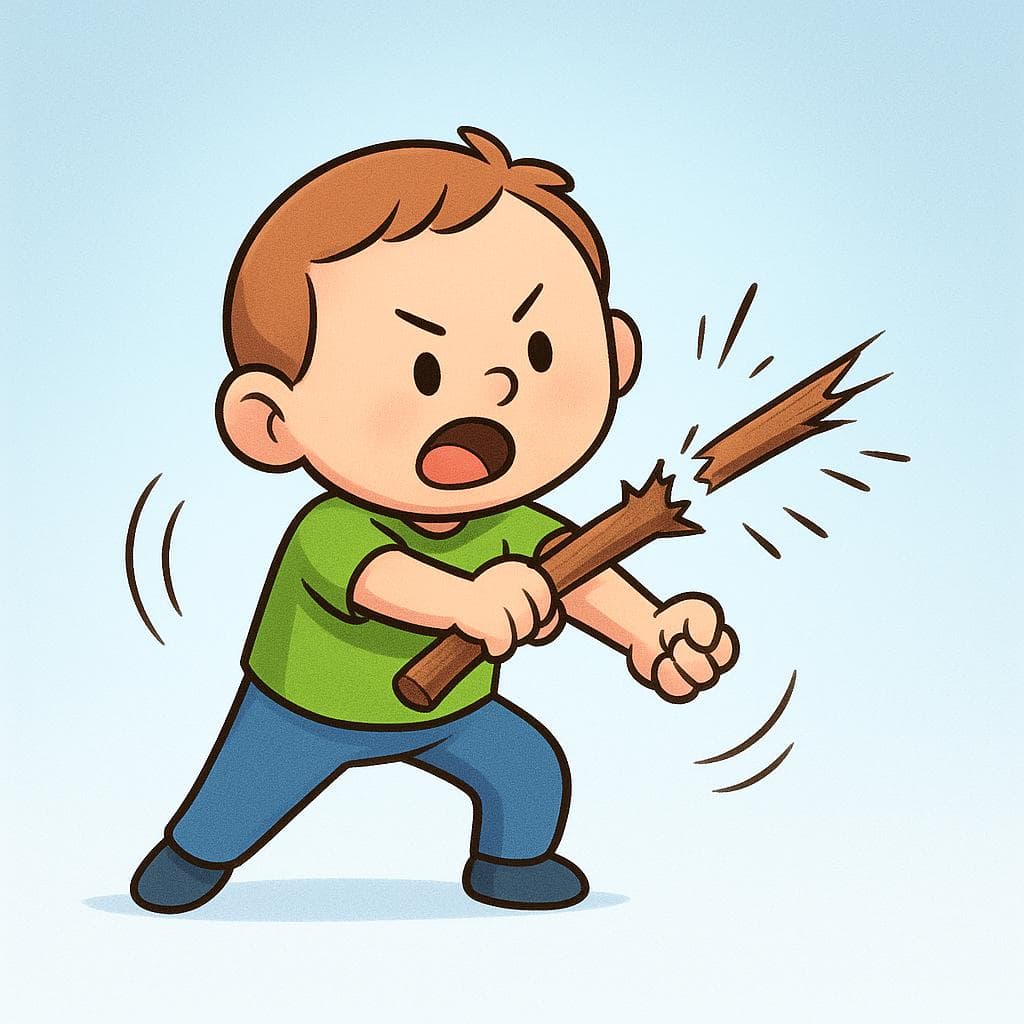
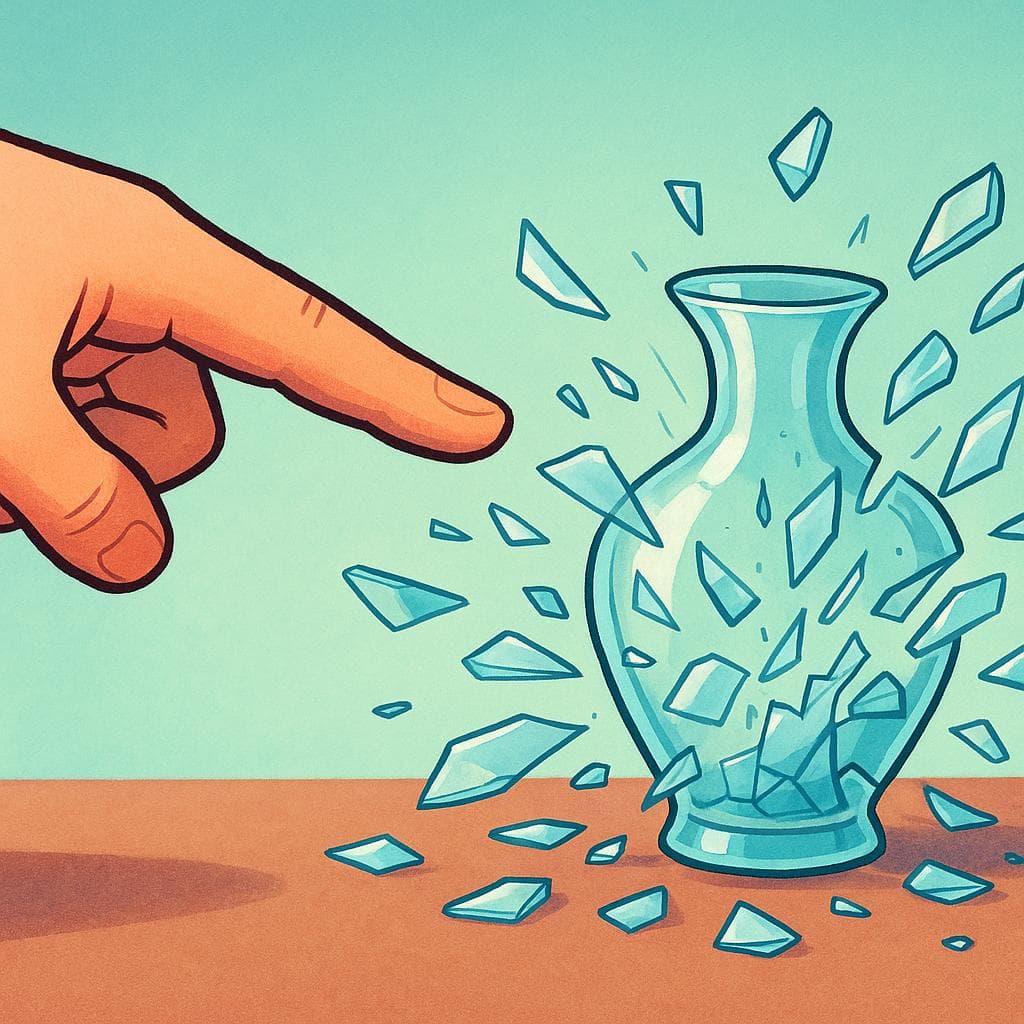
breaks, shatters
Also: violates, tears up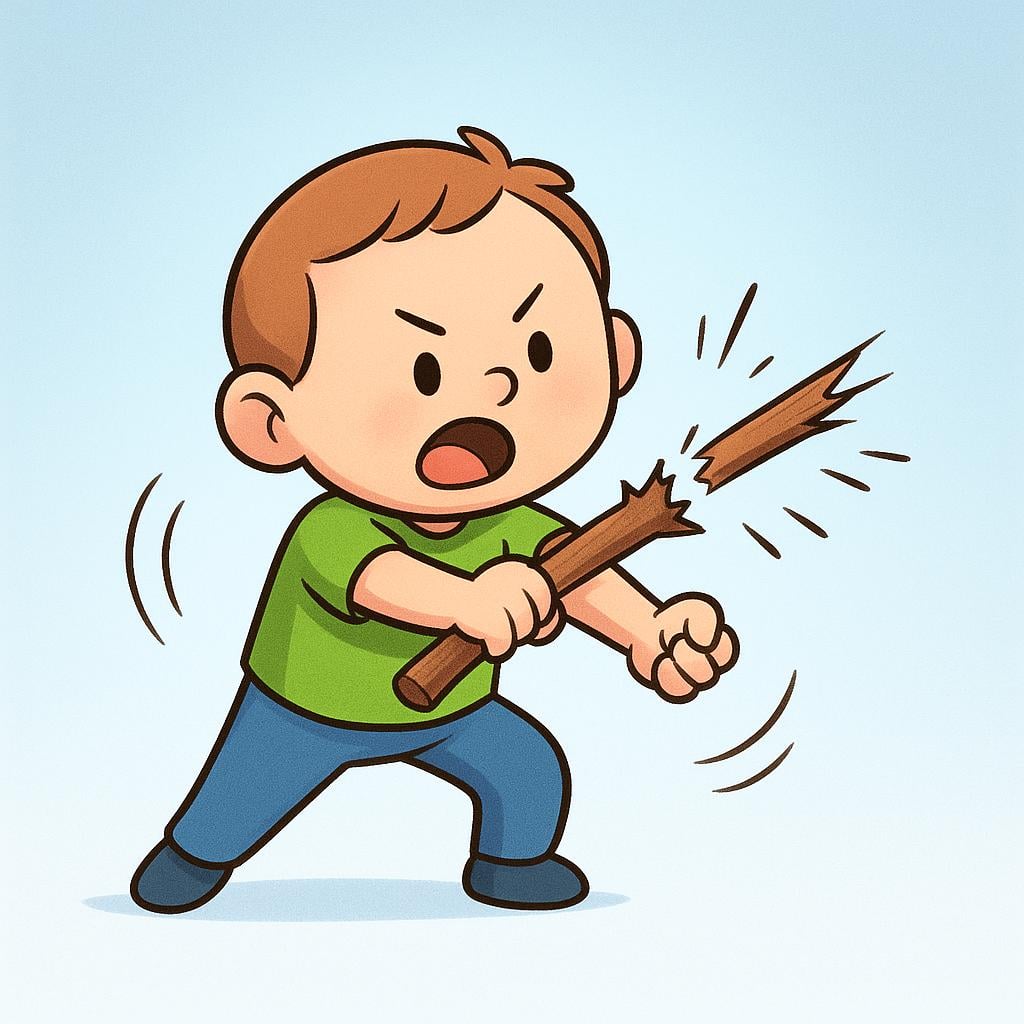
📝 In Action
Ella siempre rompe las reglas de la casa.
A2She always breaks the house rules.
El viento rompe las ramas más débiles de los árboles.
A1The wind breaks the weakest branches of the trees.
Usted rompe el silencio con una pregunta difícil.
B1You (formal) break the silence with a difficult question.
Break!
Also: Tear up!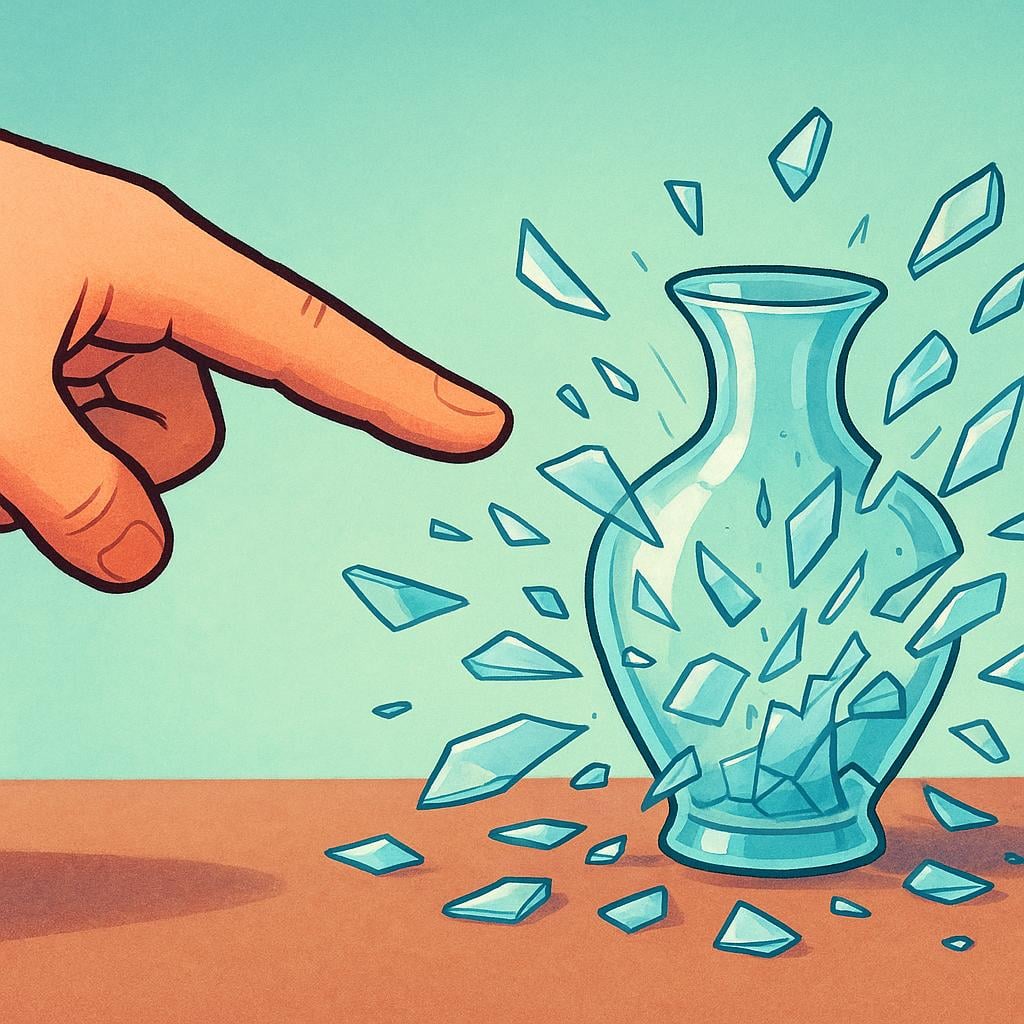
📝 In Action
¡Rompe ese papel que ya no sirve!
A2Break up that paper, it's useless now!
Mamá, ¡rompe la piñata con más fuerza!
A1Mom, break the piñata with more strength!
Indicative
Present
Imperfect
Preterite
Subjunctive
Present Subjunctive
Imperfect Subjunctive
Translate to Spanish
✏️ Quick Practice
Quick Quiz: rompe
Question 1 of 2
Which sentence uses 'rompe' as a command?
📚 More Resources
👥 Word Family▼
📚 Etymology▼
The verb 'romper' comes directly from the Latin word *rumpere*, which meant 'to break' or 'to burst.' This word has remained very stable in Spanish over the centuries, keeping its core meaning of separating something forcefully.
First recorded: 10th century
Cognates (Related words)
💡 Master Spanish
Take your Spanish to the next level. Read 200+ illustrated and narrated Spanish stories tailored to your level with the Inklingo app!
Frequently Asked Questions
What is the difference between 'rompe' and 'rompo'?
'Rompe' means 'he/she/it breaks' or 'you (formal) break.' 'Rompo' means 'I break.' They are both forms of the same verb 'romper' but used with different people.
When is 'rompe' used as a command?
'Rompe' is the short, friendly command form used when you are telling someone you know well ('tú') to 'Break!' or 'Tear!' (e.g., ¡Rompe la cuerda!).