quiebra
“quiebra” means “bankruptcy” in Spanish. It has 3 different meanings depending on context:

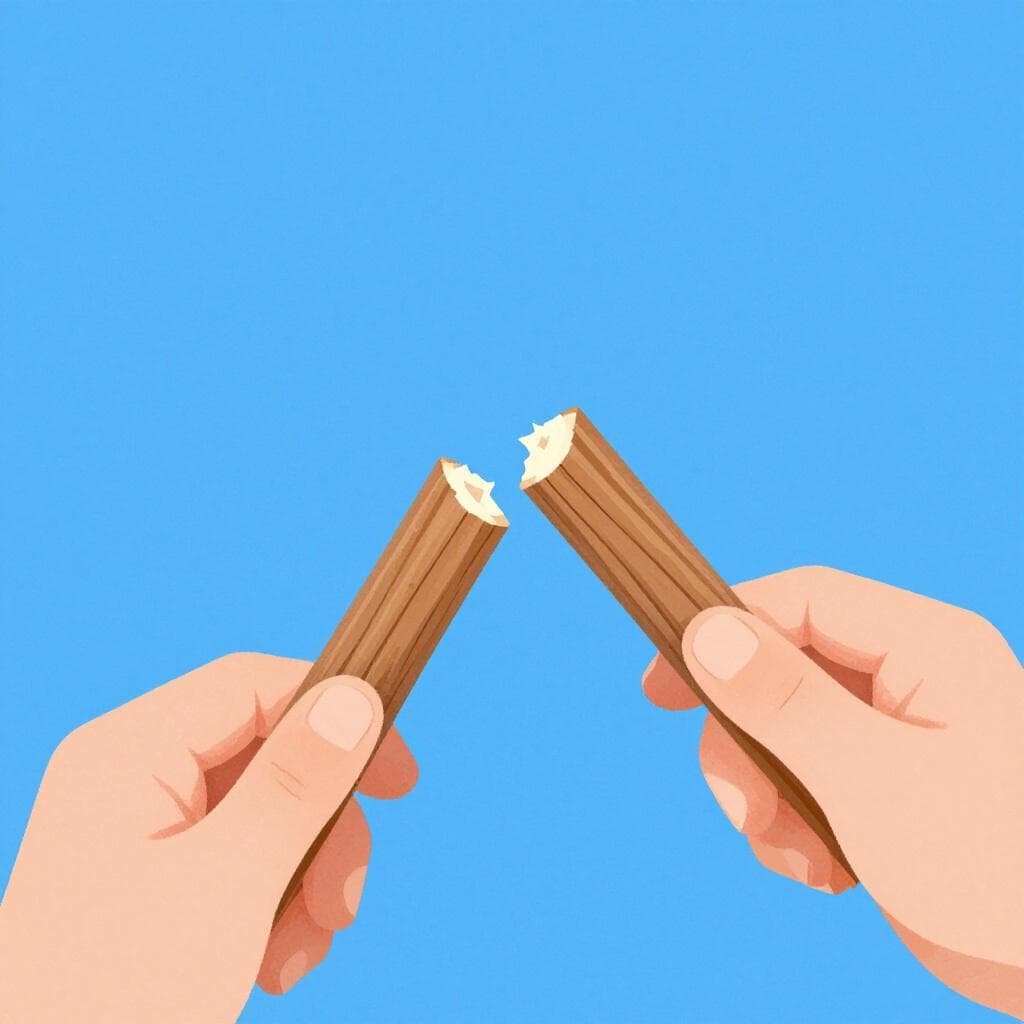
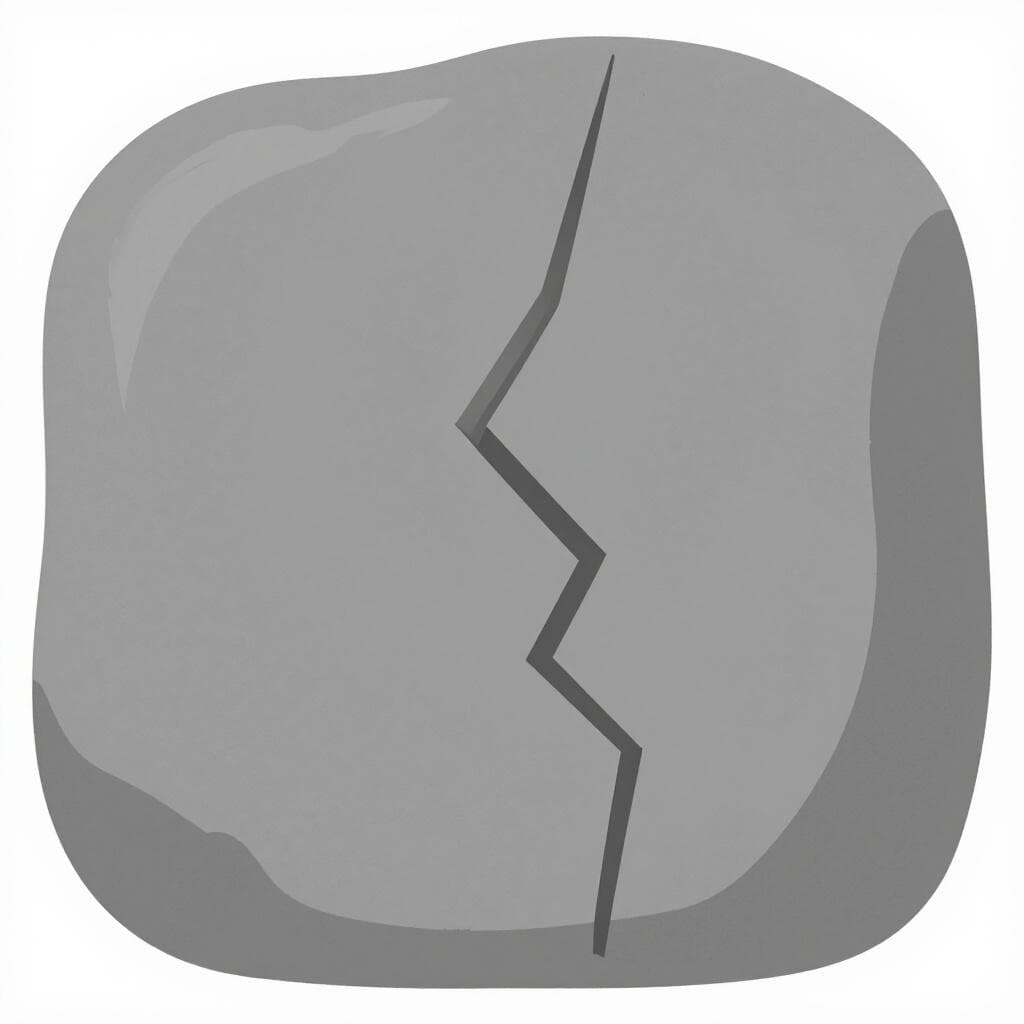
bankruptcy
Also: ruin, collapse
📝 In Action
La aerolínea se declaró en quiebra después de la crisis.
B2The airline declared bankruptcy after the crisis.
Muchos negocios pequeños temen la quiebra.
B1Many small businesses fear bankruptcy.
breaks
Also: shatters, goes bankrupt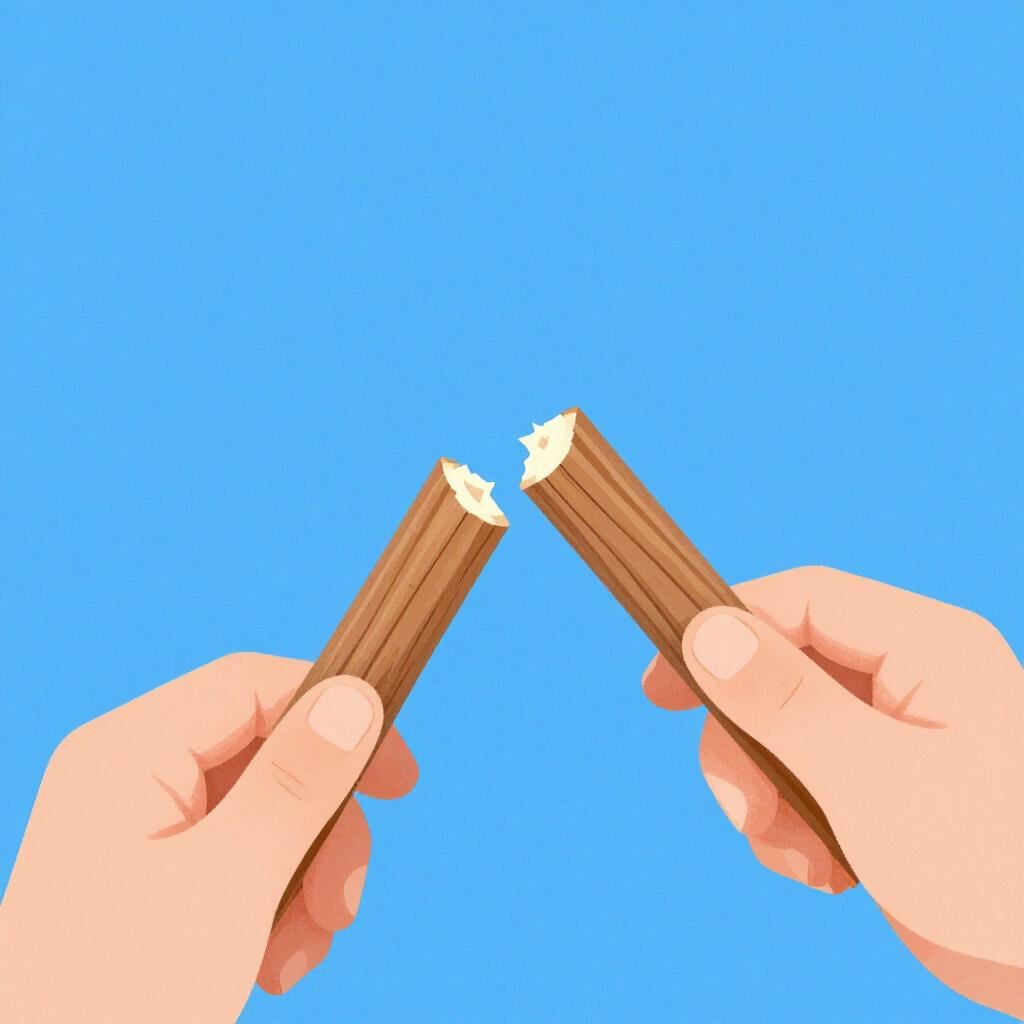
📝 In Action
Ese cristal se quiebra fácilmente.
A2That glass breaks easily.
Ella nunca quiebra sus promesas.
B1She never breaks her promises.
crack
Also: crevice, break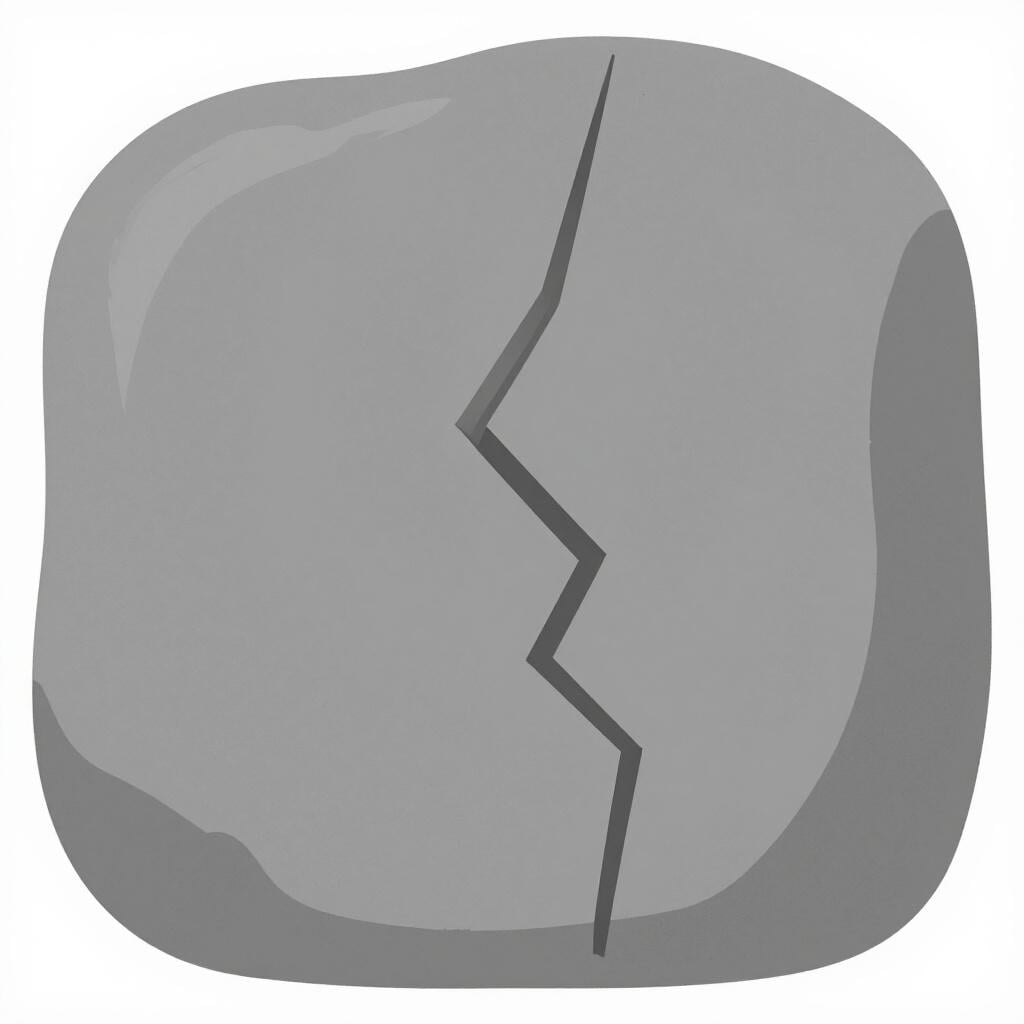
📝 In Action
La quiebra en el muro permitía ver el otro lado.
C1The crack in the wall allowed us to see the other side.
Subjunctive
Imperfect Subjunctive
Present Subjunctive
Indicative
Preterite
Imperfect
Present
Translate to Spanish
Words that translate to "quiebra" in Spanish:
bankruptcy→break→breaks→collapse→crack→crevice→goes bankrupt→ruin→✏️ Quick Practice
Quick Quiz: quiebra
Question 1 of 2
If a company 'está en quiebra', what is happening?
📚 More Resources
👥 Word Family▼
📚 Etymology▼
From the Latin word 'crepare', which meant to creak, rattle, or burst with a sound.
First recorded: 13th century
Cognates (Related words)
💡 Master Spanish
Take your Spanish to the next level. Read 200+ illustrated and narrated Spanish stories tailored to your level with the Inklingo app!
Frequently Asked Questions
Is 'quiebra' the same as 'romper'?
'Quiebra' as a verb form comes from 'quebrar'. While 'romper' is a general word for 'to break', 'quebrar' is often used for brittle things (like glass) or abstract things (like silence or laws).
Does 'quiebra' always refer to money?
Not always, but it is the most common use in adult conversation. It can also mean a physical crack or be a part of the verb 'to break'.