hembra
“hembra” means “female” in Spanish. It has 3 different meanings depending on context:

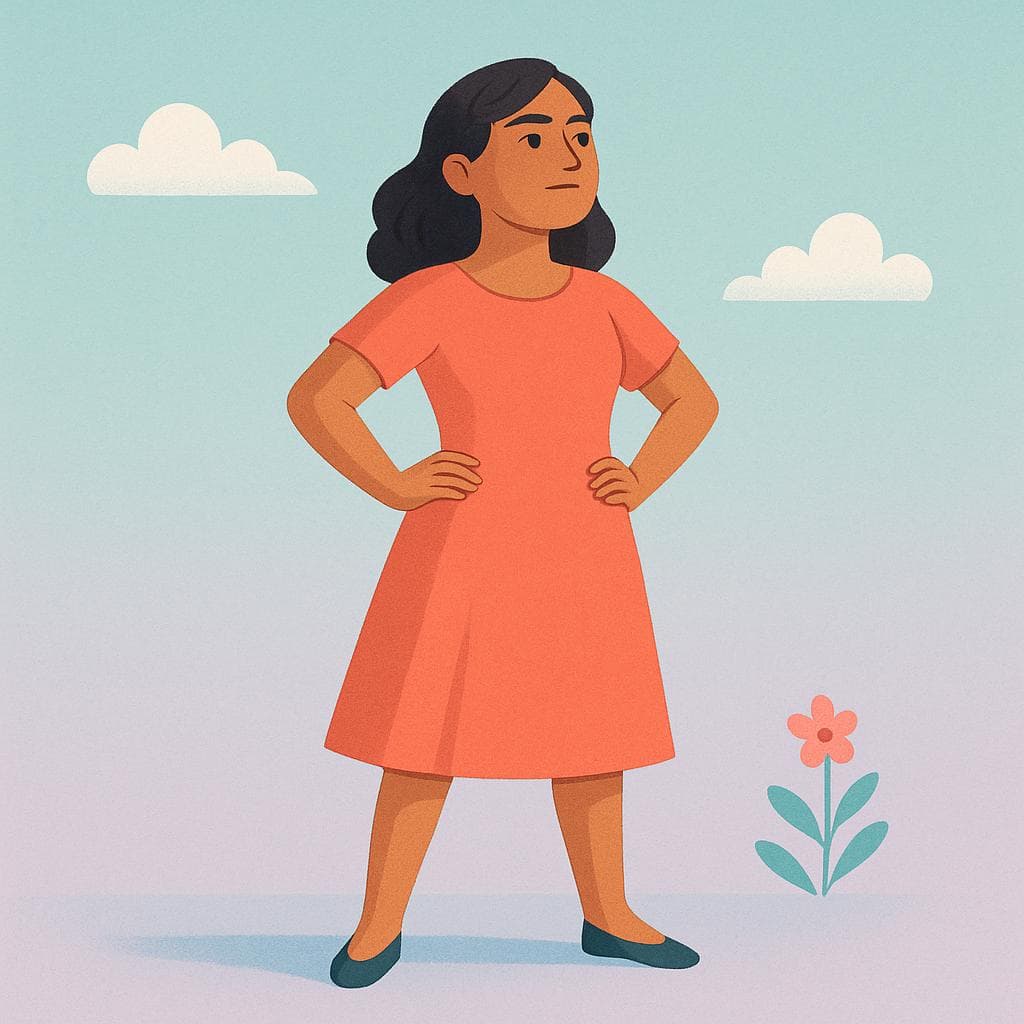

female
Also: doe, ewe
📝 In Action
Esta leona es la hembra alfa de la manada.
A2This lioness is the alpha female of the pride.
Nació un cachorro macho y dos hembras.
A2One male puppy and two females were born.
woman
Also: gal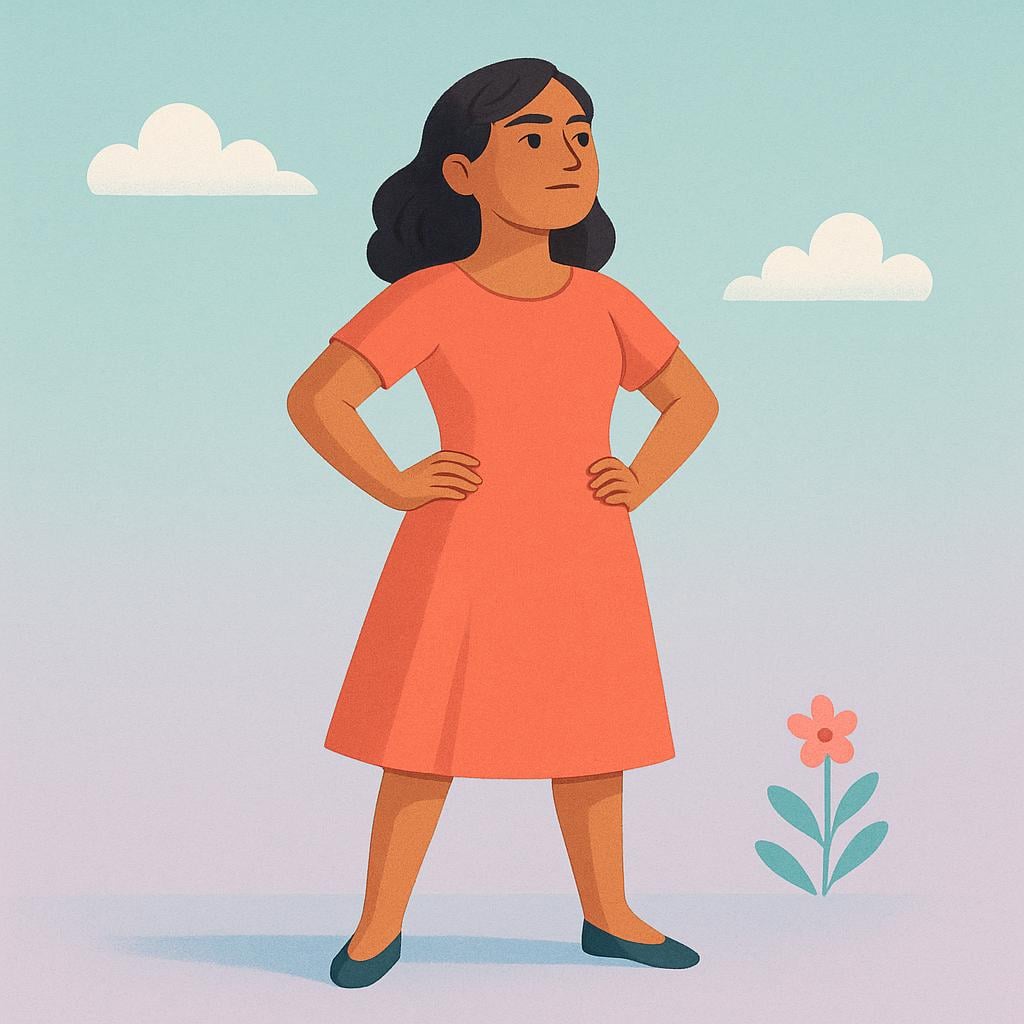
📝 In Action
Ella es una hembra de carácter, no se deja intimidar.
C1She is a woman of strong character, she doesn't let herself be intimidated. (Implies toughness)
¡Qué hembra tan guapa!
B2What a beautiful woman/gal! (Highly informal/colloquial, potentially crude)
socket
Also: receptacle, eye
📝 In Action
Necesitas alinear el macho con la hembra para cerrar la cerradura.
C1You need to align the male part with the female part (socket) to close the lock.
La conexión tiene una cabeza macho y una hembra.
C1The connection has a male head and a female head (receptacle).
Translate to Spanish
✏️ Quick Practice
Quick Quiz: hembra
Question 1 of 2
Which sentence uses 'hembra' in its most common, neutral meaning?
📚 More Resources
👥 Word Family▼
📚 Etymology▼
The word comes from the Latin term *femina*, meaning 'woman' or 'female.' Over time, the initial 'f' sound softened and became the silent 'h' in Spanish, and the middle sounds shifted to create 'hembra.'
First recorded: Around the 10th century in early Romance texts.
Cognates (Related words)
💡 Master Spanish
Take your Spanish to the next level. Read 200+ illustrated and narrated Spanish stories tailored to your level with the Inklingo app!
Frequently Asked Questions
Why is 'hembra' considered offensive when referring to a woman?
While it literally means 'female,' using 'hembra' for a person often strips away their individual identity, reducing them simply to their biological sex. It is usually perceived as crude, objectifying, or too clinical. The standard, respectful word is 'mujer'.
Is 'hembra' ever used as an adjective?
Yes, although it primarily functions as a noun, it can sometimes be used like an adjective following a noun, such as 'la cría hembra' (the female offspring). It always refers to the female gender.