macho
“macho” means “male” in Spanish. It has 4 different meanings depending on context:


male
Also: buck
📝 In Action
El león macho está a cargo de proteger la manada.
A2The male lion is in charge of protecting the pride.
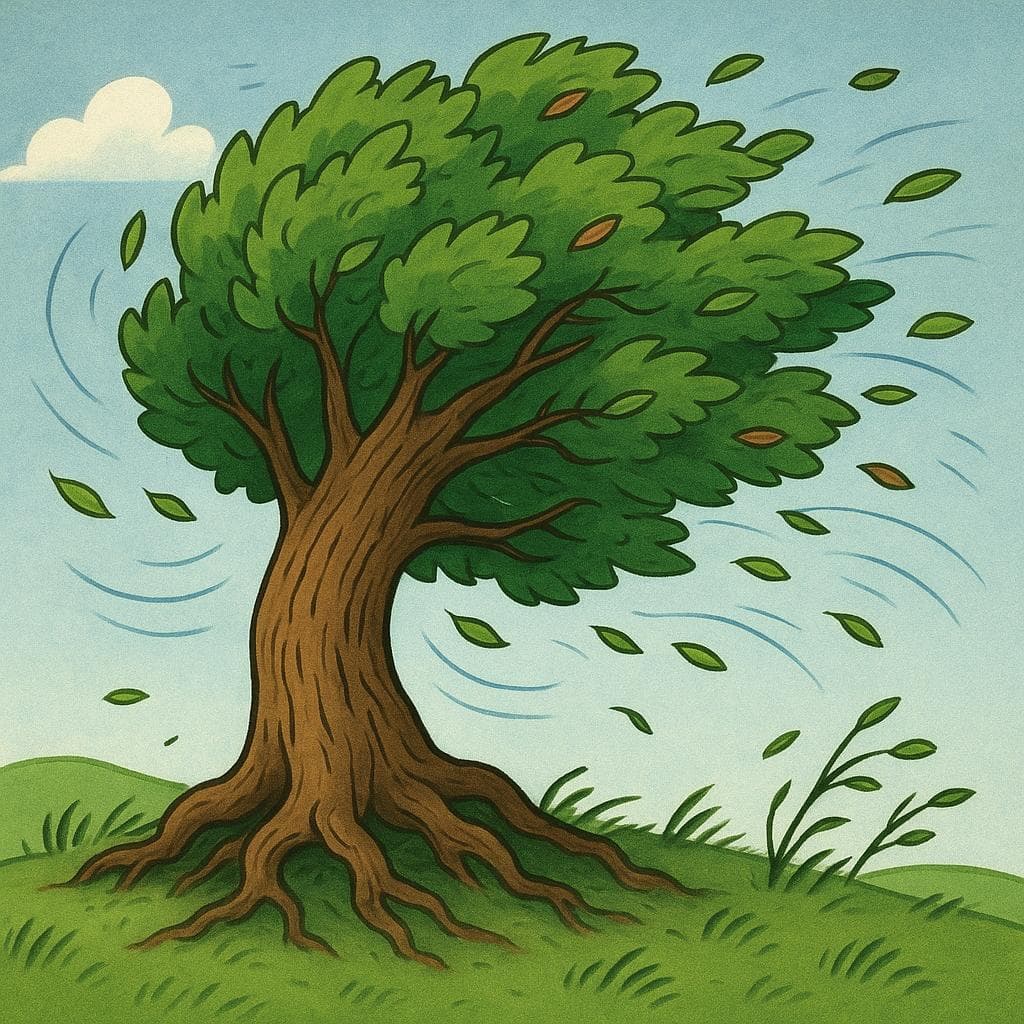
Solo los árboles machos producen polen.
B1Only the male trees produce pollen.
macho man
Also: chauvinist
📝 In Action
No seas tan macho, ayúdale a lavar los platos.
B1Don't be such a macho man, help her wash the dishes.
Su actitud de macho le impide admitir sus errores.
B2His macho attitude prevents him from admitting his mistakes.
tough
Also: strong, brave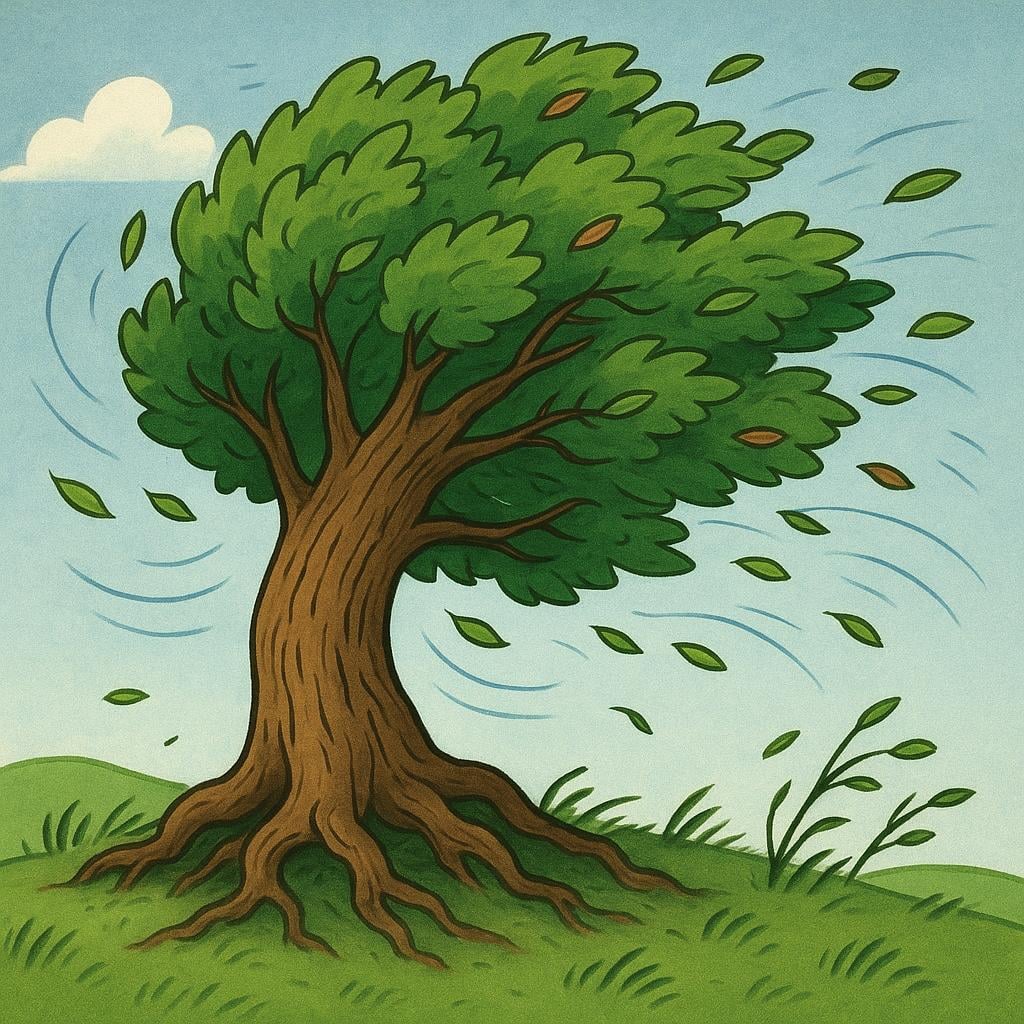
📝 In Action
Ese tornillo es más macho, aguantará más peso.
B1That screw is tougher, it will hold more weight.
Fue muy macho al enfrentarse solo al problema.
B2He was very brave/tough in facing the problem alone.
tap
Also: plug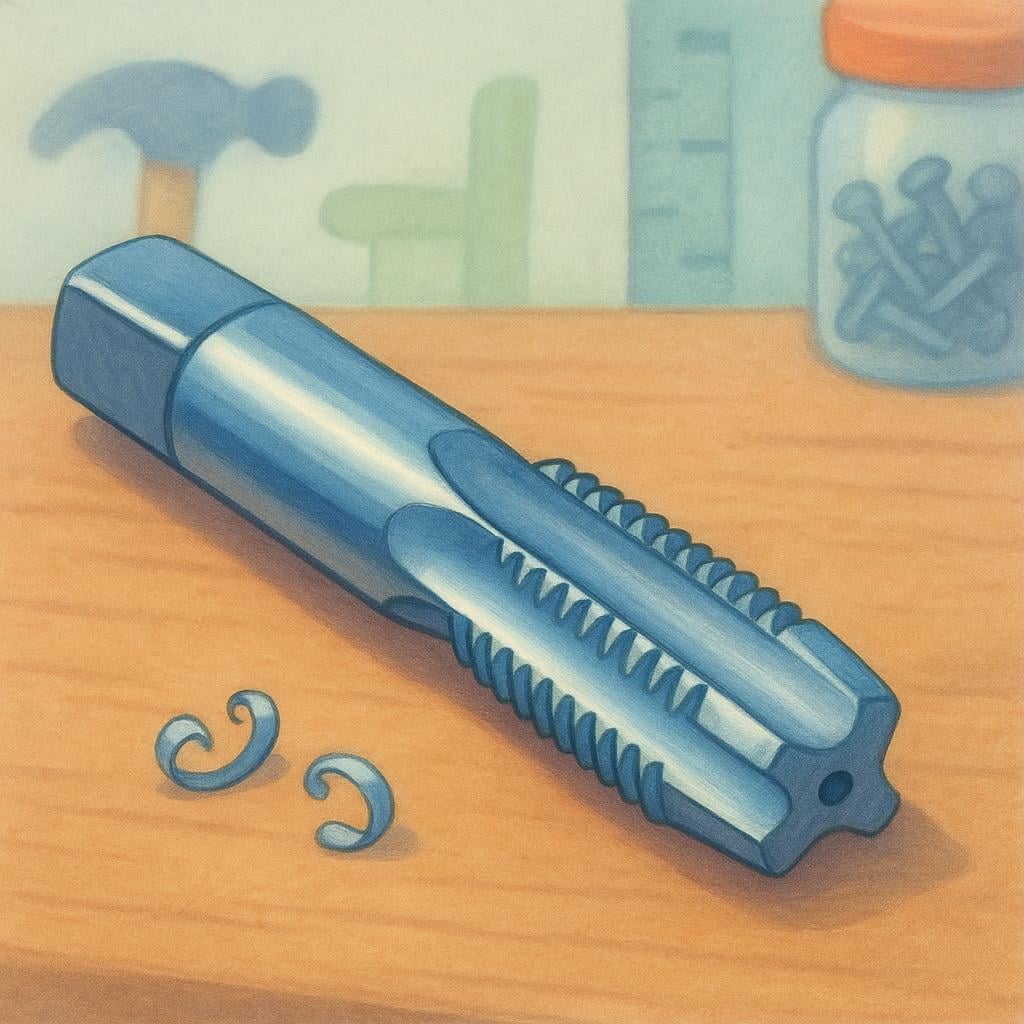
📝 In Action
Necesitamos un macho de métrica 8 para hacer la rosca.
B2We need an M8 tap to make the thread.
El cable tiene un macho que se conecta a la hembra del enchufe.
C1The cable has a plug (male connector) that connects to the socket (female connector).
Translate to Spanish
✏️ Quick Practice
Quick Quiz: macho
Question 1 of 2
Which sentence uses 'macho' with its negative, cultural meaning?
📚 More Resources
👥 Word Family▼
📚 Etymology▼
Comes from the Latin word *masculus*, which is the root for 'male' or 'masculine.' Its meaning evolved in Spanish to cover both the biological sex and the cultural concept of exaggerated manliness.
First recorded: Around the 13th century in written Spanish.
Cognates (Related words)
💡 Master Spanish
Take your Spanish to the next level. Read 200+ illustrated and narrated Spanish stories tailored to your level with the Inklingo app!
Frequently Asked Questions
Is 'macho' always a negative word?
Not always. While it often has a strong negative connotation tied to 'machismo' (exaggerated masculinity), it is a neutral, technical term for the male sex of an animal or plant, and sometimes used informally (especially regionally) to mean 'strong' or 'brave' in a positive way.
How is 'macho' different from 'varón'?
'Macho' refers to the male sex of animals (and sometimes humans in a derogatory or technical sense). 'Varón' is the standard, neutral word specifically for a human male.