How to Say "crevice" in Spanish
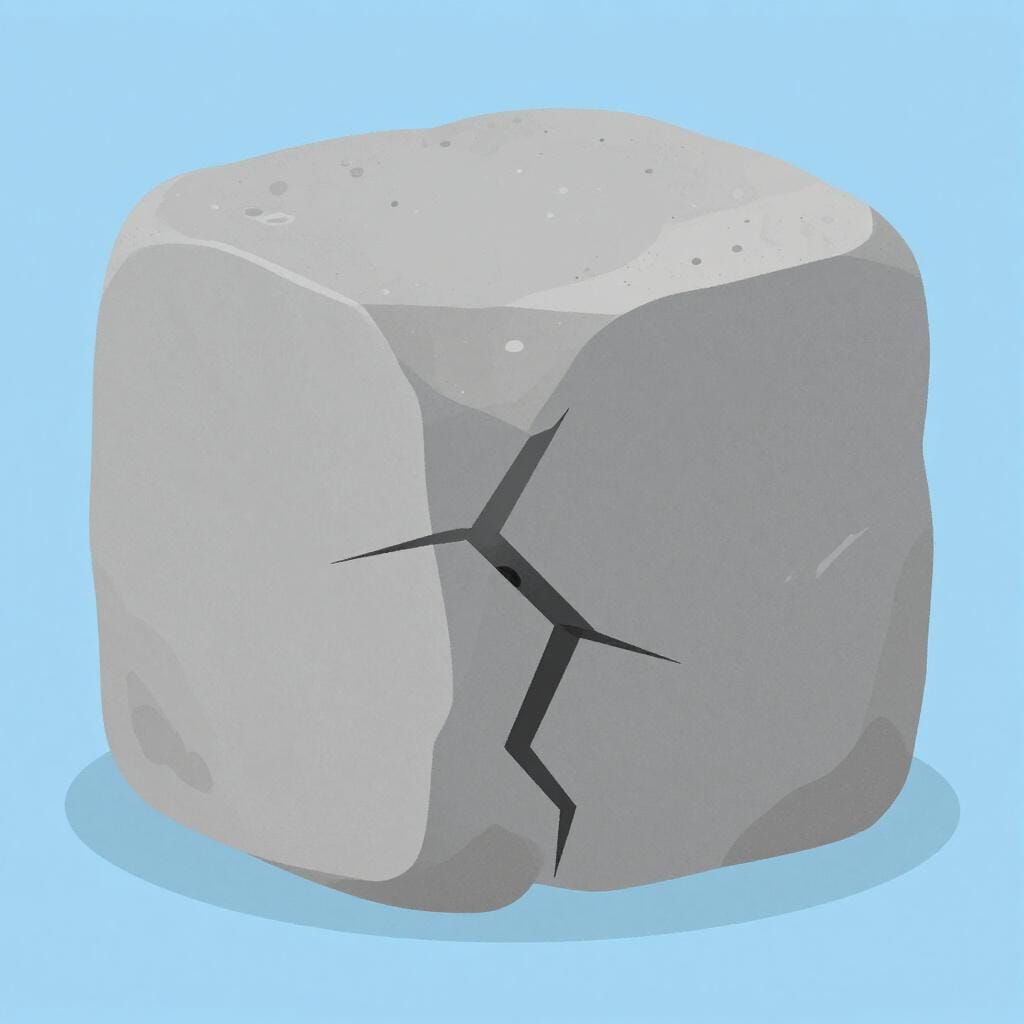
The most common Spanish word for “crevice” is “grieta” — use 'grieta' for a narrow, common opening or crack, such as in a wall, rock, or even a surface like ice.
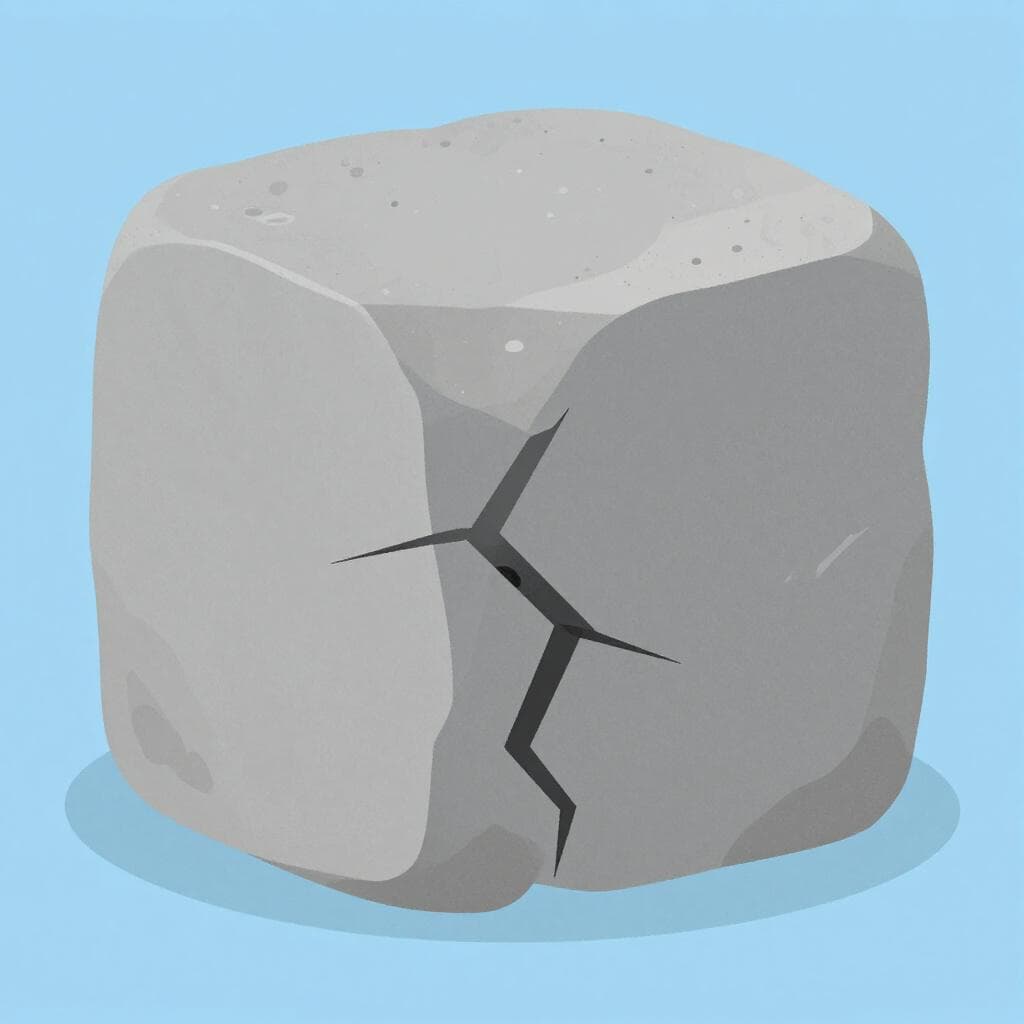
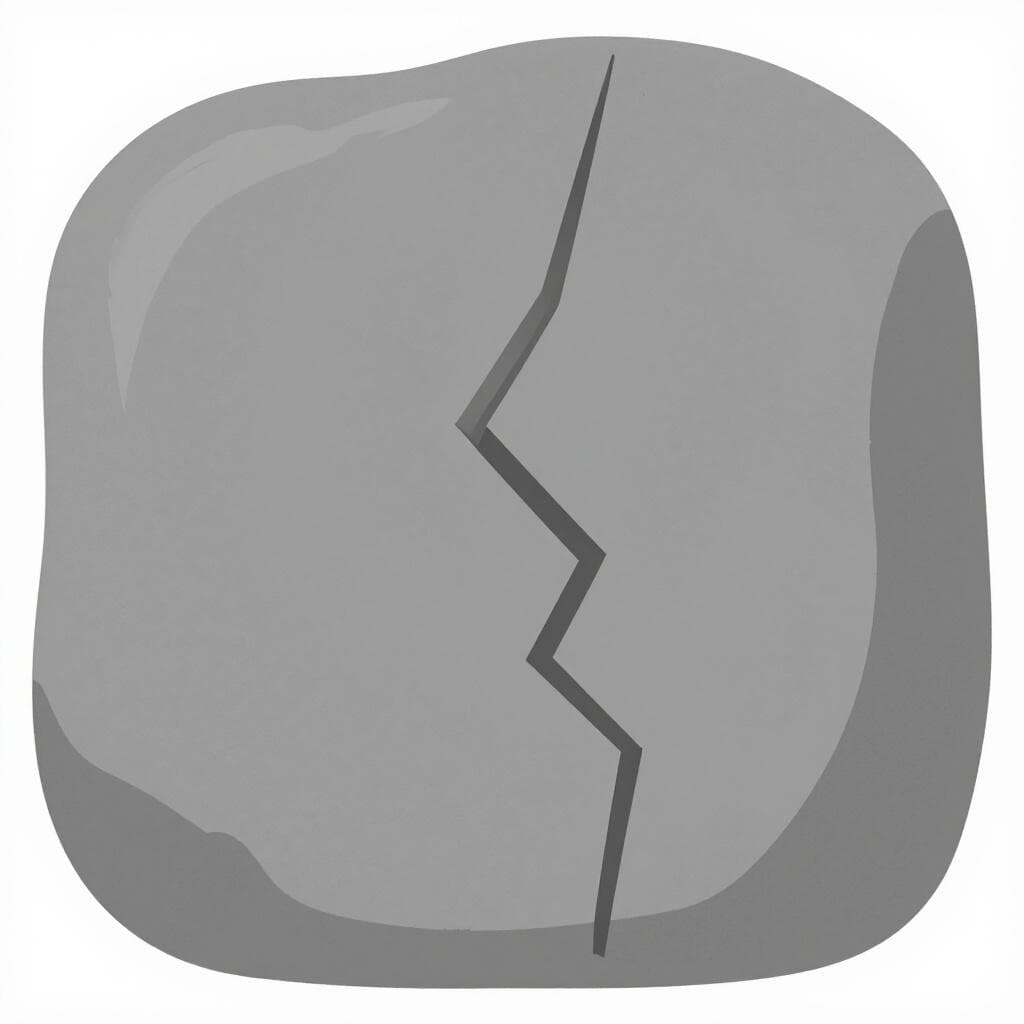
grieta
GREE-eh-tahˈɡɾjeta
Examples
Hay una grieta pequeña en la pared del salón.
There is a small crack in the living room wall.
El terremoto causó varias grietas profundas en el asfalto.
The earthquake caused several deep cracks in the asphalt.
El agua se filtra por las grietas de las rocas.
Water seeps through the crevices in the rocks.
Feminine Noun Basics
Since this word ends in 'a', it is feminine. Use 'la grieta' or 'una grieta' every time.
Describing Size
When you want to say a crack is getting bigger, use the verb 'abrirse' (to open up).
Crack vs. Hole
Mistake: “Usar 'agujero' para una línea en la pared.”
Correction: Use 'grieta' for long, narrow lines. Use 'agujero' for round holes or gaps where material is missing.
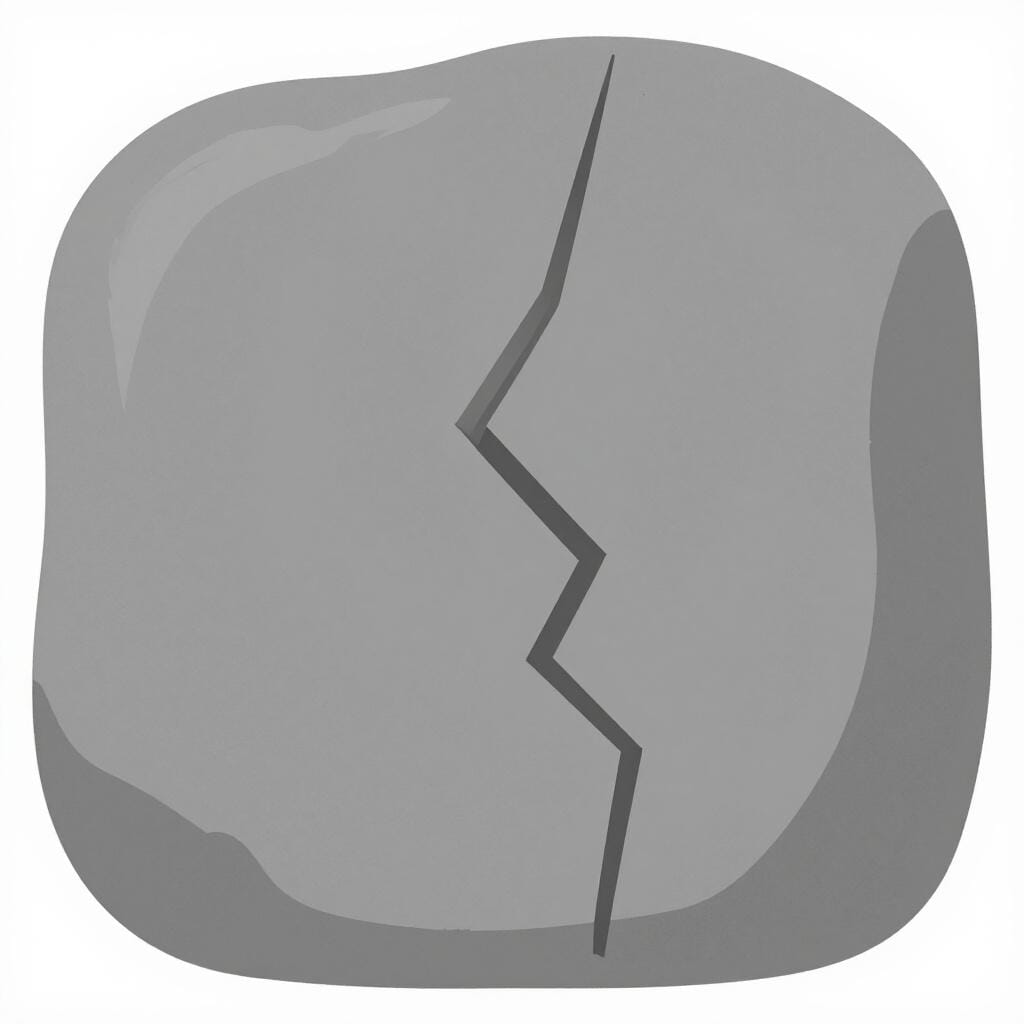
quiebra
KYEH-brahˈkje.βɾa
Examples
La quiebra en el muro permitía ver el otro lado.
The crack in the wall allowed us to see the other side.
Grieta vs. Quiebra
Learn Spanish with Inklingo
Interactive stories, personalized learning, and more.