grieta
“grieta” means “crack” in Spanish. It has 2 different meanings depending on context:
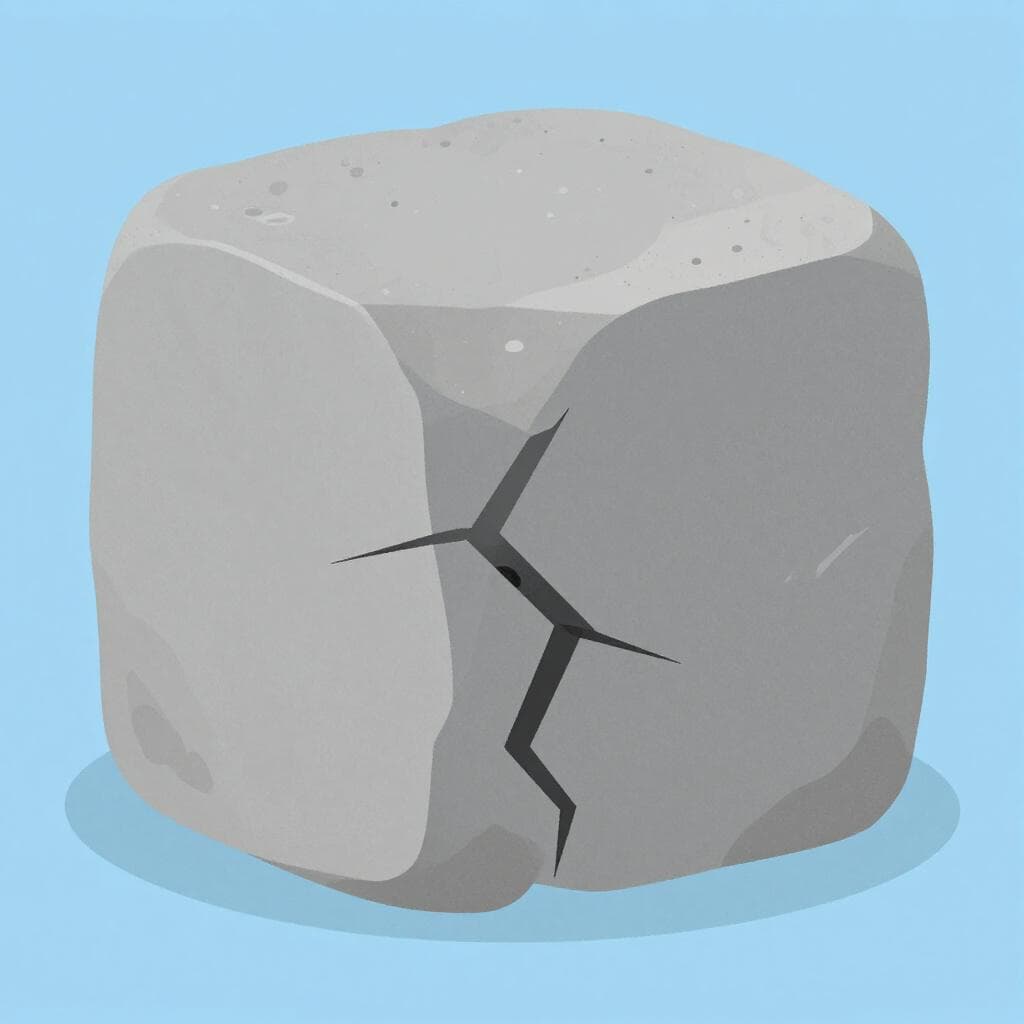

crack
Also: fissure, crevice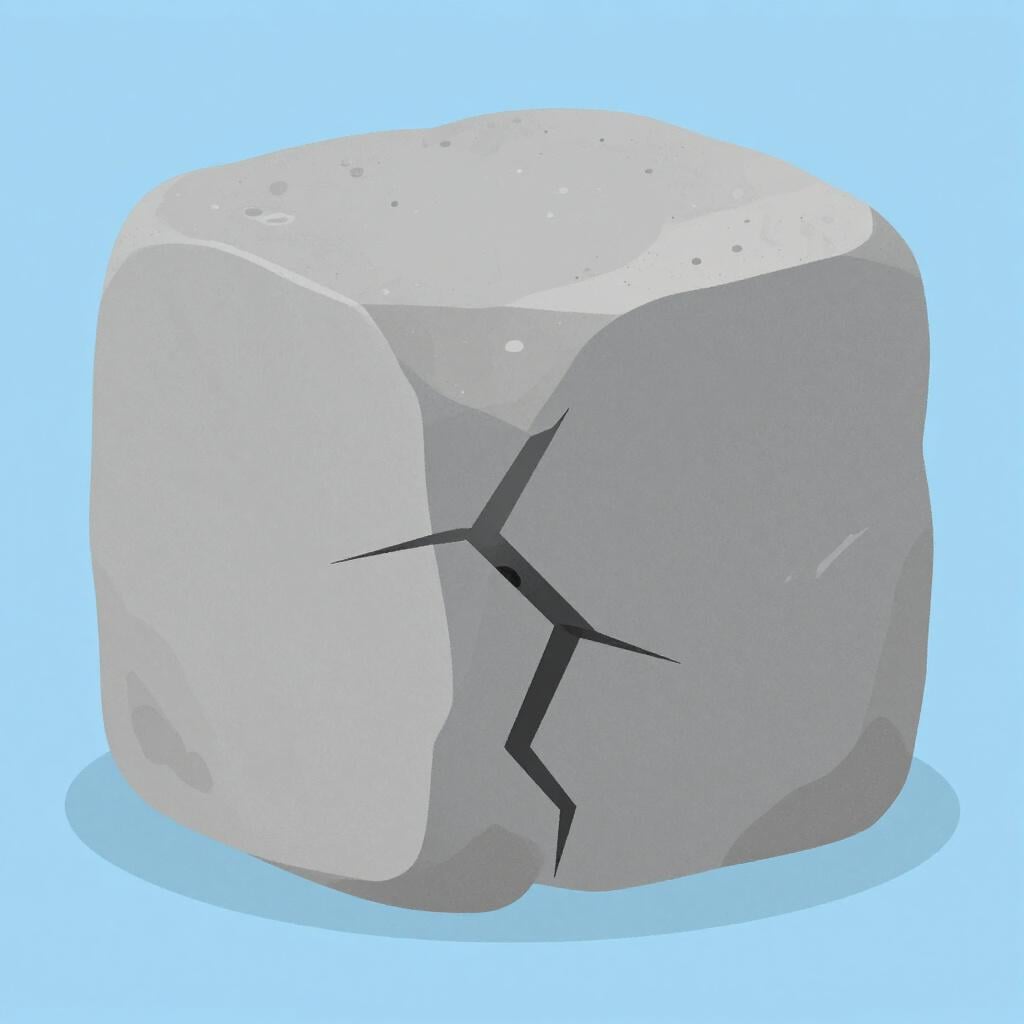
📝 In Action
Hay una grieta pequeña en la pared del salón.
A2There is a small crack in the living room wall.
El terremoto causó varias grietas profundas en el asfalto.
B1The earthquake caused several deep cracks in the asphalt.
El agua se filtra por las grietas de las rocas.
B2Water seeps through the crevices in the rocks.
rift
Also: gap, division
📝 In Action
La grieta política divide a las familias durante las elecciones.
B2The political rift divides families during elections.
Sus diferencias abrieron una grieta en su amistad de años.
C1Their differences opened a rift in their years-long friendship.
Es necesario trabajar para cerrar la grieta social.
C1It is necessary to work to bridge the social gap.
Translate to Spanish
✏️ Quick Practice
Quick Quiz: grieta
Question 1 of 3
Which of the following describes a 'grieta'?
📚 More Resources
👥 Word Family▼
📚 Etymology▼
Derived from the Latin word 'crepĭta', which is the plural of 'crepĭtum' (a crackling or snapping sound). This refers to the sound a material makes when it begins to break or split.
First recorded: 13th century
Cognates (Related words)
💡 Master Spanish
Take your Spanish to the next level. Read 200+ illustrated and narrated Spanish stories tailored to your level with the Inklingo app!
Frequently Asked Questions
Is 'grieta' always a bad thing?
Usually, yes. It implies that something solid (like a wall, a floor, or a relationship) is breaking or damaged.
Can I use 'grieta' for a crack in a window?
It is better to use 'fissure' or 'raja' for glass, but 'grieta' is understood. For a small chip, use 'picadura'.
What is the difference between 'grieta' and 'fisura'?
They are very similar. A 'fisura' is often used in medical or technical contexts (like a 'hairline fracture'), whereas 'grieta' is more common for walls, the earth, or social divisions.