How to Say "crack" in Spanish
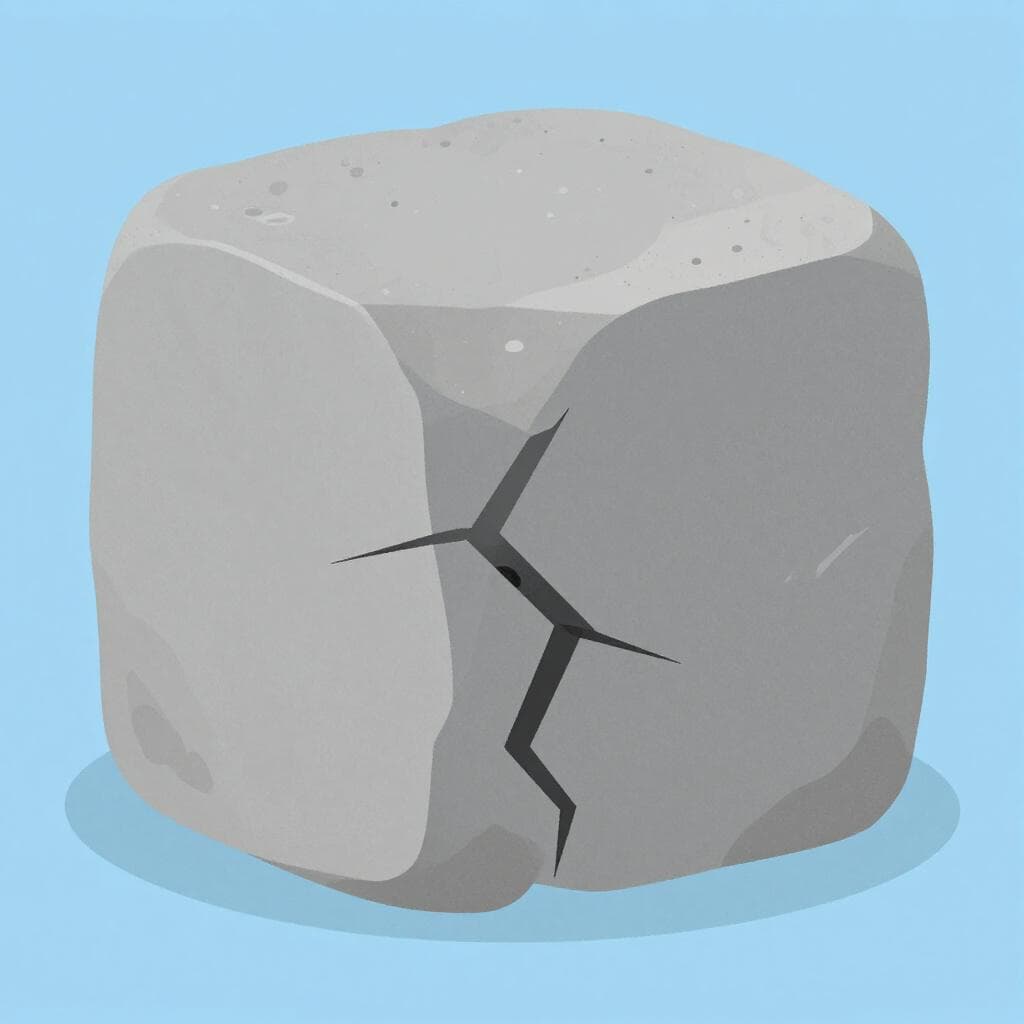
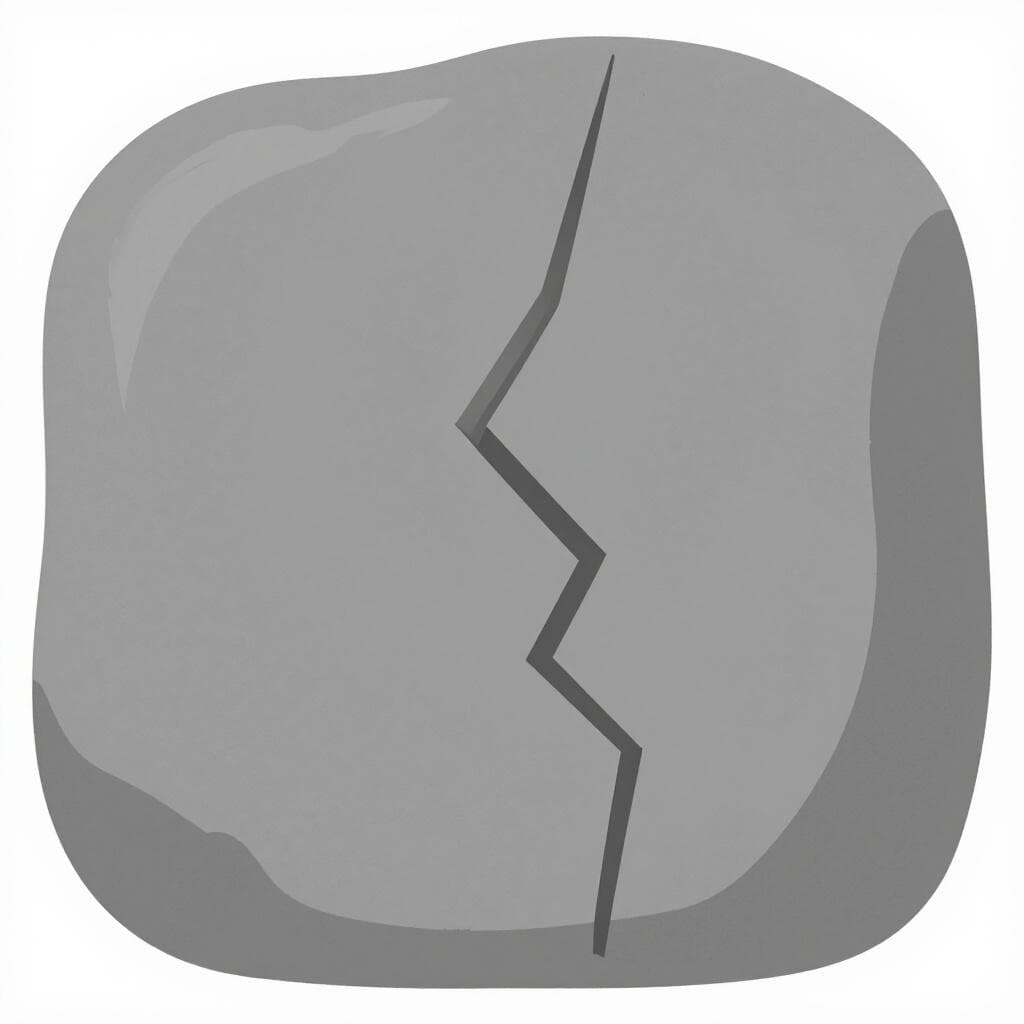
The most common Spanish word for “crack” is “grieta” — use 'grieta' for a narrow opening or fissure, often in a solid surface like a wall or glass, implying it's not a complete break.


grieta
GREE-eh-tahˈɡɾjeta
Examples
Hay una grieta pequeña en la pared del salón.
There is a small crack in the living room wall.
El terremoto causó varias grietas profundas en el asfalto.
The earthquake caused several deep cracks in the asphalt.
El agua se filtra por las grietas de las rocas.
Water seeps through the crevices in the rocks.
Feminine Noun Basics
Since this word ends in 'a', it is feminine. Use 'la grieta' or 'una grieta' every time.
Describing Size
When you want to say a crack is getting bigger, use the verb 'abrirse' (to open up).
Crack vs. Hole
Mistake: “Usar 'agujero' para una línea en la pared.”
Correction: Use 'grieta' for long, narrow lines. Use 'agujero' for round holes or gaps where material is missing.
raja
RAH-hahˈra.xa

Examples
Hay una raja en la pared del garaje.
There is a crack in the garage wall.
Se me hizo una raja en el pantalón.
I got a rip/slit in my pants.
La madera tiene una raja profunda.
The wood has a deep crack.
Describing Damage
When an object has a 'raja,' it implies it has been split or cracked open, often accidentally.
Crack vs. Break
Mistake: “Saying the wall 'broke' when it just has a line.”
Correction: Use 'raja' or 'grieta' for the line/crack itself, rather than saying the whole object is broken.
rotura
ro-TOO-rahroˈtuɾa

Examples
La rotura de la tubería causó una inundación en el sótano.
The pipe break caused a flood in the basement.
El deportista tiene una rotura de fibras en la pierna.
The athlete has a muscle tear in his leg.
No podemos vender este plato por la rotura del borde.
We can't sell this plate because of the crack on the rim.
Always Feminine
Even though it ends in 'a', it's good to remember that 'la rotura' is a naming word for a thing (a noun) and stays feminine regardless of what object broke.
Describing the Damage
Use 'de' after 'rotura' to name the object that is broken, like 'rotura de cristal' (glass break).
Rotura vs. Ruptura
Mistake: “La ruptura de la tubería.”
Correction: La rotura de la tubería. Use 'rotura' for physical objects and 'ruptura' for relationships or abstract ideas.
crack
krakˈkɾak

Examples
El consumo de crack es un problema de salud pública.
The consumption of crack is a public health problem.
quiebra
KYEH-brahˈkje.βɾa
Examples
La quiebra en el muro permitía ver el otro lado.
The crack in the wall allowed us to see the other side.
Grieta vs. Raja vs. Quiebra
Learn Spanish with Inklingo
Interactive stories, personalized learning, and more.