How to Say "ace" in Spanish
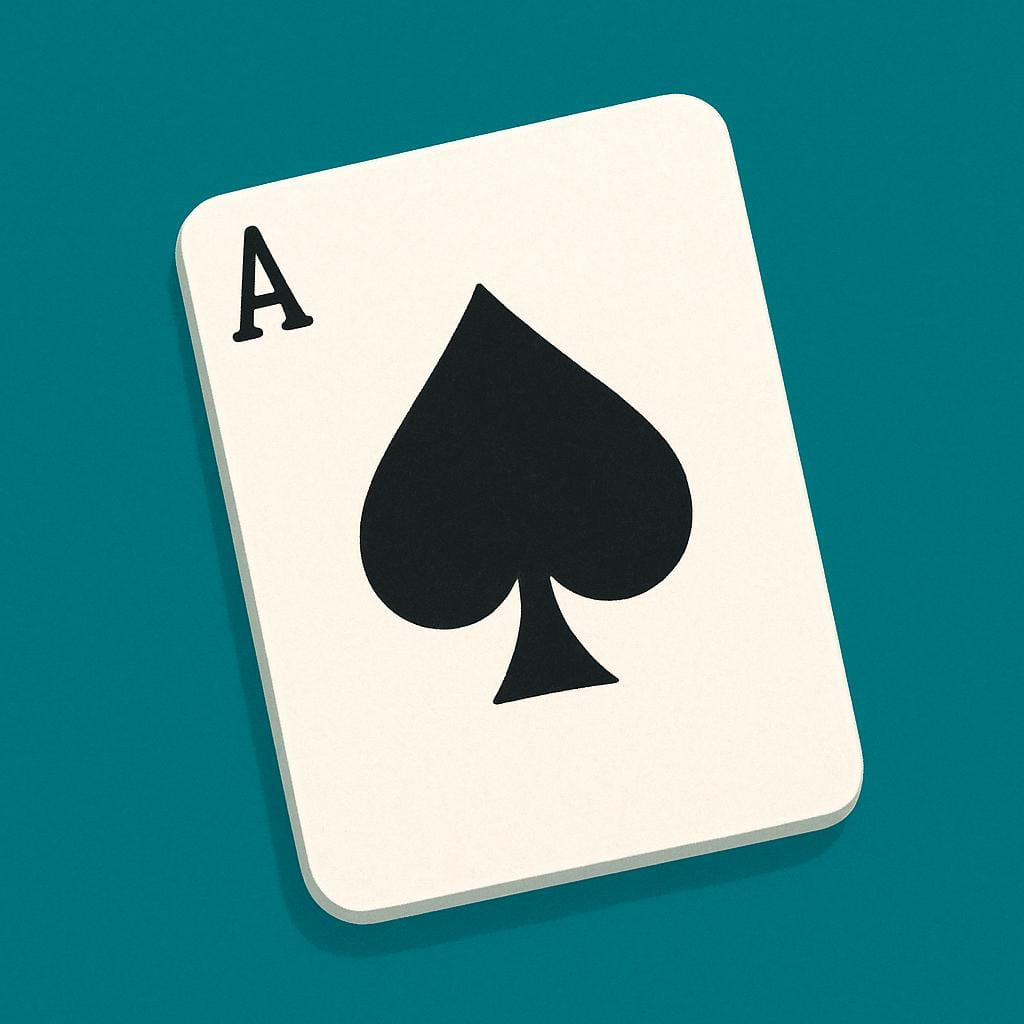
The most common Spanish word for “ace” is “as” — use 'as' when referring to the playing card or a die face with a single pip, or in specific idiomatic phrases like 'as de espadas' (ace of spades).
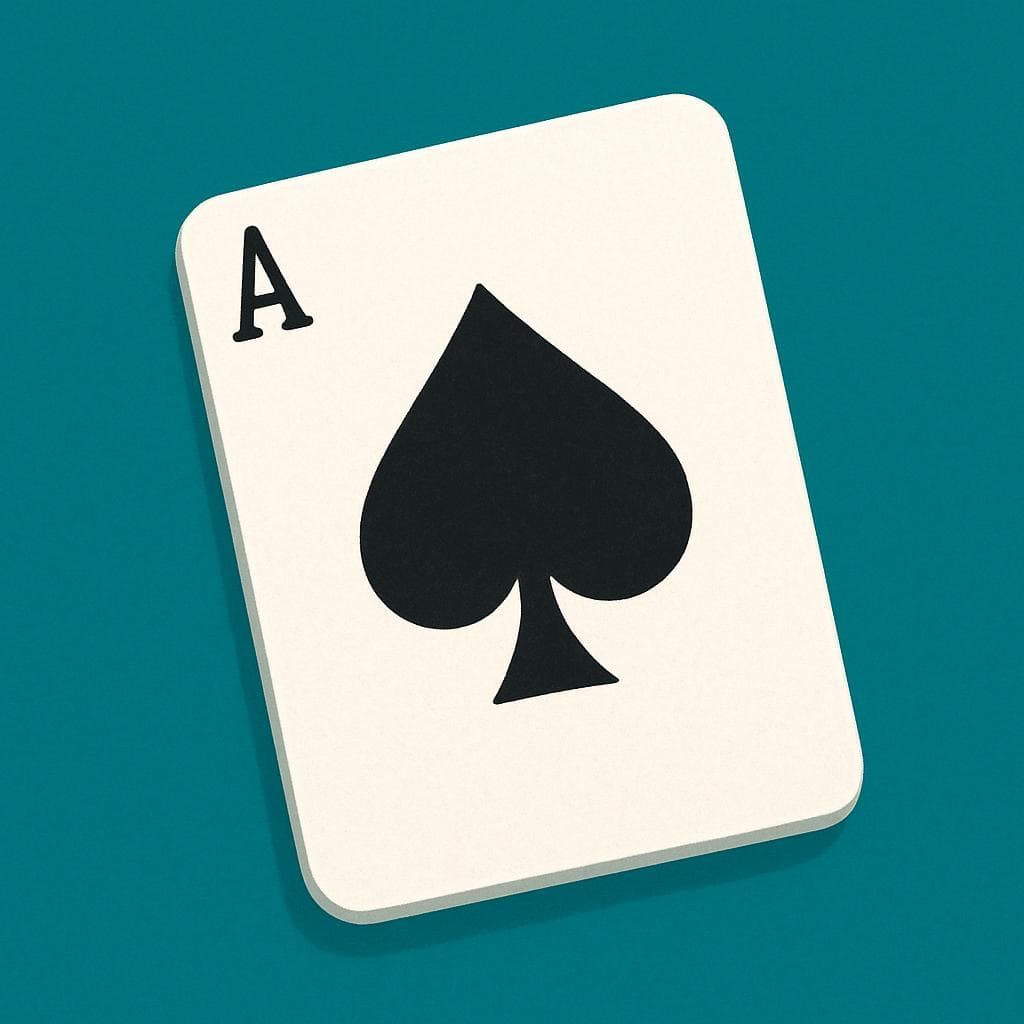


as
ahsas
Examples
Saqué un as de picas y gané la partida.
I drew an ace of spades and won the game.
Necesito un as de copas para ganar esta mano.
I need an ace of cups to win this hand.
El as es la carta más alta en este juego.
The ace is the highest card in this game.
Ese piloto es un as de la Fórmula 1.
That driver is an ace/star of Formula 1.
Masculine Noun
Even though it refers to a card, 'as' is always a masculine noun, so you use 'el' or 'un' before it.
Gender Usage
When referring to a person (male or female), 'as' always uses the masculine article ('un as', 'el as'), even if the person is female. For example: 'Ella es el as del equipo' (She is the team's ace).
Using the Feminine Article
Mistake: “La as del fútbol.”
Correction: El as del fútbol. Remember, the noun 'as' itself is masculine, even if the person it describes is a woman.
crack
krakˈkɾak

Examples
Ese futbolista es un crack, siempre marca goles decisivos.
That footballer is a star, he always scores decisive goals.
Messi es un crack en el fútbol.
Messi is a star at soccer.
¡Eres un crack! Gracias por arreglar mi ordenador.
You're a legend! Thanks for fixing my computer.
Mi hermana es una crack de las matemáticas.
My sister is a math whiz.
Using 'crack' for anyone
Although it is a masculine word ('un crack'), you can use it to describe both men and women. It is a way to say someone is the best at what they do.
Don't use it for 'breaks'
Mistake: “Using 'crack' to talk about a break in a wall or glass.”
Correction: In Spanish, a physical break or fissure is called a 'grieta' or 'raja.' Only use 'crack' for talented people or specific drug contexts.
príncipe
Examples
Es el príncipe de la nueva generación de escritores.
He is the master/prince of the new generation of writers.
as
ahsas
Examples
Ese agente secreto es un as, resuelve cualquier misión.
That secret agent is an ace, he solves any mission.
Necesito un as de copas para ganar esta mano.
I need an ace of cups to win this hand.
El as es la carta más alta en este juego.
The ace is the highest card in this game.
Ese piloto es un as de la Fórmula 1.
That driver is an ace/star of Formula 1.
Masculine Noun
Even though it refers to a card, 'as' is always a masculine noun, so you use 'el' or 'un' before it.
Gender Usage
When referring to a person (male or female), 'as' always uses the masculine article ('un as', 'el as'), even if the person is female. For example: 'Ella es el as del equipo' (She is the team's ace).
Using the Feminine Article
Mistake: “La as del fútbol.”
Correction: El as del fútbol. Remember, the noun 'as' itself is masculine, even if the person it describes is a woman.
máquina
Examples
Terminó todo el trabajo en una hora, ¡es una máquina!
He finished all the work in an hour, he's an ace/a machine!
hacha
AH-chahˈa.tʃa

Examples
Mi hermana es un hacha para las matemáticas.
My sister is a whiz at math.
Mi primo es un hacha en la programación de computadoras.
My cousin is a whiz at computer programming.
Ella es un hacha para los negocios, siempre cierra los mejores tratos.
She is an ace at business; she always closes the best deals.
Gender remains Feminine
Even when referring to a man, 'hacha' keeps its feminine gender (el/un hacha). You treat the person as the object (the axe) that performs the action well.
Choosing between 'as', 'crack', and 'máquina'
Related Translations
Learn Spanish with Inklingo
Interactive stories, personalized learning, and more.