as
“as” means “ace” in Spanish. It has 2 different meanings depending on context:
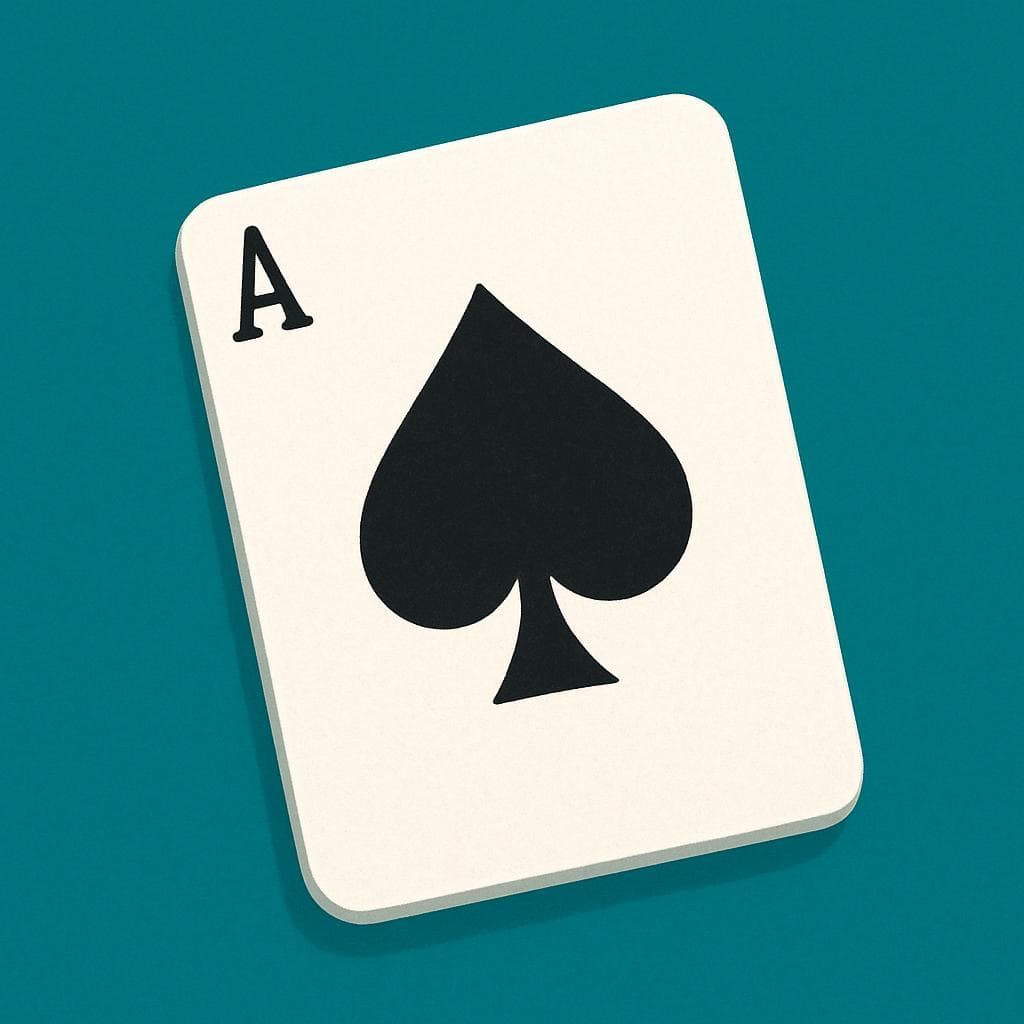

ace
Also: one-spot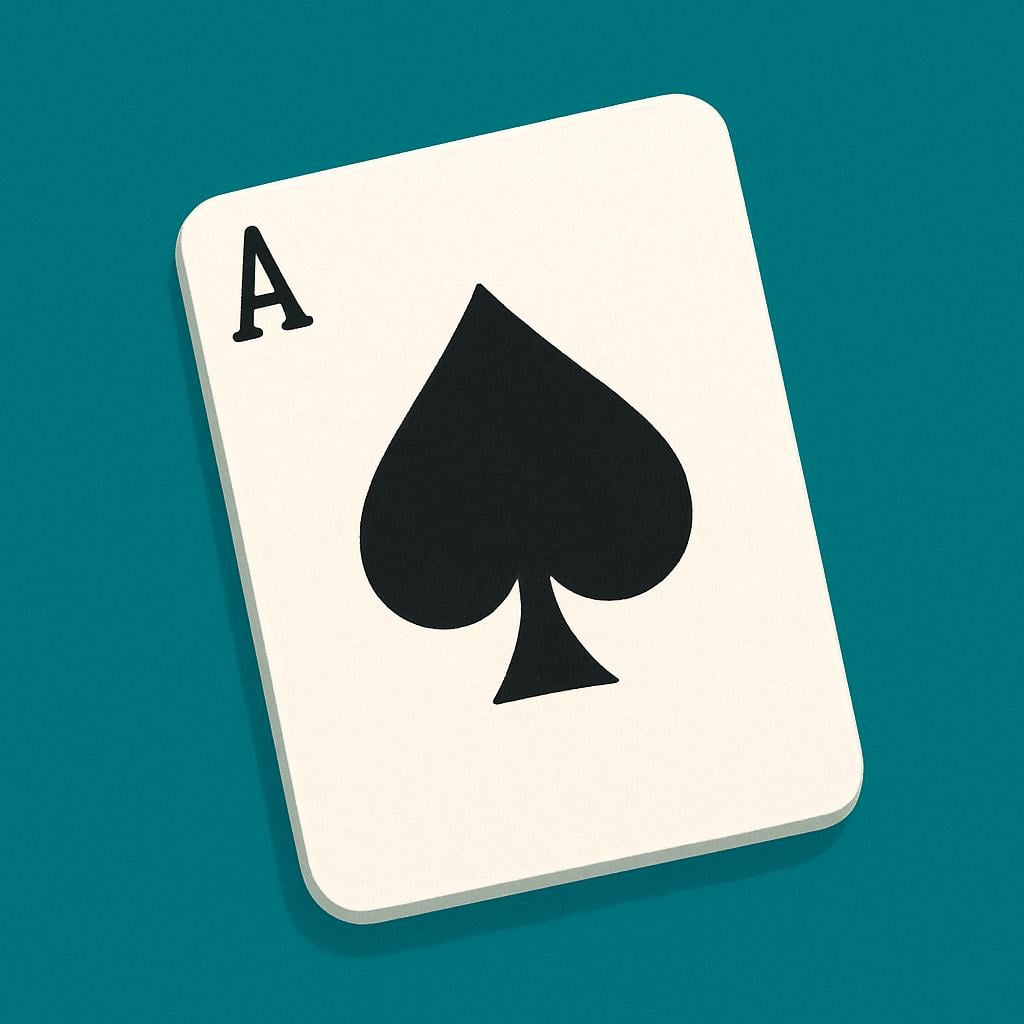
📝 In Action
Necesito un as de copas para ganar esta mano.
A1I need an ace of cups to win this hand.
El as es la carta más alta en este juego.
A2The ace is the highest card in this game.
ace, star
Also: champion
📝 In Action
Ese piloto es un as de la Fórmula 1.
B1That driver is an ace/star of Formula 1.
La nueva abogada resultó ser un as en la corte.
B2The new lawyer turned out to be an ace in court.
✏️ Quick Practice
Quick Quiz: as
Question 1 of 1
Which sentence uses 'as' to mean 'expert' or 'champion'?
📚 More Resources
👥 Word Family▼
📚 Etymology▼
The word comes directly from the Latin 'as,' which originally referred to a unit of weight, measure, or coinage (like a penny). This concept of 'single unit' evolved into the highest single card in a deck.
First recorded: 13th century
Cognates (Related words)
💡 Master Spanish
Take your Spanish to the next level. Read 200+ illustrated and narrated Spanish stories tailored to your level with the Inklingo app!
Frequently Asked Questions
Is 'as' related to the verb form 'has' (from 'haber')?
No. Although they sound the same, 'as' (the noun, meaning 'ace' or 'expert') is spelled without an 'h'. The verb form 'has' (as in 'tú has comido') is always spelled with an 'h'.
¿Cómo se dice 'ace' en el tenis (cuando alguien anota directamente)?
In tennis, the word 'ace' is usually translated as 'saque directo' or sometimes just 'ace' (pronounced in Spanish) is used, but the noun 'as' itself can also refer to the player who performs many of these.