quebrar
“quebrar” means “to break” in Spanish. It has 2 different meanings depending on context:
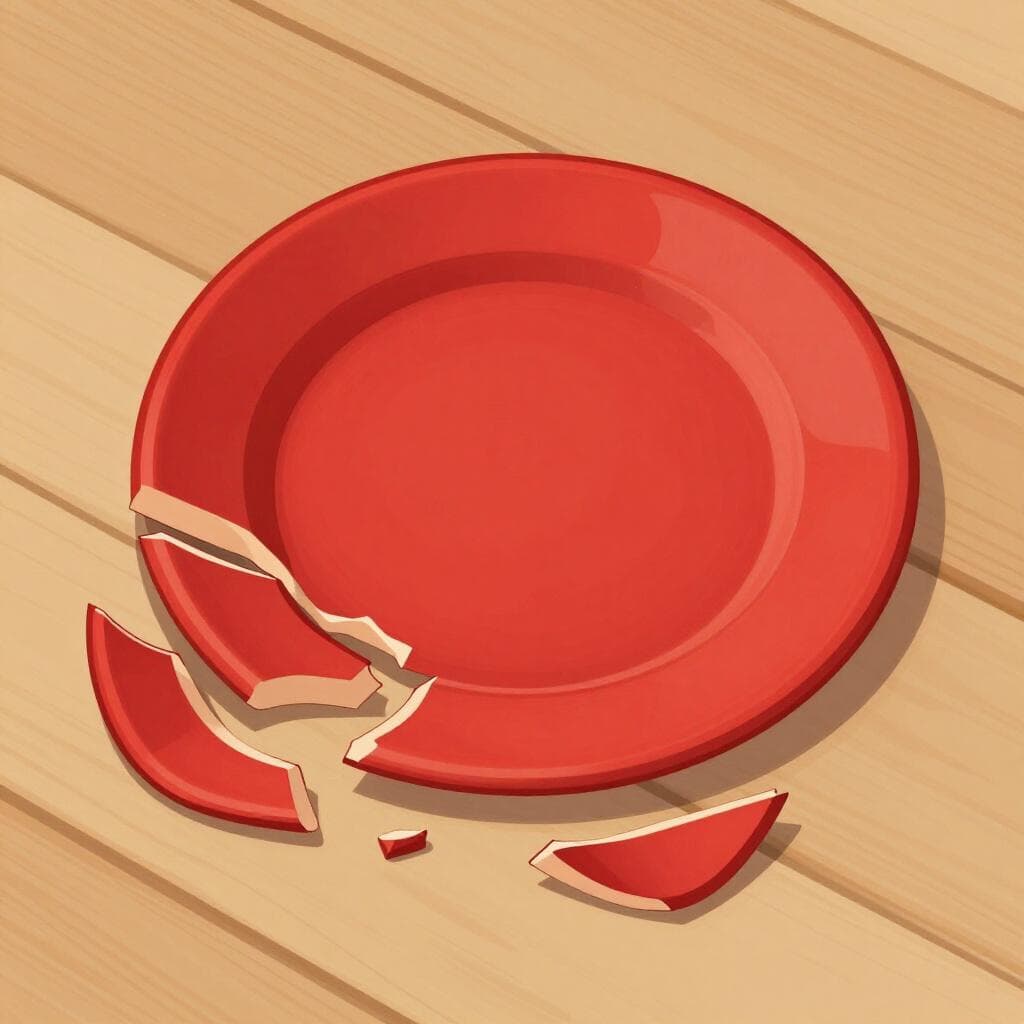

to break
Also: to snap, to shatter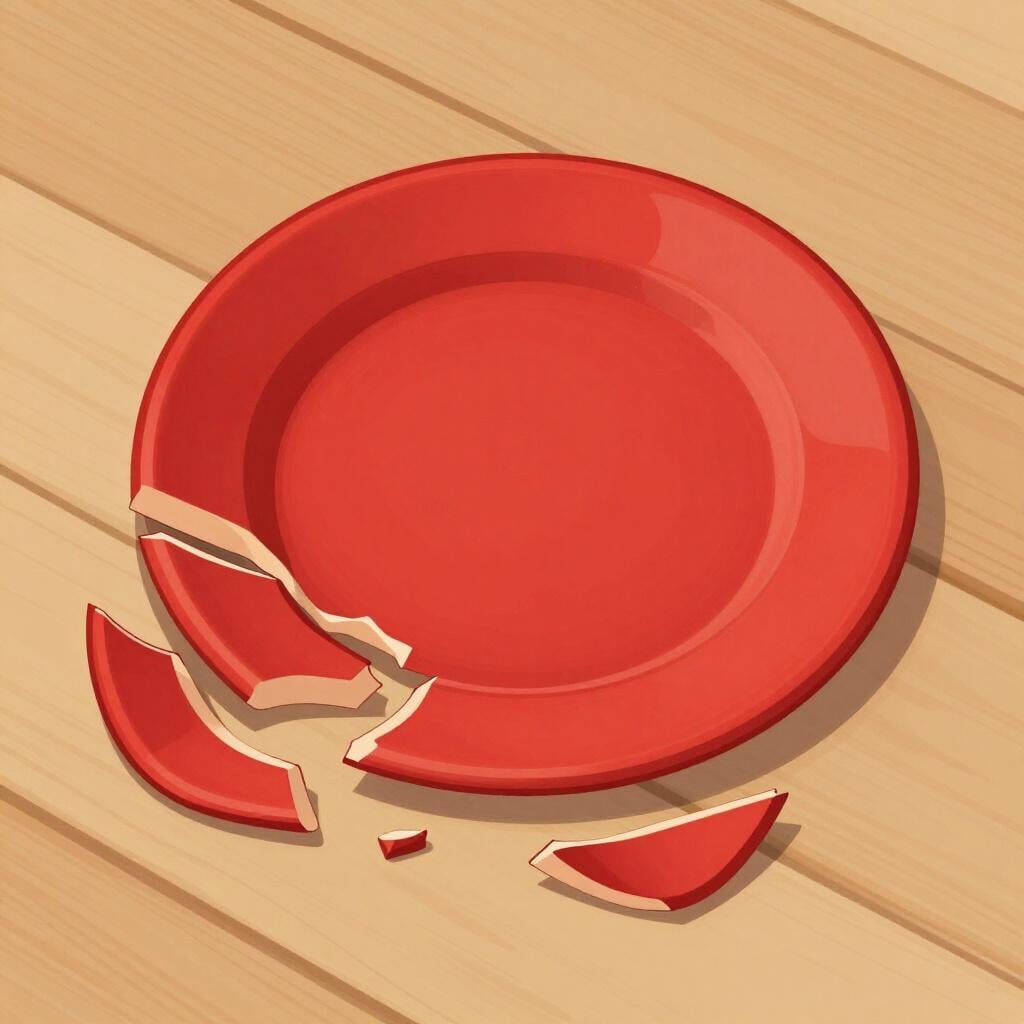
📝 In Action
Ten cuidado, no vayas a quebrar el plato de cristal.
A2Be careful, don't break the glass plate.
La rama se quebró por el peso de la nieve.
B1The branch snapped under the weight of the snow.
El fuerte viento quebró el mástil del barco.
B2The strong wind snapped the ship's mast.
to go bankrupt
Also: to fail
📝 In Action
La empresa quebró durante la crisis financiera.
B1The company went bankrupt during the financial crisis.
Muchos negocios quiebran en su primer año de operación.
B2Many businesses go bust in their first year of operation.
Subjunctive
Imperfect Subjunctive
Present Subjunctive
Indicative
Preterite
Imperfect
Present
🔀 Commonly Confused With
Translate to Spanish
✏️ Quick Practice
Quick Quiz: quebrar
Question 1 of 3
How do you say 'I break' (present tense) in Spanish?
📚 More Resources
👥 Word Family▼
📚 Etymology▼
From the Latin 'crepāre', which originally meant to make a cracking sound, rattle, or creak.
First recorded: 12th century
Cognates (Related words)
💡 Master Spanish
Take your Spanish to the next level. Read 200+ illustrated and narrated Spanish stories tailored to your level with the Inklingo app!
Frequently Asked Questions
What is the difference between 'romper' and 'quebrar'?
While often interchangeable, 'romper' is a general word for 'to break.' 'Quebrar' specifically suggests something hard or brittle snapping or shattering (like a stick, a bone, or glass).
Can 'quebrar' be used for breaking a rule?
Usually, 'quebrantar' is used for laws or rules, but in some poetic or regional contexts, 'quebrar' might be used for things like 'breaking the law' or 'breaking a promise.'
Is it 'quebrado' or 'quebrantado'?
Both exist! 'Quebrado' is the standard past participle (e.g., 'I have broken'). 'Quebrantado' is usually reserved for things like 'quebrantado de salud' (in poor health) or a broken law.