How to Say "to fail" in Spanish
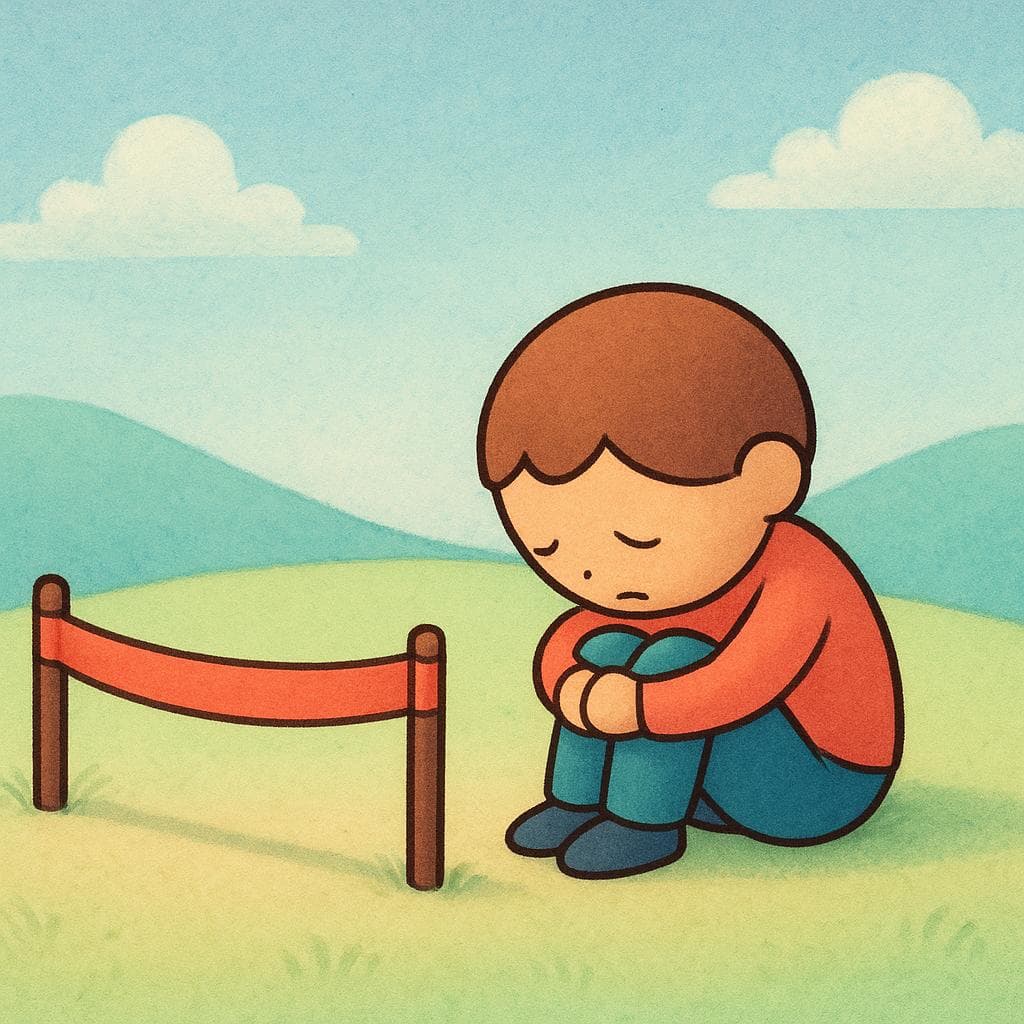
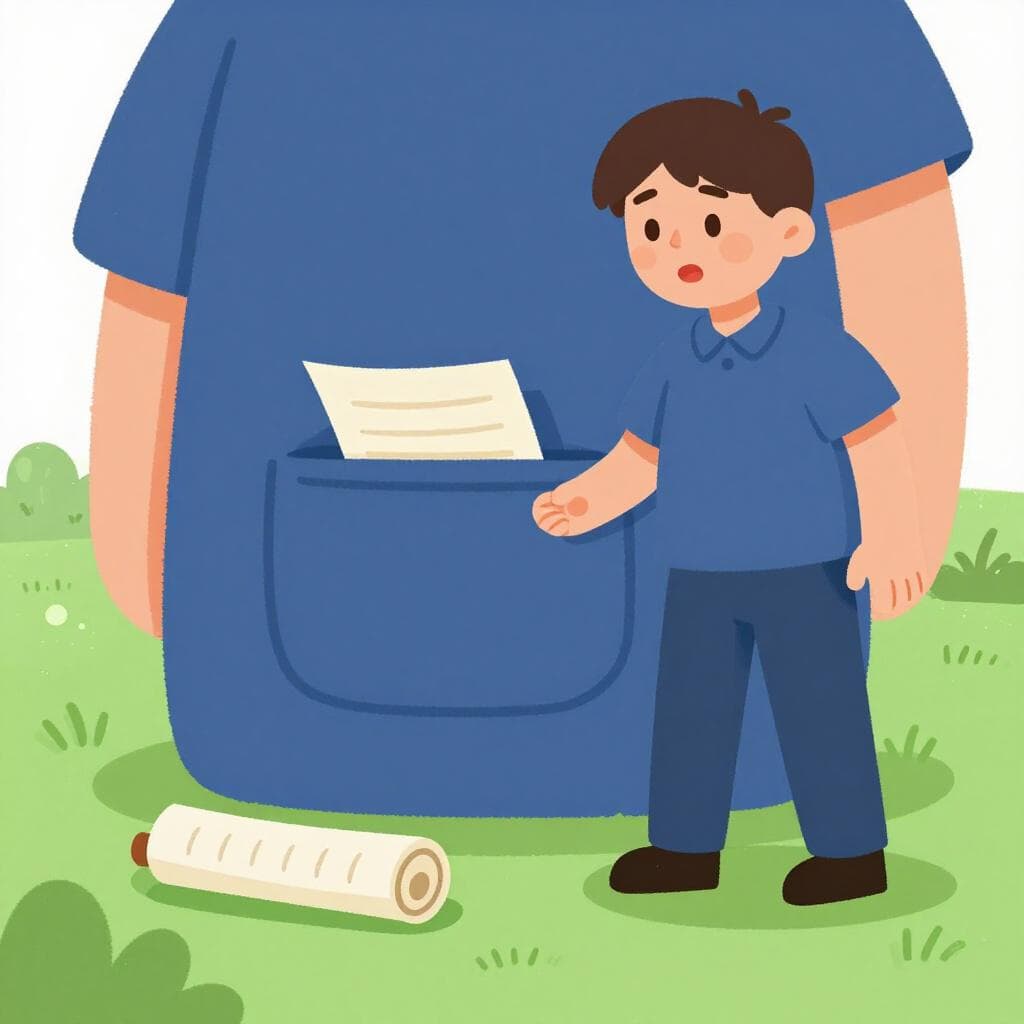
The most common Spanish word for “to fail” is “fallar” — use this general term when something does not succeed or work as intended, especially for exams or tests.






fallar
fah-YARfaˈʝaɾ

Examples
Fallé el examen de conducir por un punto.
I failed the driving test by one point.
No puedes fallarme esta vez; necesito tu ayuda.
You can't let me down this time; I need your help.
Si fallas en tu intento, vuelve a empezar.
If you fail in your attempt, start again.
Regular AR Verb
This verb is easy! It follows the standard pattern for all verbs ending in -ar, meaning you don't have to worry about tricky stem changes.
Mixing up 'fallar' and 'faltar'
Mistake: “Using 'Falté el examen' (I was absent from the exam) when you mean 'Fallé el examen' (I failed the exam).”
Correction: 'Faltar' means 'to be missing' or 'to be absent.' Use 'fallar' specifically for not succeeding.
suspender
soos-pen-DEHRsuspenˈdeɾ

Examples
He suspendido el examen de conducir.
I failed my driving test.
El profesor suspendió a media clase.
The teacher failed half the class.
Si no estudias, vas a suspender matemáticas.
If you don't study, you're going to fail math.
Failing a Person vs. a Test
When a teacher fails a student, use the 'personal a': 'El profesor suspendió a Juan.' When you just mention the test, don't use 'a': 'Juan suspendió el examen.'
Using 'fail' like English
Mistake: “El examen suspendió.”
Correction: He suspendido el examen. In Spanish, the person is the one who performs the action of failing the test.
decepcionar
deh-sep-syoh-nahrdesepsjoˈnaɾ

Examples
No quiero decepcionar a mis padres con mis notas.
I don't want to disappoint my parents with my grades.
La película me decepcionó un poco; esperaba más acción.
The movie disappointed me a bit; I was expecting more action.
Espero que los resultados no nos decepcionen.
I hope the results don't let us down.
Using the Direct Object
In Spanish, this word usually acts directly on a person. If you are disappointing 'him' or 'her', you use the words 'lo', 'la', or 'le' before the verb (e.g., 'Lo decepcioné' - I disappointed him).
Regular Patterns
This verb is perfectly regular. This means it follows the exact same pattern as 'hablar' or 'cantar' in every single tense.
The 'False Friend' Trap
Mistake: “Using 'decepcionar' to mean 'to deceive' (trick/lie).”
Correction: Use 'engañar' if you want to say someone told a lie or tricked you. 'Decepcionar' is only about being let down.
Confusion with 'Deception'
Mistake: “Pensé que el truco de magia era una decepción.”
Correction: Pensé que el truco de magia era un engaño. 'Decepción' is the feeling of disappointment, not a trick or a lie.
fracasar
fra-ka-SARfɾakaˈsaɾ

Examples
El negocio fracasó porque no tenían clientes.
The business failed because they didn't have customers.
Si no estudias, vas a fracasar en el examen.
If you don't study, you are going to fail the exam.
Muchos emprendedores fracasan antes de tener éxito.
Many entrepreneurs fail before having success.
Use of 'en'
When saying what you failed at, use the word 'en.' For example: 'fracasar en un examen' (to fail an exam).
Regular conjugation pattern
This verb follows the standard pattern for verbs ending in -ar, making it easy to conjugate in any tense.
Fracasar vs. Fallar
Mistake: “Using 'fracasar' for a broken car.”
Correction: Use 'fallar' for mechanical errors and 'fracasar' for personal or project failures.
errar
eh-RAReˈrar

Examples
El cazador erró el tiro y el ciervo escapó.
The hunter missed the shot and the deer escaped.
Errar es de humanos, pero perdonar es divino.
To err is human, but to forgive is divine.
Yerras si piensas que el examen será fácil.
You are mistaken if you think the exam will be easy.
The 'Y' Surprise
When the stress of the word falls on the first letter 'e' (like in 'yo' or 'tú' forms), the 'e' changes into 'ye'. This is why we say 'yerro' instead of 'erro'.
Using 'Errar' vs 'Equivocarse'
Use 'errar' when you miss a physical target or in formal writing. Use 'equivocarse' for everyday mistakes like picking the wrong day for a meeting.
Forgetting the 'Y'
Mistake: “Yo erro el tiro.”
Correction: Yo yerro el tiro. (Because the stress is on the first part of the word, the 'e' must become 'ye'.)
quebrar
keh-BRAHRkeˈβɾaɾ

Examples
La empresa quebró durante la crisis financiera.
The company went bankrupt during the financial crisis.
Muchos negocios quiebran en su primer año de operación.
Many businesses go bust in their first year of operation.
Using it without an object
When talking about money, you can simply say 'The company broke' (La empresa quebró) without saying what it broke. In English, we usually add 'went bankrupt'.
traicionar
try-syoh-NARtɾajsjoˈnaɾ

Examples
Los nervios me traicionaron y olvidé mi discurso.
My nerves failed me and I forgot my speech.
Su mirada la traicionó; todavía lo amaba.
Her look gave her away; she still loved him.
El subconsciente a veces nos traiciona.
The subconscious sometimes betrays us.
The Thing as the Subject
In this meaning, the subject is often an involuntary thing (like nerves or a look) and the person is the one receiving the action. 'Los nervios (subject) me (person) traicionaron.'
tumbar
toom-BARtumˈbaɾ

Examples
El profesor me tumbó en el examen final.
The teacher flunked me in the final exam.
El tribunal tumbó la nueva ley por ser inconstitucional.
The court threw out the new law for being unconstitutional.
Tumbamos el proyecto porque era demasiado caro.
We scrapped the project because it was too expensive.
Subject vs. Object
In the sense of 'failing an exam', the teacher is usually the one who 'tumba' (knocks down) the student.
Mistaking with 'Suspender'
Mistake: “Tumbé el examen.”
Correction: Me tumbaron en el examen.
estrellar
es-tre-YARestɾeˈʎaɾ
Examples
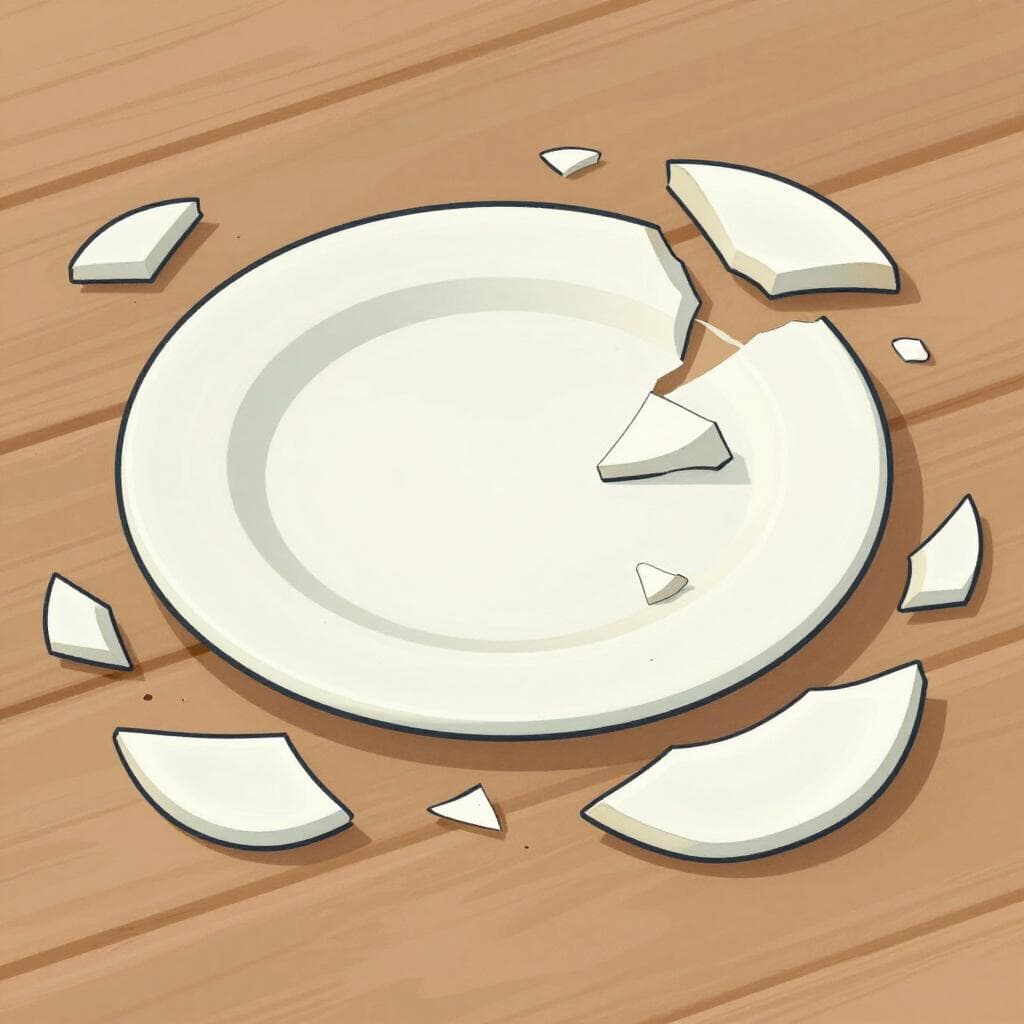
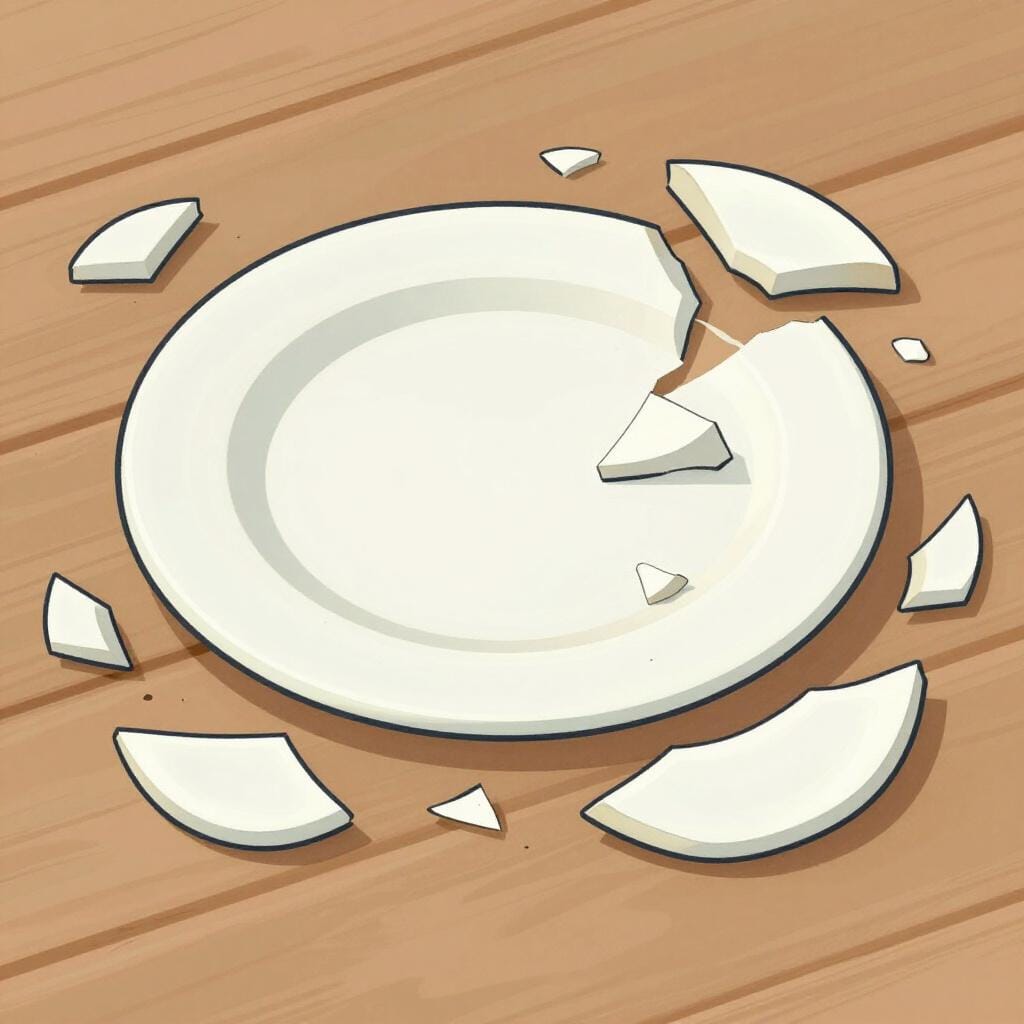
El niño estrelló su juguete contra el suelo.
The boy smashed his toy against the floor.
Perdí el control y estrellé el coche contra un árbol.
I lost control and crashed the car into a tree.
Su nueva empresa se estrelló en el primer año.
His new company crashed and burned in the first year.
Doing it to yourself
When you crash into something yourself, you add 'se' to the end (estrellarse). Use 'contra' to show what you hit: 'Me estrellé contra la pared'.
The 'Contra' connection
This verb almost always uses the word 'contra' (against) to show the surface where the impact happened.
Don't just say 'estrellé'
Mistake: “Estrellé con un árbol.”
Correction: Me estrellé contra un árbol.
Exams: Fallar vs. Suspender
Related Translations
Learn Spanish with Inklingo
Interactive stories, personalized learning, and more.