How to Say "to crash" in Spanish
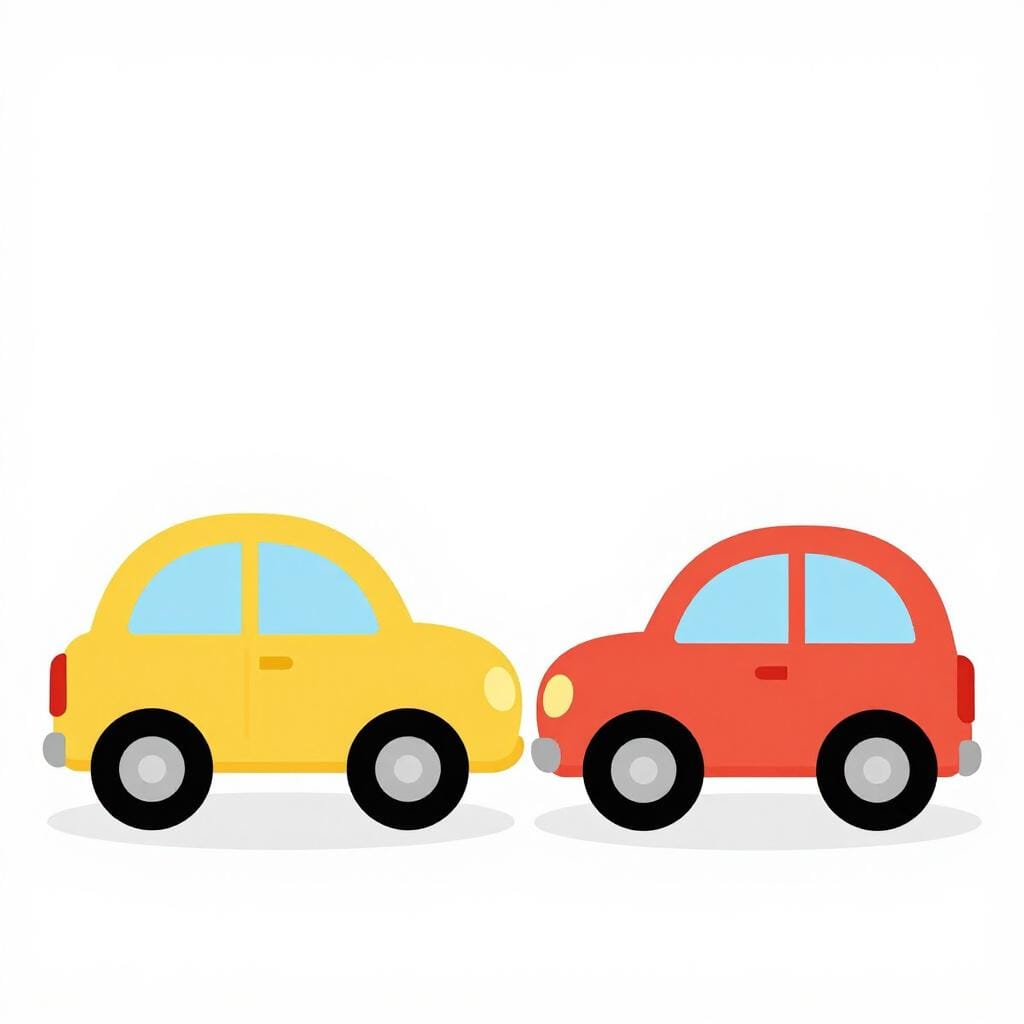
The most common Spanish word for “to crash” is “chocar” — use 'chocar' when referring to vehicles or objects colliding with each other or a surface.
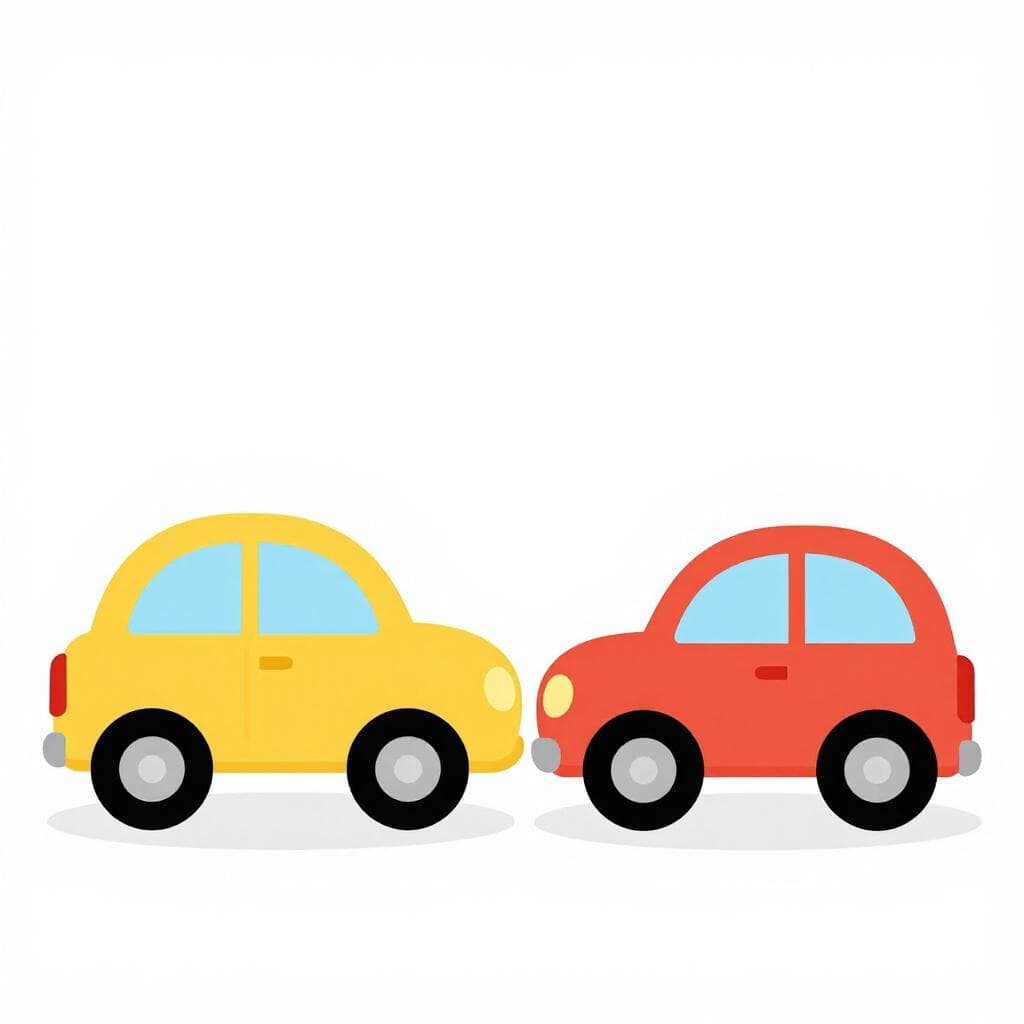
Use 'chocar' when referring to vehicles or objects colliding with each other or a surface.
Learn more →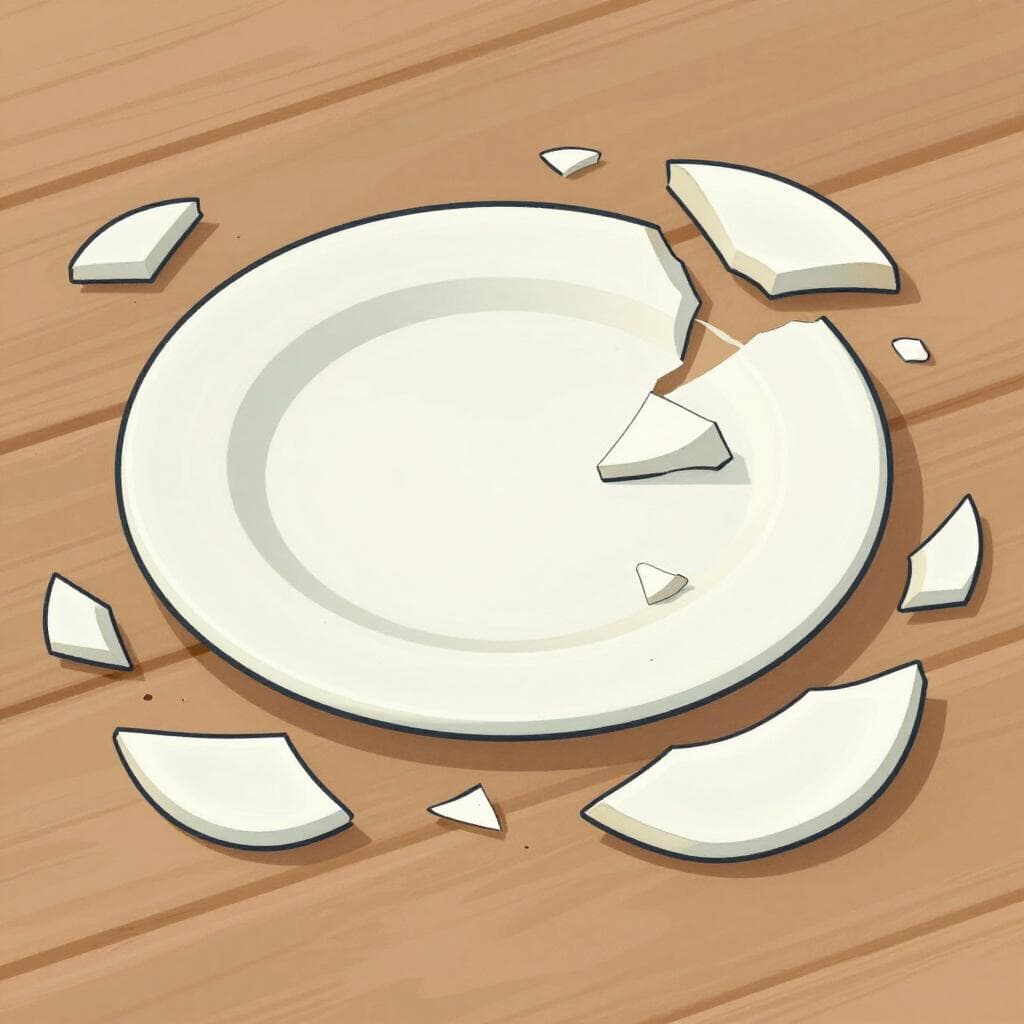
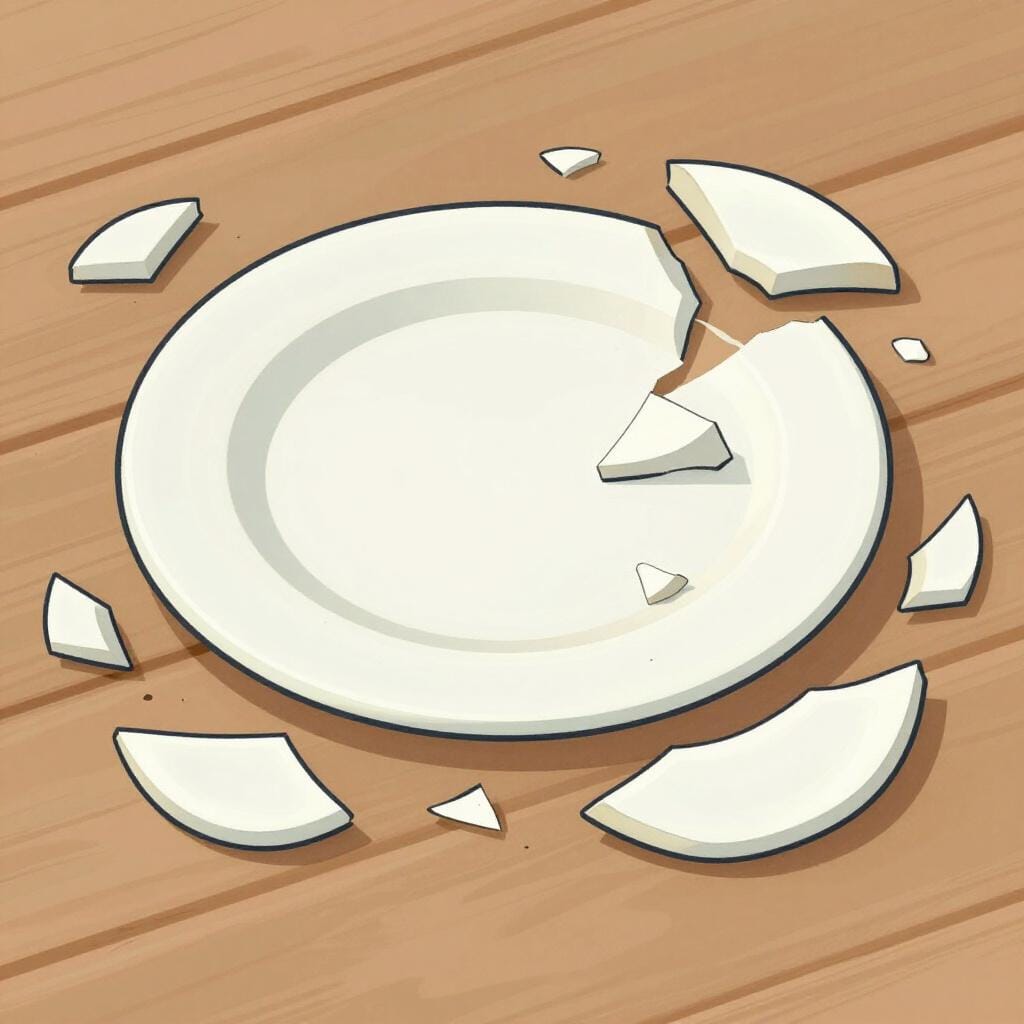
Use 'estrellar' when a vehicle or object forcefully hits or smashes against something.
Learn more →
Use 'colgar' when a computer, app, or system unexpectedly stops working or freezes.
Learn more →
Use 'pete' informally when a computer or system breaks down or stops working suddenly.
Learn more →
Use 'desplomar' specifically for a sudden and dramatic fall in financial markets or prices.
Learn more →cho-KARtʃoˈkaɾ
Examples
El coche chocó contra un árbol.
The car crashed against a tree.
Los dos ciclistas chocaron en la esquina.
The two cyclists collided at the corner.
Ten cuidado, no vayas a chocar con la puerta.
Be careful, don't go and bump into the door.
The Spelling Change Rule
To keep the 'k' sound, the 'c' changes to 'qu' when followed by an 'e'. This happens in the 'yo' form of the past (choqué) and all 'special forms' for wishes (subjunctive).
Using 'Con' vs 'Contra'
Use 'chocar con' when two things hit each other. Use 'chocar contra' when something hits a stationary object like a wall.
Don't say 'Chocar el coche'
Mistake: “Yo chocqué mi coche.”
Correction: Choqué el coche (Notice only one 'c' and use 'qu' for the past 'yo' form).
es-tre-YARestɾeˈʎaɾ
Examples
El niño estrelló su juguete contra el suelo.
The boy smashed his toy against the floor.
Perdí el control y estrellé el coche contra un árbol.
I lost control and crashed the car into a tree.
Su nueva empresa se estrelló en el primer año.
His new company crashed and burned in the first year.
Doing it to yourself
When you crash into something yourself, you add 'se' to the end (estrellarse). Use 'contra' to show what you hit: 'Me estrellé contra la pared'.
The 'Contra' connection
This verb almost always uses the word 'contra' (against) to show the surface where the impact happened.
Don't just say 'estrellé'
Mistake: “Estrellé con un árbol.”
Correction: Me estrellé contra un árbol.
kohl-GAHRkolˈɡaɾ

Examples
Mi móvil se colgó justo cuando iba a guardar el archivo.
My mobile froze right when I was about to save the file.
La red se cuelga a menudo en esta zona.
The network crashes often in this area.
Using the Reflexive for Accidents
When talking about technology failing unexpectedly, we use the reflexive form ('se colgar') to show the action happened to the object, often implying it wasn't anyone's fault.
peh-tehˈpete

Examples
Espero que mi ordenador no pete hoy.
I hope my computer doesn't crash today.
Ojalá que tu nueva canción lo pete en Spotify.
I hope your new song makes it big on Spotify.
¡Que pete todo!
Let it all blow up! / Let it all happen!
The 'Pete' Form
In this context, 'pete' is the special form of the verb 'petar' used when you are expressing a wish, a doubt, or using the word 'ojalá' (I hope).
Indicative vs Subjunctive
Mistake: “Espero que esto peta.”
Correction: Espero que esto pete.
des-plo-MARdesploˈmaɾ

Examples
Las acciones de la empresa se desplomaron tras la noticia.
The company's shares plummeted after the news.
El precio del petróleo se ha desplomado esta semana.
The price of oil has crashed this week.
Su popularidad se desplomó en las encuestas.
His popularity plummeted in the polls.
Using Percentages
When saying how much something plummeted, use 'un' before the percentage: 'se desplomó un 20%.'
Confusing Vehicle Crashes with System Failures
Learners often confuse 'chocar' (vehicle collision) with 'colgar' or 'pete' (system failure). Remember that 'chocar' is for physical impacts, while 'colgar' and 'pete' are exclusively for technology malfunctioning.
Related Translations
Learn Spanish with Inklingo
Interactive stories, personalized learning, and more.