How to Say "to collapse" in Spanish
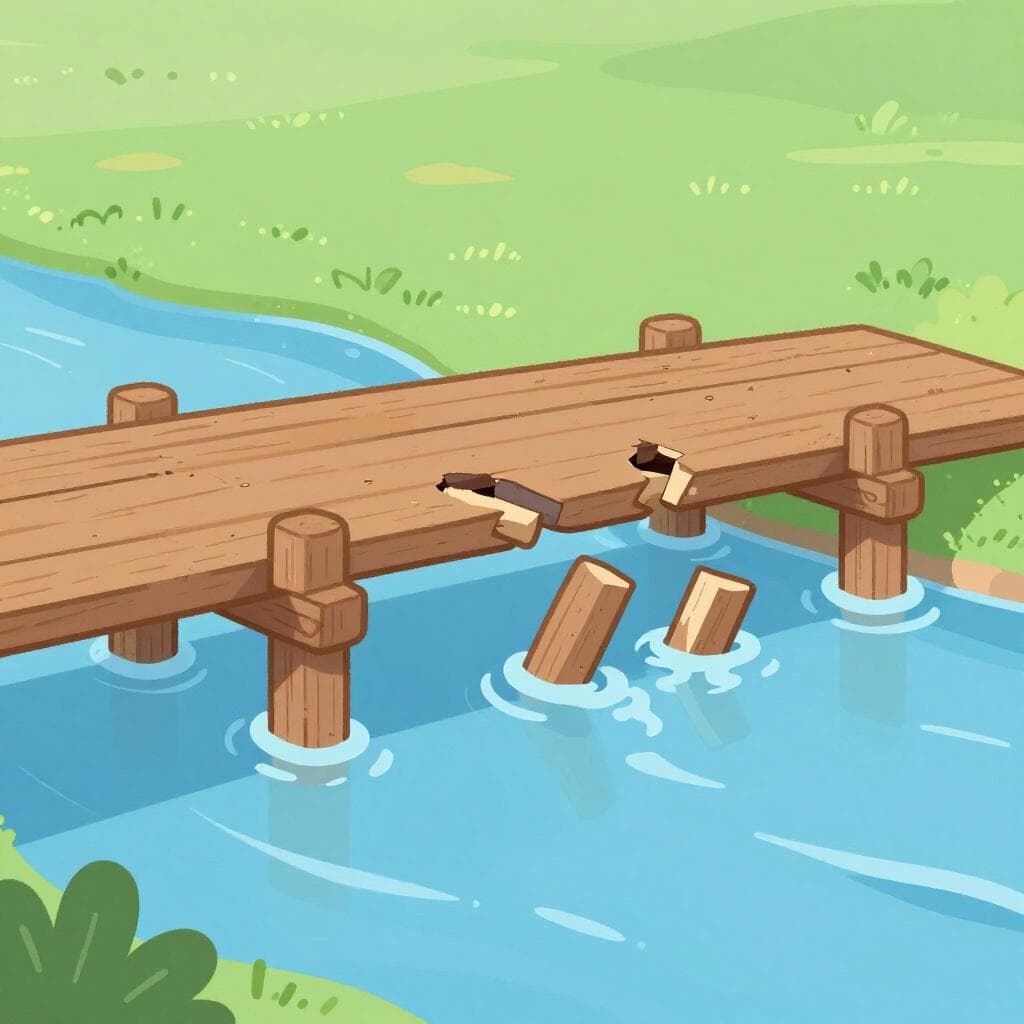
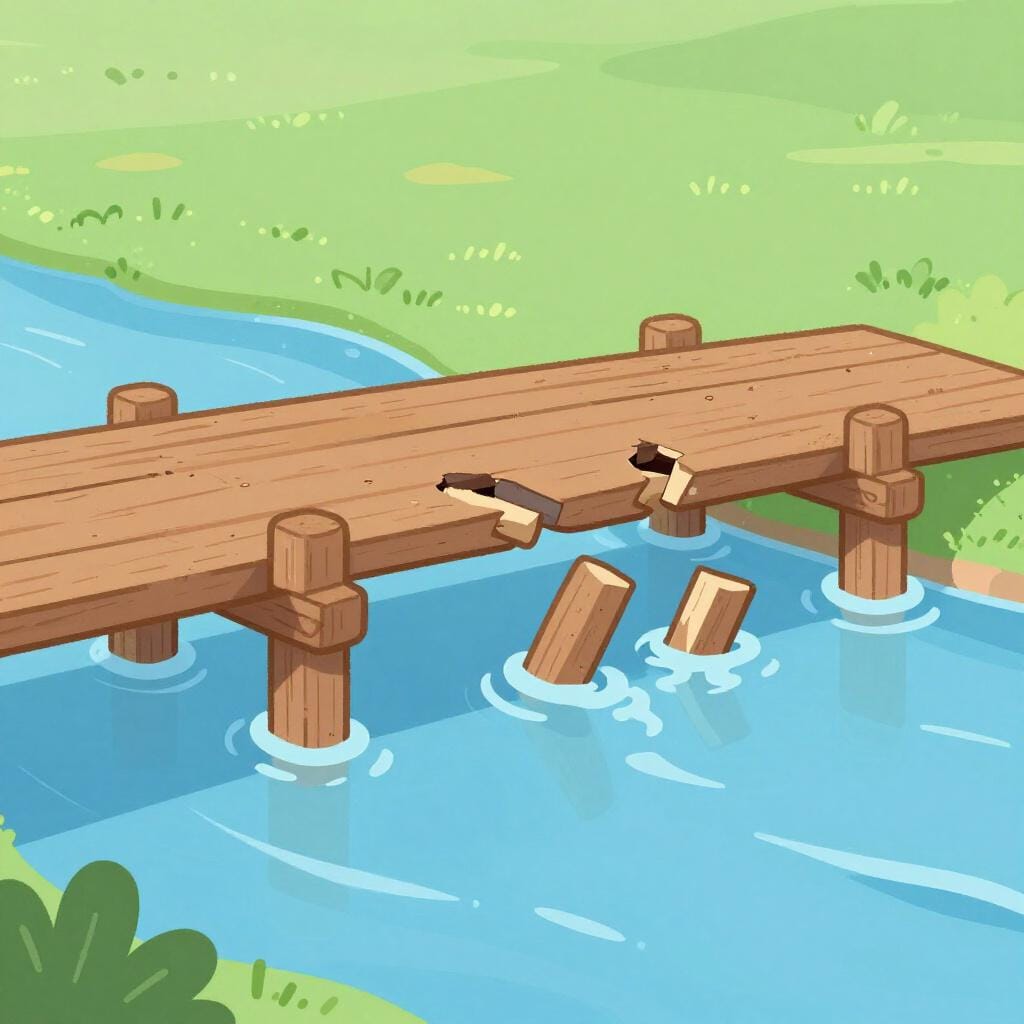
The most common Spanish word for “to collapse” is “colapsar” — use 'colapsar' for the physical collapse of structures like bridges, buildings, or even for a person's health failing suddenly.


colapsar
ko-lap-SARko.lapˈsaɾ
Examples
El viejo puente colapsó después de la tormenta.
The old bridge collapsed after the storm.
El atleta colapsó debido al calor extremo.
The athlete collapsed due to the extreme heat.
Si pones más peso, el techo va a colapsar.
If you put more weight, the roof is going to cave in.
Regular conjugation
This verb follows the standard pattern for all verbs ending in -ar, making it easy to predict how it changes.
Using 'por' or 'debido a'
When explaining why something collapsed, we usually use 'por' or 'debido a' followed by the cause.
Noun vs. Verb
Mistake: “El edificio tuvo un colapsar.”
Correction: El edificio tuvo un colapso. Use 'colapso' when you need a naming word (noun) and 'colapsar' for the action.
desplomar
des-plo-MARdesploˈmaɾ

Examples
El viejo edificio se desplomó después del terremoto.
The old building collapsed after the earthquake.
Tuvieron que evacuar la casa porque el techo amenazaba con desplomarse.
They had to evacuate the house because the roof was threatening to collapse.
La pared se desplomó sobre el jardín.
The wall tumbled down onto the garden.
The 'Self-Collapse' Se
You will usually see this as 'desplomarse.' Adding 'se' at the end of the verb shows that the object collapsed on its own or due to its own weight.
A Stronger Fall
While 'caer' just means to fall, 'desplomar' implies a total, often violent or structural failure. Use it for heavy things!
Using it for simple trips
Mistake: “Me desplomé en la calle.”
Correction: Me caí en la calle. (Unless you fainted or fell very heavily, 'caer' is more natural for tripping).
ceder
seh-DEHRθeˈðeɾ

Examples
La estantería cedió por el peso de los libros.
The shelf gave way under the weight of the books.
La fiebre empezó a ceder después de la medicina.
The fever began to subside after the medicine.
Cause of collapse
We often use 'por' after 'ceder' to explain the reason why something broke (e.g., 'cedió por el calor').
Confusing Structural Collapse
Related Translations
Learn Spanish with Inklingo
Interactive stories, personalized learning, and more.