desplomar
“desplomar” means “to collapse” in Spanish. It has 3 different meanings depending on context:



to collapse
Also: to tumble down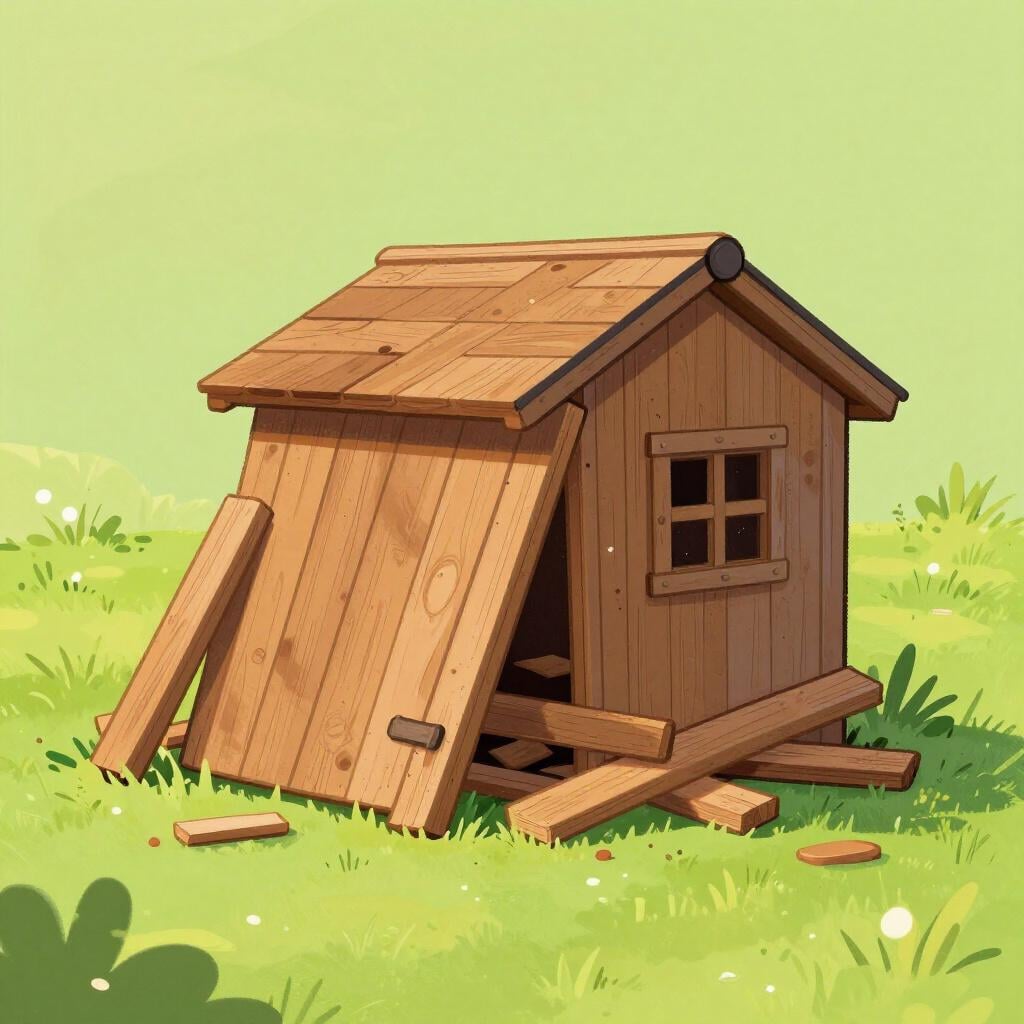
📝 In Action
El viejo edificio se desplomó después del terremoto.
B1The old building collapsed after the earthquake.
Tuvieron que evacuar la casa porque el techo amenazaba con desplomarse.
B2They had to evacuate the house because the roof was threatening to collapse.
La pared se desplomó sobre el jardín.
B1The wall tumbled down onto the garden.
to plummet
Also: to crash
📝 In Action
Las acciones de la empresa se desplomaron tras la noticia.
B2The company's shares plummeted after the news.
El precio del petróleo se ha desplomado esta semana.
B2The price of oil has crashed this week.
Su popularidad se desplomó en las encuestas.
C1His popularity plummeted in the polls.
to faint
Also: to slump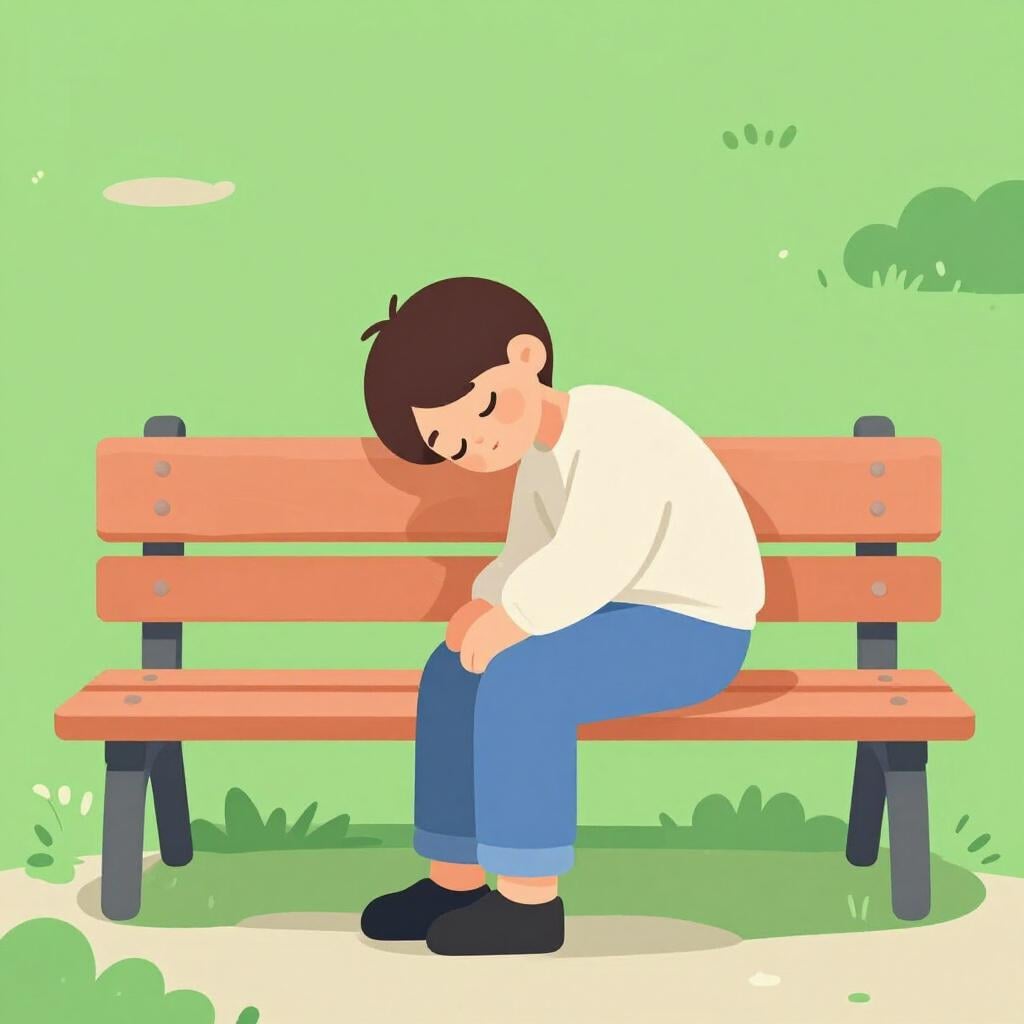
📝 In Action
El corredor se desplomó al cruzar la línea de meta.
B1The runner collapsed upon crossing the finish line.
Se desplomó en el sofá, agotada tras un largo día.
B2She slumped onto the sofa, exhausted after a long day.
Debido al calor, varias personas se desplomaron durante el desfile.
B2Due to the heat, several people fainted during the parade.
Subjunctive
Imperfect Subjunctive
Present Subjunctive
Indicative
Preterite
Imperfect
Present
Translate to Spanish
✏️ Quick Practice
Quick Quiz: desplomar
Question 1 of 3
Which sentence describes a stock market crash?
📚 More Resources
👥 Word Family▼
📚 Etymology▼
From the prefix 'des-' (indicating reversal or removal) and 'plomo' (lead). It refers to a structure losing its 'plumb' (the vertical line measured by a lead weight).
First recorded: 13th century
Cognates (Related words)
💡 Master Spanish
Take your Spanish to the next level. Read 200+ illustrated and narrated Spanish stories tailored to your level with the Inklingo app!
Frequently Asked Questions
What is the difference between 'caer' and 'desplomar'?
'Caer' is a general word for 'to fall.' 'Desplomar' is much more specific and intense; it implies a heavy, structural collapse or a total crash.
Can I use 'desplomar' without the 'se'?
Rarely. In almost all daily situations (buildings falling, prices dropping, people fainting), you need the 'se' (se desplomó). Without 'se,' it would mean 'to make something lose its verticality,' which is much less common.
Is it used only for bad things?
Generally, yes. Since it implies a collapse or a crash, it usually refers to something negative like a structural failure, a financial loss, or a health issue.