How to Say "to subside" in Spanish
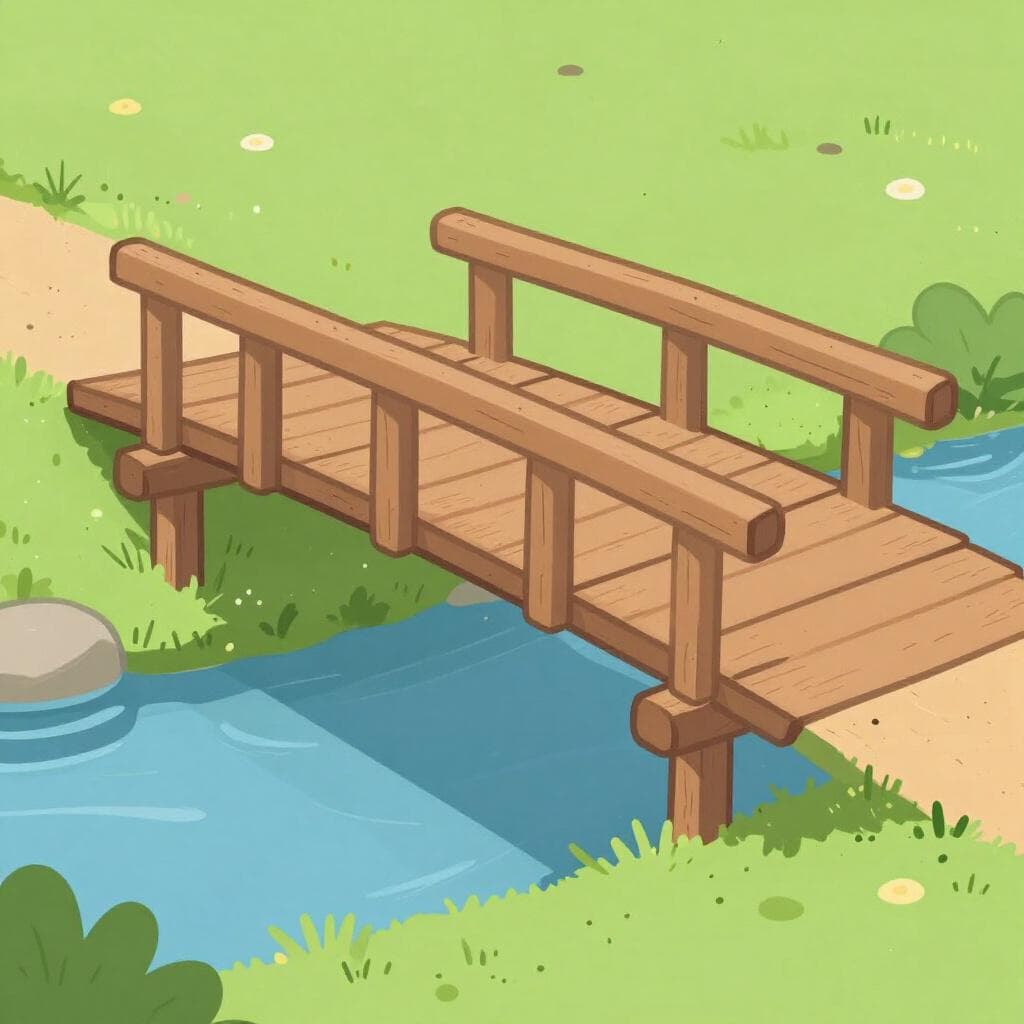
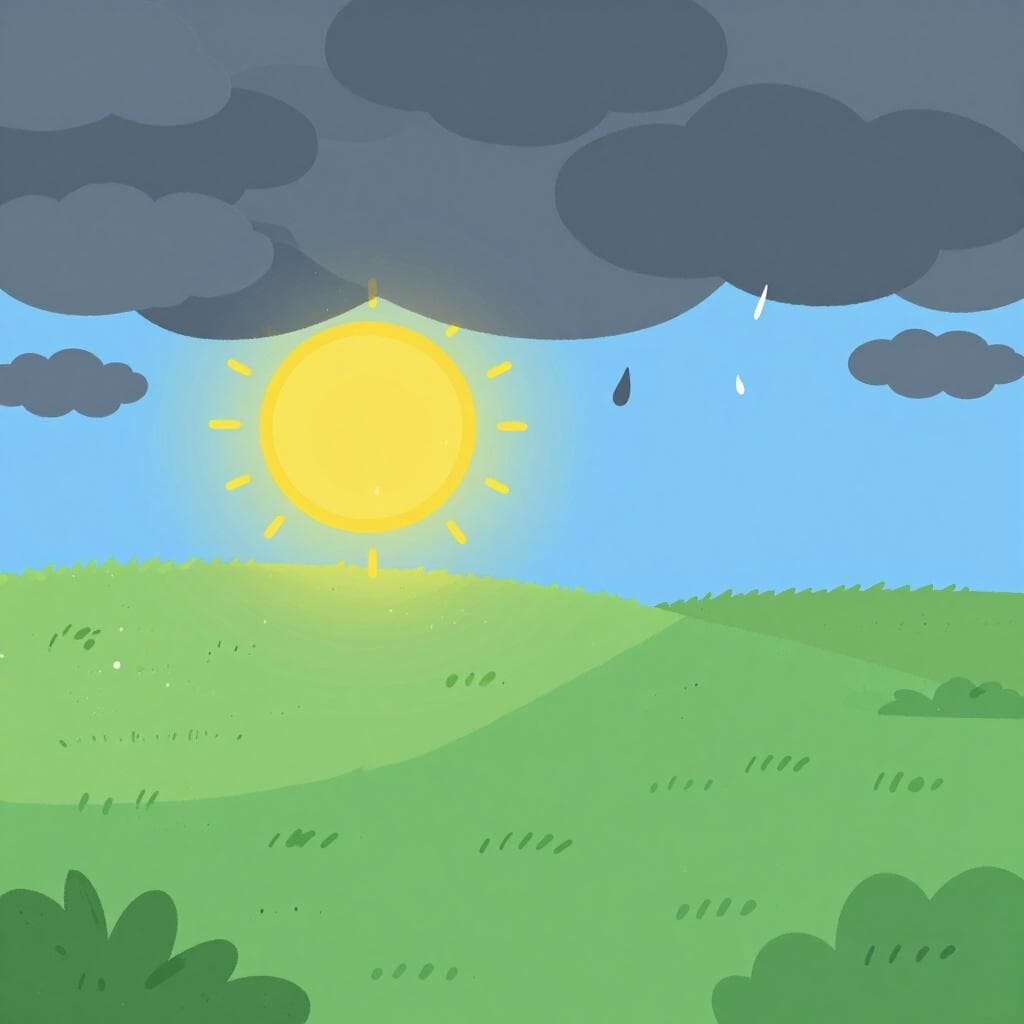
The most common Spanish word for “to subside” is “ceder” — use 'ceder' when referring to something physically giving way or collapsing under pressure, or when a physical structure diminishes in height or intensity.
ceder
seh-DEHRθeˈðeɾ
Examples
El nivel del agua del río cedió después de la tormenta.
The river's water level subsided after the storm.
La estantería cedió por el peso de los libros.
The shelf gave way under the weight of the books.
La fiebre empezó a ceder después de la medicina.
The fever began to subside after the medicine.
Cause of collapse
We often use 'por' after 'ceder' to explain the reason why something broke (e.g., 'cedió por el calor').
remitir
rreh-mee-teerremiˈtiɾ
Examples
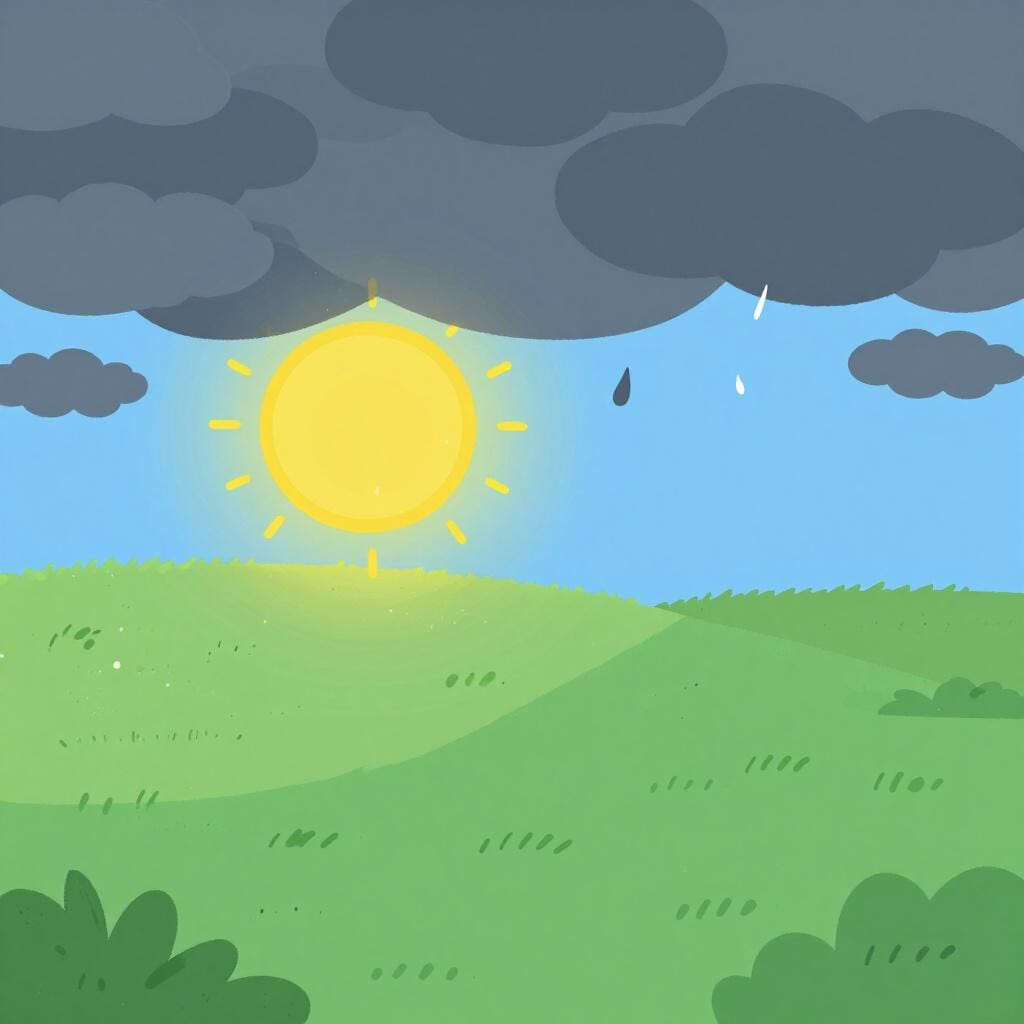
Esperamos que el dolor de cabeza remita pronto.
We hope the headache subsides soon.
La lluvia no parece remitir.
The rain doesn't seem to be letting up.
Afortunadamente, el dolor empezó a remitir por la noche.
Fortunately, the pain began to subside during the night.
Esperamos que la crisis remita pronto.
We hope the crisis eases up soon.
No Direct Object Needed
In this meaning, 'remitir' describes what the subject (fever, storm, pain) is doing itself. You don't 'remit' the storm; the storm 'remits'.
Physical vs. Abstract Subsiding
Related Translations
Learn Spanish with Inklingo
Interactive stories, personalized learning, and more.