How to Say "joint" in Spanish
The most common Spanish word for “joint” is “articulación” — use this for a body part that connects bones, like your knee or elbow.





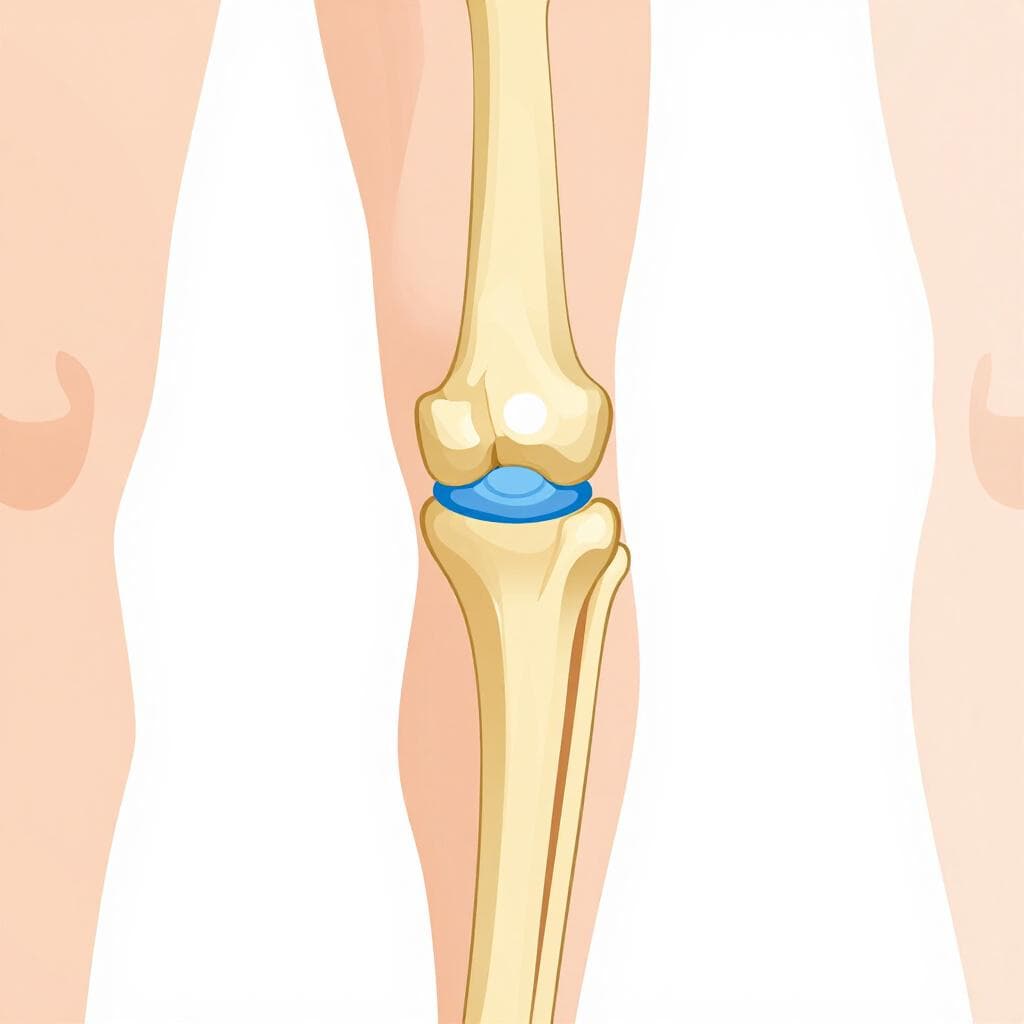



articulación
Examples
Me duele la articulación del hombro después de jugar tenis.
My shoulder joint hurts after playing tennis.
compartido
kom-par-TEE-dohkompaɾˈtiðo

Examples
Vivo en un piso compartido con tres amigos.
I live in a shared apartment with three friends.
Tenemos un objetivo compartido: ganar el torneo.
We have a shared goal: winning the tournament.
He subido el documento a la carpeta compartida.
I uploaded the document to the shared folder.
Matching the Noun
This word must change to match the thing it describes. Use 'compartido' for masculine things (un coche) and 'compartida' for feminine things (una casa).
Word Order
In Spanish, this word almost always comes after the thing it is describing, like 'baño compartido' (shared bathroom).
Gender Mismatch
Mistake: “La habitación compartido.”
Correction: La habitación compartida (because 'habitación' is a feminine word).
combinado
kom-bee-NAH-dohkombiˈnaðo

Examples
El éxito fue el resultado de un esfuerzo combinado.
Success was the result of a combined effort.
Las fuerzas combinadas de los dos países ganaron.
The combined forces of the two countries won.
El helado es de sabor combinado de vainilla y fresa.
The ice cream is a mixed flavor of vanilla and strawberry.
Matching with People or Things
As an adjective, this word needs to change its ending to match what it describes. Use 'combinado' for masculine singular, 'combinada' for feminine singular, 'combinados' for masculine plural, and 'combinadas' for feminine plural.
Gender Agreement
Mistake: “La fuerza combinado.”
Correction: La fuerza combinada. (Since 'fuerza' is a feminine word, the adjective must also be feminine.)
común
Examples
Tenemos varios intereses comunes, como la música.
We have several shared interests, such as music.
junta
HOON-tahˈxunta

Examples
Hay que revisar la junta de la tubería porque está goteando.
We have to check the joint of the piping because it is leaking.
El mecánico dijo que la junta del motor estaba dañada.
The mechanic said the engine gasket was damaged.
colectivo
ko-lek-TEE-bokolekˈtiβo

Examples
Necesitamos un esfuerzo colectivo para limpiar el parque.
We need a collective effort to clean the park.
La seguridad es una responsabilidad colectiva.
Safety is a shared responsibility.
Los trabajadores firmaron un contrato colectivo.
The workers signed a group contract.
Matching with Objects
This word must change its ending to match the thing it describes. Use 'colectivo' for masculine items (un esfuerzo) and 'colectiva' for feminine items (una decisión).
Confusion with 'Group'
Mistake: “Un grupo esfuerzo.”
Correction: Un esfuerzo colectivo. (Use the adjective 'colectivo' to describe the type of effort, rather than the noun 'group').
porro
PO-rroˈporo

Examples
Había un olor a porro en la calle.
There was a smell of a joint in the street.
Él no sabe liar un porro correctamente.
He doesn't know how to roll a joint correctly.
Los porros protestaron frente a la universidad.
The student gang members protested in front of the university.
Masculine Noun Patterns
Since it ends in -o, it is masculine. Always use 'el' or 'un' with it.
The 'Vegetable' Mix-up
Mistake: “Using 'porro' when you want to buy a leek at the supermarket.”
Correction: Say 'puerro' for the vegetable. Saying 'porro' might get you a very different reaction from the grocer!
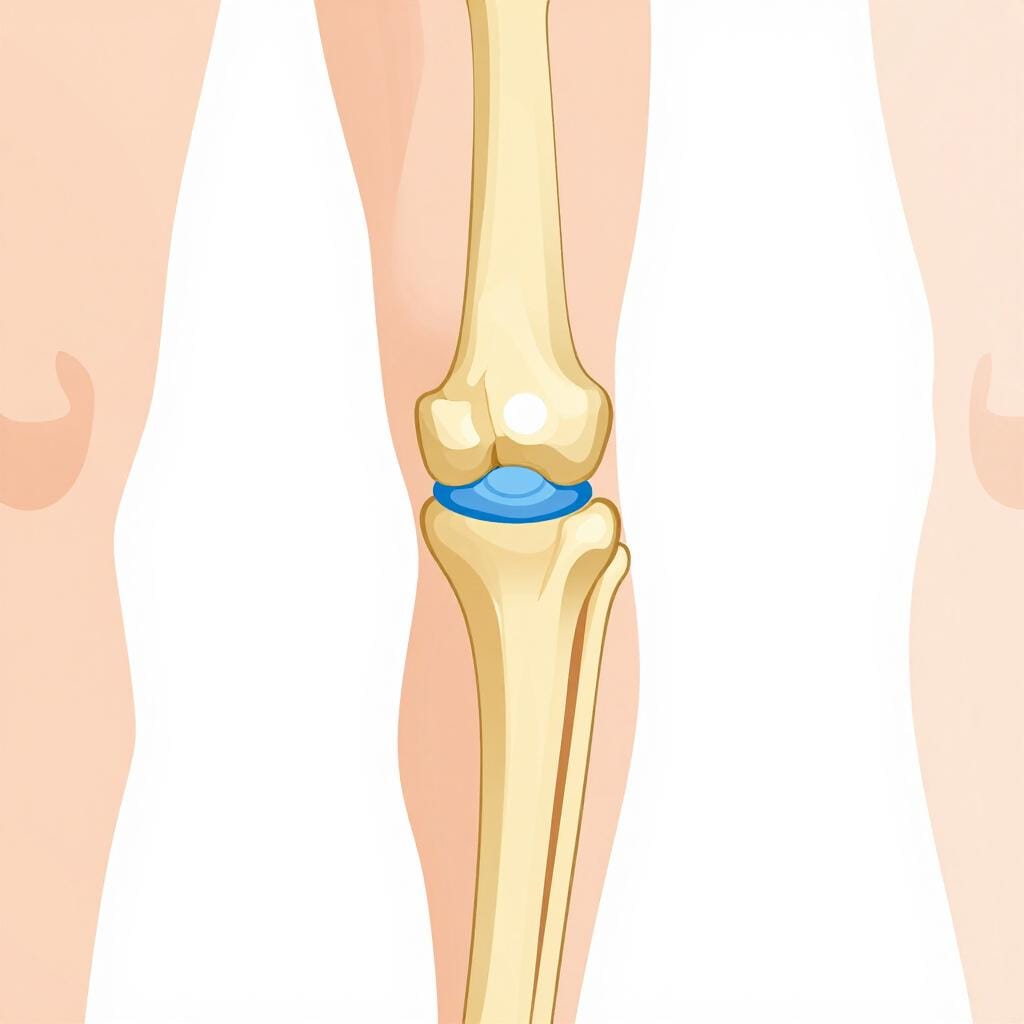
articular
ar-tee-koo-larartikuˈlaɾ
Examples
Sufre de un dolor articular crónico.
He suffers from chronic joint pain.
La salud articular es importante para los deportistas.
Joint health is important for athletes.
Esta crema alivia la rigidez articular.
This cream relieves joint stiffness.
One Form for All
This adjective ends in '-ar,' which means it stays the same whether it describes a masculine or feminine noun: 'el dolor articular' (masculine) and 'la molestia articular' (feminine).
Incorrect Gender Change
Mistake: “Tengo una molestia articulara.”
Correction: Tengo una molestia articular. Adjectives ending in -ar don't change to -a.
conjunto
kon-HOON-tohkonˈxunto

Examples
Fue una decisión conjunta de los dos directores.
It was a joint decision by the two directors.
El proyecto requirió un esfuerzo conjunto de varios departamentos.
The project required a combined effort from several departments.
Agreement
As an adjective, 'conjunto' must agree in number and gender with the noun it modifies: 'esfuerzo conjunto' (masculine singular), 'decisión conjunta' (feminine singular), 'acciones conjuntas' (feminine plural).
Mixing Adjective/Adverb
Mistake: “Hicieron el trabajo conjunto.”
Correction: Hicieron el trabajo conjuntamente (or: hicieron un trabajo conjunto). If you mean 'together' or 'jointly,' the adverb 'conjuntamente' is often clearer.
pete
peh-tehˈpete

Examples
Estaban en el parque fumando un pete.
They were in the park smoking a joint.
¿Sabes liar un pete?
Do you know how to roll a joint?
No me gusta el olor de ese pete.
I don't like the smell of that joint.
Shortened Form
This word is a shortened version of 'petardo', which literally means firecracker but is used as slang for a joint.
Confusing Regions
Mistake: “Asking for a 'pete' in Buenos Aires thinking you are asking for a cigarette.”
Correction: In Argentina, ask for a 'pucho' (cigarette) or 'porro' (joint), never a 'pete'.
solidario
so-lee-DAH-ryosoliˈdaɾjo

Examples
Los socios tienen una responsabilidad solidaria por las deudas.
The partners have joint responsibility for the debts.
Legal Meaning
In a legal context, this means that if one person can't pay, the others must cover the whole amount.
coyuntura
ko-yun-TOO-rahkoʝunˈtuɾa

Examples
Le duelen las coyunturas cuando va a llover.
His joints hurt when it's going to rain.
La coyuntura del brazo está inflamada.
The joint of the arm is swollen.
Es un término antiguo para referirse a los huesos.
It is an old term to refer to bones.
Literal vs. Figurative
This is the literal meaning (body joints), which led to the modern meaning of 'how things join together' in a situation.
Anatomical vs. Shared Action
Related Translations
Learn Spanish with Inklingo
Interactive stories, personalized learning, and more.