How to Say "common" in Spanish
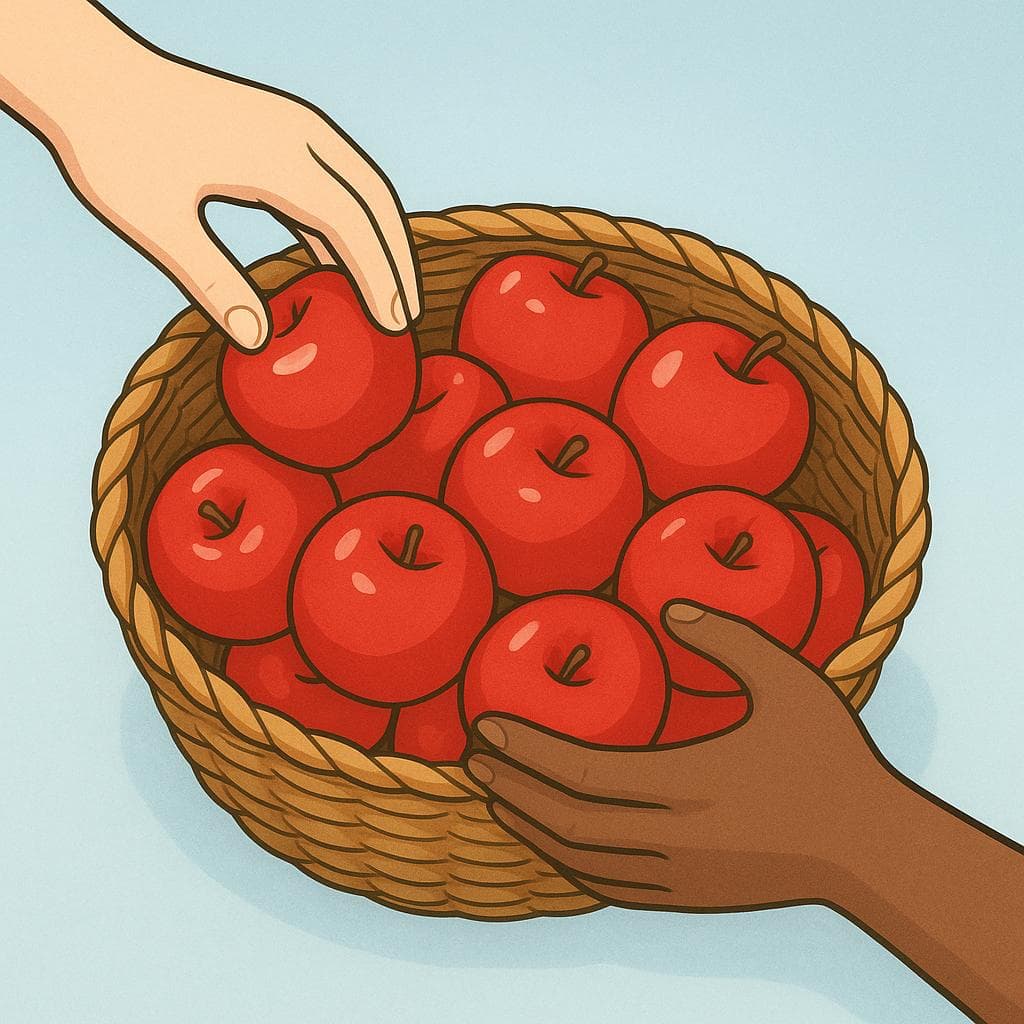
The most common Spanish word for “common” is “común” — use this for things that happen often, are typical, or are generally found everywhere.








común
Examples
Es muy común ver perros en este parque.
It is very common to see dogs in this park.
generales
hen-eh-RAH-lehsxe.neˈɾa.les

Examples
Hay reglas generales para todos los estudiantes.
There are general rules for all students.
Llegamos a unos acuerdos generales durante la reunión.
We reached some general agreements during the meeting.
En líneas generales, el proyecto va muy bien.
Broadly speaking, the project is going very well.
Making it plural
When a word ends in a consonant like 'l', you add '-es' to make it plural. So, 'general' becomes 'generales' when describing more than one thing.
One word for both genders
This word doesn't change based on gender. You use 'generales' for both masculine groups (los libros generales) and feminine groups (las ideas generales).
The English 's' trap
Mistake: “los generals”
Correction: los generales
frecuente
freh-KWEN-tehfɾeˈkwente

Examples
El servicio de autobús es muy frecuente.
The bus service is very frequent.
Es un error muy frecuente entre los principiantes.
It is a very common mistake among beginners.
Las visitas al médico se volvieron más frecuentes.
The doctor visits became more frequent.
One Form for Both Genders
In Spanish, most adjectives ending in 'e' don't change for gender. You can use 'frecuente' for both masculine and feminine things without changing the ending.
Plural Form
To make this word plural, simply add '-es' to the end. For example: 'un error frecuente' becomes 'errores frecuentes'.
Using 'frecuente' instead of 'often'
Mistake: “Hago ejercicio frecuente.”
Correction: Hago ejercicio con frecuencia (or frecuentemente). 'Frecuente' is a description of a thing, not an action.
comunes
koh-MOO-nesskoˈmunes
Examples
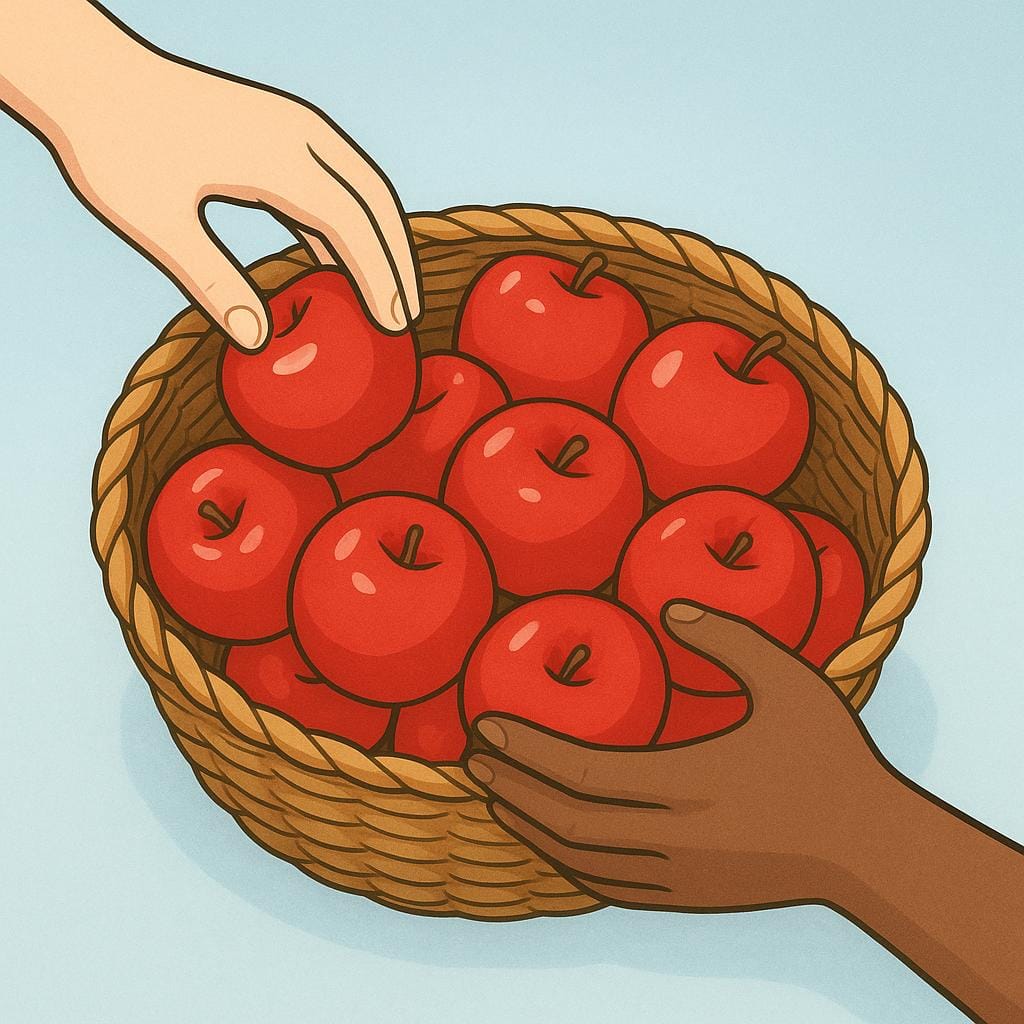
Tenemos varios amigos comunes.
We have several mutual friends.
Son problemas comunes en las grandes ciudades.
They are common problems in big cities.
Las áreas comunes del edificio están limpias.
The common areas of the building are clean.
Adjective Agreement
Since 'comunes' ends in -es, it is the plural form. It can describe both masculine plural nouns (problemas comunes) and feminine plural nouns (áreas comunes).
ordinario
or-dee-NAH-ryohoɾ.ði.ˈna.ɾjo

Examples
Hoy fue un día ordinario en la oficina.
Today was an ordinary day at the office.
Prefiero el correo ordinario para enviar cartas personales.
I prefer regular mail for sending personal letters.
El juez convocó a una sesión ordinaria.
The judge called for a regular session.
Masculine and Feminine
Change the 'o' to 'a' when describing something feminine: 'un libro ordinario' but 'una vida ordinaria'.
Word Order
In most cases, put 'ordinario' after the noun it describes to sound natural.
Ordinary vs. Common
Mistake: “Using 'ordinario' to describe food that tastes plain.”
Correction: Use 'sencillo' or 'normal' for food. 'Ordinario' sounds more like 'standard procedure' or 'low quality'.
corriente
koh-rree-EN-tehkoˈrjente

Examples
No es nada especial, solo un coche corriente.
It's nothing special, just an ordinary car.
Su opinión es bastante corriente entre la gente.
His opinion is quite common among people.
Always the Same
As an adjective meaning 'ordinary,' 'corriente' is an adjective that stays the same regardless of whether the noun it describes is masculine or feminine (e.g., 'un coche corriente', 'una persona corriente').
usual
oo-soo-ALuˈswal

Examples
Hoy tomé mi camino usual al trabajo.
Today I took my usual route to work.
No es usual ver nieve en esta parte de España.
It's not usual to see snow in this part of Spain.
Pedí mi café usual: un cortado sin azúcar.
I ordered my usual coffee: a cortado without sugar.
One word for both genders
Unlike many Spanish words that change their ending to 'o' or 'a', 'usual' always stays the same regardless of whether the thing it describes is masculine or feminine.
Making it plural
To talk about more than one thing, simply add 'es' to the end to get 'usuales'. For example: 'los horarios usuales'.
Using 'usualmente' to describe things
Mistake: “Es mi usualmente café.”
Correction: Es mi café usual. 'Usualmente' means 'usually' and describes actions, while 'usual' describes things (nouns).
compartido
kom-par-TEE-dohkompaɾˈtiðo

Examples
Vivo en un piso compartido con tres amigos.
I live in a shared apartment with three friends.
Tenemos un objetivo compartido: ganar el torneo.
We have a shared goal: winning the tournament.
He subido el documento a la carpeta compartida.
I uploaded the document to the shared folder.
Matching the Noun
This word must change to match the thing it describes. Use 'compartido' for masculine things (un coche) and 'compartida' for feminine things (una casa).
Word Order
In Spanish, this word almost always comes after the thing it is describing, like 'baño compartido' (shared bathroom).
Gender Mismatch
Mistake: “La habitación compartido.”
Correction: La habitación compartida (because 'habitación' is a feminine word).
pública
Examples
La biblioteca pública abre a las nueve.
The public library opens at nine.
general
kheh-neh-RAHLxe.neˈɾal

Examples
La idea general es buena, pero los detalles son complicados.
The general idea is good, but the details are complicated.
En general, me gusta la comida española.
In general, I like Spanish food.
Hay una preocupación general por el cambio climático.
There is a widespread concern about climate change.
One Form for Masculine & Feminine
Unlike many Spanish adjectives, 'general' doesn't change its ending for masculine or feminine things. It's 'el problema general' (a masculine thing) and 'la idea general' (a feminine thing).
Making it Plural
To talk about more than one thing, just add '-es' to the end: 'los problemas generales' or 'las ideas generales'.
Trying to Make it Feminine
Mistake: “La idea generala es buena.”
Correction: La idea general es buena. Remember, the word 'general' stays the same whether the thing it describes is masculine or feminine.
vulgar
bool-GARbulˈɣaɾ

Examples
El latín vulgar evolucionó para formar las lenguas romances.
Vulgar Latin evolved to form the Romance languages.
Es un error de dominio vulgar que mucha gente acepta como verdad.
It is a common error that many people accept as truth.
Historical Context
This meaning reflects the word's original connection to the 'vulgus' (the common crowd or people). When you hear it in historical or linguistic contexts, it simply means 'of the people,' without the negative connotation.
Confusing 'common' with 'shared'
Learn Spanish with Inklingo
Interactive stories, personalized learning, and more.