articular
“articular” means “to articulate” in Spanish. It has 3 different meanings depending on context:


to articulate
Also: to speak
📝 In Action
Tienes que articular mejor para que te entiendan.
A2You have to articulate better so they can understand you.
Estaba tan nervioso que no podía articular palabra.
B1He was so nervous he couldn't say a word.
Es difícil articular una respuesta en este momento.
B2It is difficult to formulate a response right now.
to coordinate
Also: to joint
📝 In Action
El gobierno busca articular una respuesta ante la crisis.
C1The government seeks to coordinate a response to the crisis.
Es necesario articular las diferentes áreas de la empresa.
B2It is necessary to link the different areas of the company.
Las piezas se deben articular perfectamente.
C2The pieces must fit together perfectly.
articular
Also: joint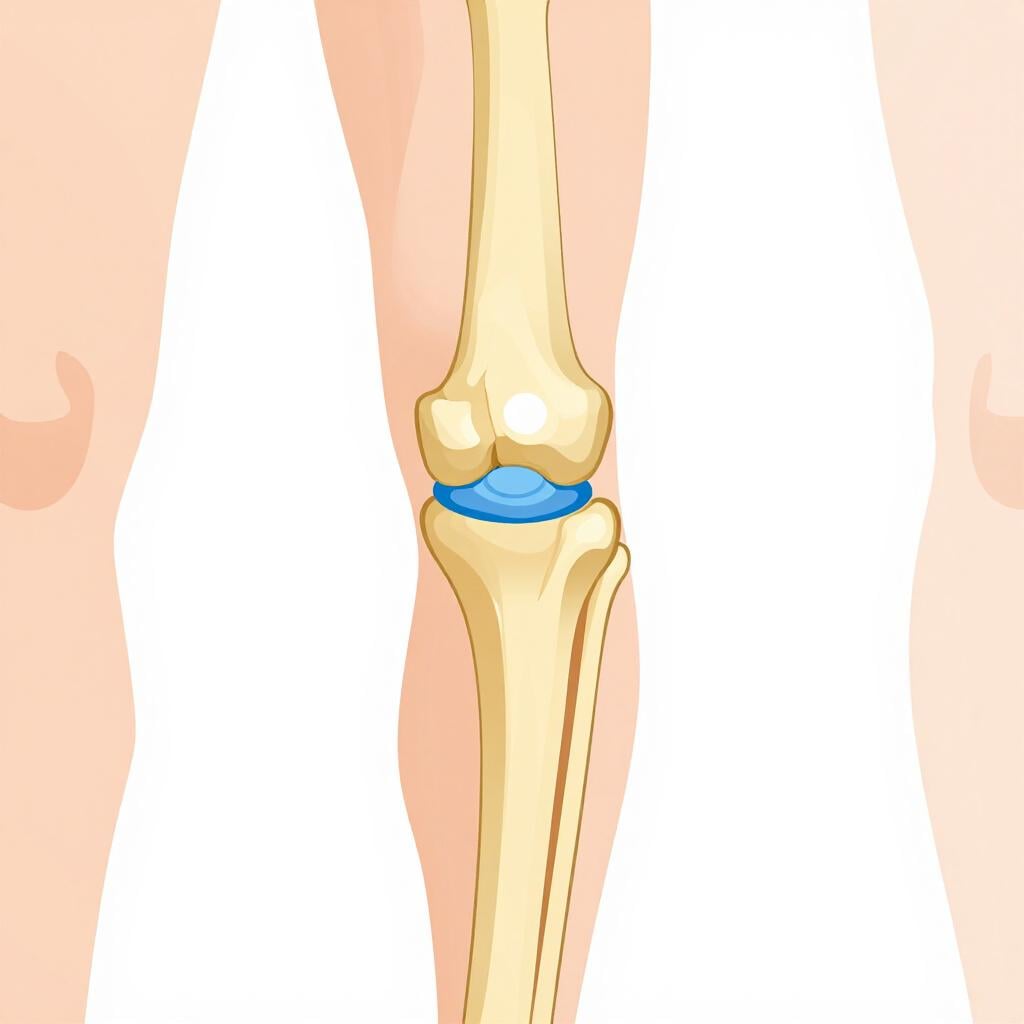
📝 In Action
Sufre de un dolor articular crónico.
B1He suffers from chronic joint pain.
La salud articular es importante para los deportistas.
B2Joint health is important for athletes.
Esta crema alivia la rigidez articular.
C1This cream relieves joint stiffness.
Subjunctive
Imperfect Subjunctive
Present Subjunctive
Indicative
Preterite
Imperfect
Present
Translate to Spanish
Words that translate to "articular" in Spanish:
articular→joint→to articulate→to coordinate→to joint→to speak→✏️ Quick Practice
Quick Quiz: articular
Question 1 of 3
Which sentence uses 'articular' as an adjective?
📚 More Resources
👥 Word Family▼
🎵 Rhymes▼
📚 Etymology▼
From Latin 'articulare', which comes from 'articulus', meaning 'a small joint' or 'a part'.
First recorded: 13th century
Cognates (Related words)
💡 Master Spanish
Take your Spanish to the next level. Read 200+ illustrated and narrated Spanish stories tailored to your level with the Inklingo app!
Frequently Asked Questions
Is 'articular' an irregular verb?
No, it is a completely regular -ar verb. It follows the same conjugation rules as 'hablar' or 'caminar'.
Can 'articular' mean a news article?
No. The word for a news article or a grammatical article (like 'the') is 'artículo'. 'Articular' is either a verb (to speak/organize) or an adjective (about joints).
How do you say 'joint pain' in Spanish?
You say 'dolor articular'. Notice that 'articular' doesn't change its ending to match the masculine 'dolor'.