How to Say "to collide" in Spanish
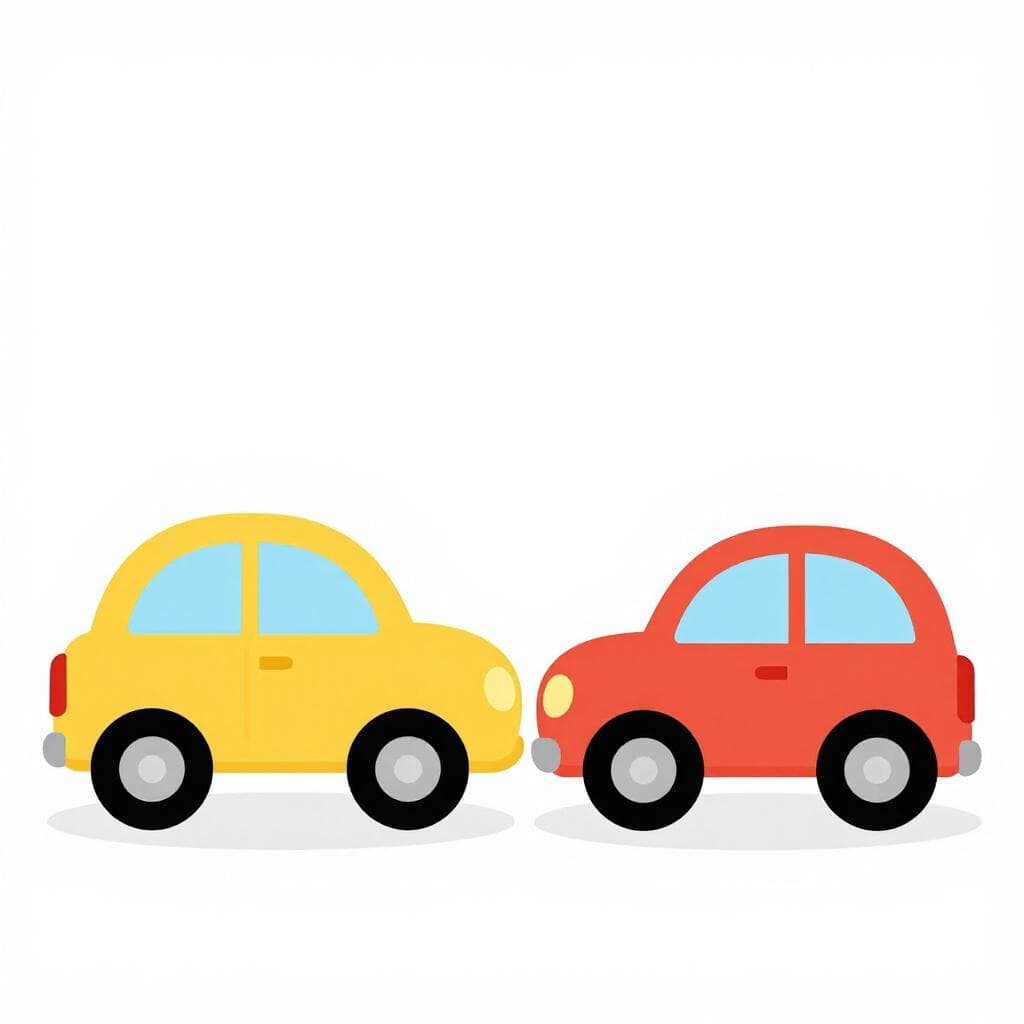
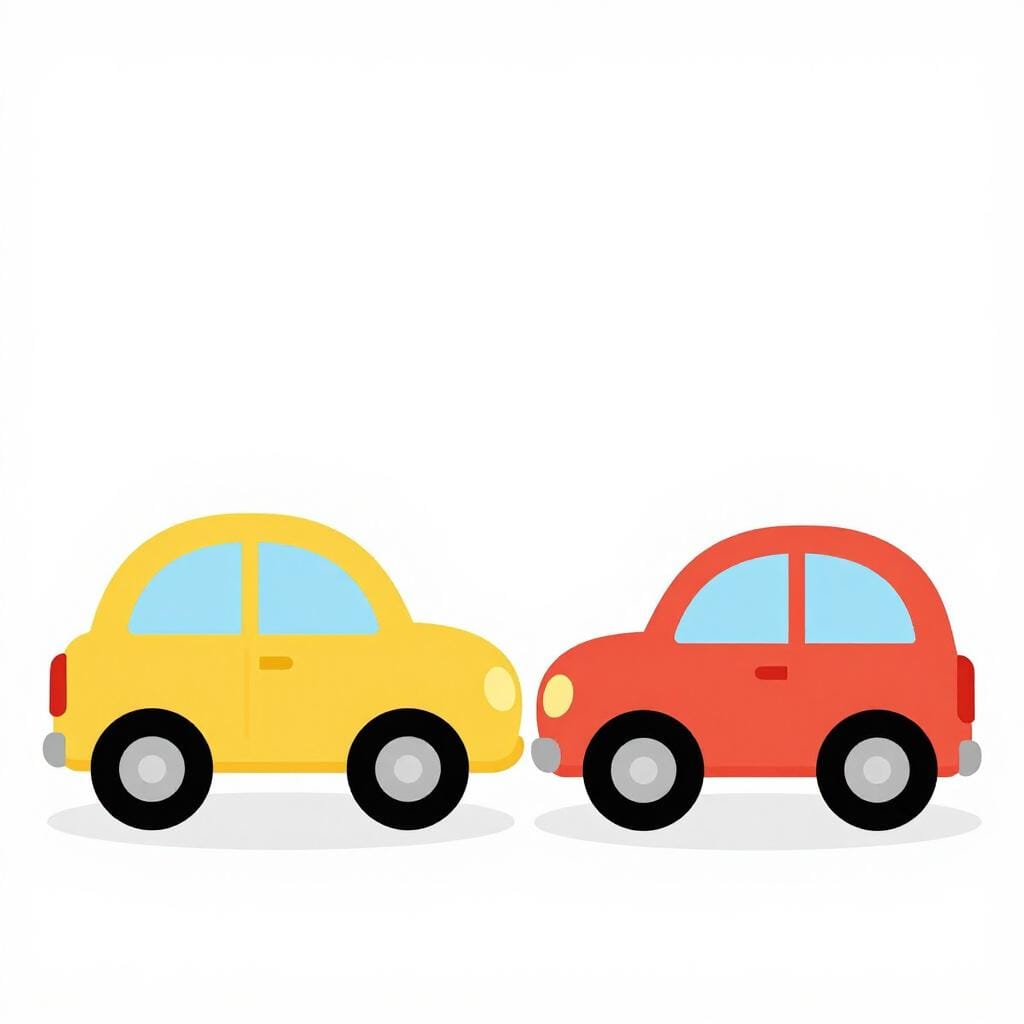
The most common Spanish word for “to collide” is “chocar” — use 'chocar' when describing a physical impact, especially between vehicles or when something crashes into a stationary object.
chocar
cho-KARtʃoˈkaɾ
Examples
El camión chocó contra la pared.
The truck crashed against the wall.
El coche chocó contra un árbol.
The car crashed against a tree.
Los dos ciclistas chocaron en la esquina.
The two cyclists collided at the corner.
Ten cuidado, no vayas a chocar con la puerta.
Be careful, don't go and bump into the door.
The Spelling Change Rule
To keep the 'k' sound, the 'c' changes to 'qu' when followed by an 'e'. This happens in the 'yo' form of the past (choqué) and all 'special forms' for wishes (subjunctive).
Using 'Con' vs 'Contra'
Use 'chocar con' when two things hit each other. Use 'chocar contra' when something hits a stationary object like a wall.
Don't say 'Chocar el coche'
Mistake: “Yo chocqué mi coche.”
Correction: Choqué el coche (Notice only one 'c' and use 'qu' for the past 'yo' form).
impactar
eem-pahk-TAHRim.pakˈtaɾ
Examples
La pelota impactó contra el cristal.
The ball hit against the glass.
El pájaro impactó contra la ventana.
The bird hit the window.
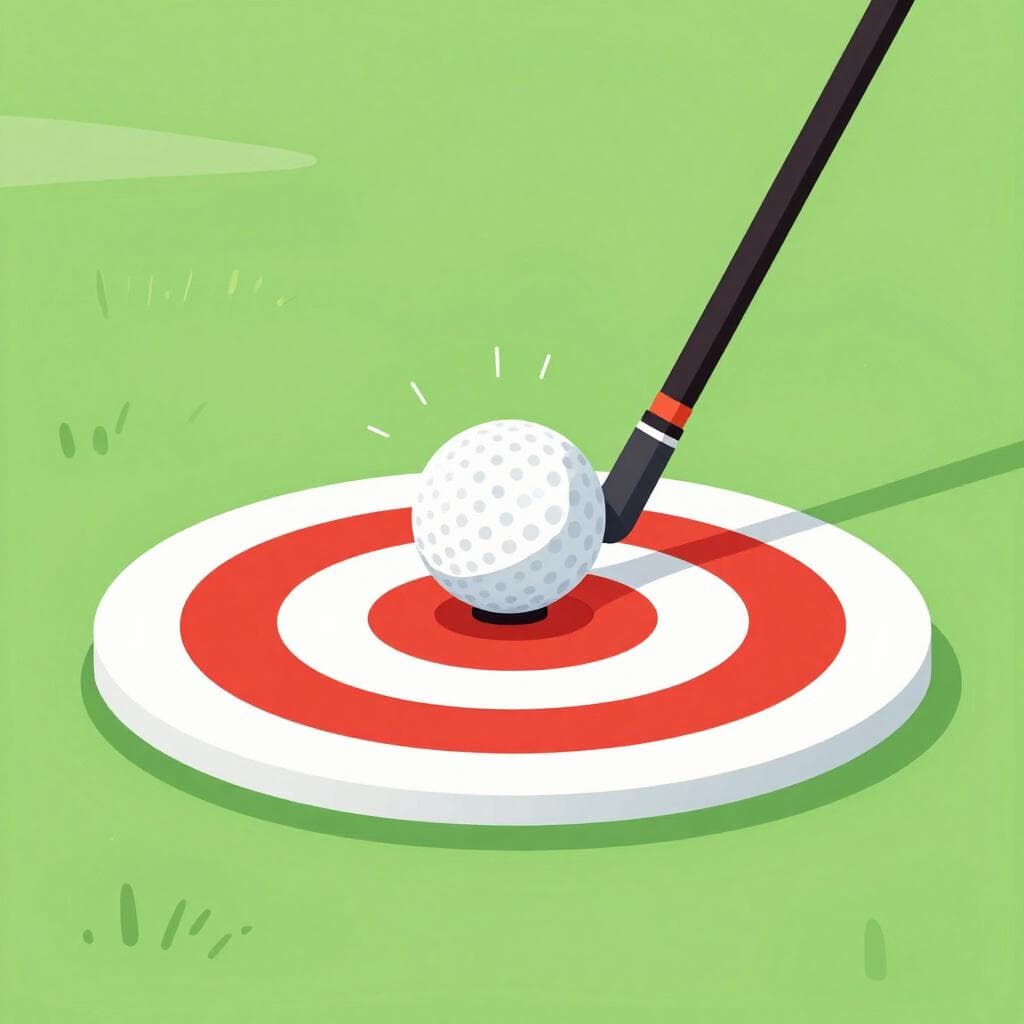
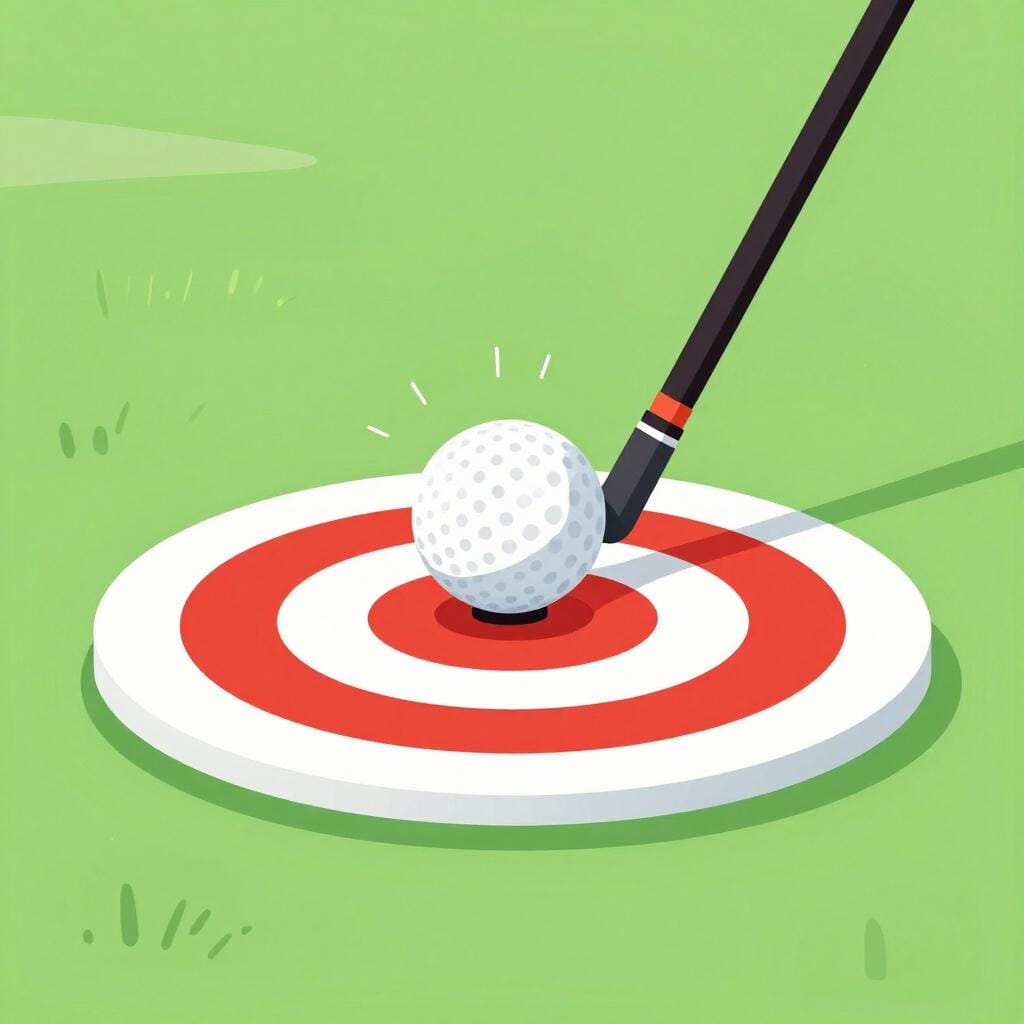
La bala impactó en el centro del blanco.
The bullet hit the center of the target.
Los meteoritos impactaron sobre la superficie lunar.
The meteorites struck the lunar surface.
Using Prepositions
When talking about hitting something, we usually use 'contra' (against) or 'en' (in/at).
Impactar vs. Chocar
Mistake: “Usar 'impactar' para choques de coches comunes.”
Correction: Use 'chocar' for everyday car accidents; 'impactar' sounds more like a physics report or a high-speed strike.
Chocar vs. Impactar
Related Translations
Learn Spanish with Inklingo
Interactive stories, personalized learning, and more.