How to Say "to hit" in Spanish
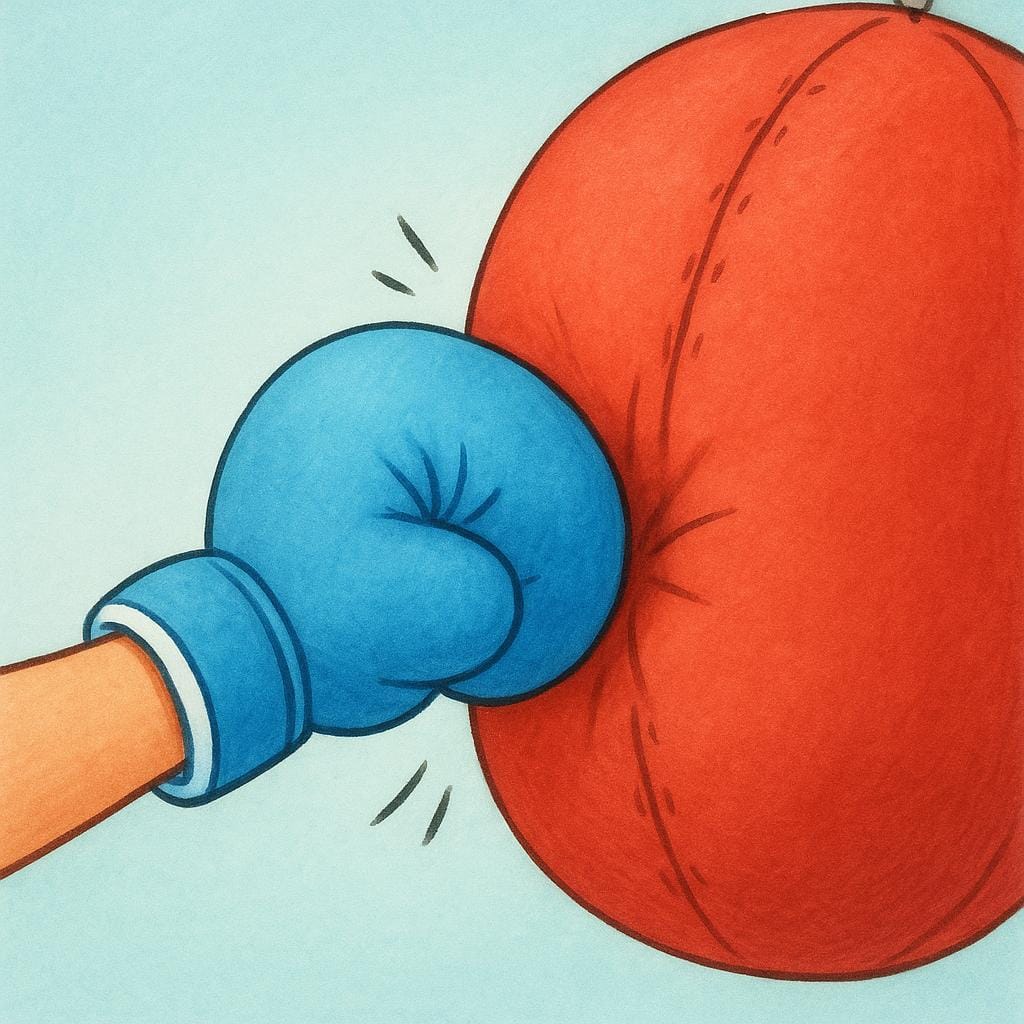
The most common Spanish word for “to hit” is “pegar” — use 'pegar' for general physical contact or striking, especially when one person hits another, or something hits a surface.
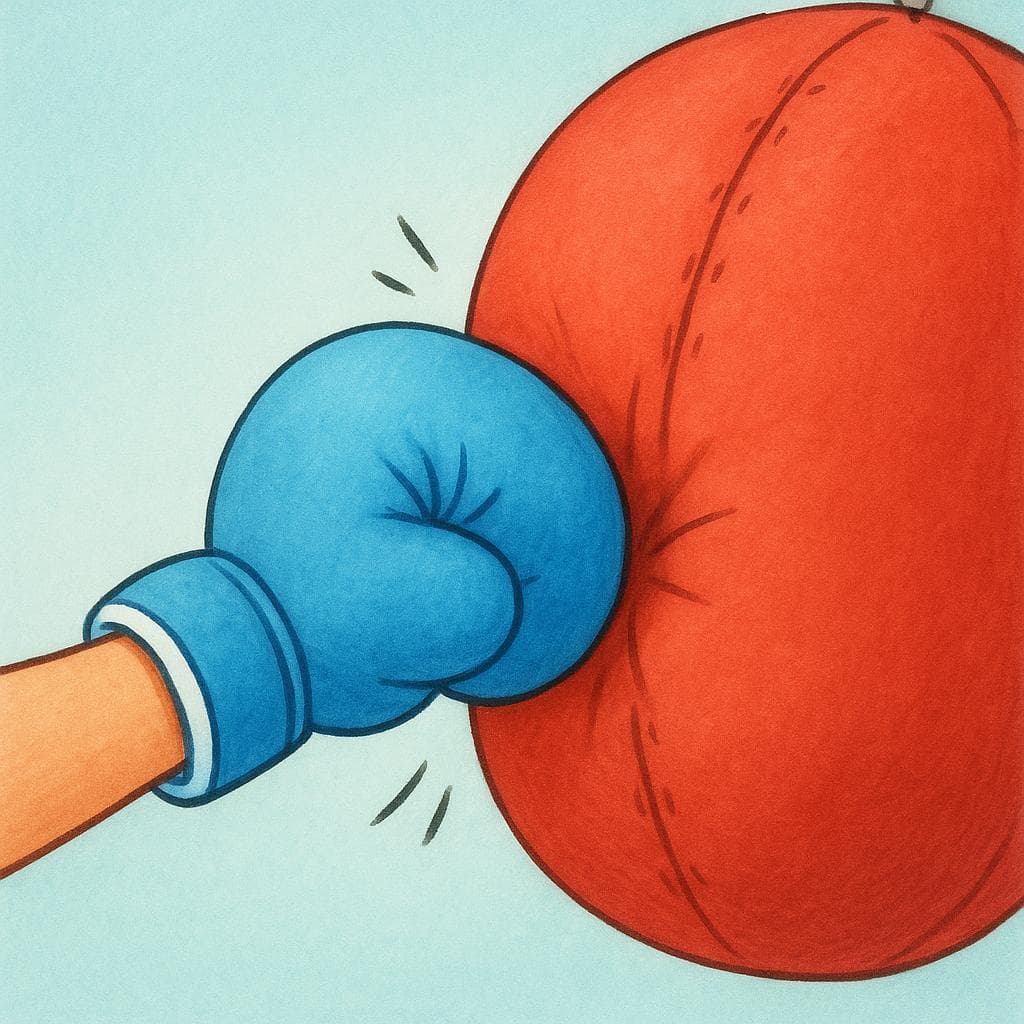
Use 'pegar' for general physical contact or striking, especially when one person hits another, or something hits a surface.
Learn more →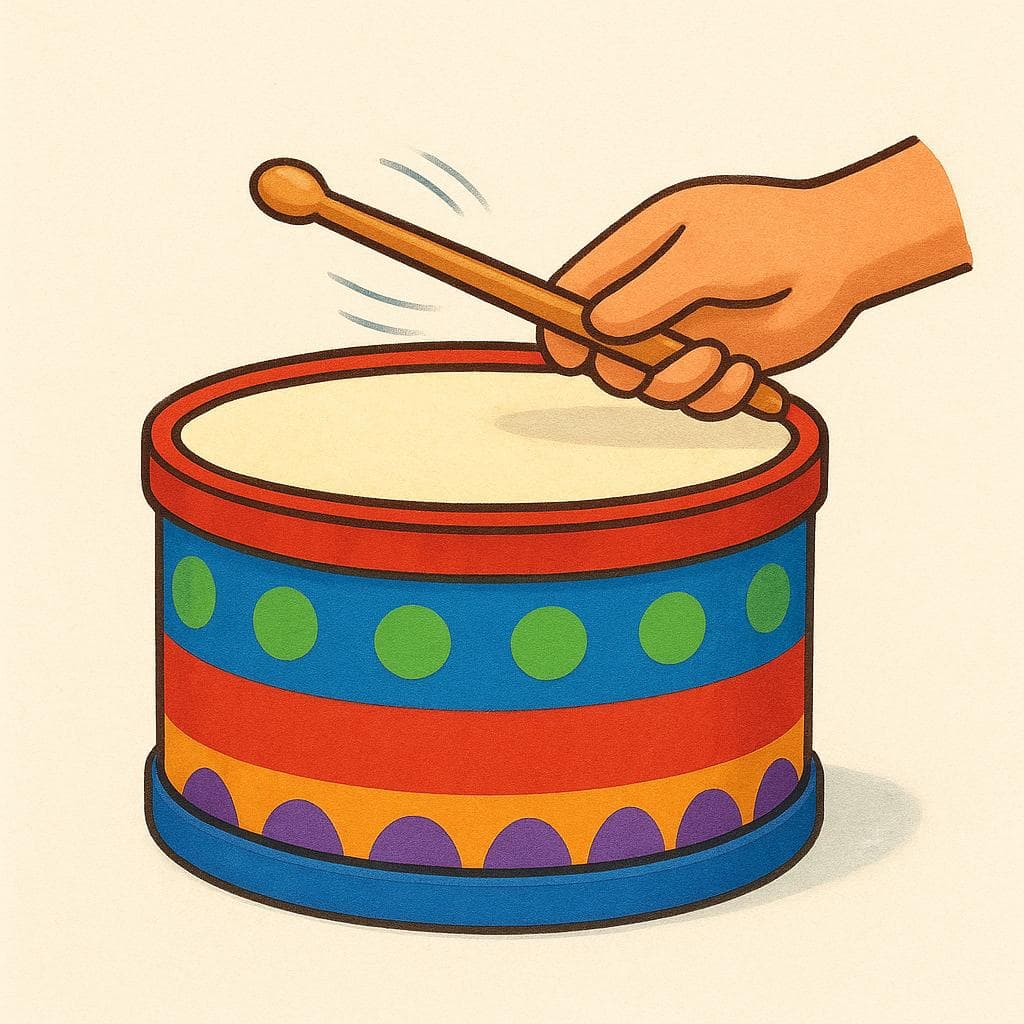
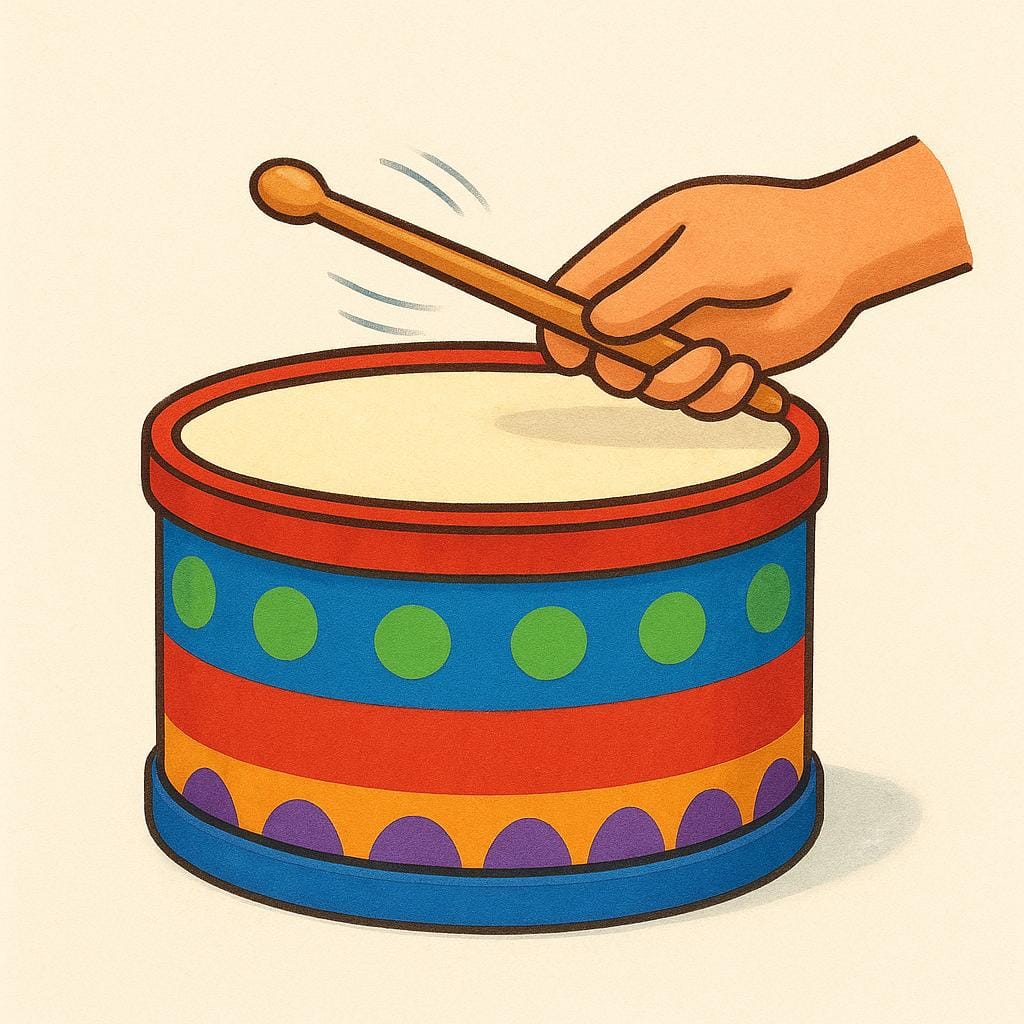
Use 'golpear' when describing a strong physical blow or strike, often with an object or to hit a ball with force.
Learn more →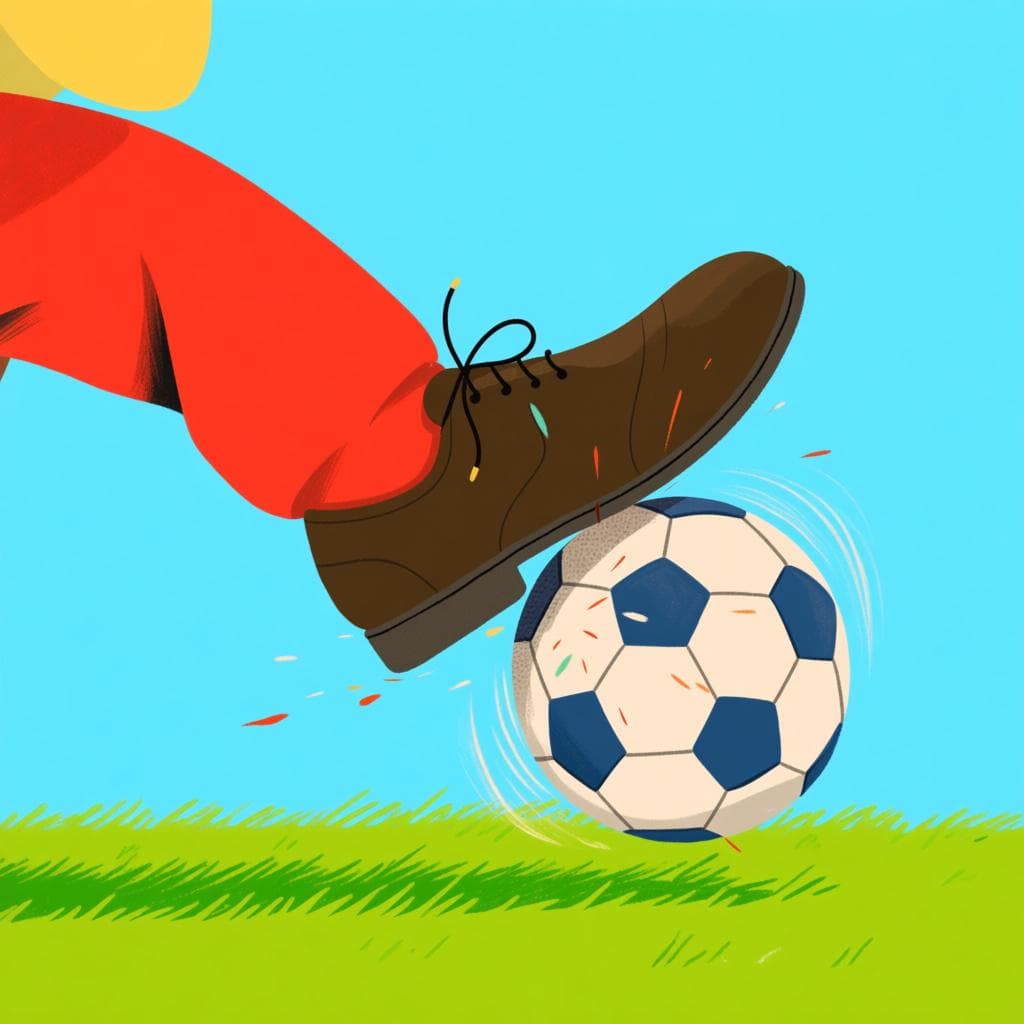
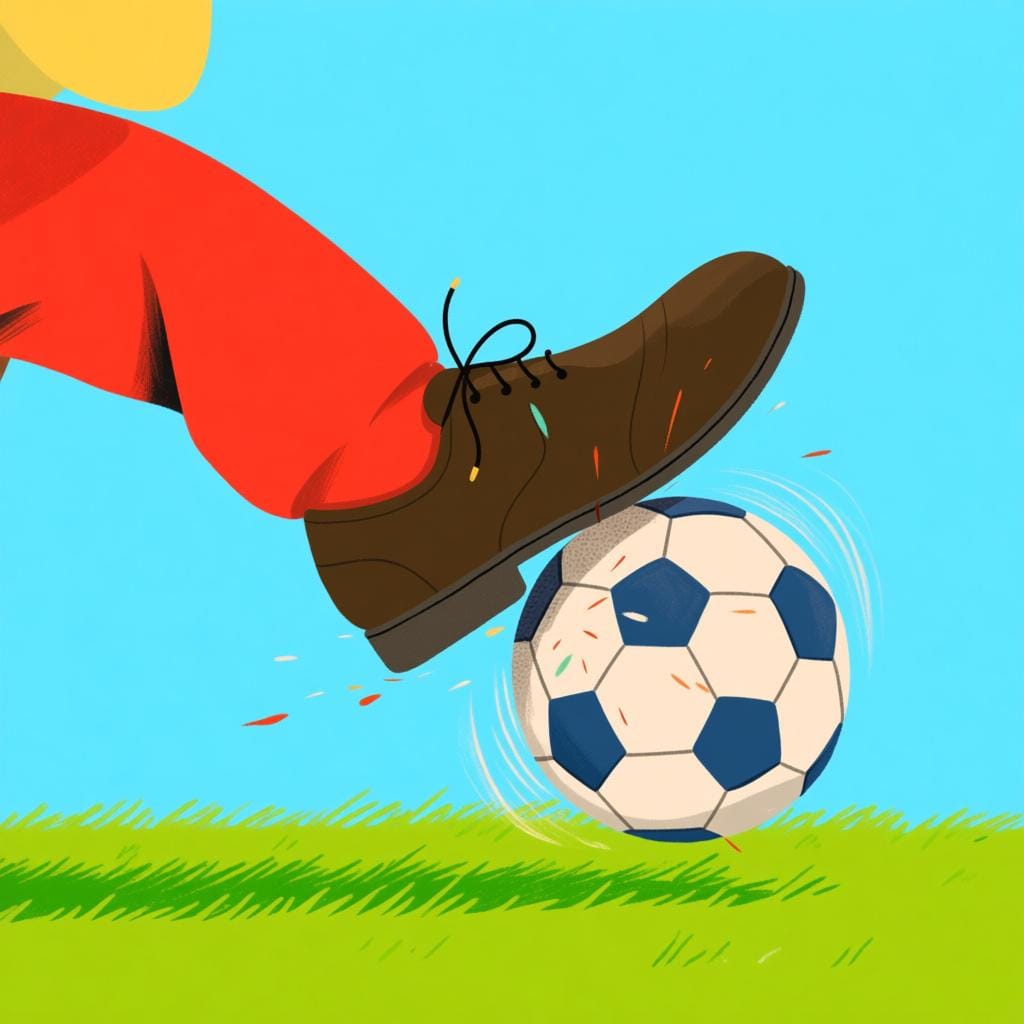
Use 'darle' when there's a risk of physical impact or collision, often implying a direct hit on something or someone.
Learn more →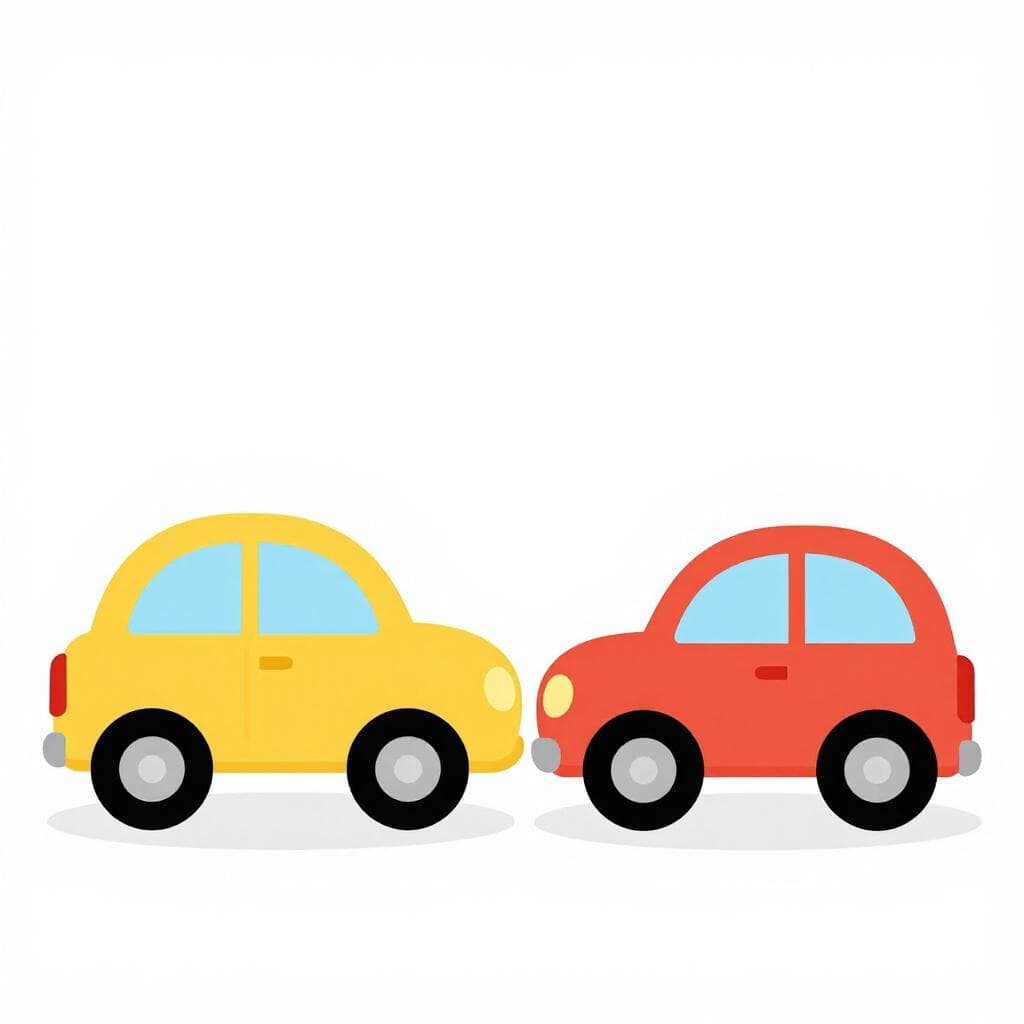
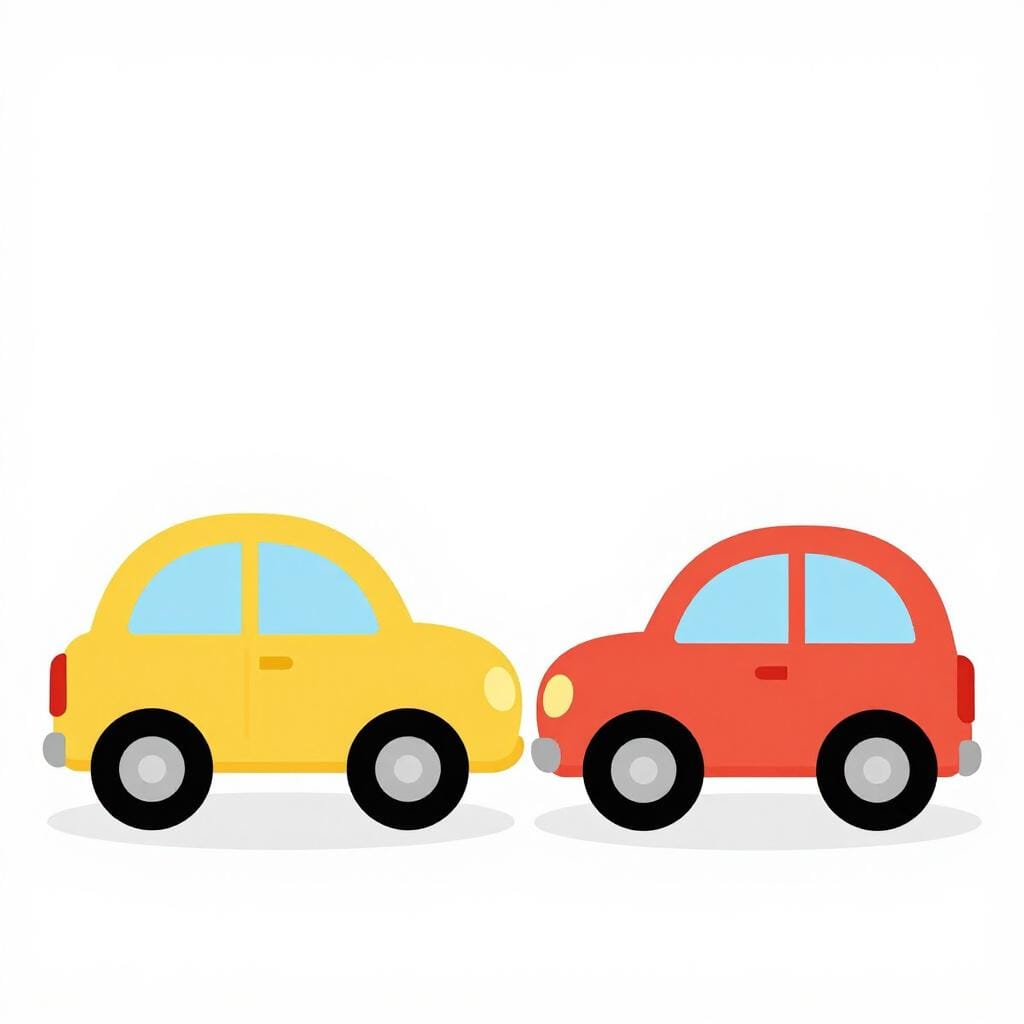
Use 'chocar' specifically for collisions or bumping into something, like vehicles or objects hitting each other.
Learn more →
Use 'impactar' to describe a forceful physical contact or collision, often with a sense of suddenness or force.
Learn more →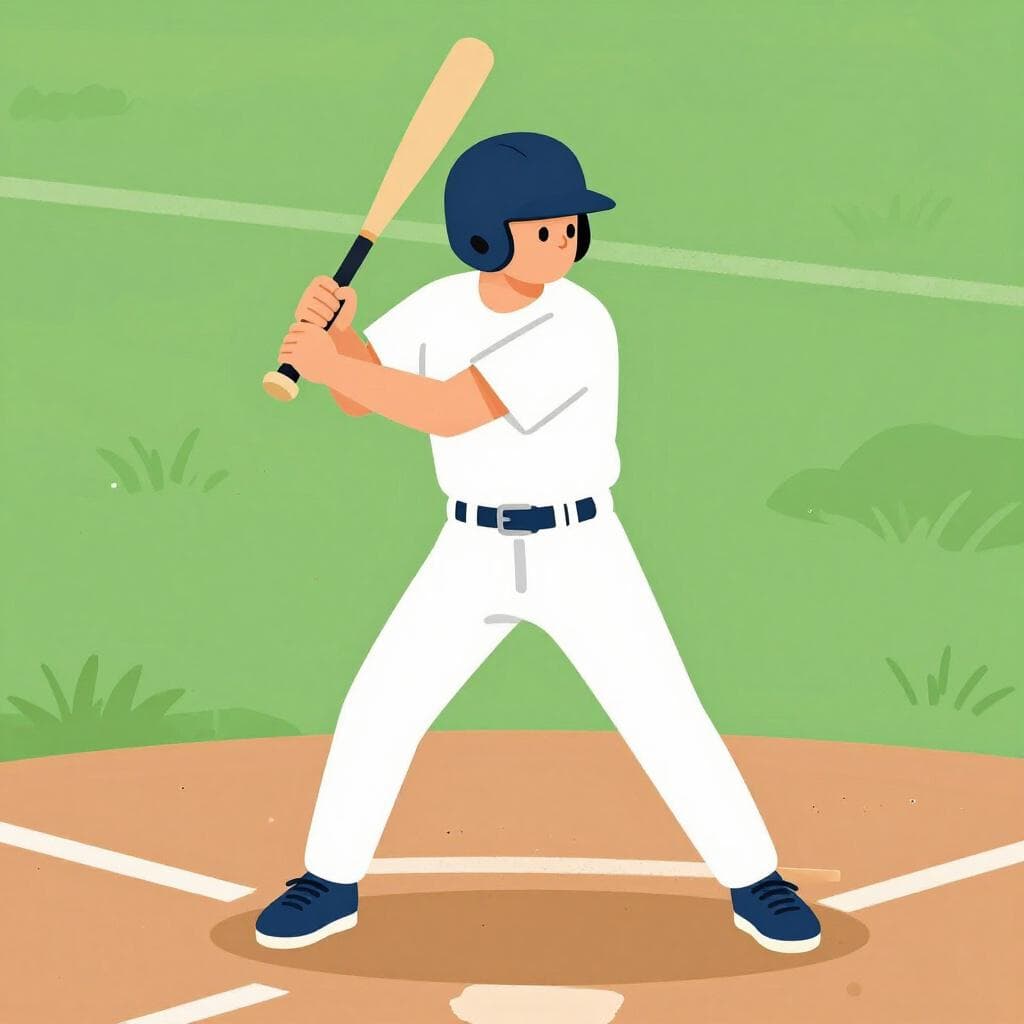
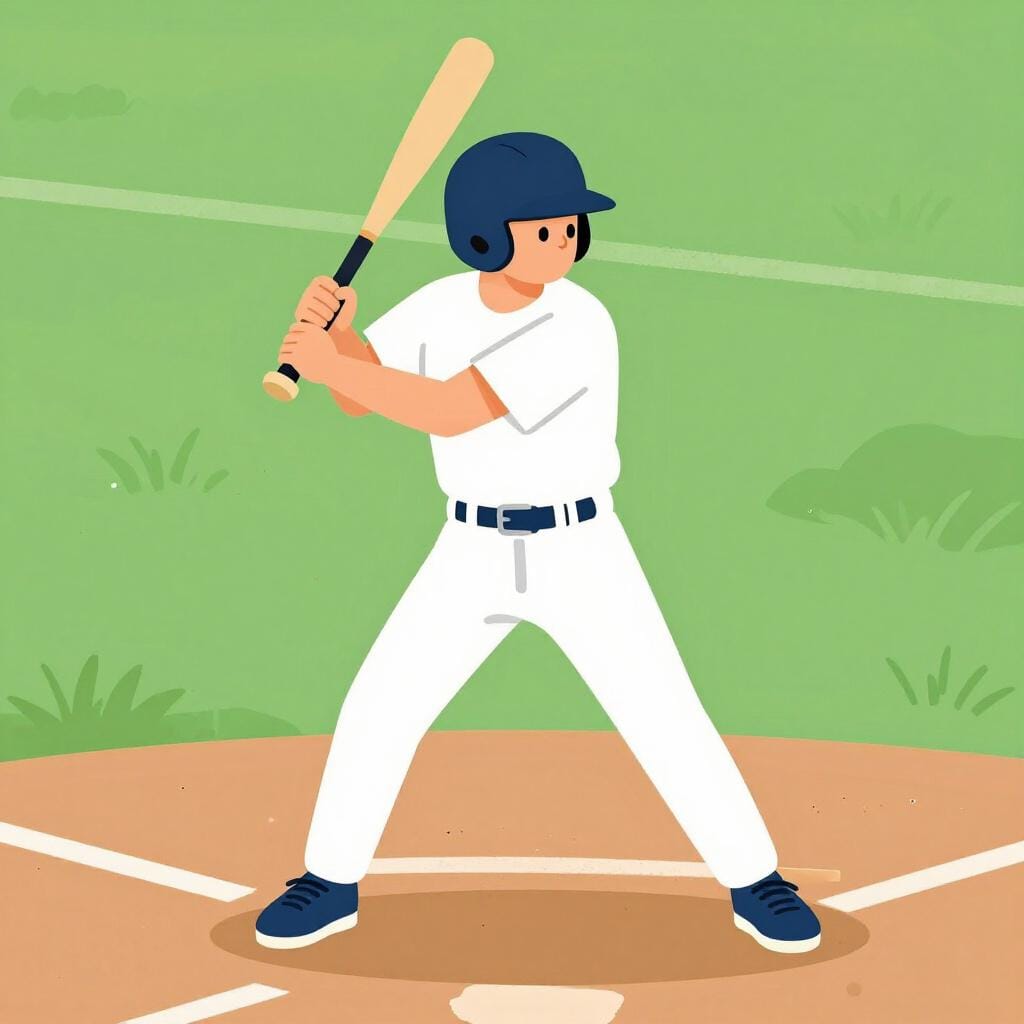
Use 'batear' exclusively in the context of sports, meaning to strike a ball with a bat.
Learn more →peh-GARpeˈɣaɾ
Examples
El niño no quería pegar a su hermano.
The boy didn't want to hit his brother.
El boxeador pegó un golpe limpio al oponente.
The boxer landed a clean punch on the opponent.
Si le pegas a la puerta, se va a romper.
If you hit the door, it's going to break.
Spelling Tweak (G to GU)
When the 'g' sound needs to come before an 'e', 'pegar' changes to 'pegu-' (like in the past tense 'yo' form: 'yo pegué') so the sound stays strong, like in 'gato'.
gol-pe-arɡolpeˈaɾ
Examples
Tienes que golpear la pelota con fuerza para que cruce la red.
You have to hit the ball hard so it crosses the net.
Alguien está golpeando la puerta, ¿puedes abrir?
Someone is knocking on the door, can you open it?
El viento fuerte golpeaba las ventanas toda la noche.
The strong wind was striking the windows all night.
Direct Action Verb
Golpear is a transitive verb, meaning it needs a direct object (the thing receiving the action). For example: 'Golpeó el clavo' (He hit the nail).
Confusing 'Golpear' and 'Tocar'
Mistake: “Using 'tocar' when referring to a forceful impact ('Tocar la mesa').”
Correction: Use 'golpear' for forceful hitting or striking, and 'tocar' for light touching or playing an instrument. 'Golpea la mesa' (He hits the table).
DAR-lehˈdaɾle
Examples
Ten cuidado, vas a darle a la lámpara con la cabeza.
Be careful, you're going to hit the lamp with your head.
El niño le dio una patada a la pelota con todas sus fuerzas.
The boy kicked the ball with all his might.
La rama le dio en el brazo cuando caminaba por el bosque.
The branch hit him on the arm when he was walking through the forest.
cho-KARtʃoˈkaɾ
Examples
El coche chocó contra un árbol.
The car crashed against a tree.
Los dos ciclistas chocaron en la esquina.
The two cyclists collided at the corner.
Ten cuidado, no vayas a chocar con la puerta.
Be careful, don't go and bump into the door.
The Spelling Change Rule
To keep the 'k' sound, the 'c' changes to 'qu' when followed by an 'e'. This happens in the 'yo' form of the past (choqué) and all 'special forms' for wishes (subjunctive).
Using 'Con' vs 'Contra'
Use 'chocar con' when two things hit each other. Use 'chocar contra' when something hits a stationary object like a wall.
Don't say 'Chocar el coche'
Mistake: “Yo chocqué mi coche.”
Correction: Choqué el coche (Notice only one 'c' and use 'qu' for the past 'yo' form).
eem-pahk-TAHRim.pakˈtaɾ

Examples
El pájaro impactó contra la ventana.
The bird hit the window.
La bala impactó en el centro del blanco.
The bullet hit the center of the target.
Los meteoritos impactaron sobre la superficie lunar.
The meteorites struck the lunar surface.
Using Prepositions
When talking about hitting something, we usually use 'contra' (against) or 'en' (in/at).
Impactar vs. Chocar
Mistake: “Usar 'impactar' para choques de coches comunes.”
Correction: Use 'chocar' for everyday car accidents; 'impactar' sounds more like a physics report or a high-speed strike.
bah-teh-ahrba.teˈaɾ
Examples
Es mi turno de batear.
It is my turn to bat.
Él batea la pelota muy fuerte.
He hits the ball very hard.
El equipo necesita a alguien que sepa batear contra zurdos.
The team needs someone who knows how to bat against left-handers.
A regular verb
Batear follows the standard pattern for verbs ending in -ar. This makes it easy to conjugate once you know the basic rules!
Talking about the ball
When you want to say what you are hitting, you usually put the ball right after the verb: 'Bateo la pelota' (I bat the ball).
Don't confuse with 'batería'
Mistake: “Yo batería la pelota.”
Correction: Yo bateo la pelota. 'Batería' is a noun meaning 'battery' or 'drums', while 'batear' is the action of hitting.
General vs. Specific 'To Hit'
The most common mistake is using a general term like 'pegar' or 'golpear' when a more specific verb like 'chocar' (to collide) or 'batear' (to bat) is required. Always consider the specific context of the 'hit' before choosing a translation.
Related Translations
Learn Spanish with Inklingo
Interactive stories, personalized learning, and more.