golpear
“golpear” means “to hit” in Spanish. It has 3 different meanings depending on context:
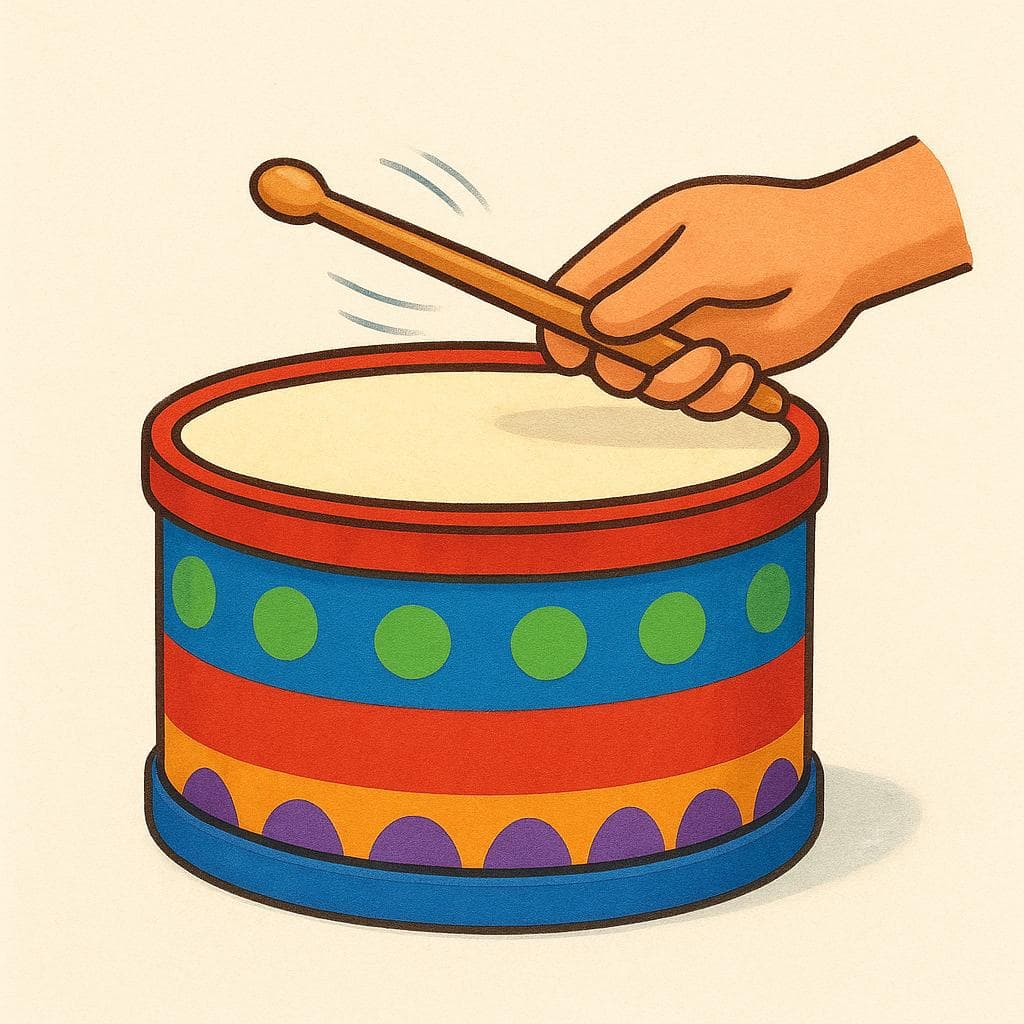
to hit, to strikeAlso: to knock, to beat
📝 In Action
Tienes que golpear la pelota con fuerza para que cruce la red.
A2You have to hit the ball hard so it crosses the net.
Alguien está golpeando la puerta, ¿puedes abrir?
A2Someone is knocking on the door, can you open it?
El viento fuerte golpeaba las ventanas toda la noche.
B1The strong wind was striking the windows all night.
Word Connections
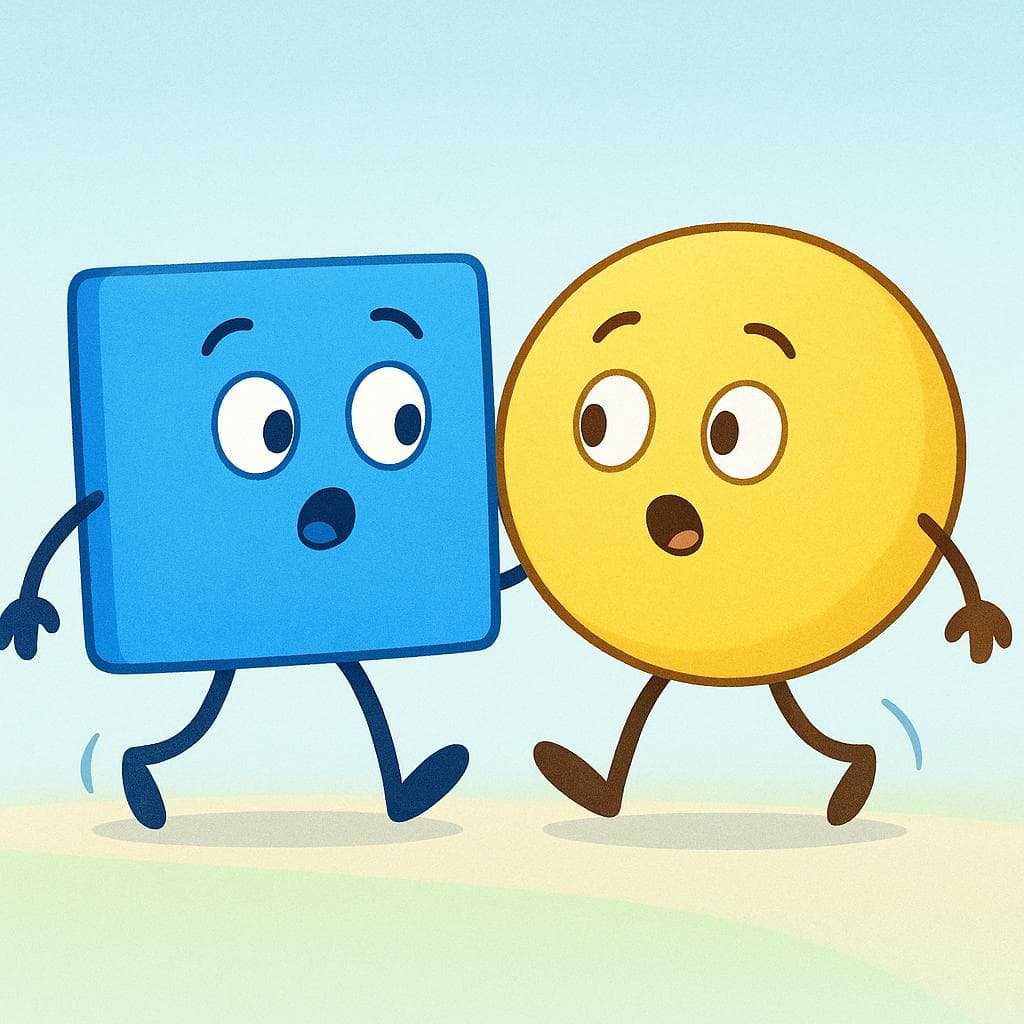
to bump into, to crash intoAlso: to run into

📝 In Action
Me golpeé la cabeza con el estante de arriba.
B1I bumped my head on the shelf above.
El coche se golpeó contra la pared al salir del garaje.
B2The car crashed into the wall while leaving the garage.
Word Connections
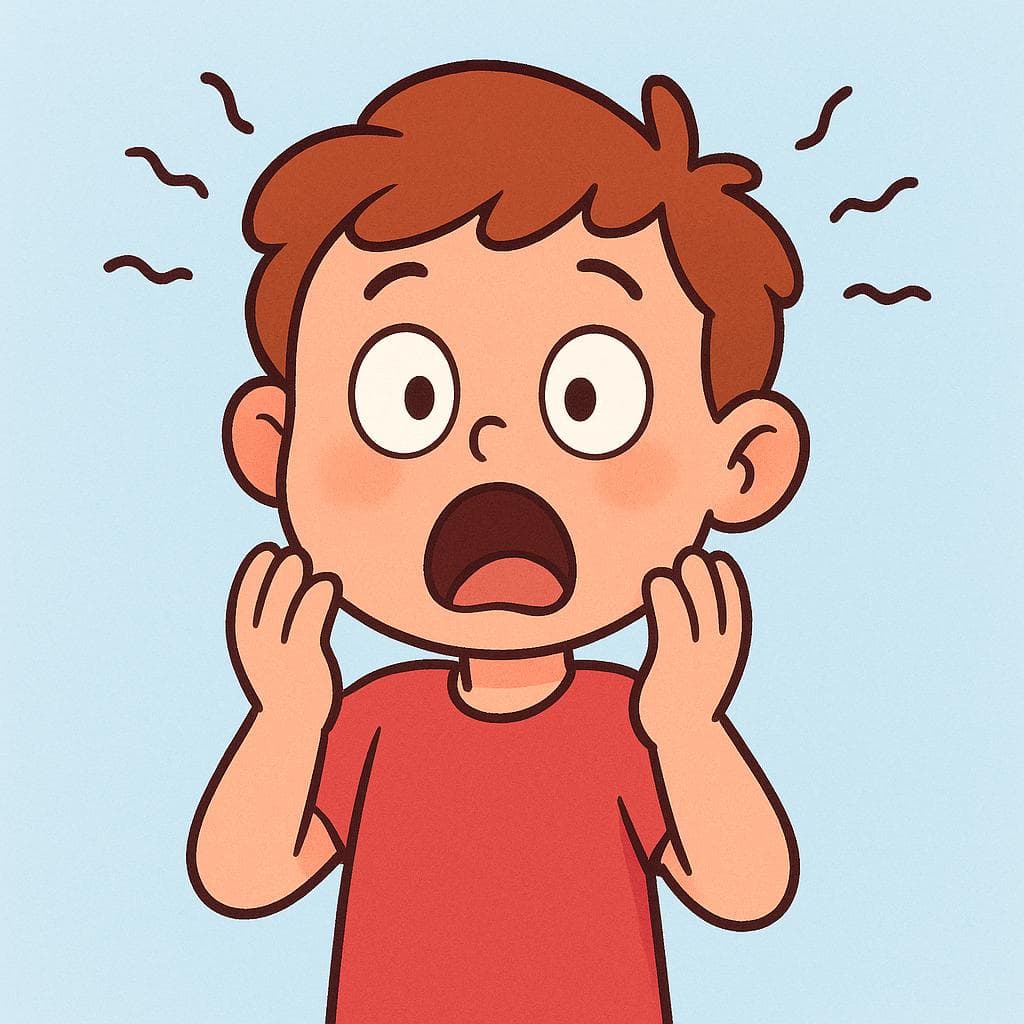
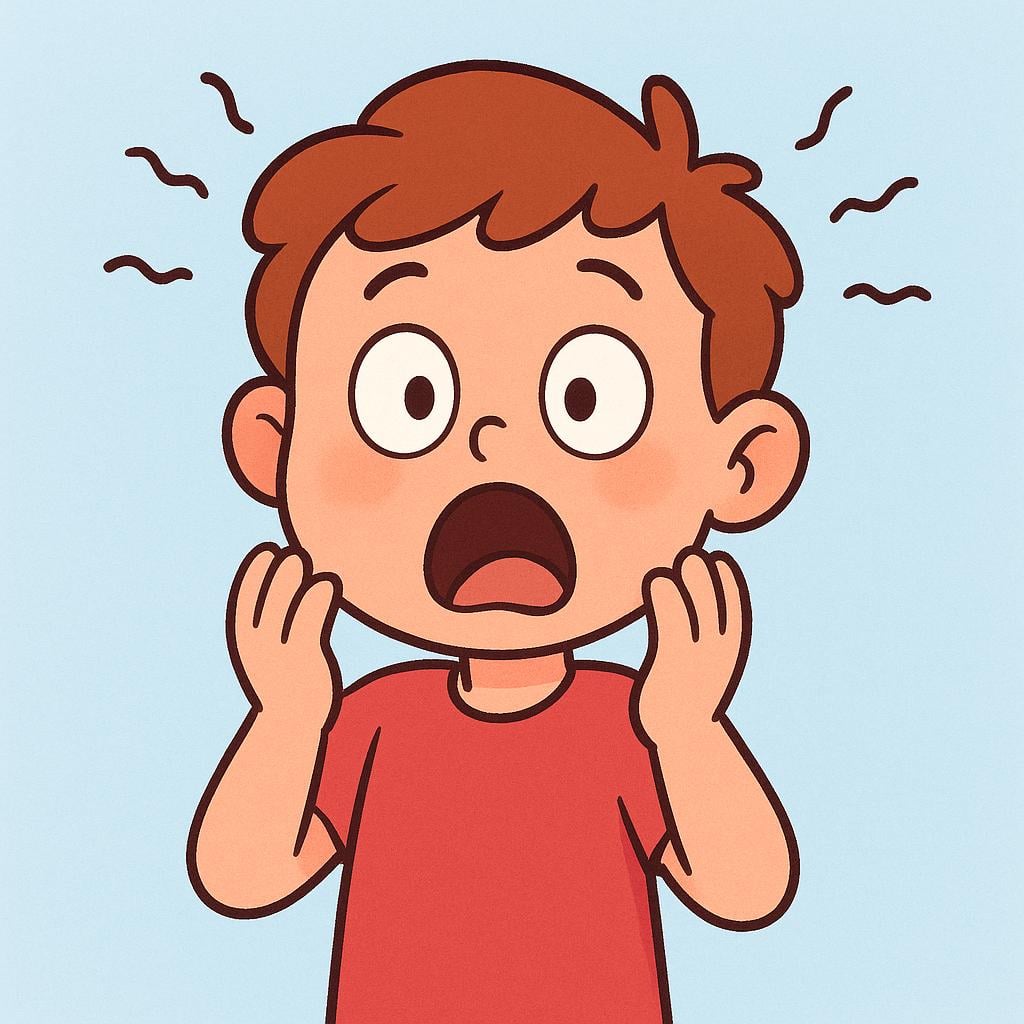
to shock, to hit hardAlso: to affect deeply
📝 In Action
La noticia de su despido nos golpeó a todos.
B2The news of his firing hit us all hard (shocked us).
La realidad económica golpeó a las familias más pobres.
C1The economic reality affected the poorest families deeply.
Word Connections
Indicative
Present
Imperfect
Preterite
Subjunctive
Present Subjunctive
Imperfect Subjunctive
🔀 Commonly Confused With
Translate to Spanish
✏️ Quick Practice
Quick Quiz: golpear
Question 1 of 2
Which sentence uses 'golpear' in its figurative sense (Definition 3)?
📚 More Resources
👥 Word Family
📚 Etymology
The word comes from the noun 'golpe' (a blow or strike), which itself has an uncertain origin but is linked to ancient sounds suggesting impact.
First recorded: Medieval Spanish
Cognates (Related words)
💡 Master Spanish
Take your Spanish to the next level. Read 200+ illustrated and narrated Spanish stories tailored to your level with the Inklingo app!
Frequently Asked Questions
When should I use 'golpear' versus 'pegar'?
Both mean 'to hit.' 'Golpear' often implies a single, significant blow or strike, or knocking (like on a door). 'Pegar' is often more general, meaning 'to hit' or 'to stick/glue,' and is sometimes used more casually.
What is the difference between 'golpearse' and 'golpear'?
'Golpear' means *you* hit something else ('Yo golpeo la pared'). 'Golpearse' means you hit *yourself* or a part of your body accidentally ('Me golpeé la rodilla' - I bumped my knee). The added 'se' shows the action involves the speaker.