How to Say "to beat" in Spanish
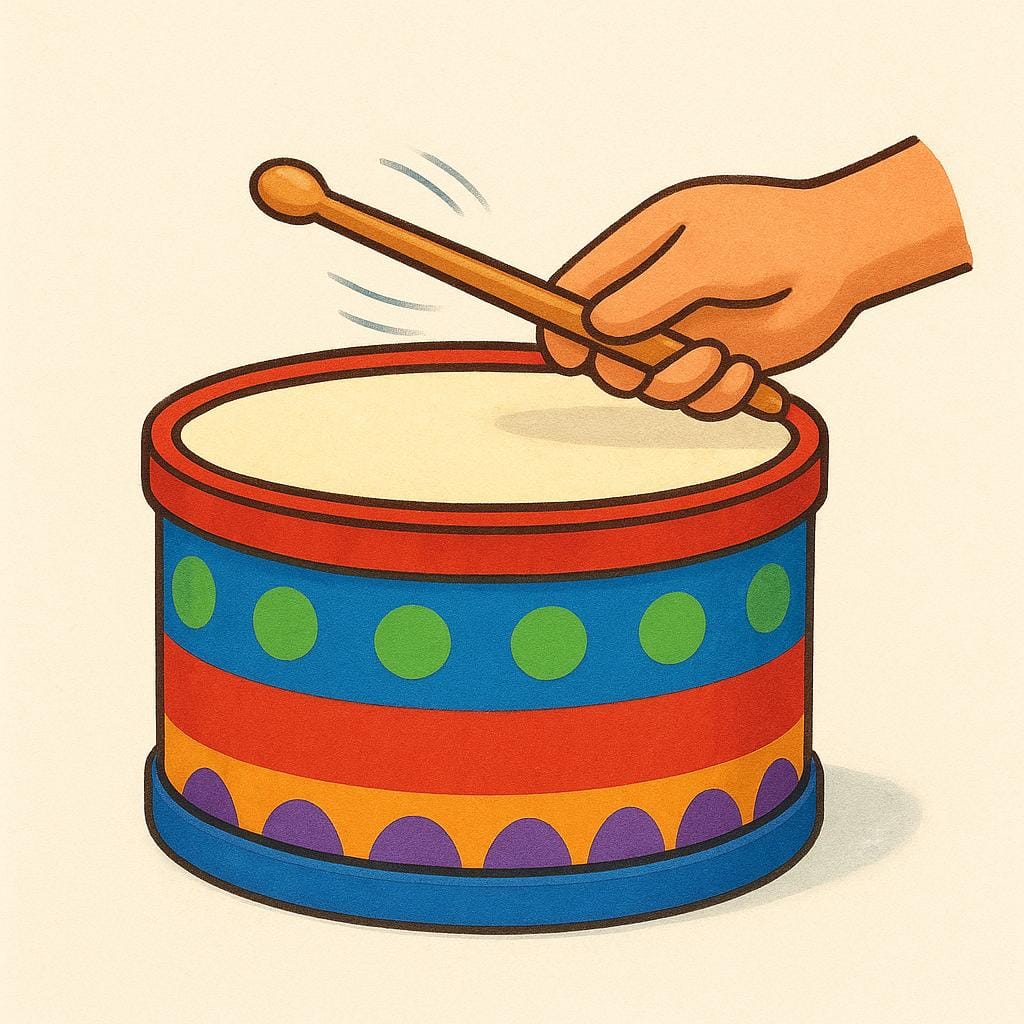
The most common Spanish word for “to beat” is “golpear” — use this word when referring to the physical act of hitting something repeatedly, like a ball or a surface.
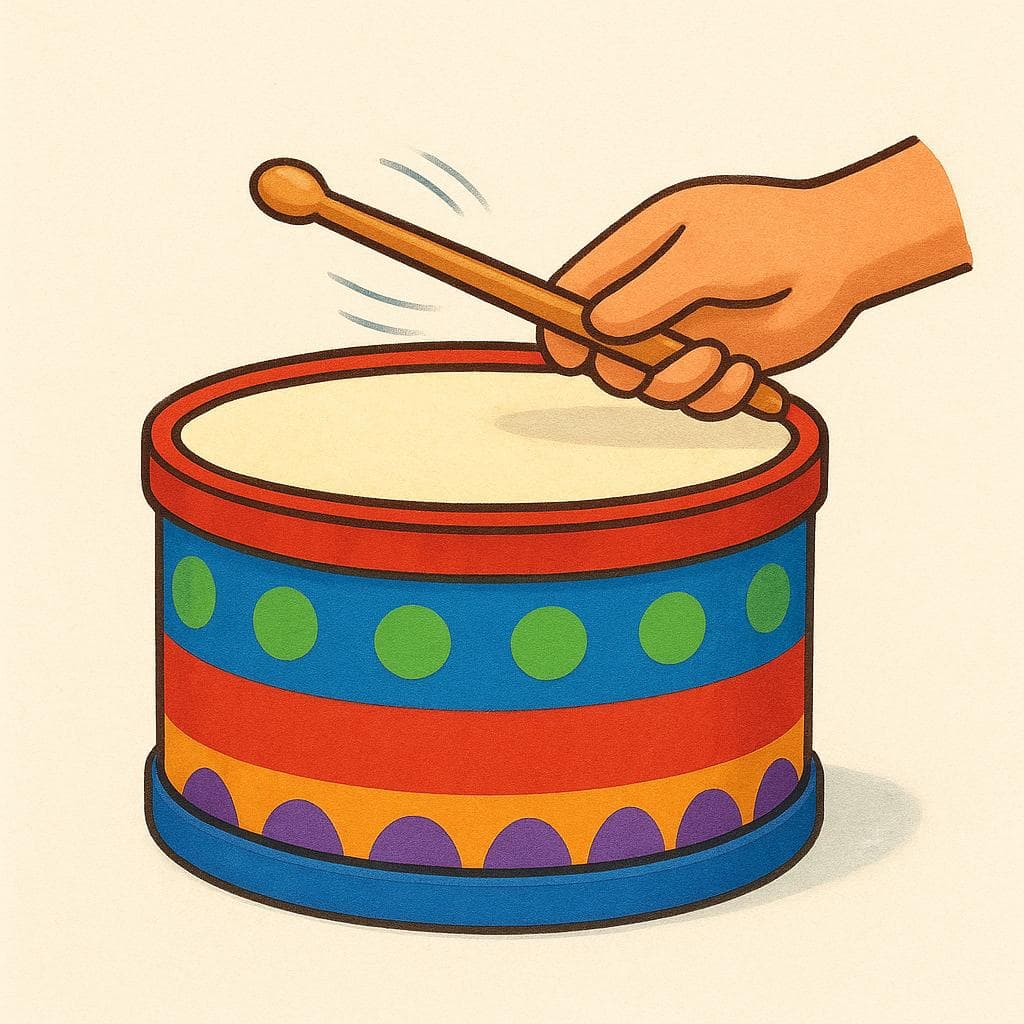



golpear
gol-pe-arɡolpeˈaɾ
Examples
Tienes que golpear la pelota con fuerza para que cruce la red.
You have to hit the ball hard so it crosses the net.
Alguien está golpeando la puerta, ¿puedes abrir?
Someone is knocking on the door, can you open it?
El viento fuerte golpeaba las ventanas toda la noche.
The strong wind was striking the windows all night.
Direct Action Verb
Golpear is a transitive verb, meaning it needs a direct object (the thing receiving the action). For example: 'Golpeó el clavo' (He hit the nail).
Confusing 'Golpear' and 'Tocar'
Mistake: “Using 'tocar' when referring to a forceful impact ('Tocar la mesa').”
Correction: Use 'golpear' for forceful hitting or striking, and 'tocar' for light touching or playing an instrument. 'Golpea la mesa' (He hits the table).
derrotar
deh-rroh-TAHRderoˈtaɾ

Examples
Nuestro equipo derrotó al campeón el año pasado.
Our team defeated the champion last year.
El ajedrecista derrotó a su oponente en solo diez movimientos.
The chess player beat his opponent in only ten moves.
The 'Personal A'
When you use this word to talk about defeating a specific person or a group of people, you must use the word 'a' before them. Example: 'Derrotaron a los gigantes'.
Ganar vs. Derrotar
Mistake: “Using 'ganar' when referring to the person you beat.”
Correction: Say 'Derroté a mi hermano' (I defeated my brother) instead of 'Gané a mi hermano'. You 'ganar' (win) a trophy or a game, but you 'derrotar' (defeat) an opponent.
ganar
gah-NARɡaˈnaɾ

Examples
Te gané en la carrera.
I beat you in the race.
Nuestro equipo le ganó al campeón del año pasado.
Our team beat last year's champion.
Es muy difícil ganarle a ella en ajedrez.
It's very difficult to beat her at chess.
Beating Someone
When you use 'ganar' to mean 'beat', you often put a little word like 'le' or 'les' right before it to point to the person you beat. For example, 'Le gané' (I beat him/her).
batir
bah-TEERbaˈtiɾ
Examples
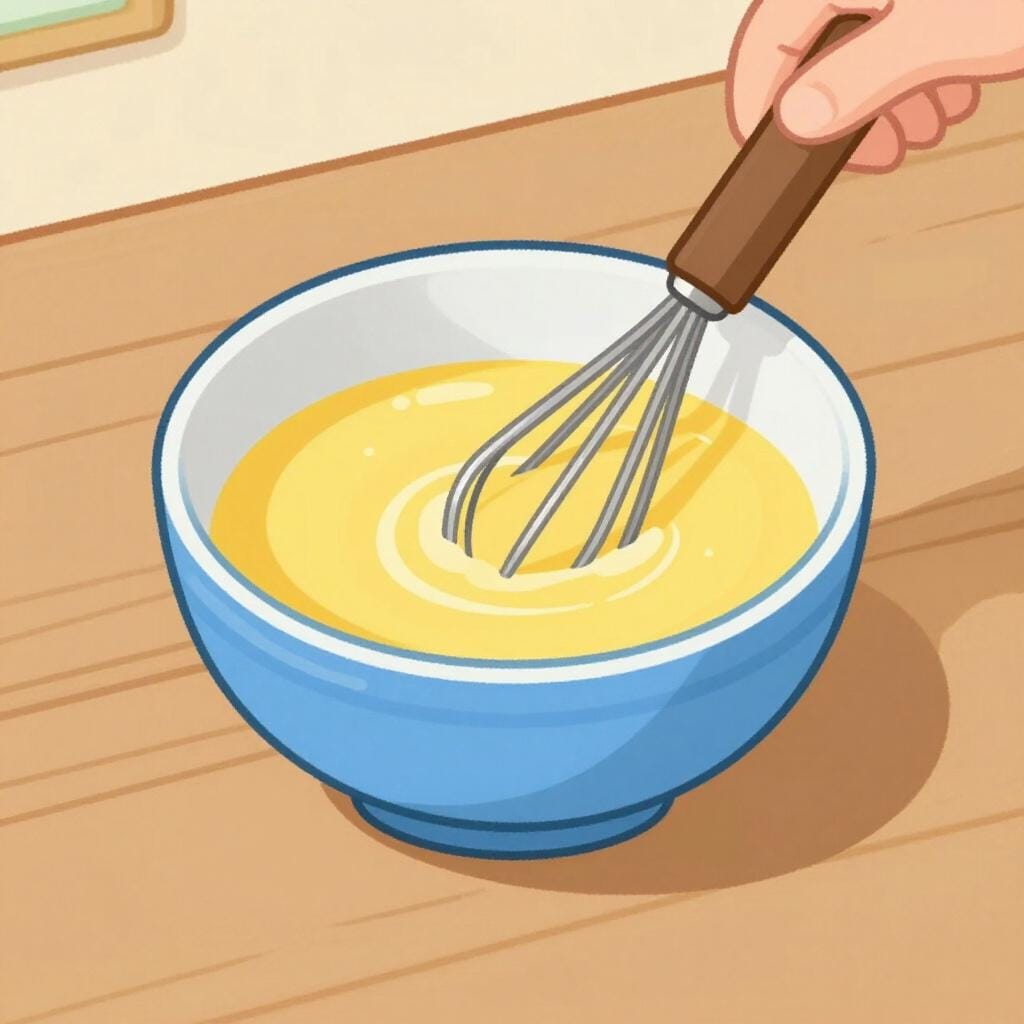
Tienes que batir los huevos para la tortilla.
You have to whisk the eggs for the omelet.
Bate la crema hasta que esté espesa.
Whip the cream until it is thick.
Estamos batiendo la mezcla con mucha energía.
We are beating the mixture with a lot of energy.
A perfectly regular verb
Batir is great because it follows the standard pattern for all verbs ending in -ir. If you know how to conjugate 'vivir', you already know how to conjugate 'batir'!
Direct Action
You don't need a middle word (preposition) between batir and the thing you are mixing. Just say 'Bato los huevos' directly.
Mixing vs. Whisking
Mistake: “Using 'mezclar' for everything.”
Correction: Use 'batir' when you are using a tool or significant speed to combine things. 'Mezclar' is more general; 'batir' is what you do for meringues or omelets.
latir
la-TEERlaˈtiɾ

Examples
Mi corazón late muy fuerte cuando estoy nervioso.
My heart beats very fast when I am nervous.
El médico puede oír el corazón latir.
The doctor can hear the heart beating.
Siento el latir de la vida en la ciudad.
I feel the pulse of life in the city.
Using the Infinitive
When you use a verb after 'feel' or 'hear' in Spanish, use the infinitive (the -ar, -er, -ir form): 'Siento latir mi corazón' (I feel my heart beating).
The Subject follows the Verb
It is very common in Spanish for the heart to come after the verb: 'Late el corazón' instead of 'El corazón late'.
Latir vs. Golpear
Mistake: “Mi corazón golpea rápido.”
Correction: Mi corazón late rápido. Use 'latir' for rhythmic biological pulses; 'golpear' means to hit or punch.
Confusing Winning with Hitting
Related Translations
Learn Spanish with Inklingo
Interactive stories, personalized learning, and more.